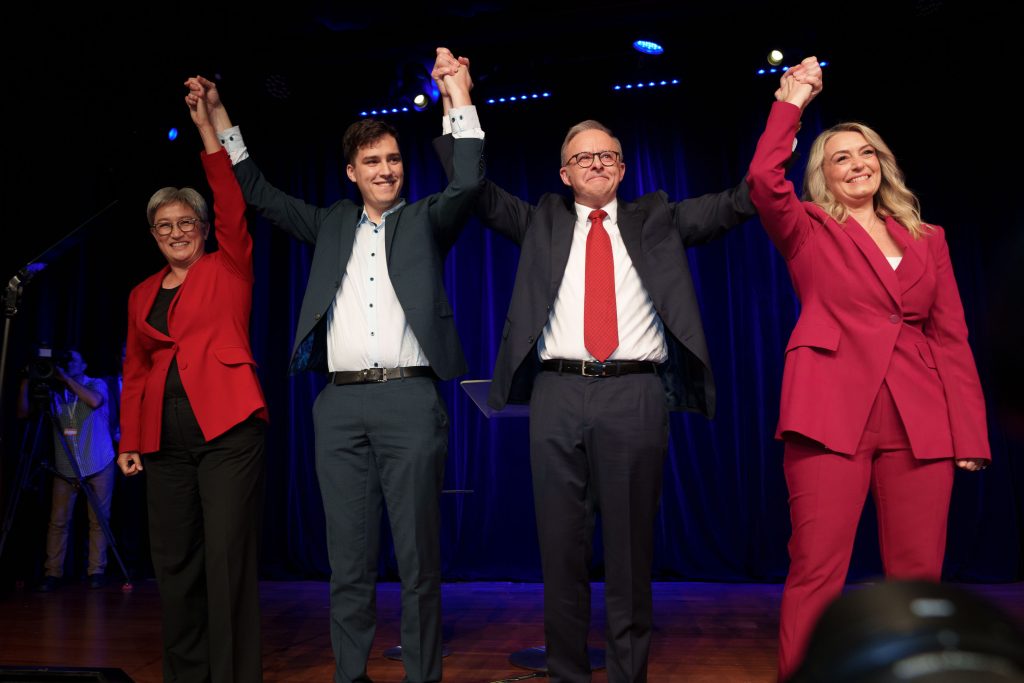
In a landmark victory, Anthony Albanese and the Labor Party have secured a decisive win in the 2025 federal election, guaranteeing a second consecutive term for the Prime Minister. This historic achievement marks the first time in over three decades that a government has been re-elected with a clear majority in the House of Representatives.

The election results underscore widespread public approval of Labor’s steady leadership and progressive policies, which focused on issues such as climate change, cost-of-living relief, and support for diverse communities. Labor is on track to claim at least 85 seats—well beyond the 76 needed to govern alone, indicating the public’s strong desire for continued stability and forward-thinking leadership.
Key Election Shifts and Political Landscape
Labor made significant gains in traditionally Liberal-held seats, including Dickson, Deakin, Menzies, Ryan, Banks, and Sturt, signaling a broader shift away from the Coalition, especially in urban regions of Queensland, Victoria, and South Australia. The most notable moment of the night was Opposition Leader Peter Dutton’s loss of the Dickson seat to Labor’s Ali France, with a narrow margin of just over 2%. Dutton’s defeat prompted a reevaluation of the Liberal Party’s disconnection from modern Australian values.
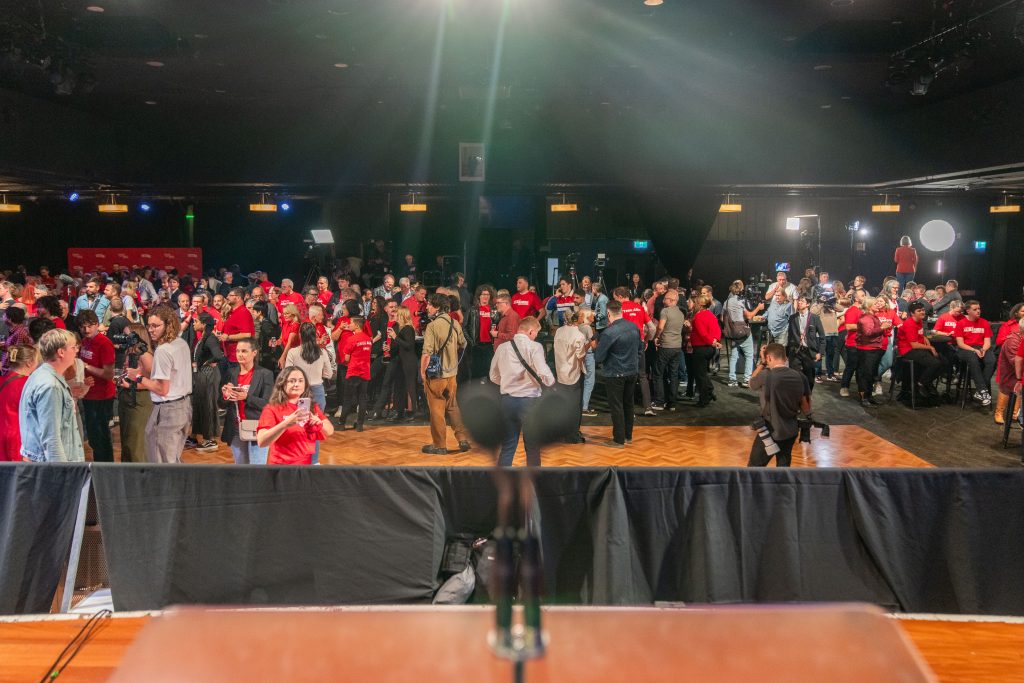
Despite Labor’s success, the Greens and independent candidates, such as Zali Steggall, Kylea Tink, Allegra Spender, and David Pocock, maintained strong performances in metropolitan areas. Their focus on climate, political integrity, and healthcare resonated with voters seeking alternatives to the major parties.
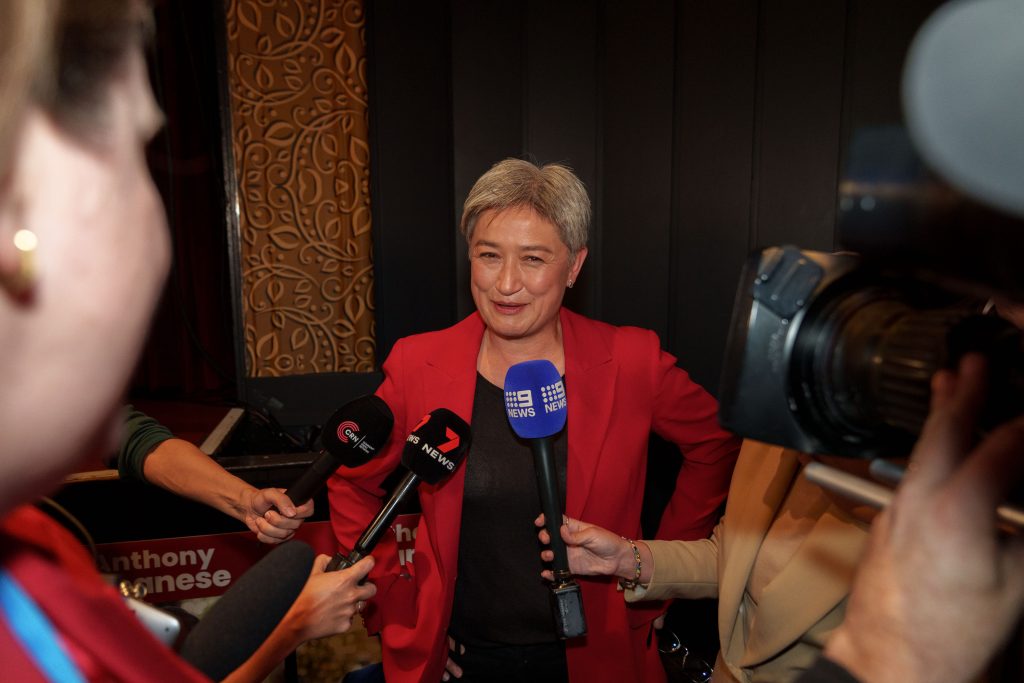
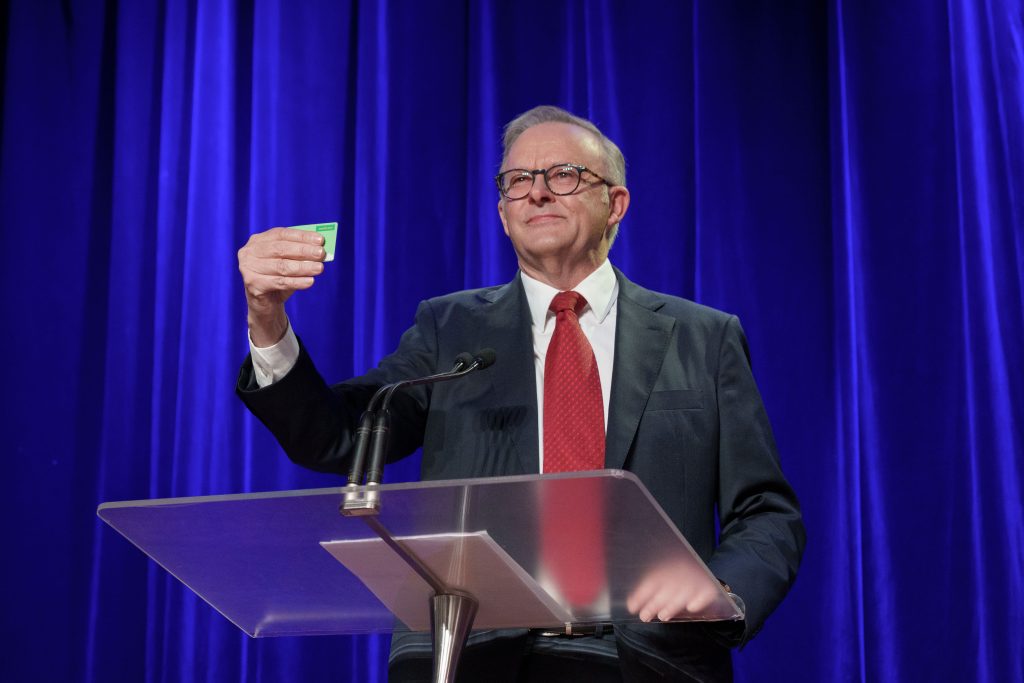
Multicultural communities, particularly those with large South Asian, Middle Eastern, and Pacific Islander populations, were crucial to Labor’s success. Labor’s outreach to these electorates, especially in seats like Greenway, Chifley, Werriwa, and McMahon, helped secure a solid victory. In his victory speech, Albanese thanked Australians for their trust and pledged to continue working toward a fairer, more unified Australia.
Bold Initiatives for Cost-of-Living Relief and Economic Stability
In line with Labor’s campaign promises, the government has swiftly unveiled a robust suite of cost-of-living relief measures aimed at providing financial relief to millions of Australians. Key initiatives include:
- Tax Cuts for Workers: Beginning July 1, millions of middle-income earners will benefit from tax cuts designed to increase take-home pay and provide immediate financial relief.
- HECS-HELP Debt Reductions: Significant changes to the HECS-HELP debt indexing will reduce student and graduate education debts, with retrospective adjustments to address inflationary surges.
- Energy Rebates: Low- and middle-income households will receive rebates on their energy bills as part of a $3 billion initiative to ease the financial burden of rising energy costs.
- Medicare Boost: Expansion of bulk billing services and increased funding for regional health clinics and mental health services will reduce out-of-pocket costs and improve healthcare access across Australia.
These measures aim to inject billions into the economy and provide a buffer for households struggling with rising rents, mortgage payments, and utility bills. The government has promised to implement these initiatives quickly, with the first round of tax relief and HECS adjustments expected in the upcoming federal budget.

Addressing Housing Affordability and Reform
A central issue during the election campaign was the ongoing housing affordability crisis. To tackle this, the Albanese government has committed to a comprehensive housing reform package:
- Building 100,000 Homes: A $10 billion investment will be used to construct 100,000 homes specifically for first-time buyers, addressing the growing demand for affordable housing.
- Ban on Foreign Purchases of Existing Properties: Measures to restrict foreign ownership of existing properties will make housing more accessible to Australian residents.
- Help to Buy Schemes: Expanding programs that assist first-time buyers with smaller deposits, making homeownership attainable for more Australians.

Education, Skills Development, and Healthcare Expansion
Labor is also focused on strengthening Australia’s education and healthcare systems:
- Fee-Free TAFE: Permanent fee-free TAFE courses will be introduced by 2027, expanding vocational education opportunities to meet the demands of the evolving job market.
- HECS-HELP Debt Cuts: Further reductions in student debts and alterations to repayment thresholds will ease the financial burden on graduates.
- Healthcare Investment: The government is allocating $8.5 billion to expand Medicare, with a focus on bulk billing services, urgent care, and mental health support. This will improve healthcare accessibility for all Australians.

Renewable Energy and Environmental Sustainability
Labor remains committed to driving Australia toward a more sustainable future:
- 82% Renewable Electricity by 2030: The government is investing in renewable energy projects to reduce carbon emissions and meet environmental goals.
- $2.3 Billion in Solar Battery Subsidies: These subsidies will incentivize households and businesses to adopt solar energy solutions, furthering Australia’s transition to clean energy.
- Clean Energy Finance Corporation: Increased investment in this corporation will support the development and deployment of clean energy technologies.
Looking Ahead: A Unified Vision for Australia’s Future
With this renewed mandate, Prime Minister Albanese’s government is poised to move swiftly on its comprehensive policy agenda. From tackling the housing affordability crisis to expanding healthcare and strengthening the economy, the Albanese government is committed to providing Australians with tangible benefits that address the pressing challenges of the day.
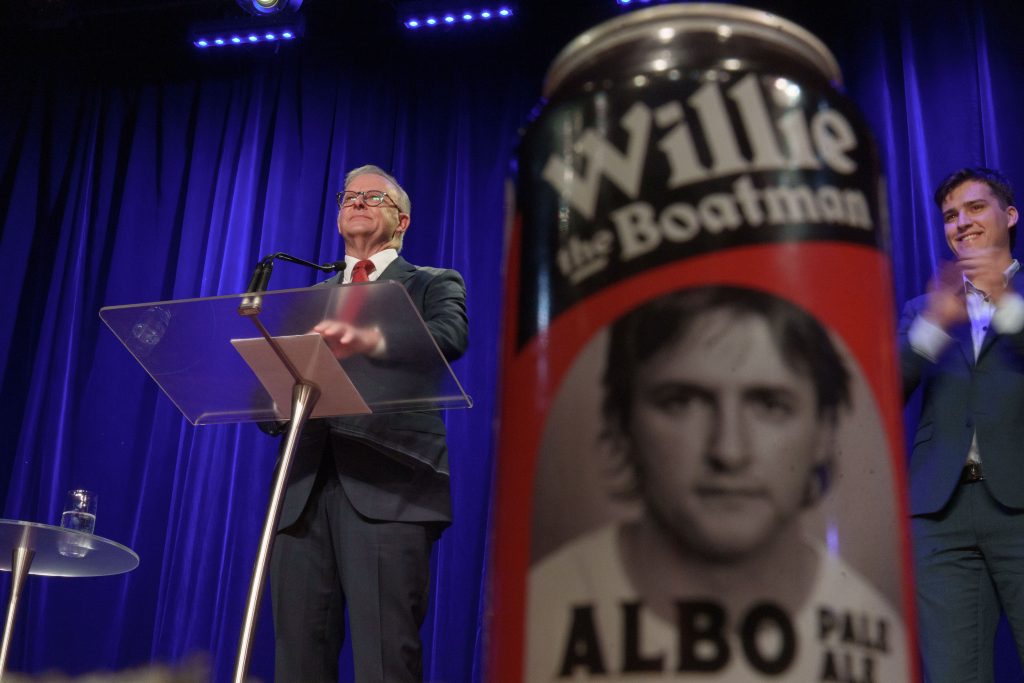
“We will work every day to build a country that gives everyone a fair go—no matter where you come from or how long you’ve called Australia home,” Albanese stated. The election results are a testament to Australians’ desire for leadership that listens, acts, and builds a fairer future for all.
As the Albanese government begins its second term, it faces a strong sense of momentum and high expectations from the electorate, which has chosen hope over fear, and progress over division. The next chapter of Australian politics is now set to unfold under the leadership of a government committed to fairness, unity, and sustainable growth.