

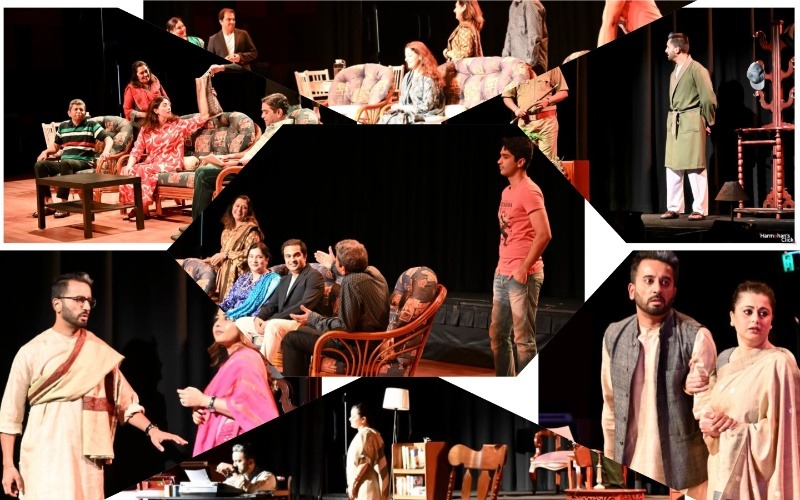
On the 14th and 15th of June 2025, Preksha Art & Culture Inc, a dynamic Sydney-based theatre group, brought the stage alive with Mask & Muses—a vibrant, weekend-long celebration of storytelling at The Pavilion Theatre, Castle Hill.
Spearheaded by Rushi Dave, Bobby Mallick, and Rima Sen, the festival was a celebration of cultural connection through the dramatic arts, presenting four dynamic plays in a range of two languages. Over sixty debutant actors, backstage professionals, and directors contributed to this rich tapestry of live performance, reflecting a strong spirit of collaboration and inclusivity.
Dhundh: A Descent into the Shadows of the Mind
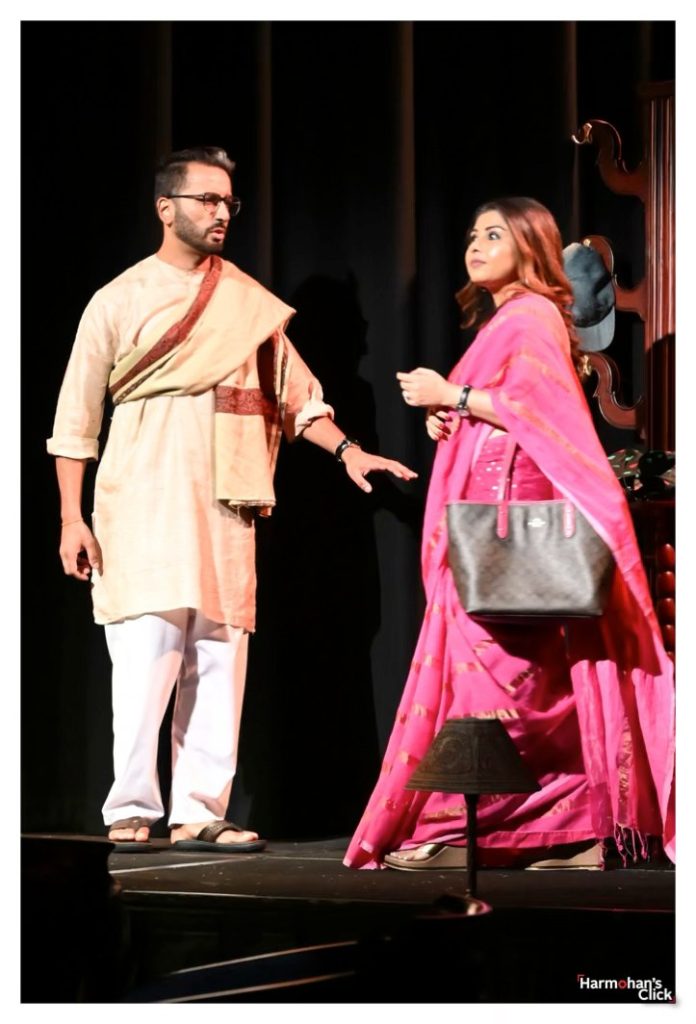
The festival opened with Dhundh, a gripping psychological drama based on Utpal Dutt’s acclaimed 1960 Bengali play Megh, adapted in Hindi by the distinguished Saba Zaidi Abdi of Adakar Theatre and Cultural Group, staged in collaboration with Prekshaa Theatre.
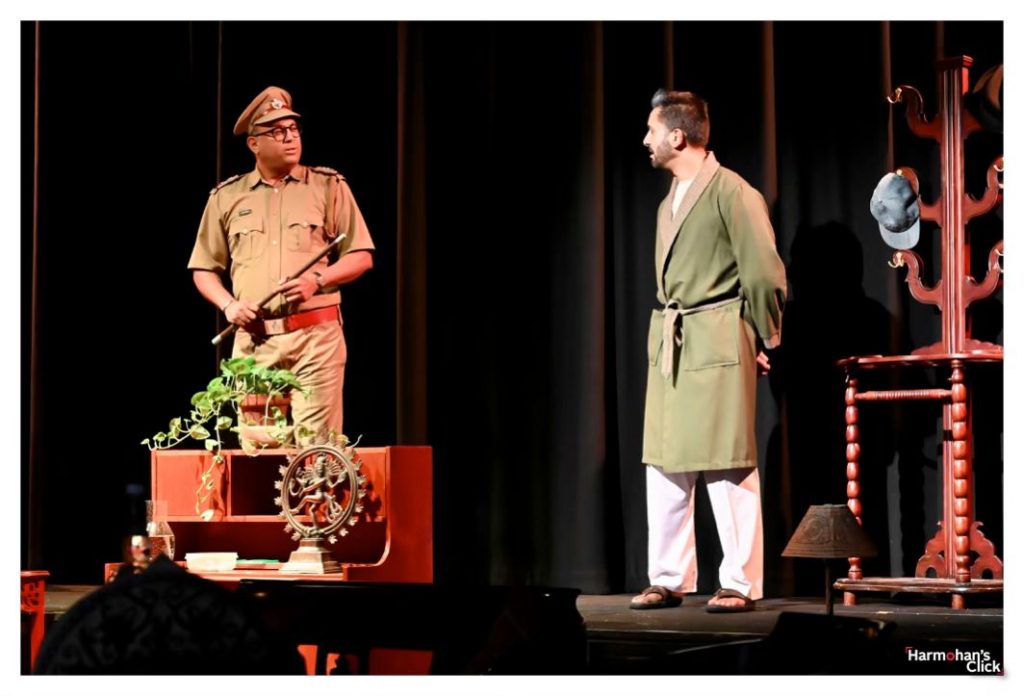
This evocative adaptation plunged deep into the delicate terrain of mental illness, where the boundaries between reality and delusion begin to blur. At its centre is Samaresh (portrayed with remarkable nuance by Akshat Gupta), a celebrated writer wrestling with schizophrenia while attempting to finish a crime thrillar. His emotional world begins to unravel with the arrival of Sujata (Joyeeta Ghosh), his vibrant yet haunting college sweetheart, whose presence triggers a spiral of suspicion, paranoia, and guilt.
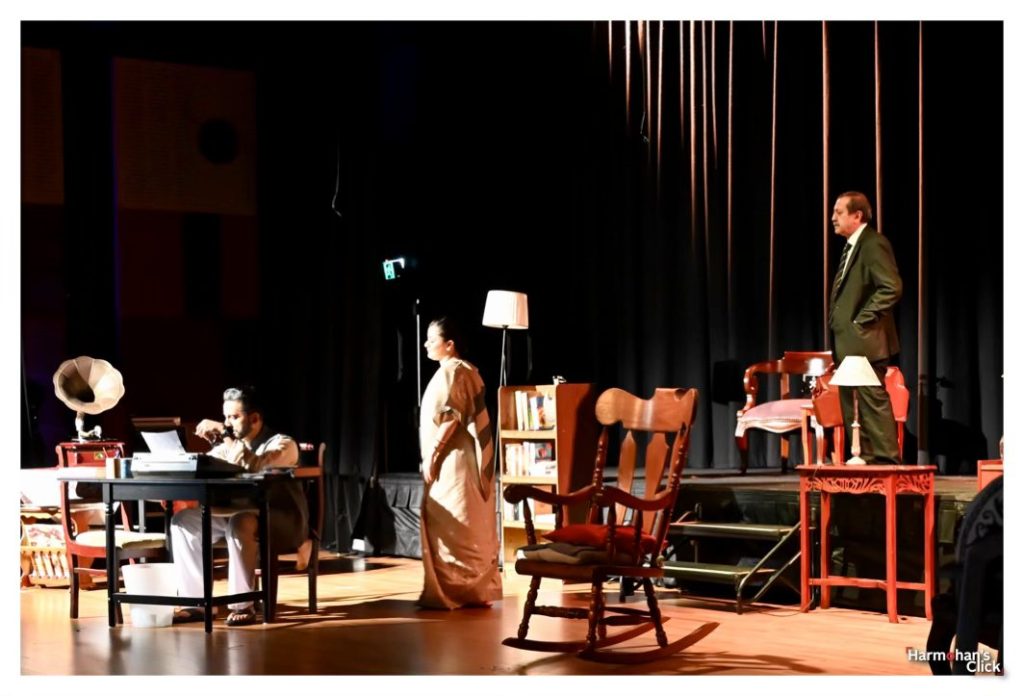
As Samaresh’s mental state deteriorates, his devoted wife Madhuri (Aparupa Samanta) and his doctor (Smarajit Dey) struggle to discern truth from fantasy. The tension heightens with the intervention of a local inspector (Amitavo Sen), leading to the chilling belief that Samaresh may have killed Sujata.
The cast delivered riveting performances, particularly Gupta, whose portrayal of psychological torment was both vulnerable and intense. Samanta offered a grounding counterpoint as Madhuri, while Ghosh’s Sujata flickered between memory and mystery.

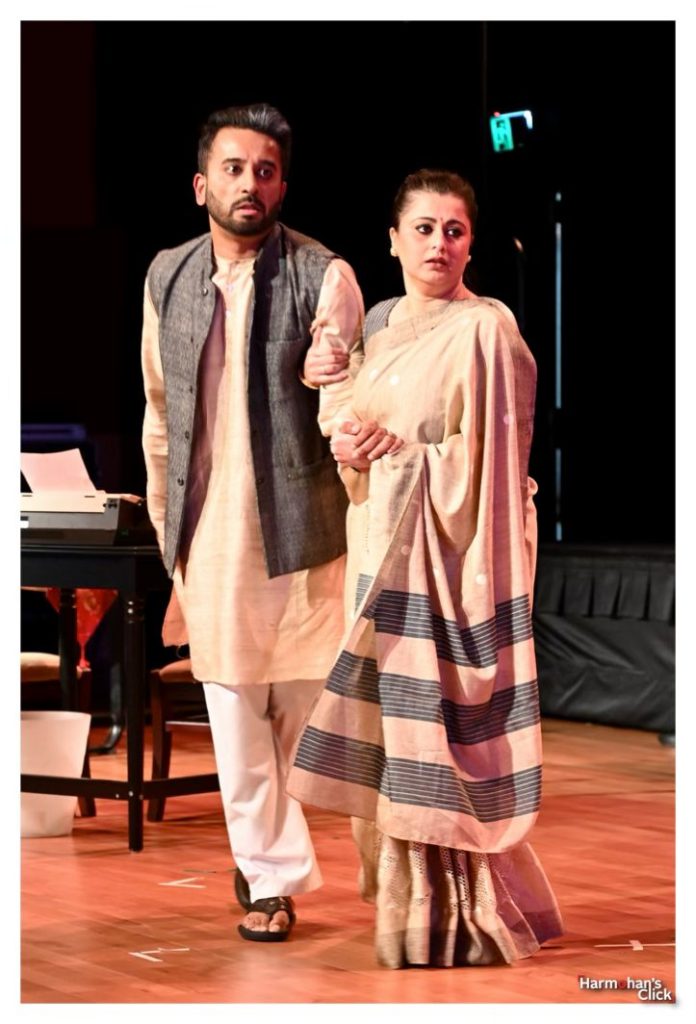
The production was technically impressive, with Sumathi Krishnan’s evocative music, Ajay Benerjee’s atmospheric lighting, and the immersive sound design by Naishadh Somaiya and Abdul Sajwani all coming together to create a haunting and layered experience. Saba Zaidi Abdi’s direction was precise, transforming Dhundh from a play into a visceral journey through a fragmented mind. It was only unfortunate that some late arrivals caused disruptions during the opening scene—highlighting the importance of audience punctuality for such immersive performances.
Akanksha: A Quiet Revolution in Questioning Freedom
Second play Akanksha, written by Shatadip Som, offered a contemporary social reflection on the notions of freedom, choice, and empowerment—especially for women in today’s world. With Akanksha, director Saurabh Datar made a confident and thoughtful debut, handling complex themes with grace and sensitivity.
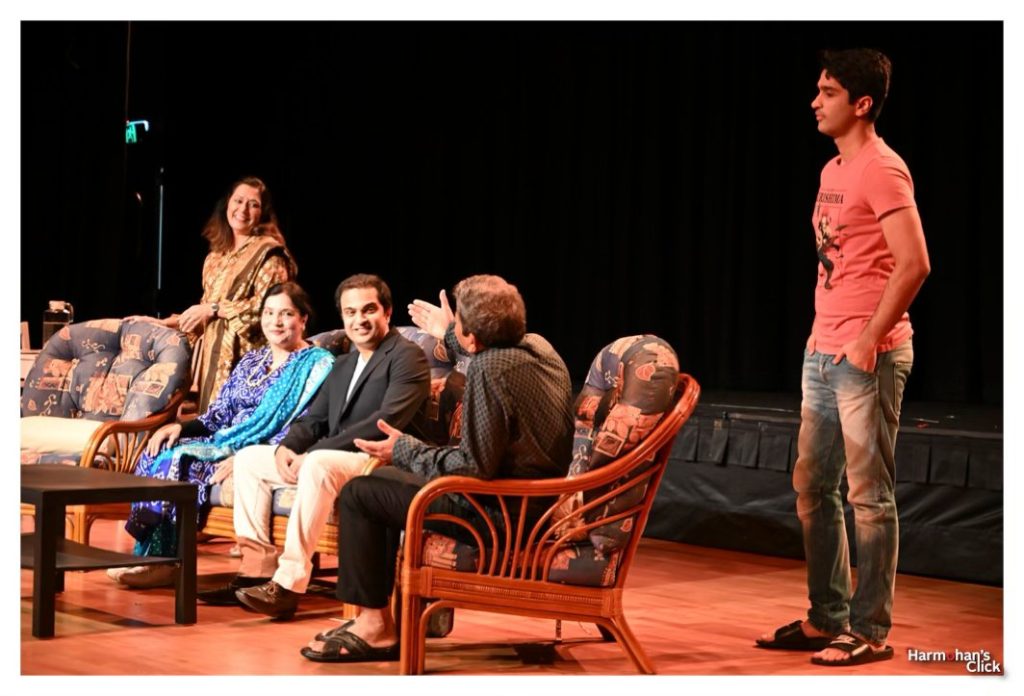
At its heart is Akanksha, a young woman played with exquisite authenticity by Sarwat Zahra. Unlike the stereotypical ambitious careerist, Akanksha longs for a quiet domestic life—but her aspirations collide with modern ideals that equate empowerment solely with professional success. Her quiet rebellion unsettles not just her prospective grooms but also their mothers, revealing the irony of a society that promises freedom while merely redefining the boundaries of conformity.
The play’s emotional depth is balanced by moments of wit and warmth, particularly through Akanksha’s brother (played by Aryan Nanda), whose comic timing and honesty provided refreshing contrast and insight.
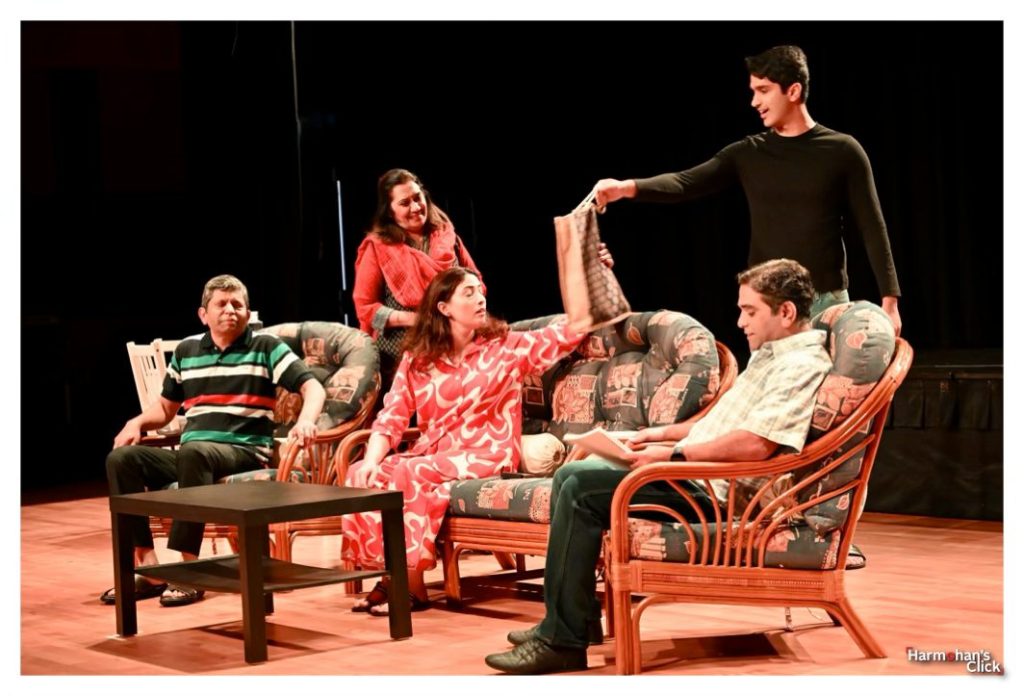
A strong ensemble cast—including Seemita Mitra, Saral Somaiya, Neela Bhole, Namita Matani, Ajay Kumar, and others—gave the world of Akanksha its richness and emotional complexity. The technical finesse was evident in Naishadh Somaiya’s sound design and Ajoy Prabhati’s lighting, while backstage coordination by Abbas Zaheer and Vishwesh Bapat ensured seamless transitions in this layered narrative.
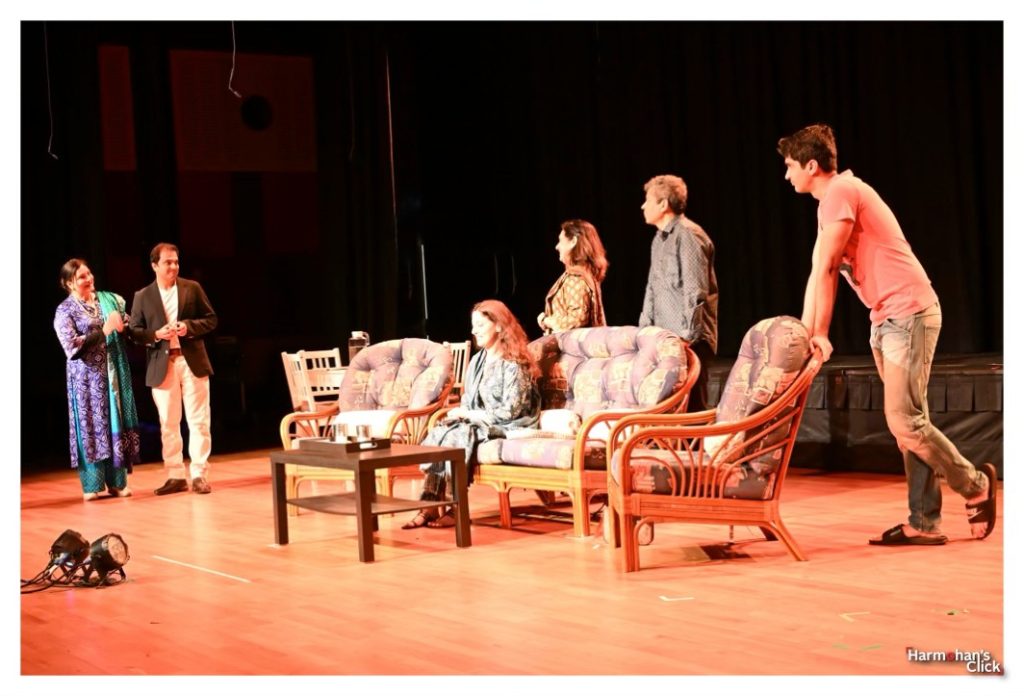
Both plays played to full houses, with Dhundh immersing the audience in a tense psychological thriller that explores the fragile boundaries between reality and mental illness, while Akanksha offers a subtle yet powerful social commentary on personal freedom and societal expectations, especially for women. Each production captivates through authentic performances and sensitive direction, engaging viewers in distinctly different emotional and thematic journeys.
The organisers at Prekshaa Theatre explain, “Our vision has always been simple — to celebrate theatre in all its voices, languages, and forms. We champion local storytellers and keep ticket prices affordable, ensuring more people can experience the magic of live performance. Even in an age increasingly driven by technology and AI, we believe the stage continues to speak to something timeless and deeply human.”