Western Sydney recently witnessed an artistic landmark that went far beyond performances. While The Sydney Morning Herald reported the launch of the Western Sydney Plan for Arts, Culture and Creative Industries — 25 years after Bob Carr introduced Labor’s first western Sydney cultural strategy — something equally historic was happening in Parramatta. Now the proposal for $250 million dollars upgrade with 1,500 capacity Broadway-style lyric theatre to be designed for the Riverside Theatre, Parramatta.
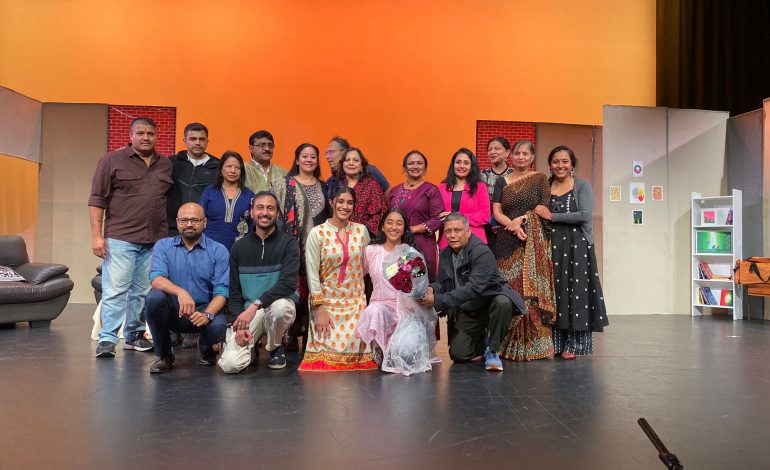
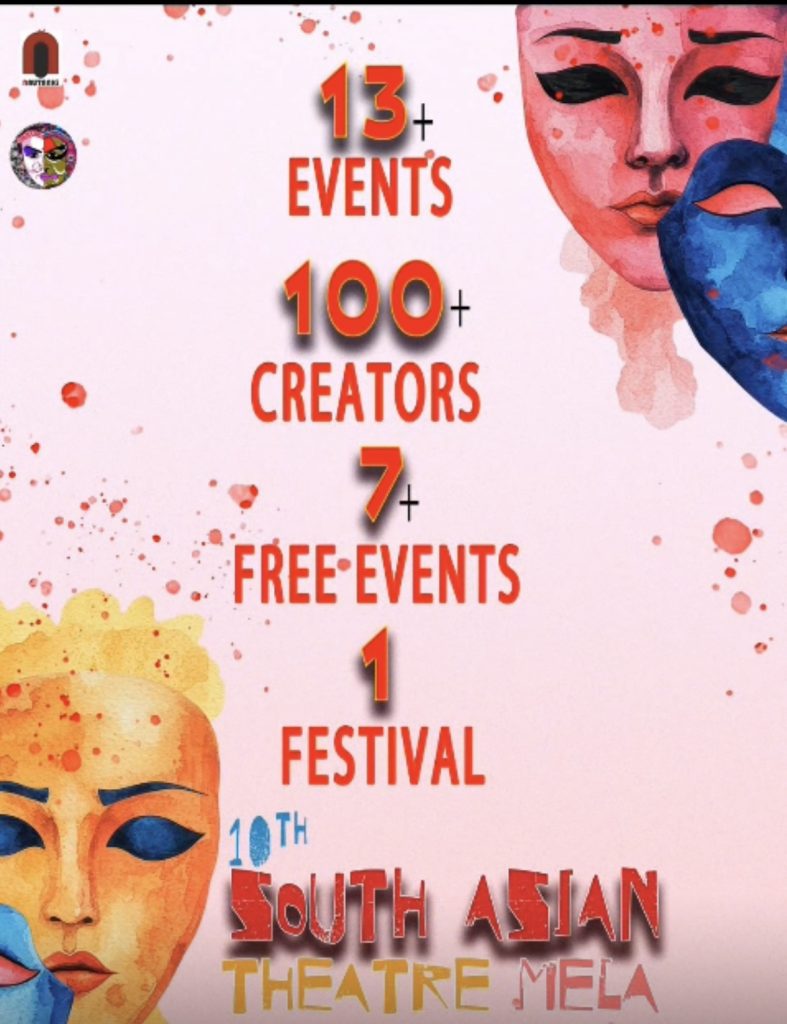
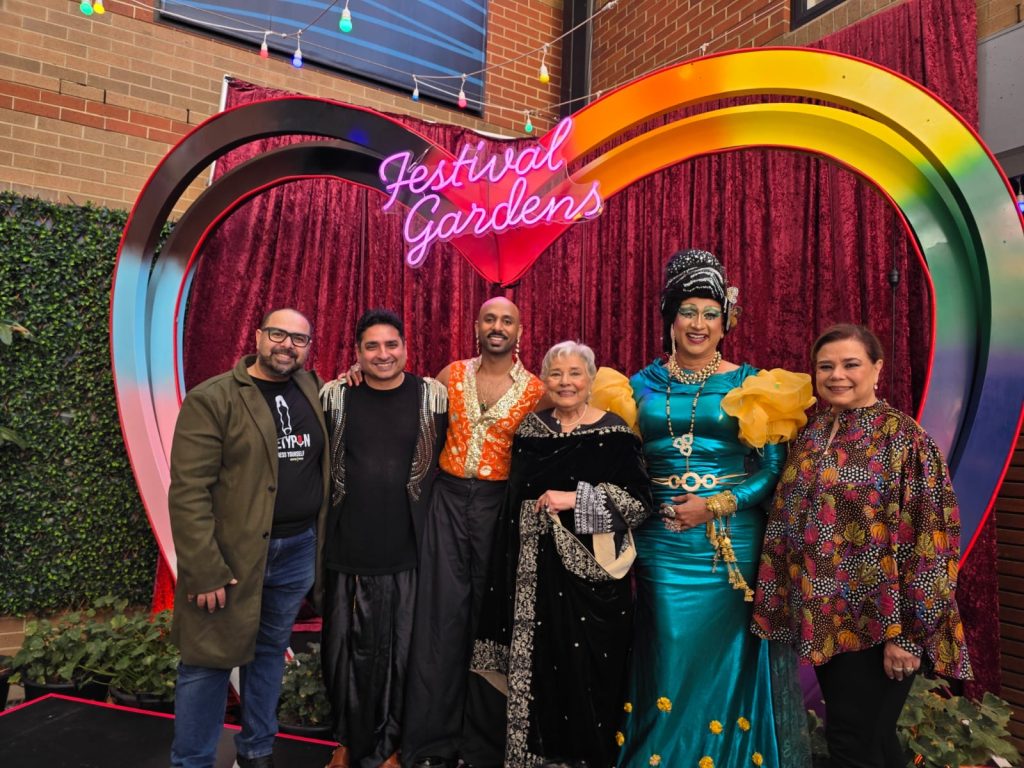
In the same Riverside Theatres, Parramatta, 10th South Asian Theatre Mela, curated and directed by Neel Banerjee of Nautanki Theatre, unfolded over four spectacular days. Supported by the City of Parramatta Council, Multicultural NSW and Create NSW, the festival was a vibrant showcase of South Asian creative expression — featuring theatre, dance, storytelling, literature, and more. With performances by both local and international artists from Bangladesh — it was a true celebration of shared culture, language, and identity.
Special highlight was the inaugural Ernest Thalayasingam MacIntyre Award, presented to Mr. Gandhi Macintyre (contributions to the arts) and sponsored by Global Impact Initiative (GII).
Theatre that Confronts
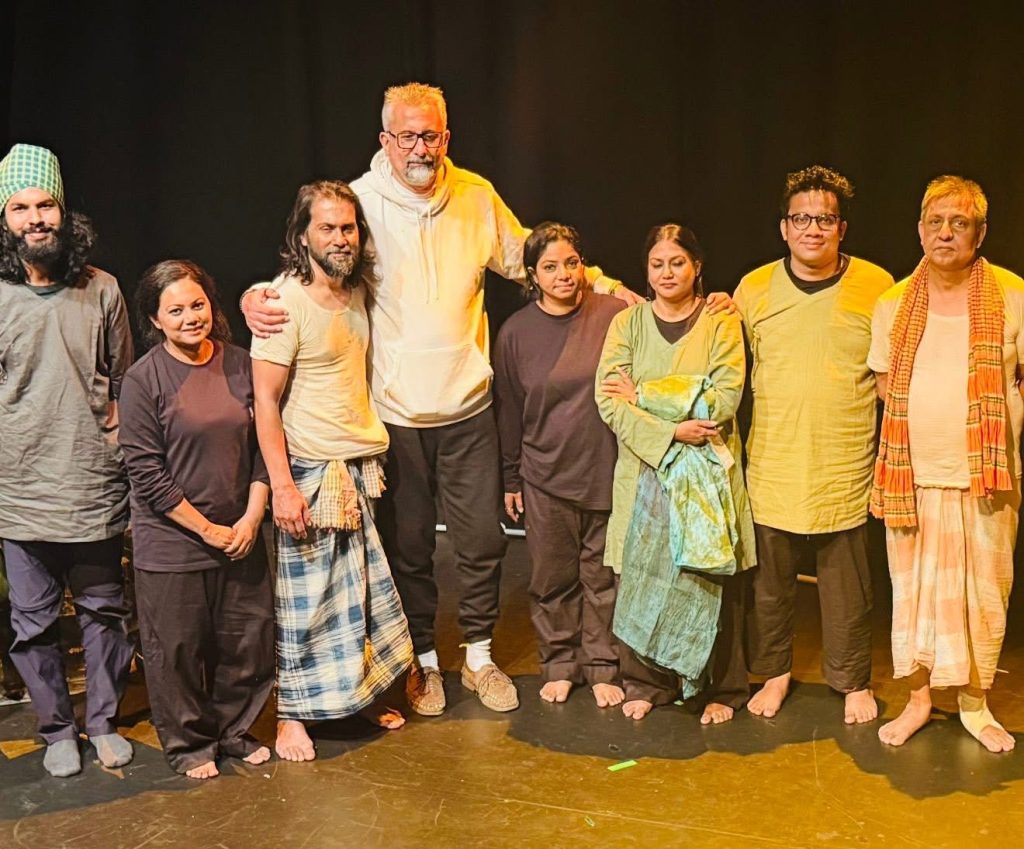
One of the most unforgettable moments for me was attending the powerful play Kameeni in Lennox Theatre, written and directed by Abida Malik. I watched it with my wife, Jane Wilkins, and we were both profoundly moved. Kameeni told the truth about South Asian migrant experiences such as domestic violence, forced young marriages and sexualised abuses. The eternal question, “What will people say?” was exposed with great sensitivity on stage to highlight the challenges of immigrants’ life. After watching the drama, the question came to my mind was – Why asking for help to fix mental health crisis is so full of prejudices for any first generation ethnic background migrants? I feel definitely one of the solution can be kindness which is an excellent antidepressant.
This wasn’t just theatre. A mirror held up to society. Amongst the performances were Cyra Nashiwan , Madiha Khan, Maanav, Sheni Iqbal Sohail Shanker, Mariah H-Ibn , Sadia Jamil, Khurram Qaisar, Sabina Saleem and Sara Mirza. It gave me shivers to watch the raw, reflective and riveting play.
The Magic of Storytelling

Another standout was the performance of Khowaj Khizr Er Sinduk, written by the talented Faijul Islam. It was a beautiful blend of visual art and heartfelt storytelling. The script, brought to life with creativity and passion, left a lasting impression on the audience. Sydneysider Basab Roy had enjoyed the play throughly which he updated in his social media update.
And then came SafetyPin — now in its 11th edition — a powerful open mic that centred community healing through personal stories. It was nothing short of sacred. Brave voices took to the mic with honesty and vulnerability. Thank you to every storyteller who made the space what it was — a place of connection, catharsis, and care. The Riverside Theatre foyer became exhibition space for Avijit Sarkar’s illustrations. Nautanki’s Spark Initiatives saw a collaborative artwork by emerging South Asian artists.
Voices of Women and the Power of Light
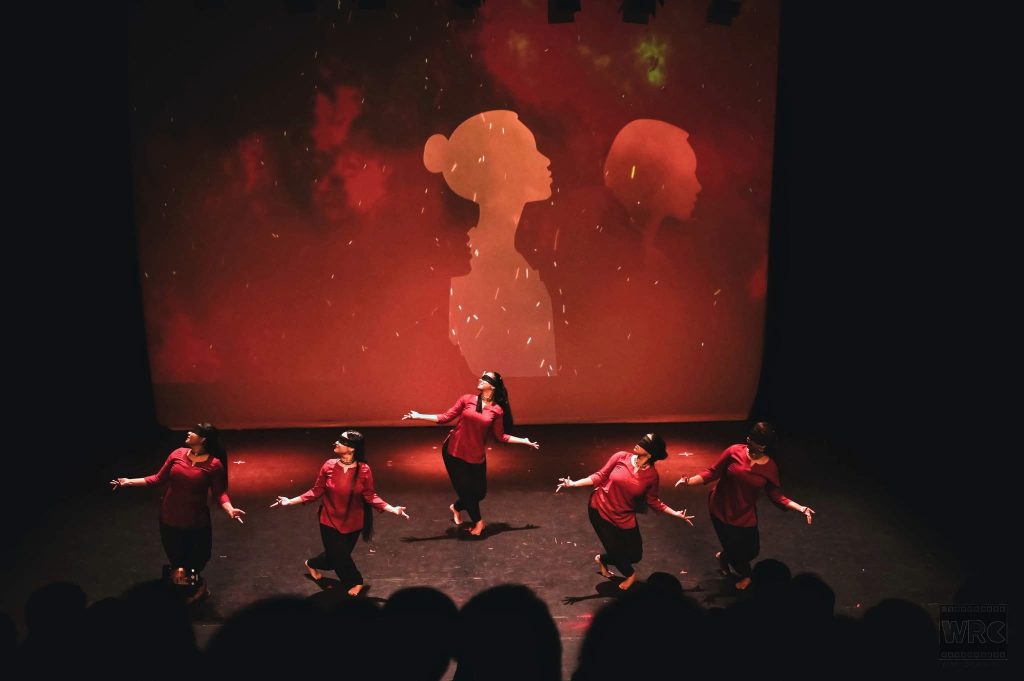
The Inara Ensemble brought forth Tilottoma (Tumi Shunte Paccho?) — a searing tribute to women who endure pain in silence, brushed off as “just another case.” Priya Chakrabarty who danced, choreographed and was the co-play writer, is a powerhouse of all things creative in Sydney. In a world that still expects women to apologize for their way of life, Priya Chakraborty is the resounding refusal. She is the woman who lives out of defying convention. She felt the pain when in 2024, the lifeless body of a junior doctor was found in the seminar room of the very hospital she worked, brutally assaulted, gang-raped and murdered in Kolkata, India. It is disappointing to even read about such violent tragedies against women in 21st century. The emotional weight of the performance was perfectly amplified by Ajayangshu Banerjee’s lighting design and Sandipan Chaudhuri’s stunning visuals.
Words, Wit, and Literary Warmth
This year also introduced audiences to BOOKTALK -Saman & Shiny by Batayan, a Bengali literary magazine featuring writers from around the world. The team — Balarka Banerjee, Sydney and Anusri Banerjee from Perth — did a phenomenal job curating and presenting this segment. Balarka’s introductions of the writers were thoughtful, personal, and engaging as authors signed books for the readers.
The festival also served up a fabulous comedy featuring three South Asian queer besties navigating life in their 30s, 40s, or maybe 50s — written and performed by Kashif Harrison, Sheila Dickshit, and Kaizad Panthaki. Their chemistry, humour, and boldness made this performance an instant crowd favourite. South Asian acceptance of queer culture is becoming more visible in Sydney.
A Community Reunited Through Art
As Naziha Minto beautifully summed up: “Neel Banerjee, a big congratulations and heartfelt thanks for organising such a wonderful theatre festival! I had the pleasure of attending two shows, and both were absolutely amazing. A true testament to the talent, dedication, and hard work that went into every detail.” I couldn’t agree more. Kudos to Neel Banerjee, Taufeeq Ahmed Sheikh, and every volunteer, artist, and storyteller who made this festival possible. The event also included Double Bill (dance/drama), Unscripted by Uzma Gillani, Dance of India, Voice of Tomorrow ( Kids Band) and folk songs by Jakir Hossain.
You gave us more than entertainment — you gave us connection, truth, and joy.
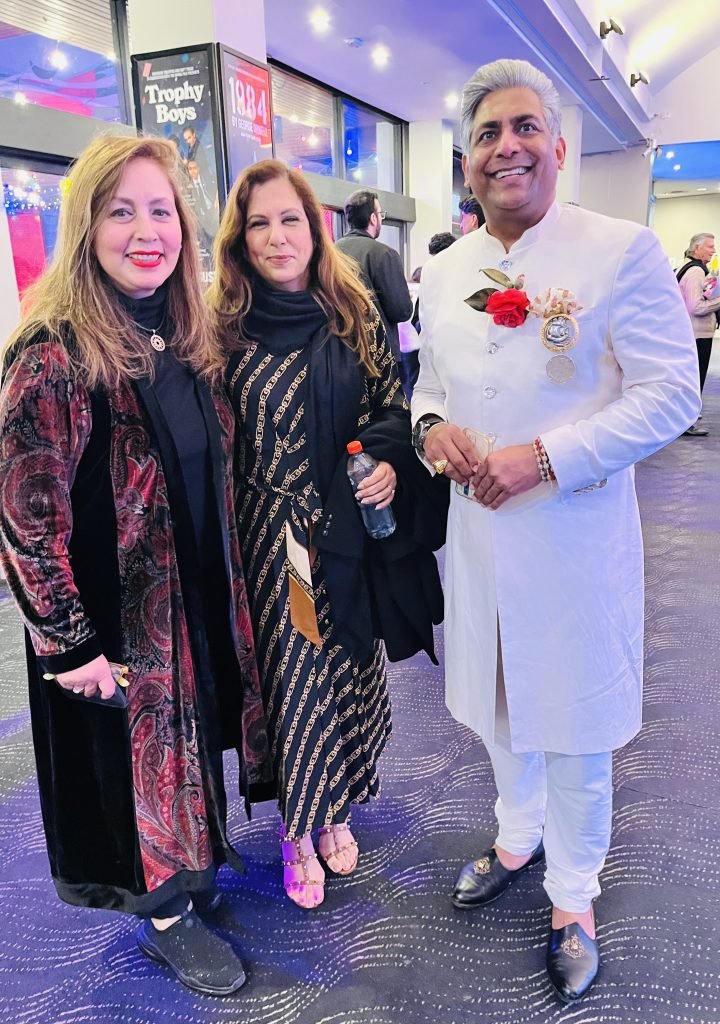
At the event, I had the joy of meeting Meena, who was attending with her husband. Her life — born in Chittagong, Bangladesh, married to a Pakistani, and tied by family to Madhya Pradesh, India — reflects the multicultural blend that defines South Asia. As she spoke in fluent Bengali language to me, she shared love for Bengali sweets like chamcham and rosogolla made me feel at home. In many ways, she embodied the spirit of the festival — multiple cultures, one heart. And attendees like my wife Jane Wilkins from the Anglo Australian society loved the fact that Parramatta has become a true melting pot of cultures.
The 10th South Asian Theatre Mela was not just an event — it was a successful celebration of who we are. I walked away feeling deeply seen, inspired, and proud to be part of a community that speaks, sings, and tells its stories with such soul.