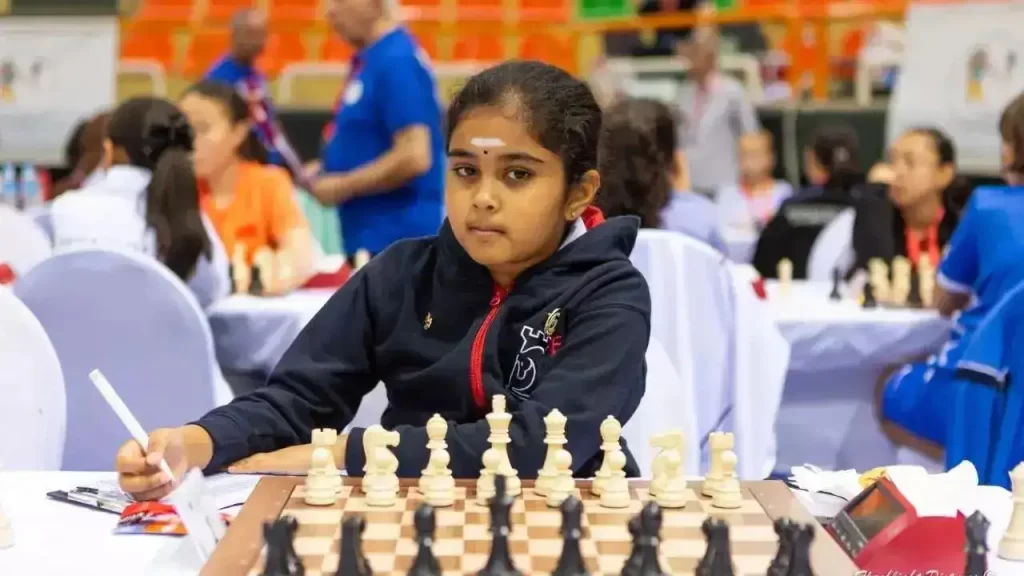
The world of chess witnessed a groundbreaking moment this month when 10-year-old Bodhana Sivanandan, a prodigy from northwest London, etched her name into history books. At just 10 years, five months, and three days old, she defeated veteran grandmaster Peter Wells in the final round of the 2025 British Chess Championships in Liverpool — becoming the youngest female player ever to beat a GM in competitive play.
Her win shattered the previous record set in 2019 by American player Carissa Yip, who was 10 years, 11 months, and 20 days old when she achieved the feat. The International Chess Federation (FIDE) hailed Bodhana’s performance as a “landmark moment” that has redefined possibilities for young female players in the game.
From Lockdown Hobby to Global Stage
Bodhana’s story is as remarkable as her victory. Born in Harrow to Indian-origin parents with no background in chess, she first encountered the game at age five during the Covid-19 lockdown, when a family friend gifted her a bag of toys and books — one of which happened to be a chess set. What began as an attempt to use the pieces as toys quickly turned into a life-changing passion.
Her rise has been meteoric. In 2024, she became the youngest athlete ever to represent England internationally in any sport, when she was selected for the women’s team at the Chess Olympiad in Hungary. That same year, she stunned the European chess circuit by winning the top female prize at the European Blitz Championship in Croatia — all at just eight years old.
Historic Win and New Title
Defeating Wells, a respected 60-year-old GM, not only made headlines but also earned Bodhana the coveted title of Woman International Master (WIM). This places her just two steps below the ultimate rank of grandmaster, held by legends such as Magnus Carlsen and India’s reigning world champion Gukesh Dommaraju.
International Master Malcolm Pein, who runs the charity Chess in Schools, praised her composure and brilliance:
“She’s blazing a trail for girls and could easily become Women’s World Champion — or perhaps even overall World Champion. She’s certainly on course to be a grandmaster.”
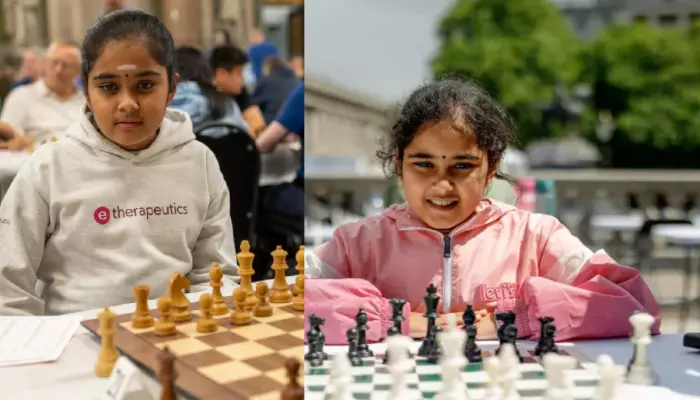
Inspiring the Next Generation
Bodhana’s achievement is inspiring a wave of excitement, especially among young girls entering a sport historically dominated by men. Her father, Siva, proudly noted that chess had never been part of their family’s background:
“Nobody at all in our family was good at chess. We’re just delighted and hope she enjoys the journey.”

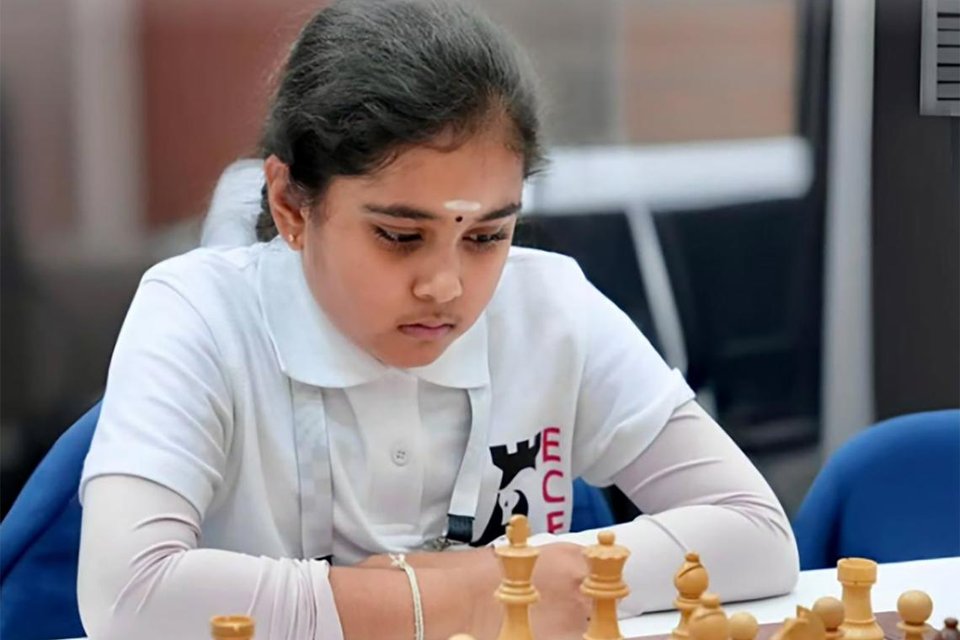
Despite the global attention, Bodhana remains remarkably grounded. She credits chess with improving her maths and memory skills and insists that she plays because it brings her joy. Her dream is simple yet ambitious: “To become a grandmaster one day.”
A Global Pattern of Young Talent
Bodhana’s feat also resonates with a broader trend of young chess prodigies making history. Earlier in 2024, Ashwath Kaushik, an Indian-origin player from Singapore, became the youngest male ever to defeat a grandmaster in classical chess at just eight years, six months, and 11 days old, when he beat GM Jacek Stopa in Switzerland.
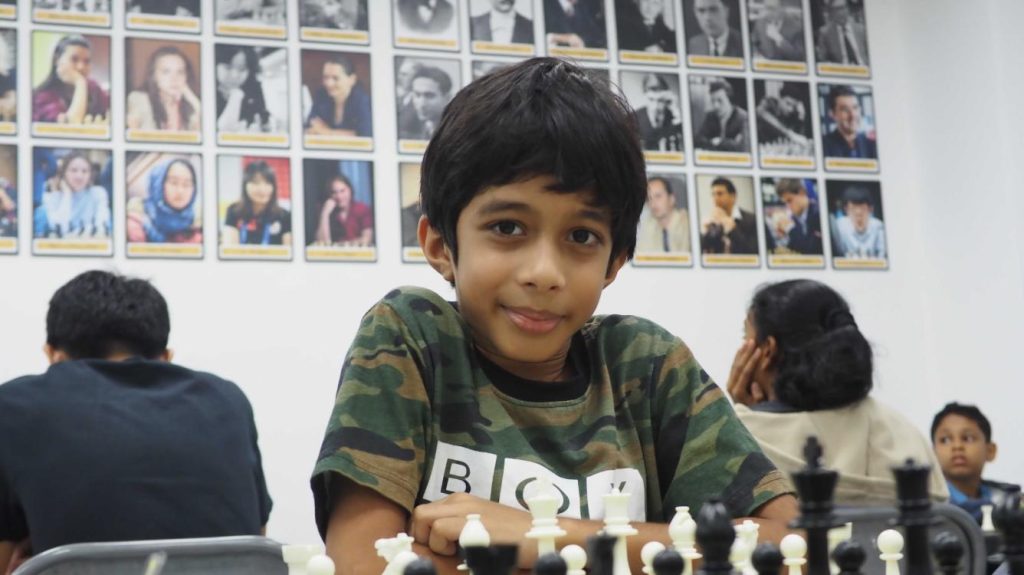
With Bodhana’s record-breaking triumph, the spotlight is firmly back on the next generation of players — many of whom are rewriting what is possible in chess before they even reach their teenage years.
As she continues her journey, one thing is clear: the name Bodhana Sivanandan will be remembered as a trailblazer in modern chess, and her story has only just begun.