There was a time when Donald Trump and Narendra Modi seemed inseparable on the global stage. The world still remembers the “Namaste Trump” rally in Ahmedabad, where more than 100,000 people filled the stadium, waving flags and cheering as both leaders praised each other in glowing terms. Back then, Trump called Modi “one of my best friends” and promised that the United States and India would enjoy “the best ever” relationship. For many Indians and members of the diaspora, this bond represented a historic moment of recognition and pride.
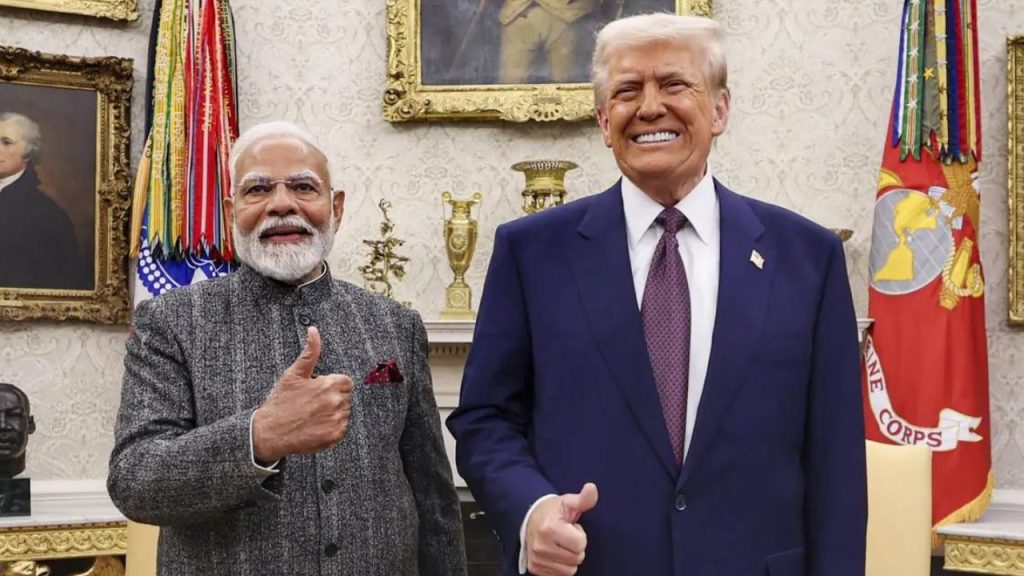
Yet, within just a few years, that friendship began to unravel. Cracks first appeared in the economic sphere, when Trump imposed steep tariffs on Indian imports—higher even than those levied on China. The move shocked New Delhi and created a sense of betrayal, especially since it came so soon after Modi’s visit to the U.S. Adding to the unease, Indian citizens were deported in humiliating fashion, with some flown back on military planes. It was a symbolic moment that suggested Washington’s promises of friendship might not translate into fair treatment.
"After telling Modi that he would travel to India later this year for the Quad summit, Trump no longer has plans to visit in the fall, according to people familiar with the president’s schedule." As of today, the Quad Summit seems to be on shaky ground. https://t.co/pxej2JdzO9
— Kabir Taneja (@KabirTaneja) August 30, 2025
The real turning point came when Trump overstepped on one of India’s most sensitive issues: Kashmir. By claiming he could mediate between India and Pakistan, he crossed a diplomatic red line. Successive Indian governments have always insisted that Kashmir is a bilateral matter, never to be discussed with outsiders. Modi’s silence at the time was telling, but the trust had already begun to fray.
Heartiest congratulations my friend @realDonaldTrump on your historic election victory. As you build on the successes of your previous term, I look forward to renewing our collaboration to further strengthen the India-US Comprehensive Global and Strategic Partnership. Together,… pic.twitter.com/u5hKPeJ3SY
— Narendra Modi (@narendramodi) November 6, 2024
Tensions deepened further over energy and trade. As India continued to import Russian oil during the Ukraine conflict, Trump accused New Delhi of profiting from Moscow’s war. He slapped tariffs of up to 50 percent on Indian goods, escalating economic pressure. At the same time, he began warming to Pakistan, praising its counterterrorism efforts and pursuing business opportunities there. For India, the optics were devastating—America’s “best friend” was suddenly leaning toward its oldest rival.
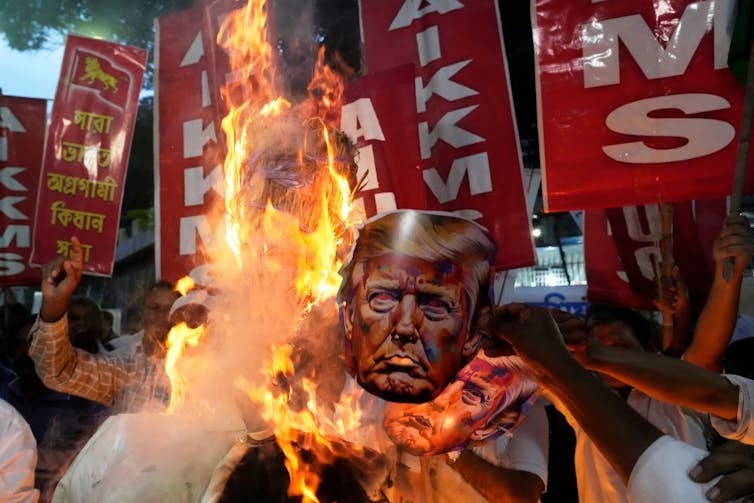
Former U.S. National Security Advisor Jake Sullivan later revealed that Trump’s choices were driven more by personal business interests than strategic calculations, calling the decision to sideline India a “huge strategic harm.” This sense of betrayal forced Modi to recalibrate his foreign policy. India began leaning more heavily into partnerships with China and Russia, joining them in high-profile settings like the SCO summit, and signaling that it would not be dependent on American goodwill alone.
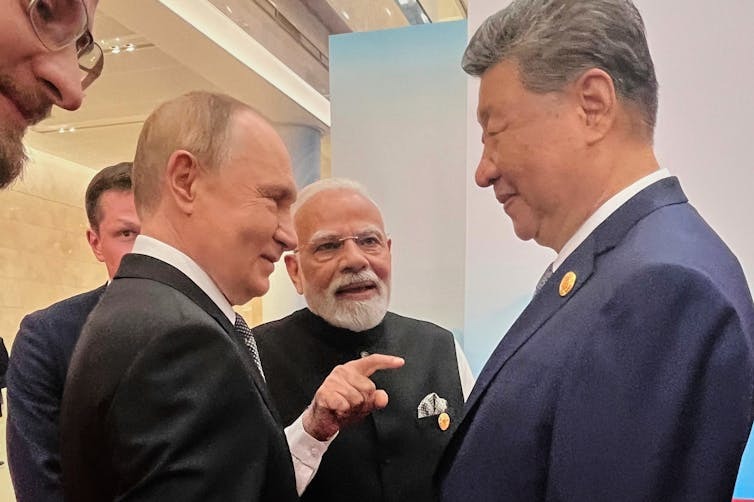
What had started as a highly public friendship, with stadium rallies and lofty declarations, slowly dissolved into a cold, pragmatic distance. Today, phone calls that once projected warmth and solidarity are replaced by silence, caution, and mistrust. For many Indians abroad, particularly in multicultural hubs across Australia, the unraveling of the Trump-Modi bromance serves as a reminder that in global politics, friendships are fleeting, and national interest always comes first.
This article was originally published on The Conversation.
Author: Ian Hall (Professor of International Relations, Griffith University)