
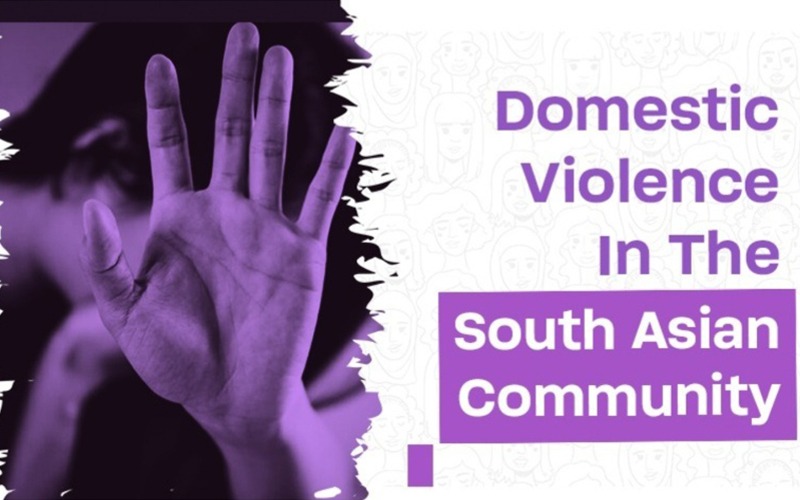
Domestic violence, including financial abuse, is prevalent in South Asian communities. Studies show that rates of domestic violence in South Asian populations can reach 30–40%, higher than broader population averages. Financial abuse often intersects with cultural norms and family dynamics that discourage disclosure and help-seeking.
Cultural expectations and stigma can make it difficult for South Asian women to seek support. Pressures to stay in relationships, fear of social consequences, and limited access to culturally sensitive services can leave victims feeling isolated. This makes recognising and addressing financial abuse in South Asian communities especially important.
Did you know?
Women in South Asian communities may face unique barriers, including visa constraints and fear of community backlash, making professional help both crucial and challenging to access.

The Impact on Mental Health and Why Leaving is Difficult
Victims of financial abuse often experience anxiety, depression, and post-traumatic stress disorder (PTSD). In fact, the likelihood of developing PTSD is seven times higher in financially abusive relationships. Over time, confidence and self-esteem erode, leaving victims feeling powerless.
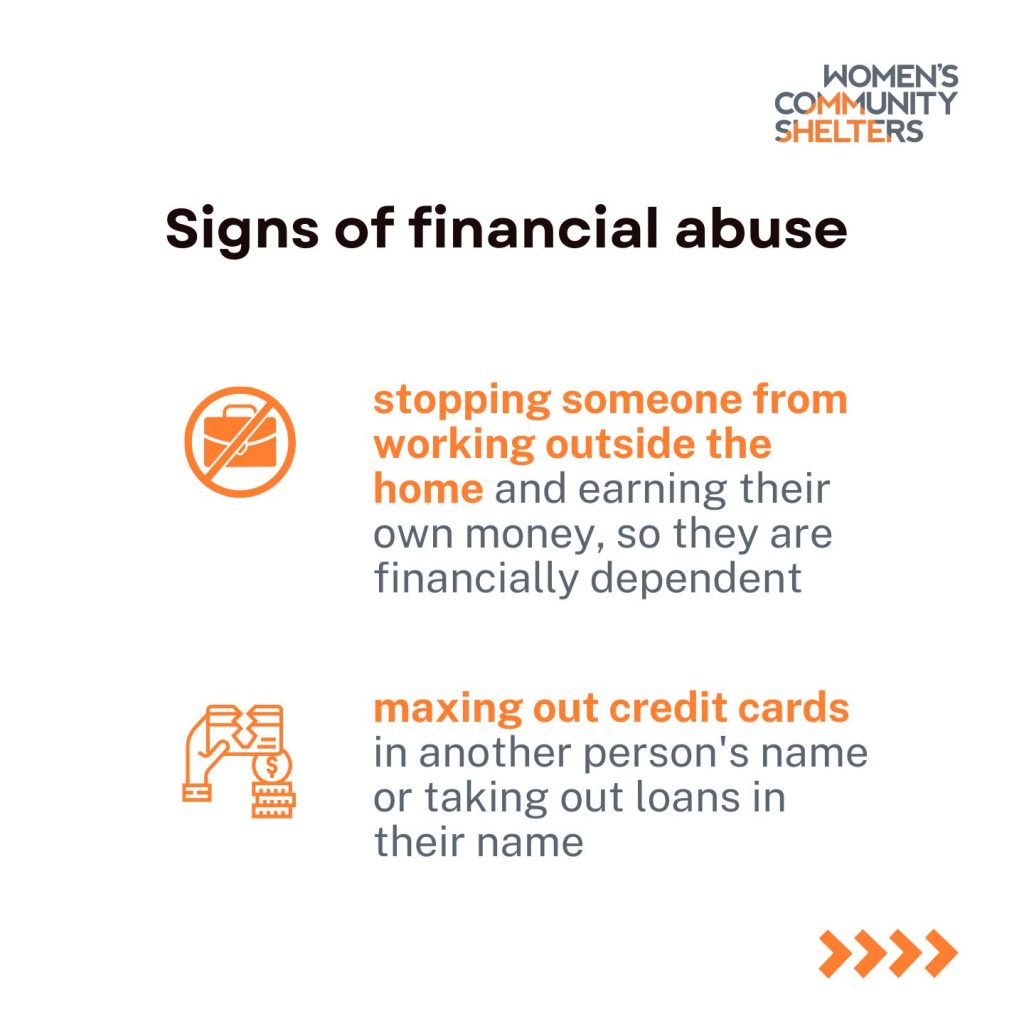
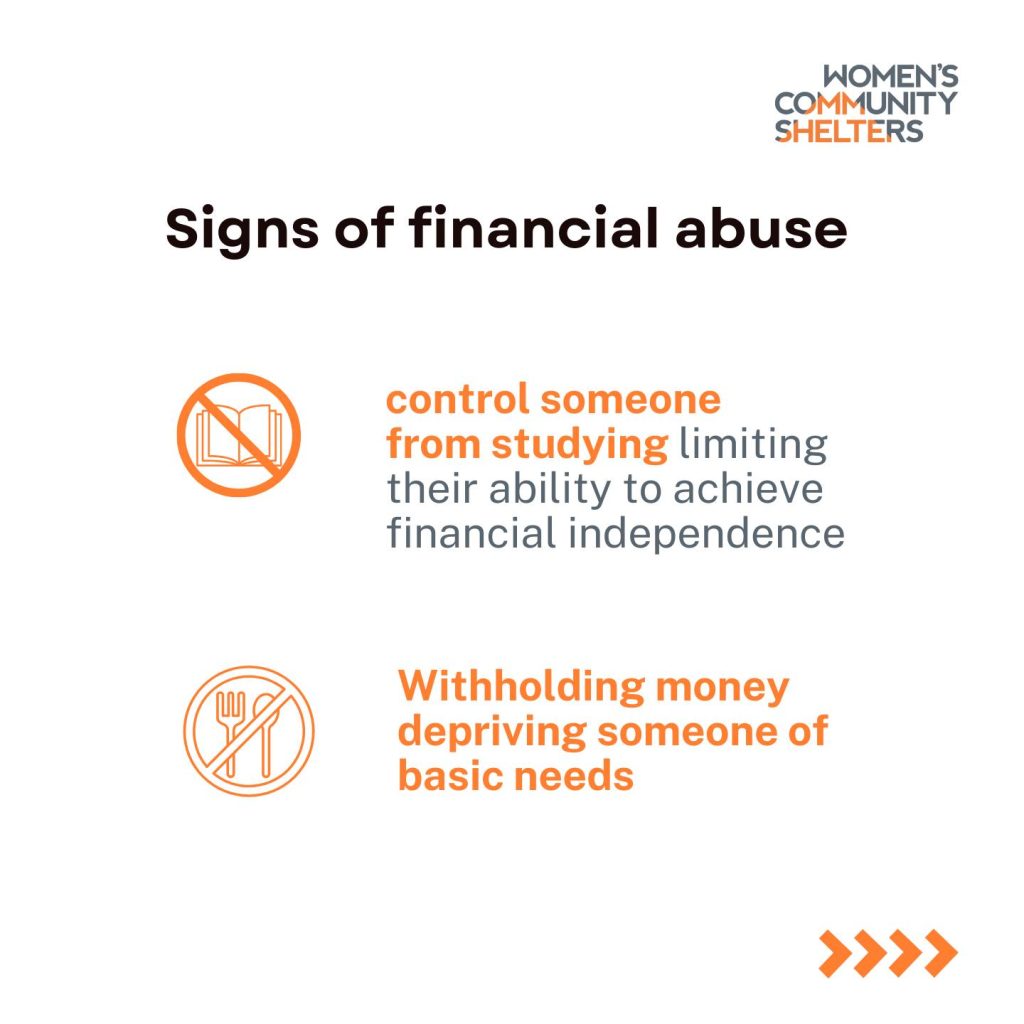
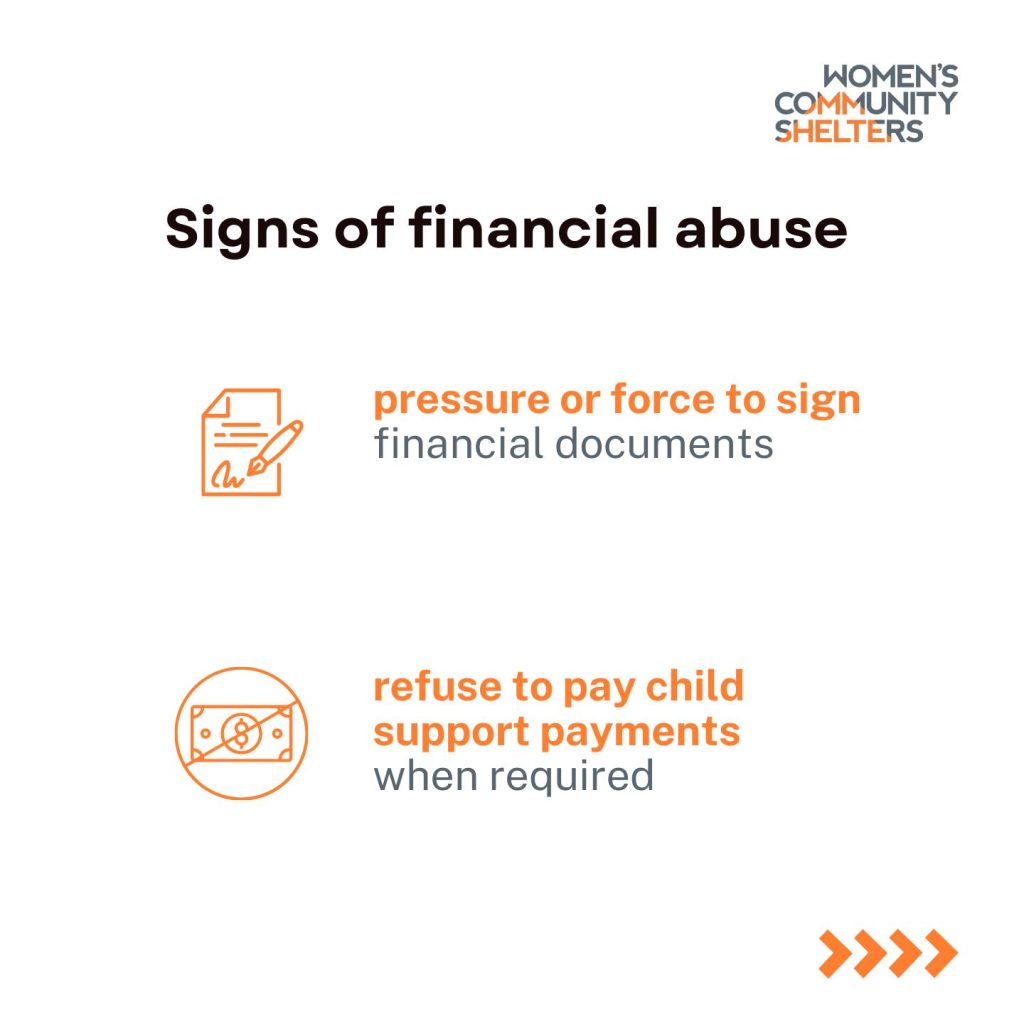
Financially, the effects can be severe: debts, poor credit histories, homelessness, or inability to afford essentials. Employment prospects are often sabotaged, and abusers may isolate victims by cutting off ties with friends and family or limiting transport and communication. Even after a relationship ends, abuse can continue through withheld child support, ongoing debts, or coercion.
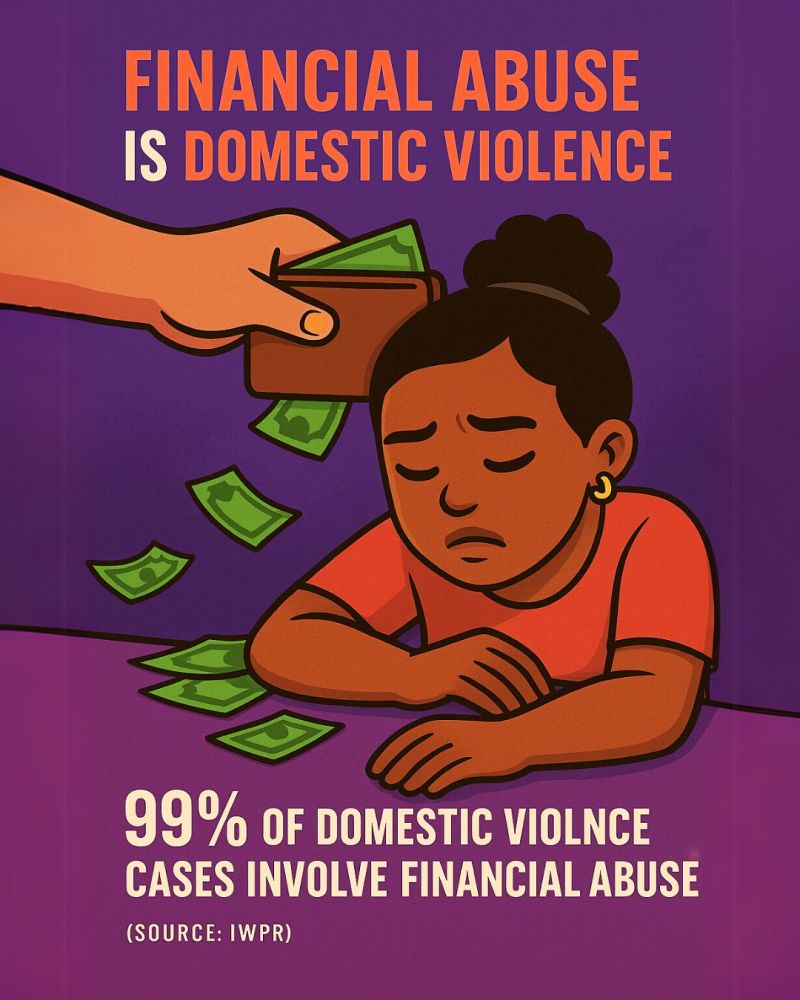
For many South Asian women, family support may be complicated by cultural expectations, social norms, and visa-related constraints. Limited resources, fear of returning to their country of origin, or community stigma can leave them feeling trapped.
Side Note:
Children exposed to financial abuse may carry its impact into adulthood—affecting mental health, education, and financial security.
Practical Steps to Protect Yourself
Regaining financial independence is vital for healing. Here are actionable steps:
Secure Your Information
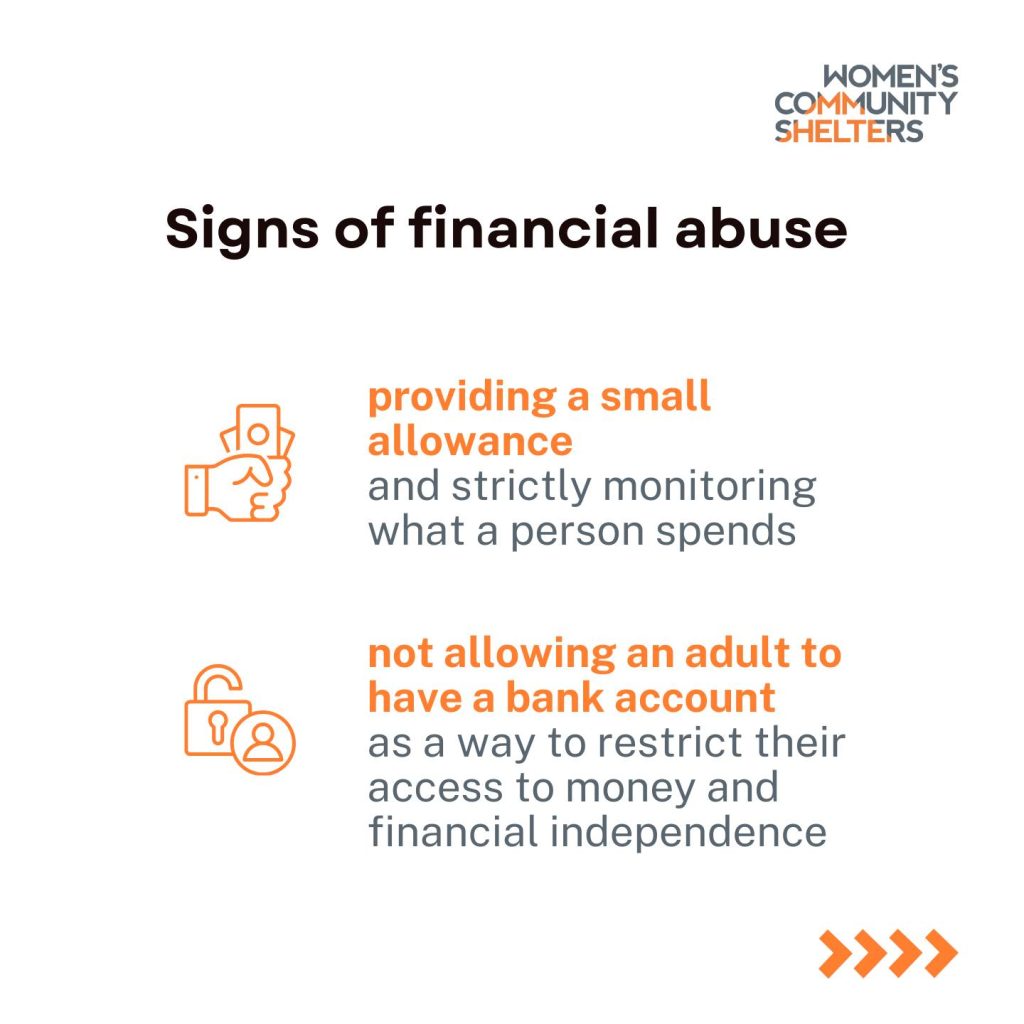
Keep bank cards, passwords, and financial documents safe. Change them if compromised.

Open Independent Accounts
Create private bank and email accounts accessible only to you. Put part of your salary in a secure account if you work.
Monitor Activity
Regularly check statements and report unusual activity immediately.
Store Important Records Safely
Contracts, IDs, passwords, and statements should be kept secure or sent to a PO Box/email only you can access.
Seek Support
Women’s health centres, legal services, domestic violence organisations, financial counsellors, and lawyers can guide your next steps.
Know Before Signing
Don’t sign contracts or loans without fully understanding them. Have a professional explain details if necessary.
Set Clear Boundaries Around Lending
Always put terms in writing, and remember you can always say no.
Create a Budget
Track income and expenses to restore order and long-term planning. Professionals can assist.
Educate Yourself
Learn warning signs and tactics of financial abuse.
Develop a Safety Plan
Secure accounts and assets before leaving. Trusted advisors can help plan the transition.
Engage Your Bank
Many banks offer protections like freezing accounts or flagging suspicious activity.
Keep a Record
Maintain a diary or log of incidents with dates, times, and details of abuse.
Talk About Finances Before Marriage
Ensure boundaries regarding income and financial independence, and watch for red flags.
Moving Forward
Financial abuse is about power and control, not just money. But with the right knowledge, support, and strategies, it’s possible to take back your power.
Whether you are still in an abusive relationship or rebuilding after one, help is available, and recovery is possible.
If you or someone you care about is experiencing financial abuse, reach out to a trusted professional, counsellor, or support organisation. The first step may feel daunting, but it can also mark the beginning of independence, safety, and freedom.
You deserve respect, stability, and a future where you control your life and finances.
If you or someone you know is experiencing financial abuse, help is available:
Australia-wide Support:
- 1800RESPECT (Domestic Violence Helpline): 1800 737 732 – www.1800respect.org.au
- Financial Counselling Australia: 1800 007 007 – www.financialcounsellingaustralia.org.au
- Lifeline: 13 11 14 – www.lifeline.org.au
– Shalina Lodhia

Shalina Lodhia
She is a counsellor and criminologist specialising in culturally sensitive, trauma-informed support for women and families affected by domestic violence.