India is making a notable strategic shift in its relationship with Afghanistan, moving toward greater diplomatic presence and cooperation after years of uncertainty following the Taliban’s rise to power. In recent days, key meetings between India’s External Affairs Ministry and Afghan leaders-especially Foreign Minister Amir Khan Muttaqi-have signaled New Delhi’s intention to upgrade its Kabul mission and deepen ties in areas such as trade, humanitarian aid, and regional security.
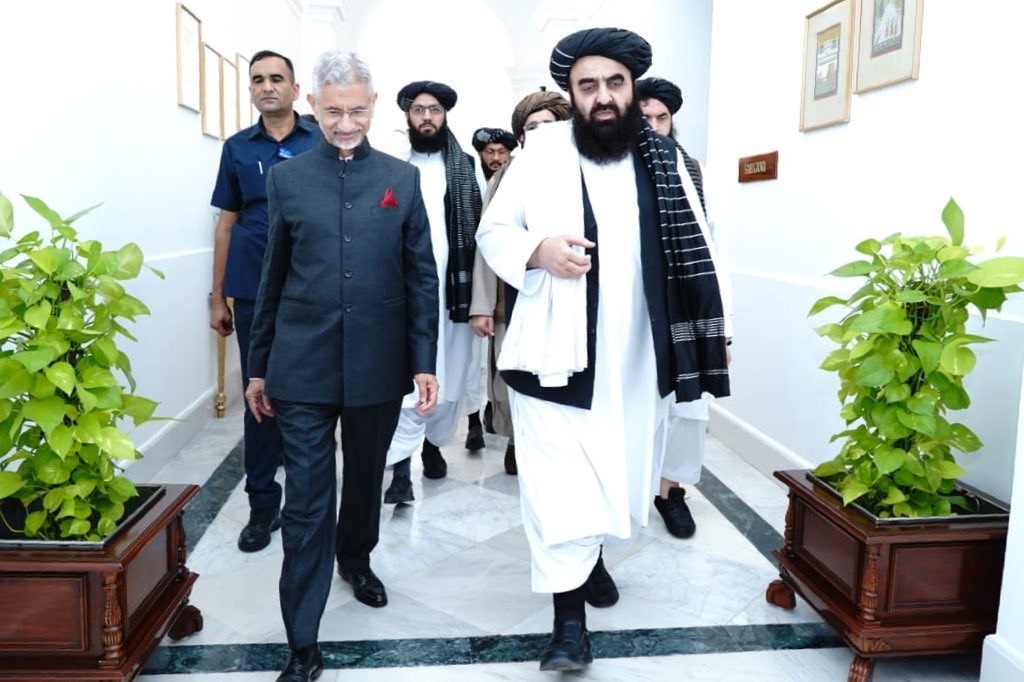
The most significant development has been India’s decision to elevate its technical mission in Kabul to a full embassy status. This announcement came after talks led by EAM S. Jaishankar, in which the two sides discussed reversing the diplomatic status quo that has existed since the Taliban takeover in 2021. While India has not formally recognized the Taliban government, restoring a full embassy represents a pragmatic move toward sustained engagement, especially around aid, development projects, and regional cooperation.
Alongside diplomacy, humanitarian concerns remain central to the relationship. India continues to provide assistance in health, education, and infrastructure-fields badly affected by political instability. Participation in international fora and UN-mediated efforts has ensured that despite complexity, India’s role in aiding the Afghan people remains visible.
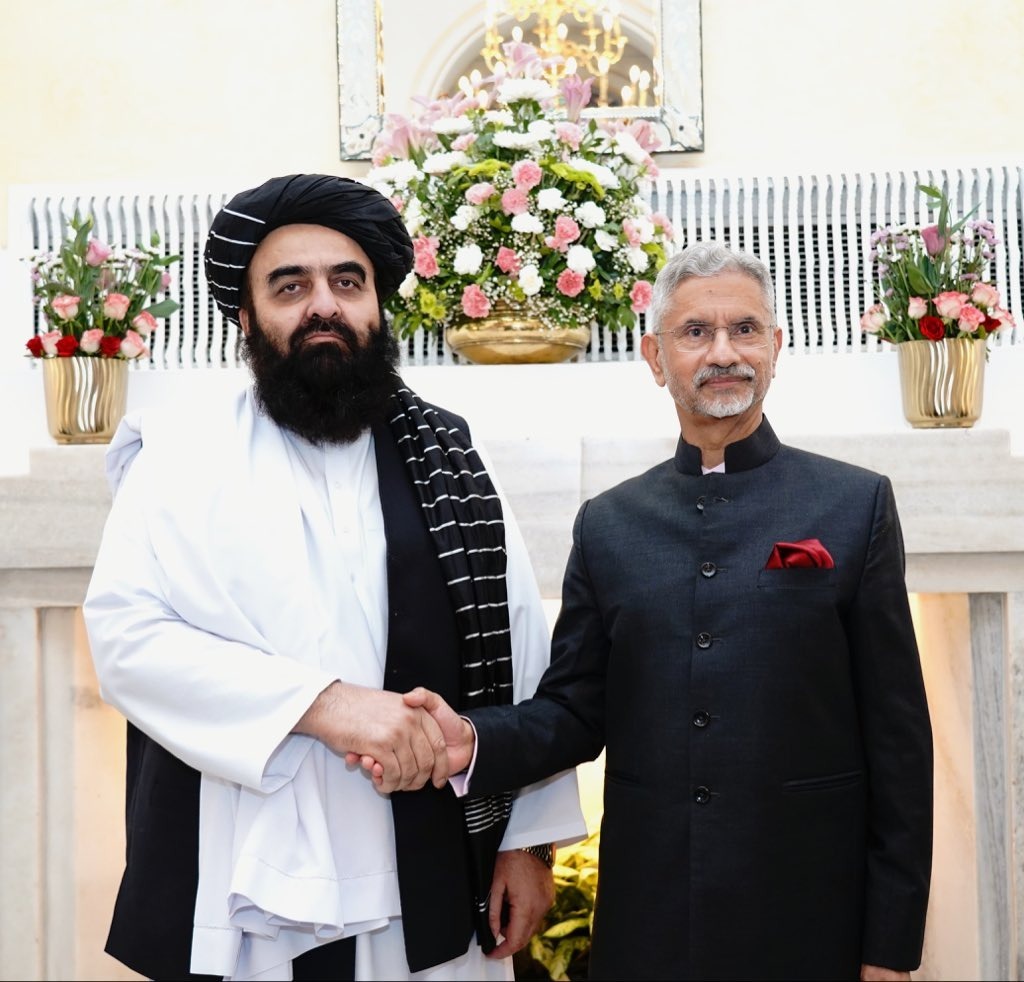
Pleased to meet FM Mawlawi Amir Khan Muttaqi of Afghanistan today in New Delhi.
— Dr. S. Jaishankar (@DrSJaishankar) October 10, 2025
This visit marks an important step in advancing our ties and affirming the enduring India-Afghanistan friendship.
Discussed India’s support for Afghanistan’s development, our bilateral trade,… pic.twitter.com/OLBOiv3gZZ
Security and regional stability also dominate the conversation. Both nations have expressed strong concern over cross-border terrorism, the safe movement of people, and ensuring that Afghan territory is not used to support activities that threaten other nations. For India, these issues are especially sensitive given Afghanistan’s geographic closeness and shared concerns over spillover effects.
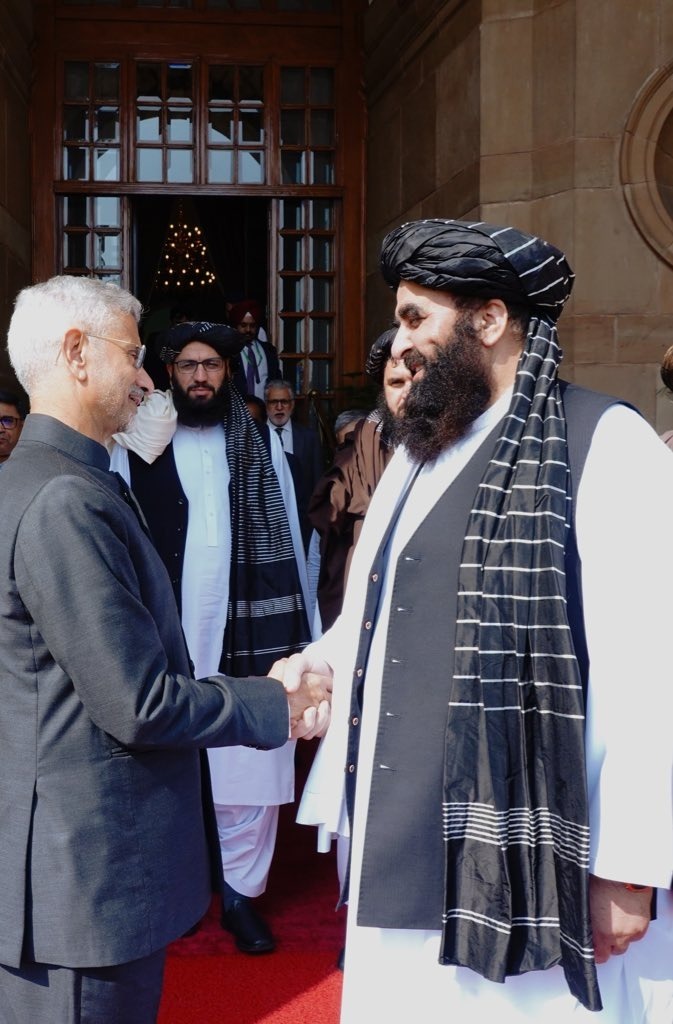
Trade, connectivity, and medical access have also been elevated in recent negotiations. Afghan diplomats have requested smoother visa processes for patients and students, renewed trade corridors, and greater linkage via land routes like Chabahar (used in part to bypass complex routes involving Pakistan). India has listened, and while implementation remains to be fully seen, signals are positive.
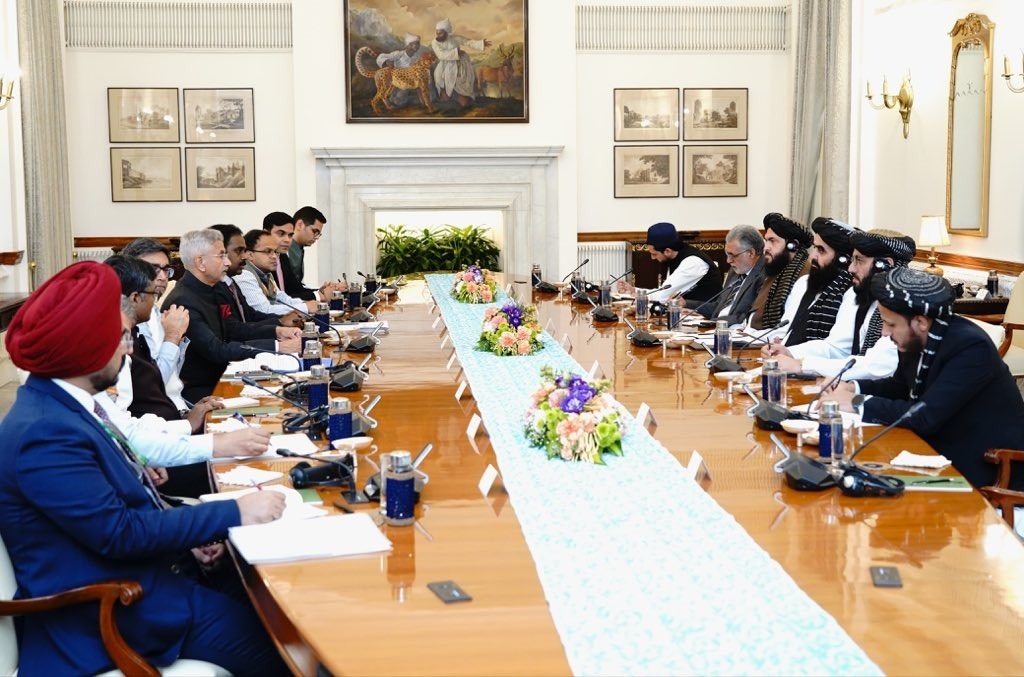
Importantly, India’s diplomatic recalibration appears driven by both necessity and opportunity. With its neighbours’ influence in Afghanistan and wider regional dynamics-including China’s growing presence and Pakistan’s shifts-India seems to be aiming for a stable foothold. By re-engaging through diplomatic, humanitarian, and trade channels, India positions itself not only as a benevolent partner but also as a strategic actor shaping outcomes in South Asia.