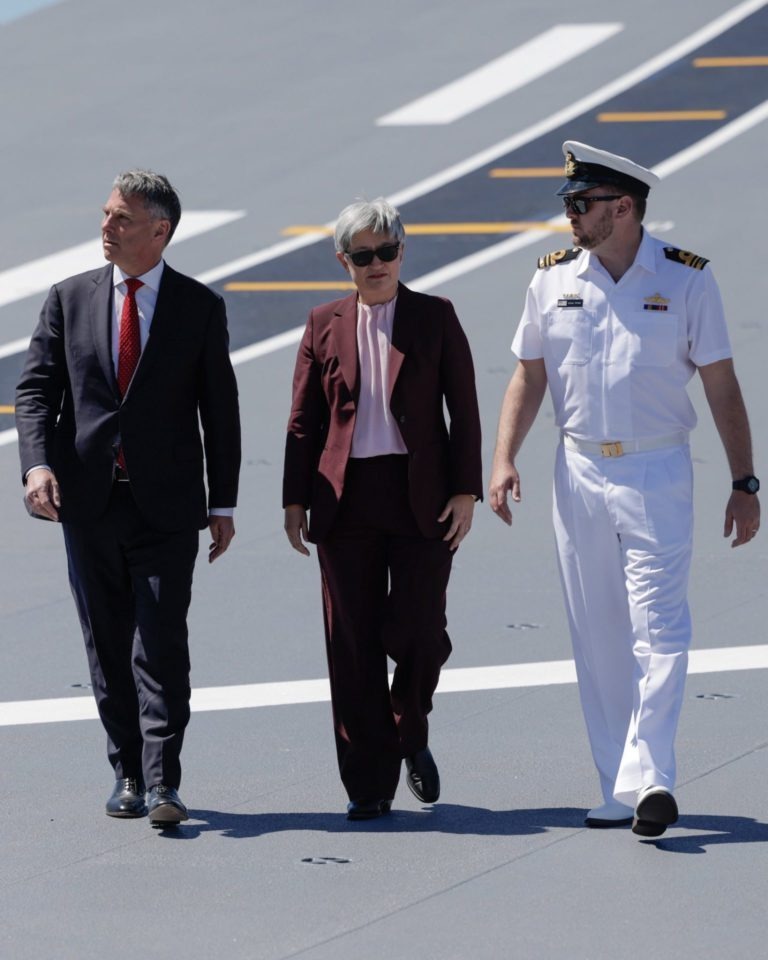
In a significant diplomatic breakthrough, Australia and Indonesia announced a landmark agreement titled the Treaty on Common Security, marking a major upgrade in their strategic partnership. The announcement came during Indonesia’s President Prabowo Subianto’s first state visit to Australia, alongside Australian Prime Minister Anthony Albanese on Wednesday aboard the naval base at Garden Island in Sydney.
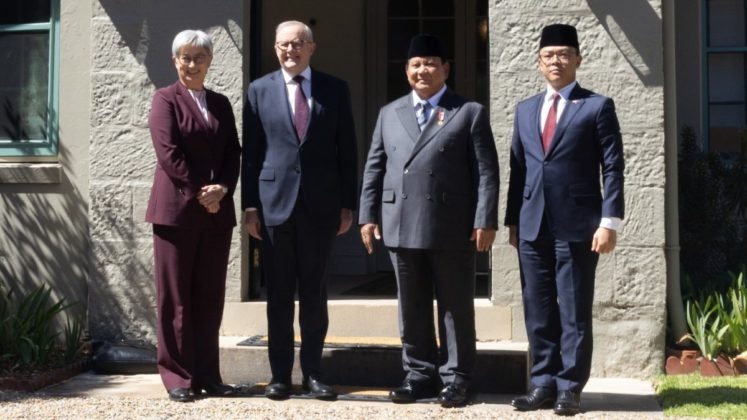
What the Pact Covers
While the full text of the treaty is yet to be released, key details have been made public:
- Both countries commit to regular consultations at leader and ministerial levels on security issues.
- They agree to engage in “mutually beneficial security activities” and, if necessary, consider individual or joint measures when either nation’s security is threatened.
- The agreement is modelled on the earlier 1995 treaty between Australia and Indonesia but is now tailored to reflect current regional realities.

Why It Matters
For Australia, this treaty strengthens ties with its largest neighbour in the Indo-Pacific region and signals a move towards deeper regional security cooperation beyond traditional Western alliances.
For Indonesia, it offers a way to reaffirm its “friends to all, enemy to none” policy while maintaining strategic autonomy. President Prabowo echoed this sentiment, quoting an Indonesian proverb: “When we face an emergency, it is our neighbour that will help us.”
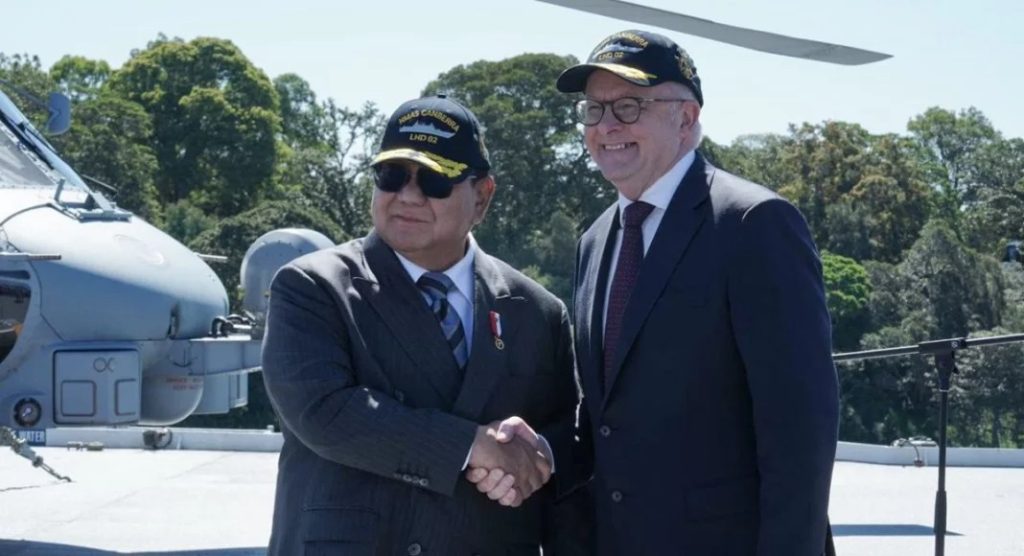
Strategic Context & Regional Implications
With China’s expanding influence and evolving security dynamics in the Indo-Pacific, both nations recognise the importance of closer cooperation. Indonesia’s non-aligned stance and Australia’s desire to bolster its regional partnerships make this treaty timely and strategic. Analysts say while the pact may not entail full mutual defence obligations, it binds Canberra and Jakarta at a political and strategic level unseen in decades.
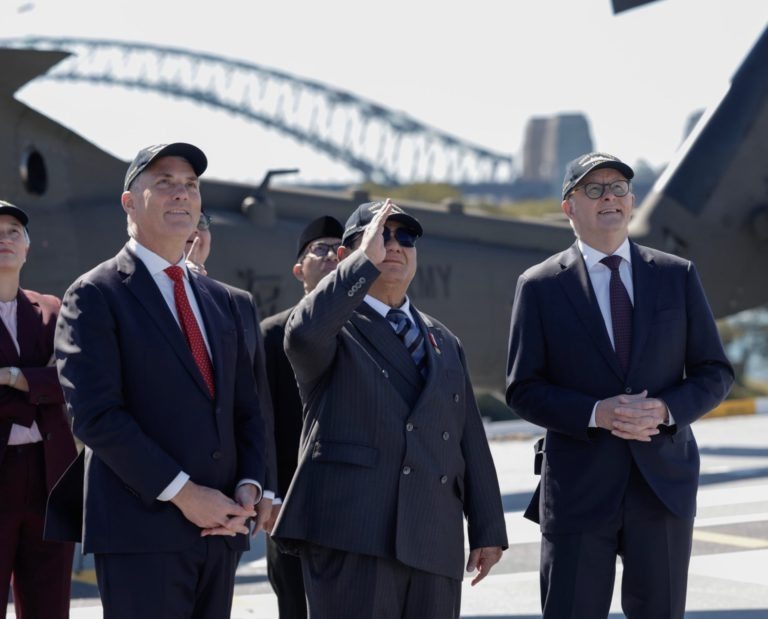
It builds on previous arrangements – such as the 2006 Lombok Treaty and the 2024 Defence Cooperation Agreement – signalling a new chapter in bilateral security relations.
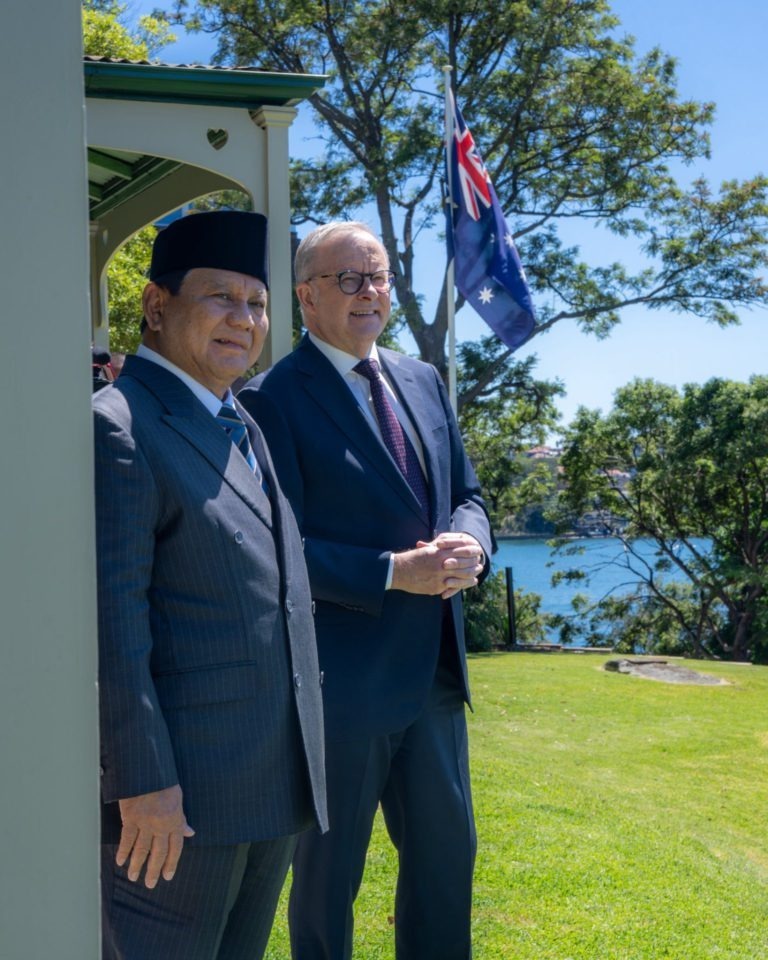
The Road Ahead
Formal signing is expected in early 2026 after domestic ratification. Meanwhile, both countries aim to translate the framework into concrete actions, including intelligence sharing, joint maritime and aviation security efforts, and coordinated responses to non-traditional security threats.
The effectiveness of the treaty will be measured by how swiftly and robustly the two nations implement its provisions – turning diplomatic intent into meaningful joint security activity.