An in-depth conversation with the artist Neena Mand (practicing art as Neena atMA) behind Primordial Pulse, exploring intuition, abstraction, cultural memory, and the quiet rhythms that shape contemporary practice.
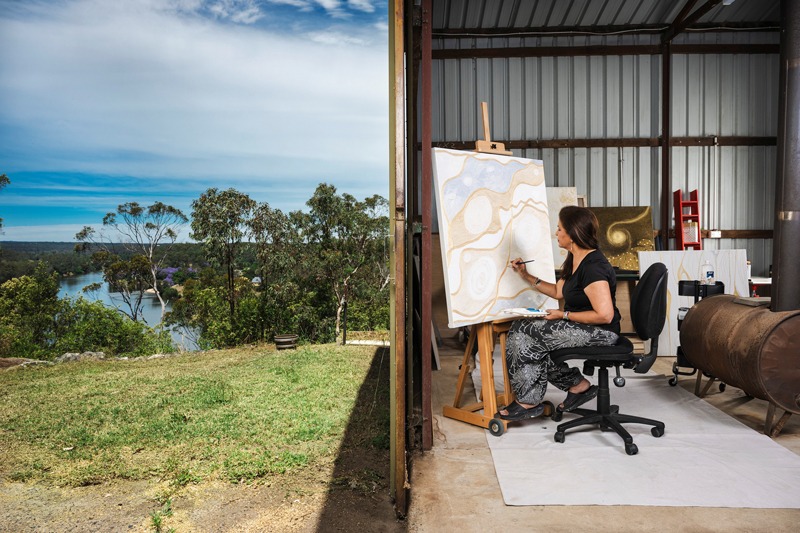
From 13-26 January, Art2Muse Gallery presents Primordial Pulse, an exhibition that brings together Creator, Creation, and Continuum through a body of contemplative abstract works. We spoke with her about her journey from architecture and academia into painting, and how philosophy, land, and lived experience inform her practice today.
From Architecture to Intuition
Before fully committing to painting, she built a career in architecture and academia. Rather than a dramatic break, the shift into art unfolded organically, what they describe, in Sikh terms, as gurprasad, a form of grace. Architecture had trained her to think through systems, constraints, and problem-solving, while painting opened a different register: a gentler, open-ended inquiry guided by intuition rather than resolution.
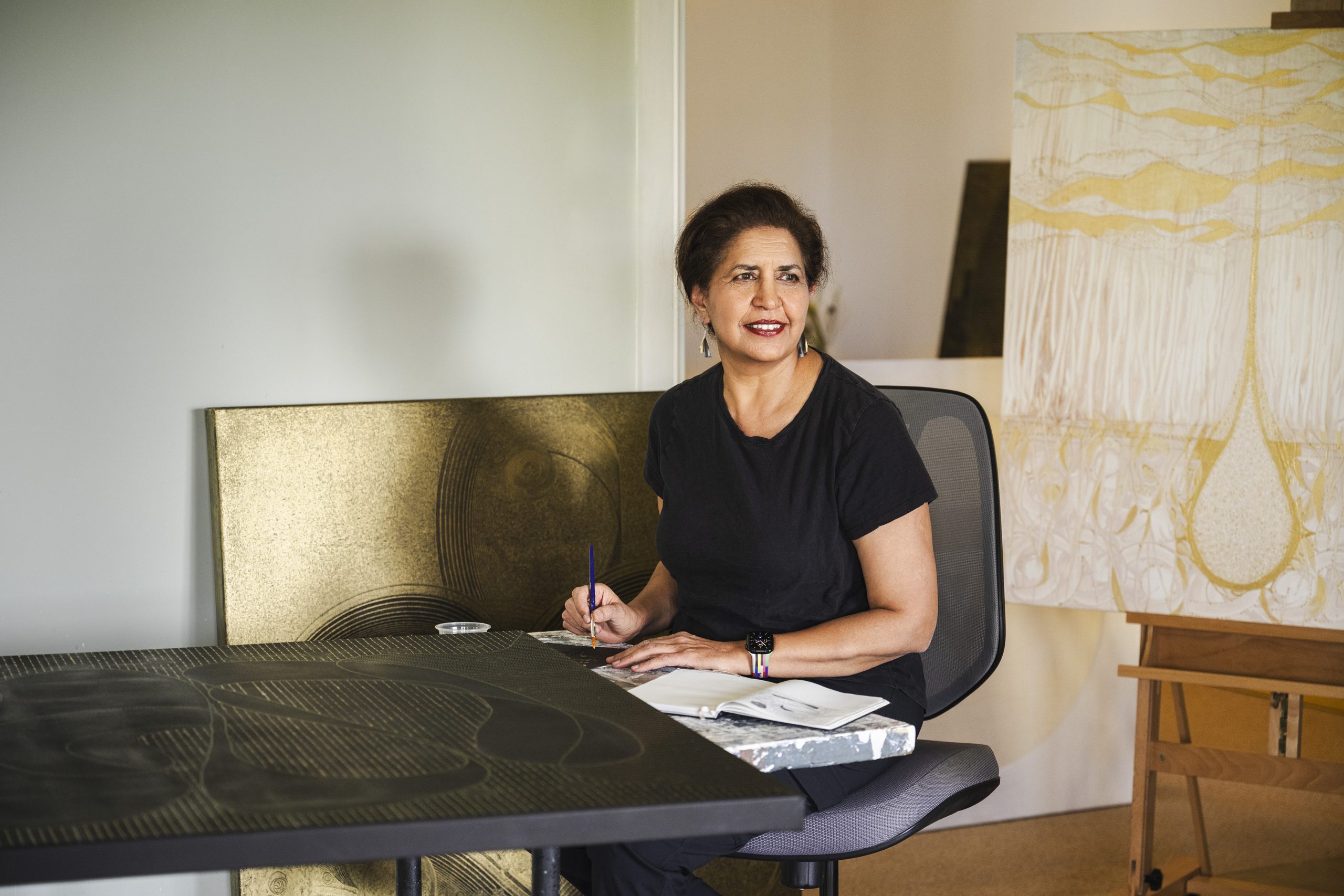
Looking back, the transition feels like a natural progression. Longstanding interests in existence, relation, and how we live together had always been present, alongside artistic skills cultivated since childhood and later deepened through studying Japanese sumi-e ink painting while living in Japan. Teaching architectural design further sharpened an ability to think pragmatically and poetically at once, about rhythm, space, matter, memory, and how people move through environments.
While design thinking continues to operate quietly in the background, painting allows uncertainty and not-knowing to remain unresolved. Unlike architecture, which must eventually settle into use and consequence, painting holds inquiry in suspension, responsive, provisional, and open. Stepping into intuition, the artist reflects, felt both natural and liberating, like trusting a deeper, slower cadence of thought.
Cultural Roots and Abstraction

As an artist of Indian heritage living and working in Australia, cultural influence emerges less through overt symbolism and more as orientation. Indian poetics and spiritual traditions, particularly ideas of cyclical becoming, continuity, and relational existence, shape how abstraction is approached, even when imagery remains non-representational.
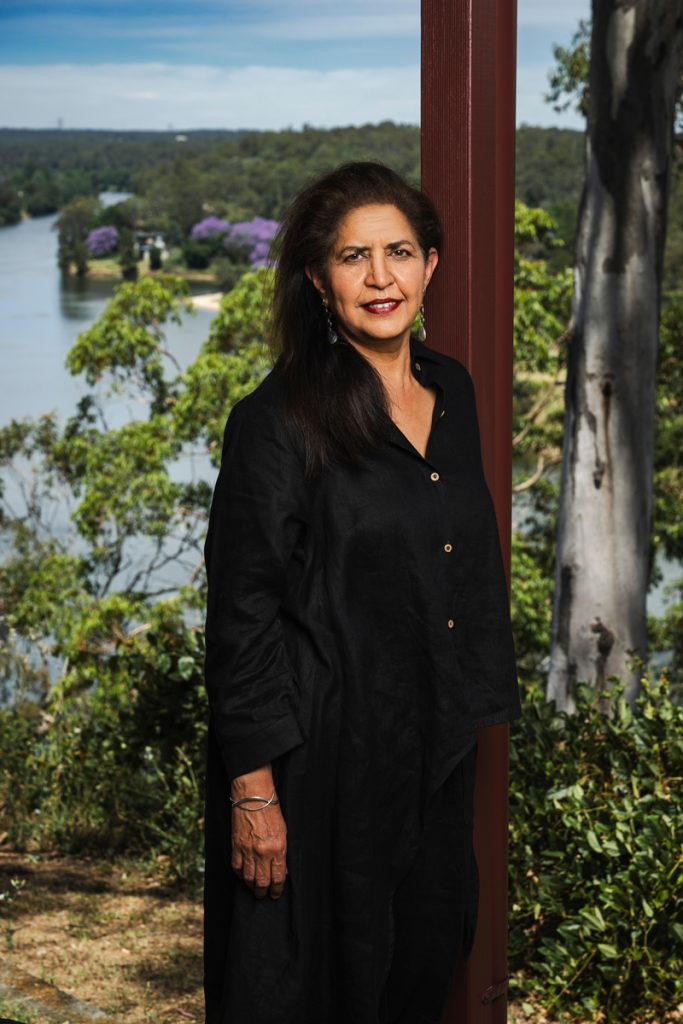
Having lived in multiple countries, the artist’s worldview has been shaped by movement and dialogue between cultures. Since relocating to Australia, a strong connection to the land has emerged, its antiquity, distinct sense of time, and rhythm. Living on Dharug land near the Hawkesbury River has further deepened attentiveness to landscape and atmosphere, where presence is understood not as scenery but as something living and relational. Water, in this context, becomes a sentient, moving force rather than a static element.
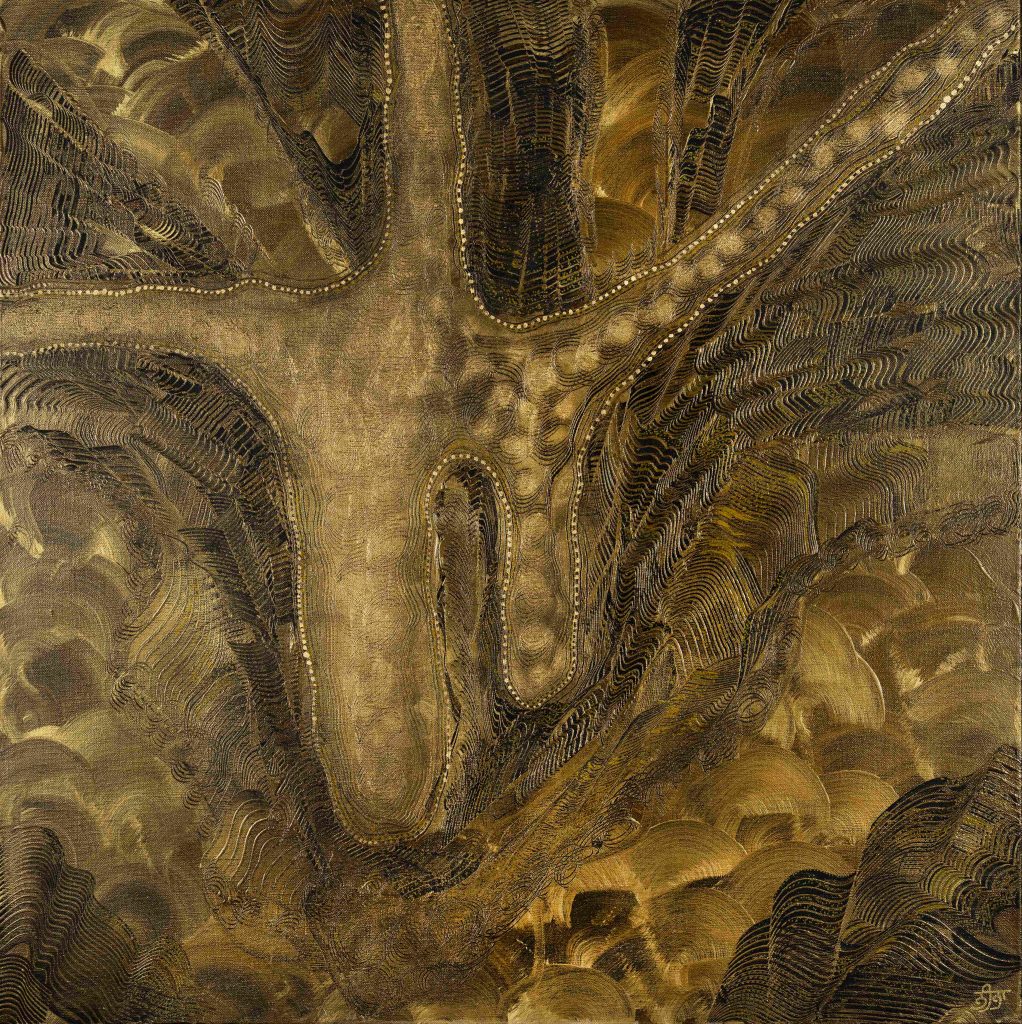
These layered experiences, architectural training, cultural heritage, global mobility, and Australian land, light, and space, intersect within the work. Abstraction allows them to coexist without hierarchy or illustration.
Creation as an Ongoing Process
The idea of creation as continuous rather than complete has long underpinned the artist’s thinking. Their PhD, Constructing Identity: Interpreting Architecture, already explored identity as something constantly formed and re-formed. This perspective aligns with both contemporary scientific thought, such as quantum field theory, and Indian philosophical traditions that understand creation as ongoing unfolding rather than a singular event.
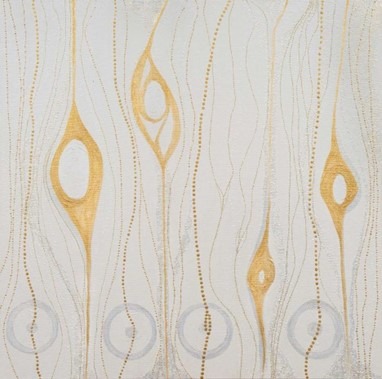
As a migrant and a practitioner whose thinking has evolved across disciplines, the artist experiences identity, belonging, and creative practice as fluid states. The paintings echo this sensibility, not as moments of arrival, but as acts of staying with emergence, honouring process as much as outcome.
Dhvanic Abstraction and Shared Meaning
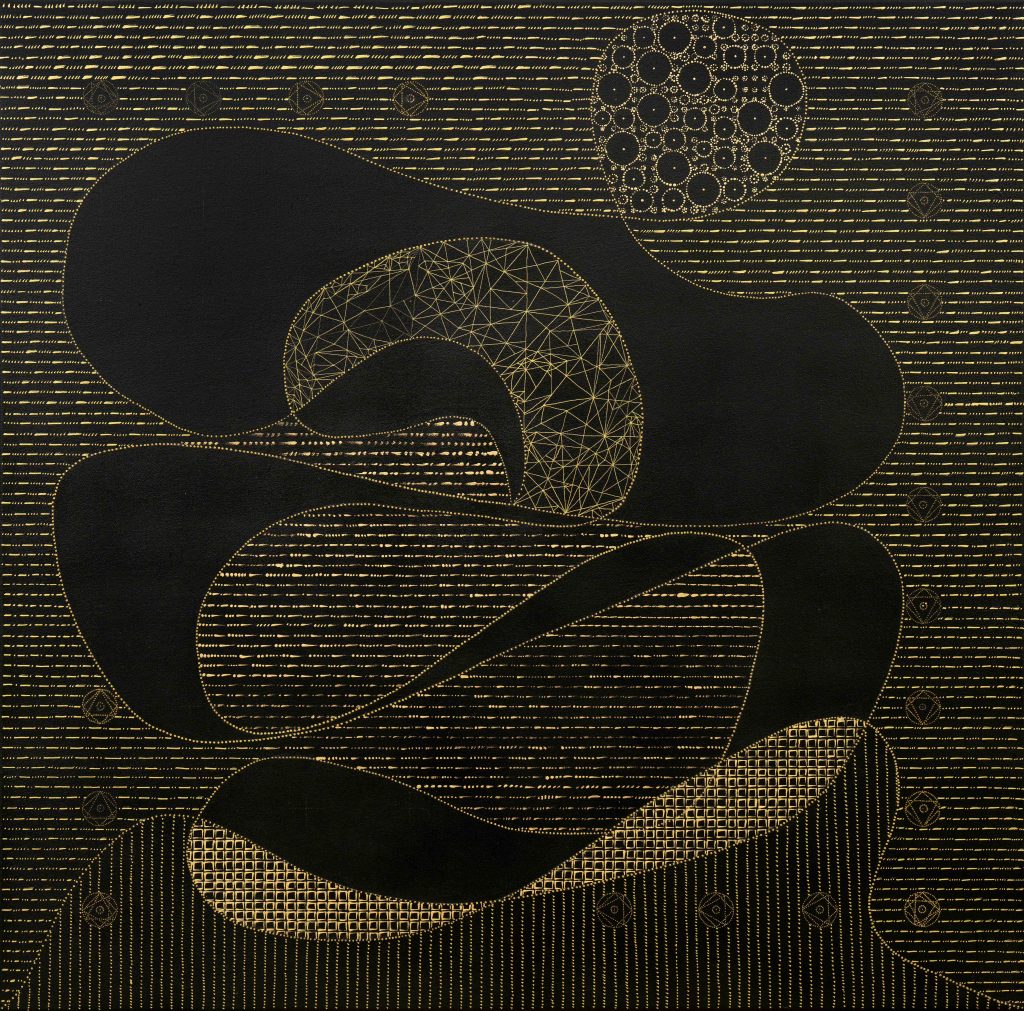
Central to the practice is the concept of Dhvanic Abstraction, rooted in the Indian aesthetic principle of dhvani, or suggestion. Rather than delivering fixed meanings, dhvani privileges resonance, allowing meaning to arise through encounter.
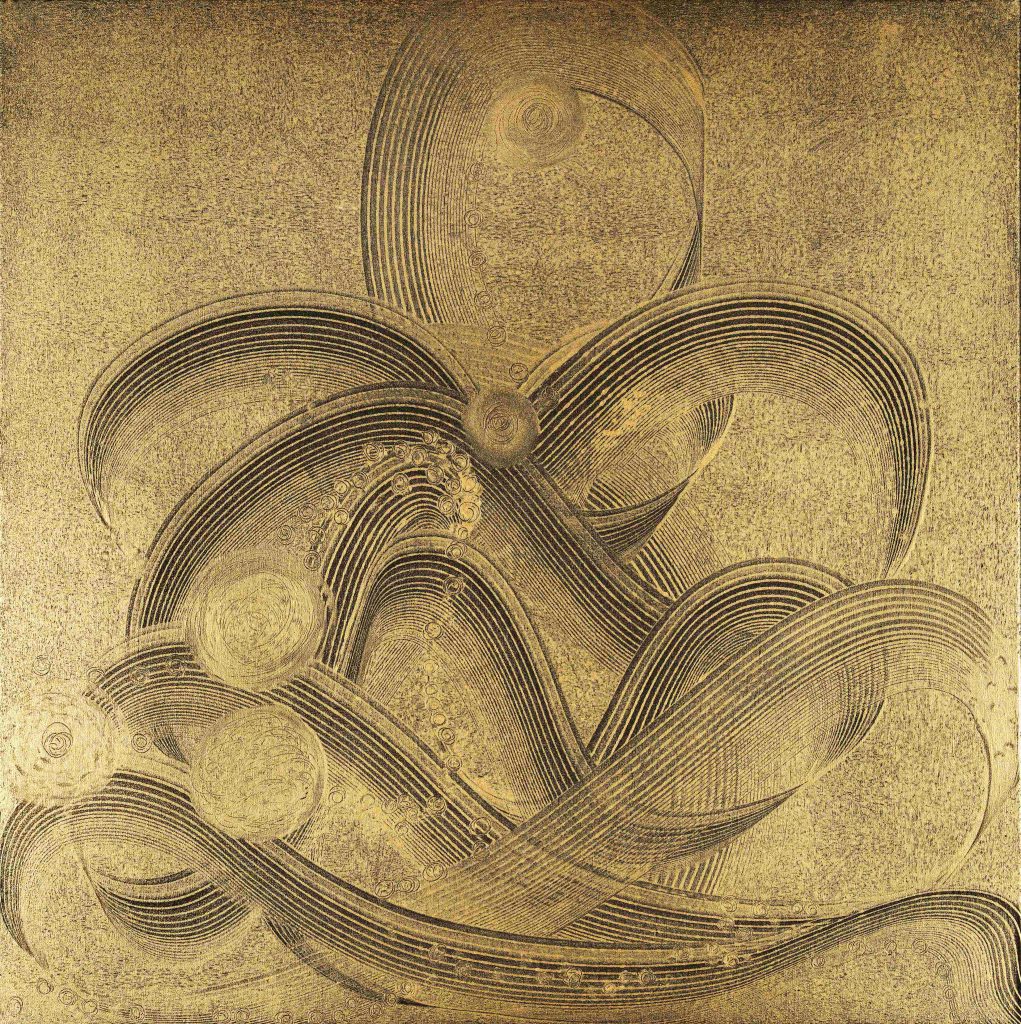
This approach becomes especially significant in cross-cultural contexts. By working through suggestion, the artist keeps the work open, inviting viewers to engage from their own lived experiences rather than decoding a prescribed narrative. Meaning is not transmitted; it is generated. The result is work that remains accessible without being simplified.
Stillness in an Accelerated World
Many viewers report a sense of stillness or pause when encountering these paintings. Drawing on the Japanese concept of ma, the interval or space between, the artist sees stillness as essential rather than ornamental. In a culture of constant acceleration, creating space for pause becomes both an aesthetic and ethical choice.
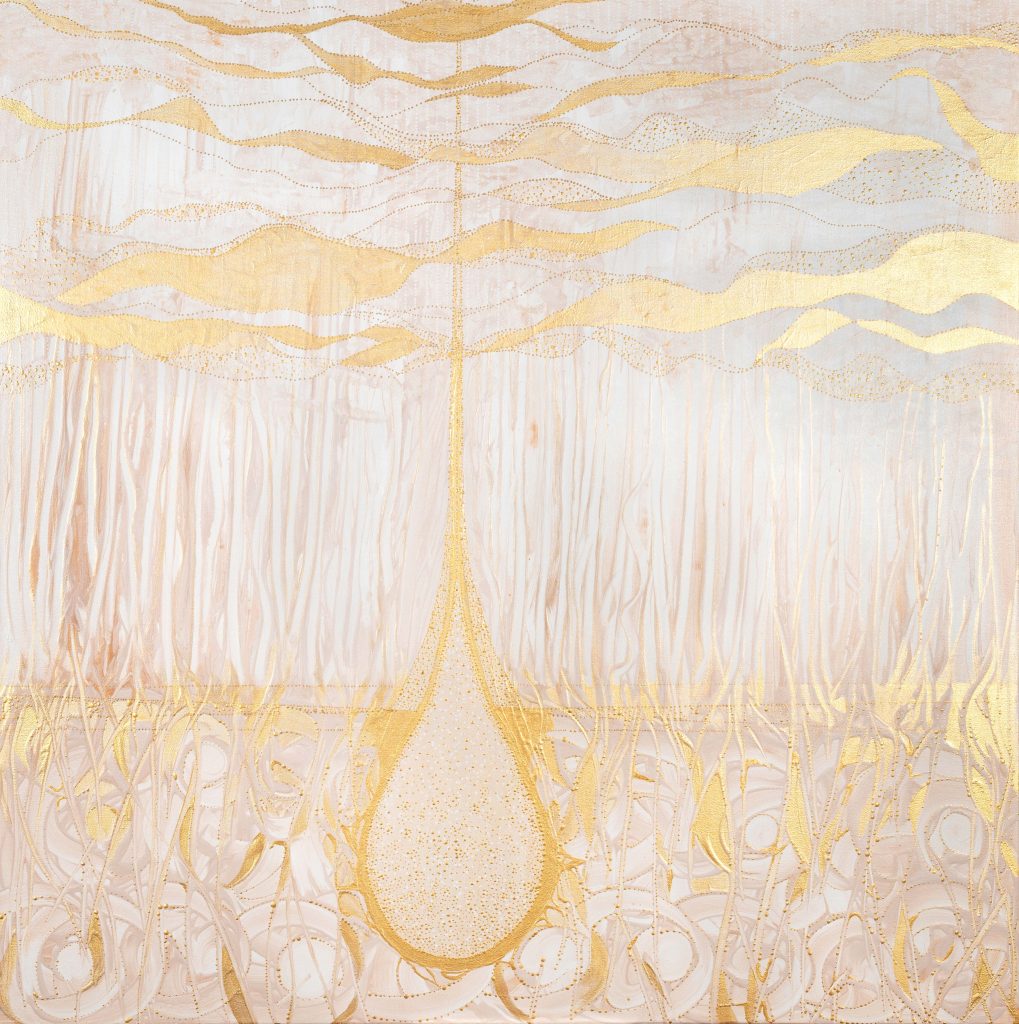
The paintings are not asking viewers to stop thinking, but to slow down enough to notice how they are thinking and feeling. This quality of attention, the artist believes, can quietly recalibrate how we relate to ourselves and to others.
The Viewer as Co-Creator
The work, the artist says, is only complete when a viewer engages with it. There is no instruction, no resolution, only permission to linger and trust one’s own responses. What they hope viewers discover is not necessarily insight, but heightened sensitivity: to rhythm, connection, and the space between things.
Universal Themes in Everyday Life
Themes such as creation, feminine agency, and interconnectedness run through the practice, not as abstract ideals, but as lived realities. Feminine agency is understood not in opposition, but as re-balancing: recognising cyclical, sustaining, relational forms of strength. Interconnectedness becomes tangible when we acknowledge how deeply our actions affect others, both human and non-human.
The paintings act as quiet reminders of these entanglements, grounded equally in research and daily experience.
Life by the Hawkesbury River
Living and working near the Hawkesbury River has profoundly shaped both creative and spiritual practice. The river’s constant flux offers lessons in continuity, how something can change endlessly and yet remain itself. One work in the exhibition, Amritvela 2 – Ambrosial Dawn, draws directly from this way of thinking.
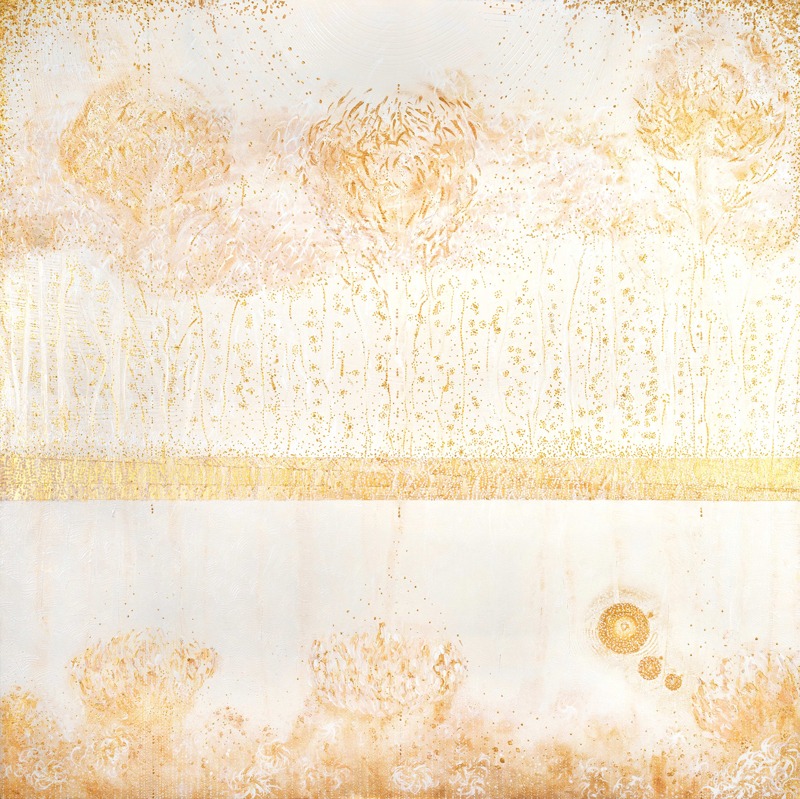
Daily encounters with water, its light, tides, reflections, and erosions, foster attentiveness and gratitude. Spiritually, the environment encourages humility and a sense of belonging within larger rhythms, which the work absorbs almost unconsciously.
An Invitation to New Audiences
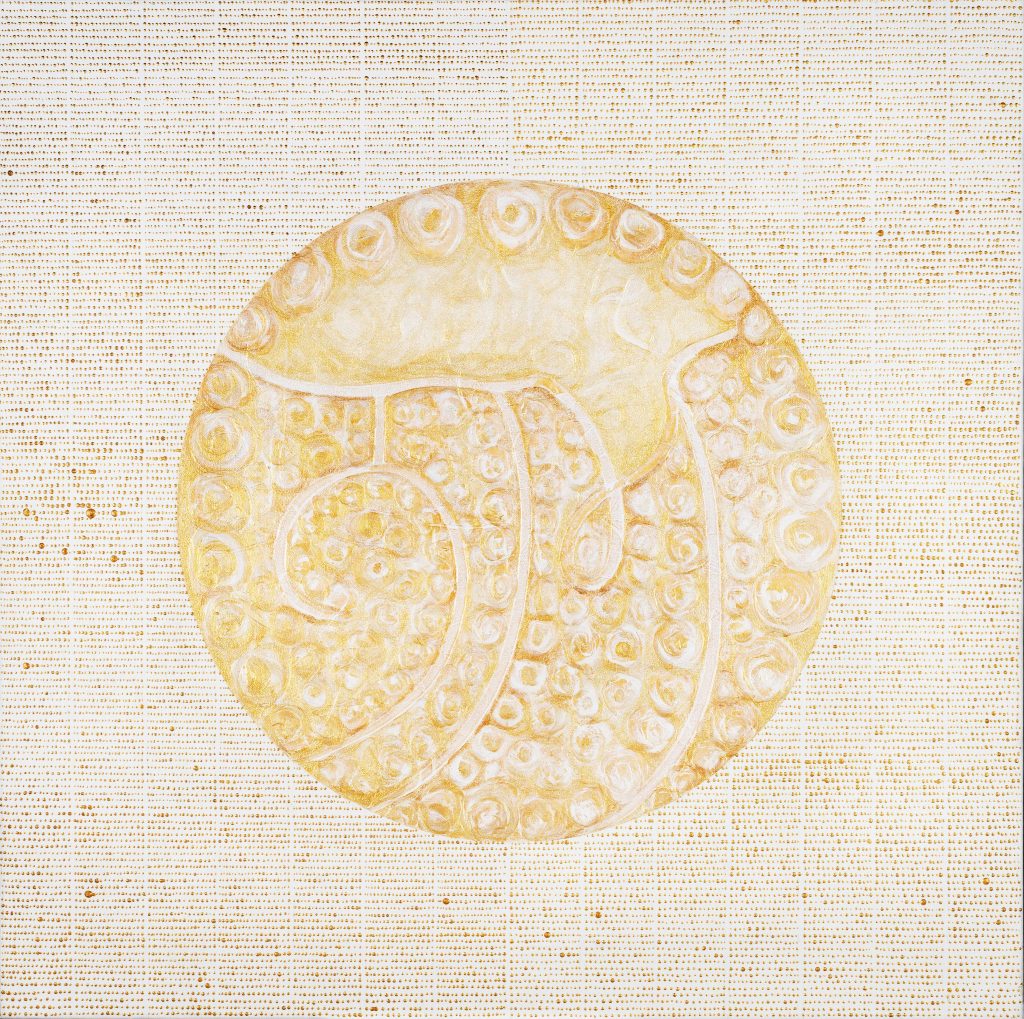
For those new to contemporary abstract art, the artist offers a simple invitation: bring time and openness rather than prior knowledge. There is no correct reading. Stand close, step back, notice bodily responses. Experience matters more than interpretation.
What Lingers
When visitors leave Primordial Pulse, the artist hopes a quiet sense of connection remains, something larger than the self, yet intimate. Perhaps even a lingering question about how one inhabits time, attention, and relation.
Holding Creator, Creation, and Continuum together resists linear thinking. Origin, process, and sustenance are understood as inseparable, always intertwined. Primordial Pulse is not an attempt to define this reality, but to stay with its rhythm.
Exhibition Details
Primordial Pulse (Neena Mand is practicing art as Neena atMA)
Art2Muse Gallery
13-26 January
Follow her on Instagram