Packing a lunch box each day can feel like a routine chore, but there are simple ways to make it more environmentally friendly without sacrificing taste or convenience. A growing focus on reducing waste at school and work means rethinking the types of foods and packaging we use. By choosing thoughtful food and container options, families can cut down the amount of single-use packaging that often ends up in landfill.
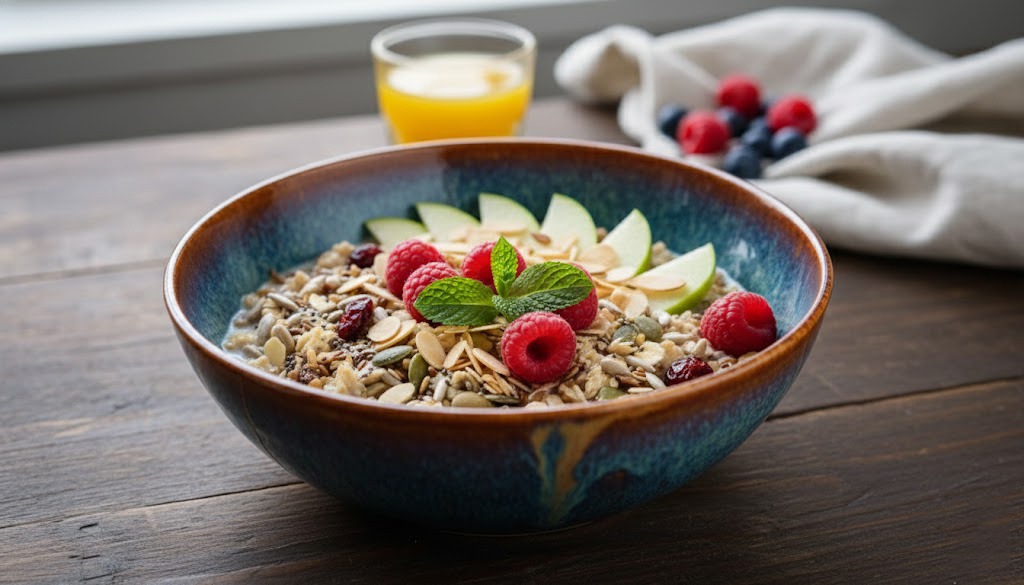
One easy swap is to trade pre-packaged muesli bars for homemade popcorn. Popcorn can be prepared in minutes using popcorn kernels and a paper bag, creating a tasty snack with minimal waste. It also avoids the plastic and foil wrappings common in many store-bought bars, and it can be seasoned to suit a child’s preference for sweet or savoury flavours.
Another strategy is to engage your child in planning their lunches. Talking with them about what they enjoy eating and how much they need encourages ownership, while helping reduce the chance of uneaten food being thrown away. When children help choose and pack their lunches, they are more likely to eat the food and less likely to generate waste.
Using reusable containers and drink bottles instead of disposable packaging also makes a significant difference. Refillable containers for sandwiches, salads and snacks help avoid zip-lock bags, foil or cling wrap, and refillable bottles replace single-serve drink cartons or plastic bottles. Packed properly, a waste-reduced lunch box can become a habit that extends beyond school and into daily life.
Buying snacks in bulk and portioning them into reusable containers at home reduces both packaging and cost. Foods like nuts, dried fruit and crackers are easy to divide into small portions, ready to be packed in lunch boxes without individual wrappers. This not only cuts waste but also saves money over time.
Finally, focusing on fresh fruit and vegetables – such as carrot sticks, cucumber slices or whole pieces of seasonal fruit – provides healthy, low-waste options. These can be packed in reusable containers or wrapped in washable beeswax wraps, which serve as a sustainable alternative to plastic. Encouraging children to bring home uneaten food also helps families adjust portion sizes to avoid waste in future lunches.
By combining these small changes – swapping packaged snacks, using reusables, involving children in choices and focusing on fresh foods – families can create lunch boxes that are healthier for both children and the planet. Making low-waste lunches part of a regular routine helps reduce environmental impact while promoting mindful eating habits.