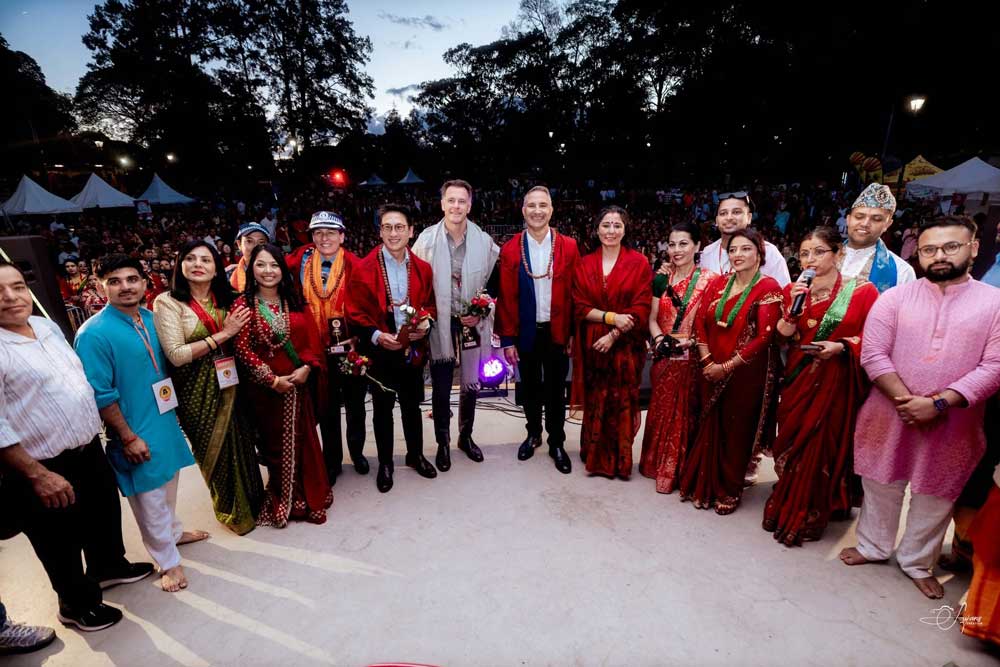
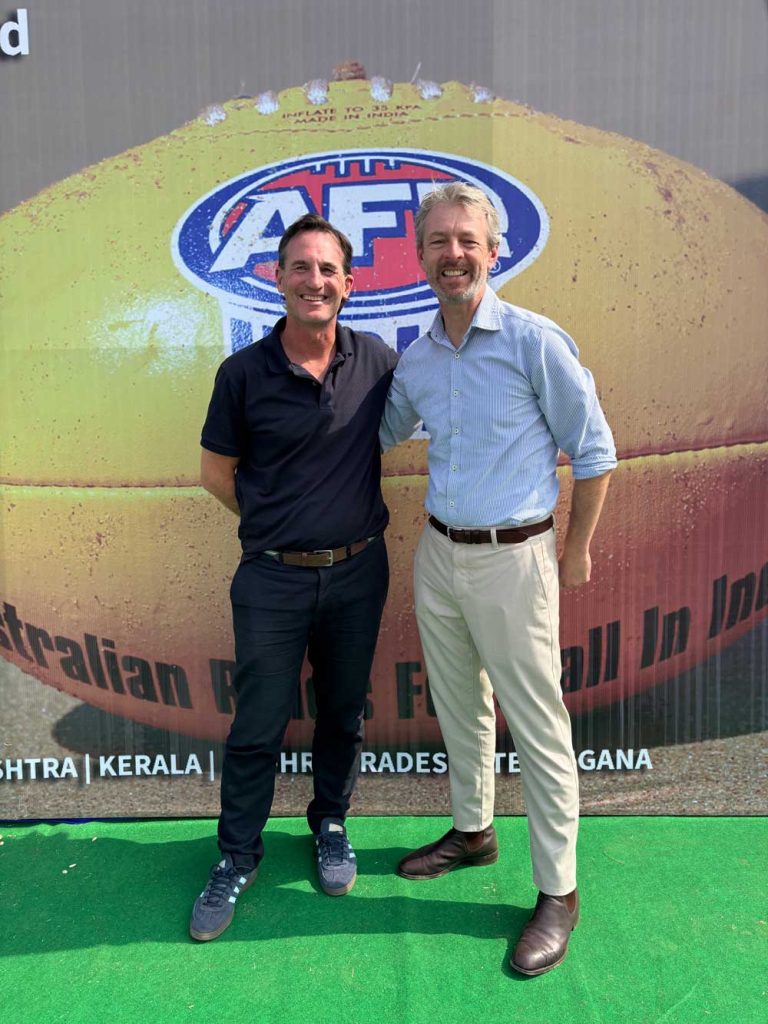
The AFL has taken another significant step in its international expansion, with CEO Andrew Dillon spending a week in India as the league strengthens its presence in one of the world’s largest and fastest-growing sporting markets.
Beginning his visit in Mumbai, Dillon said the trip underscored both the scale of opportunity and the growing momentum for Australian football across the country.
“Starting the week here in Mumbai really brings home the scale of opportunity for AFL in India,” Dillon said. “India is one of the world’s largest and fastest growing sports markets, and we’re seeing genuine momentum, with close to 10,000 people currently playing footy across the country.”
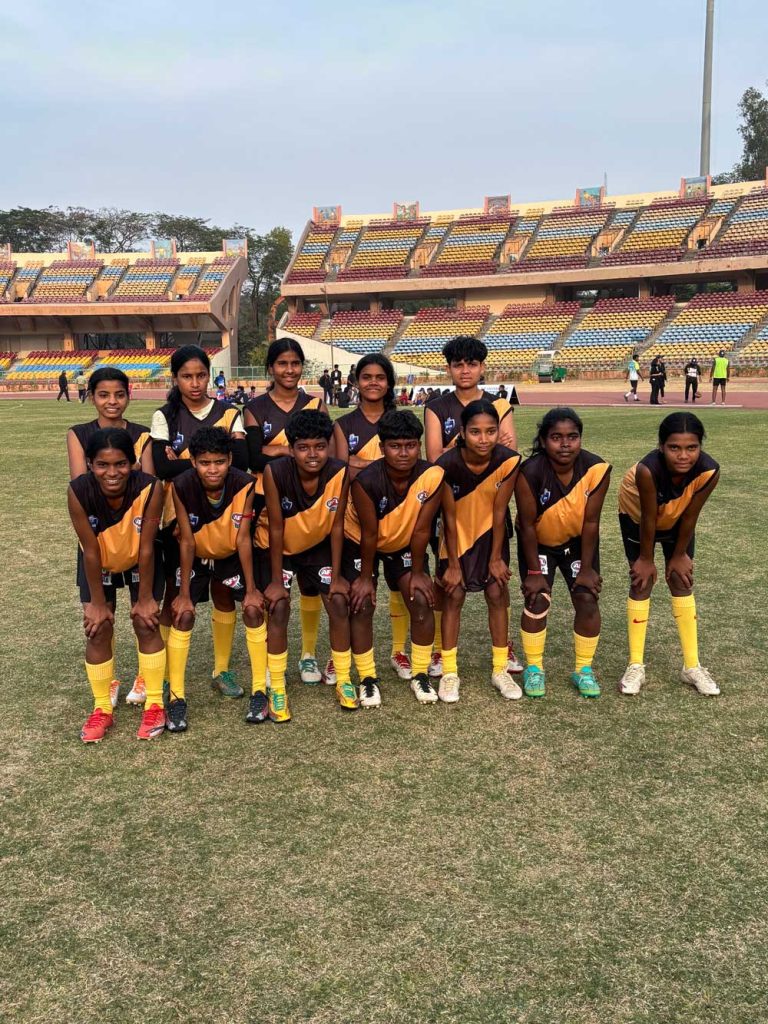
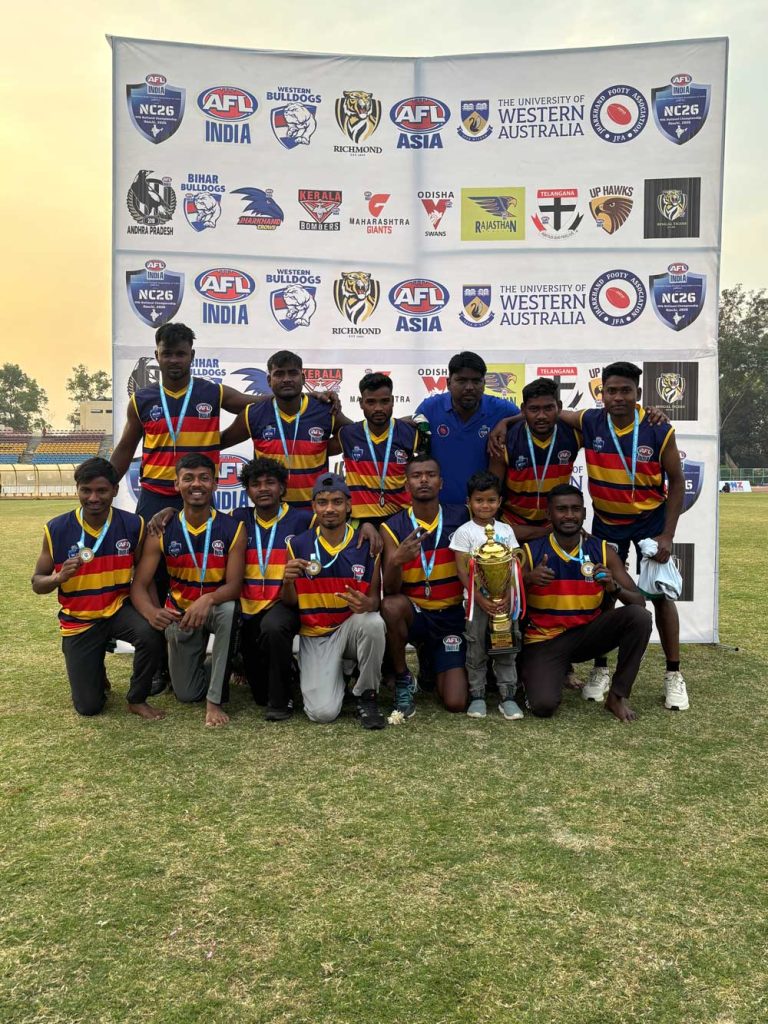
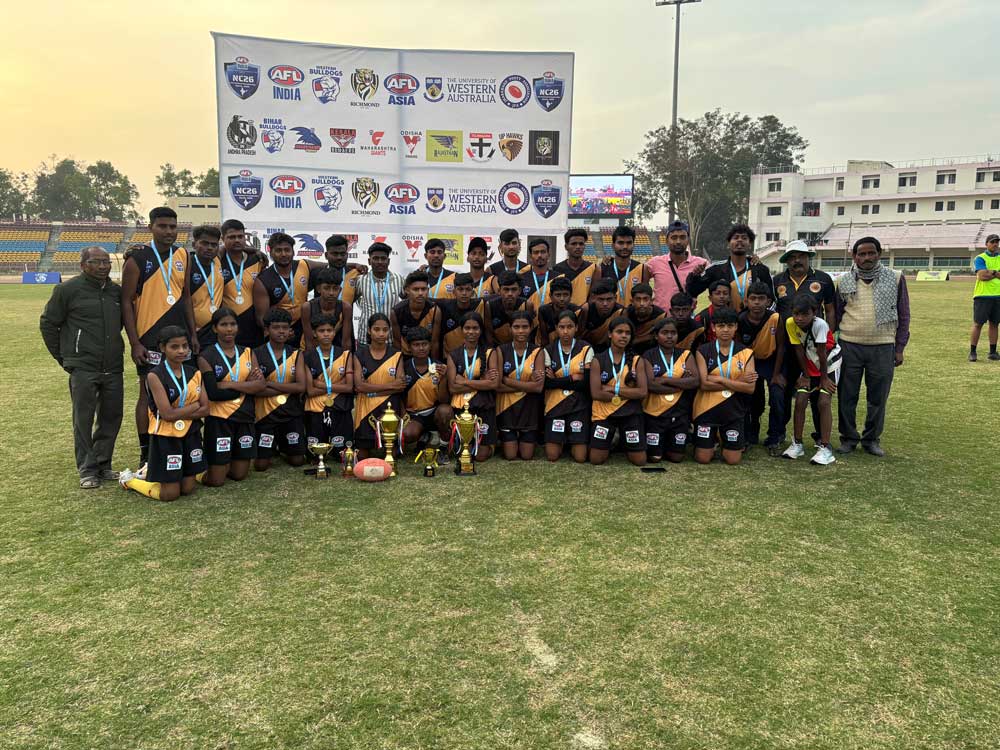
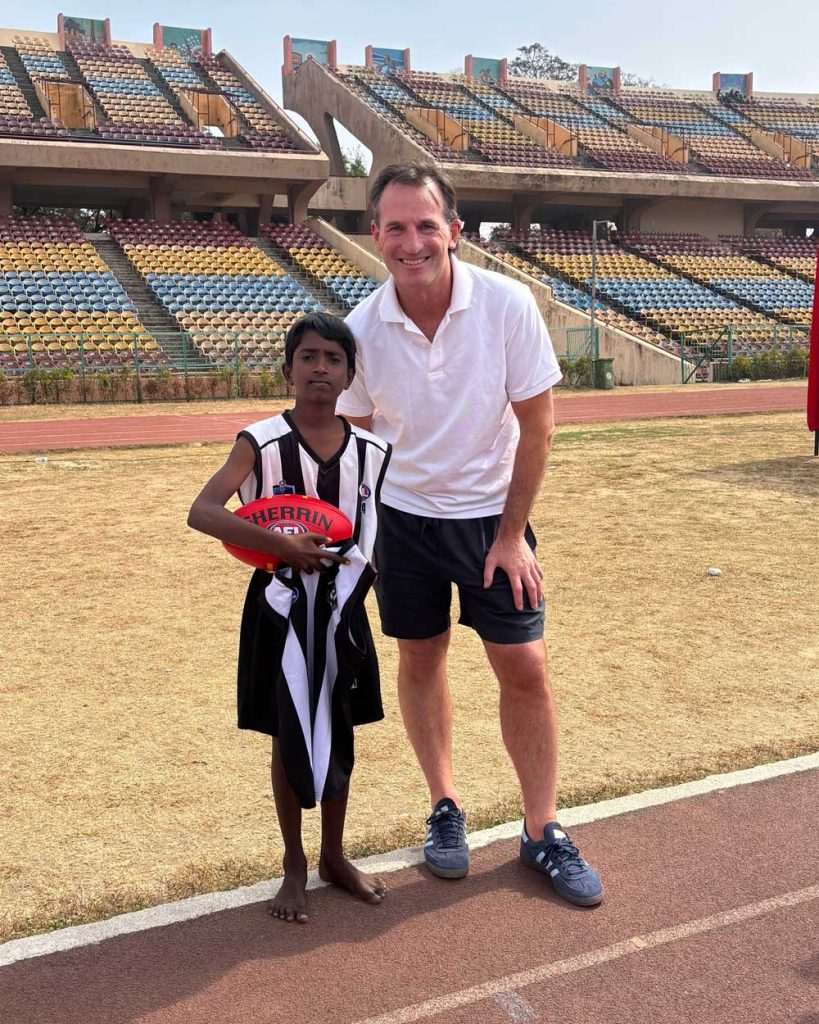
The visit forms part of the AFL’s long-term strategy to expand its international footprint, with India identified as a key growth market. Across the week, Dillon met with sports commissioners, business and community leaders, before travelling to Ranchi, Jharkhand, for the 2026 AFL India National Championships.
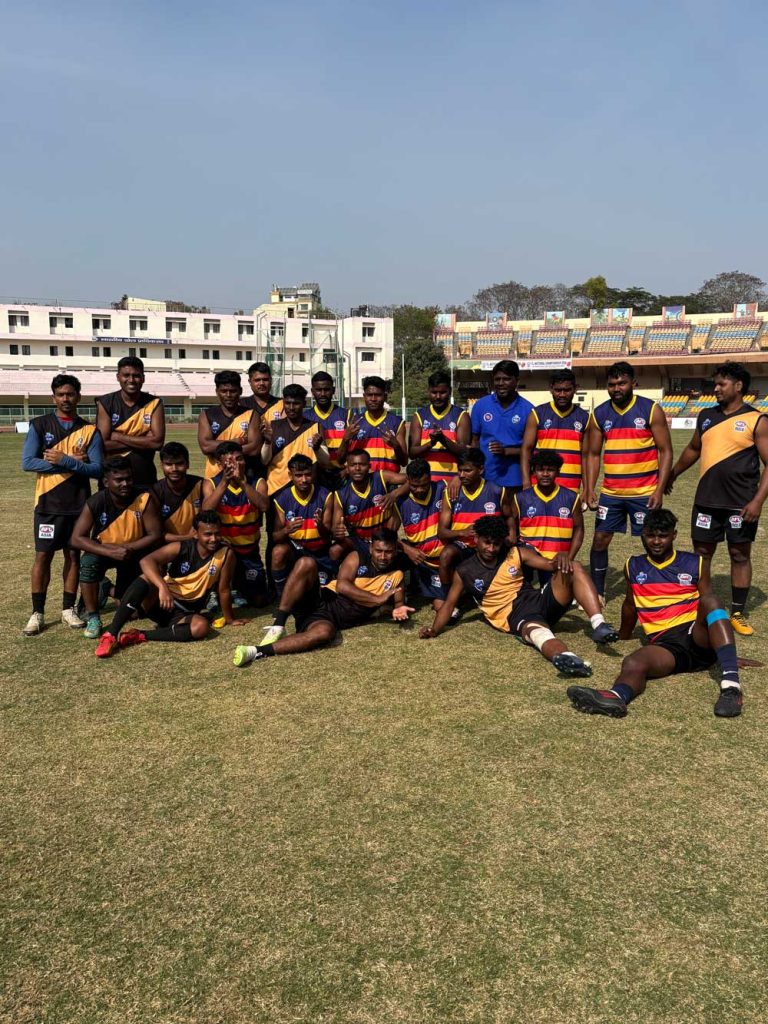
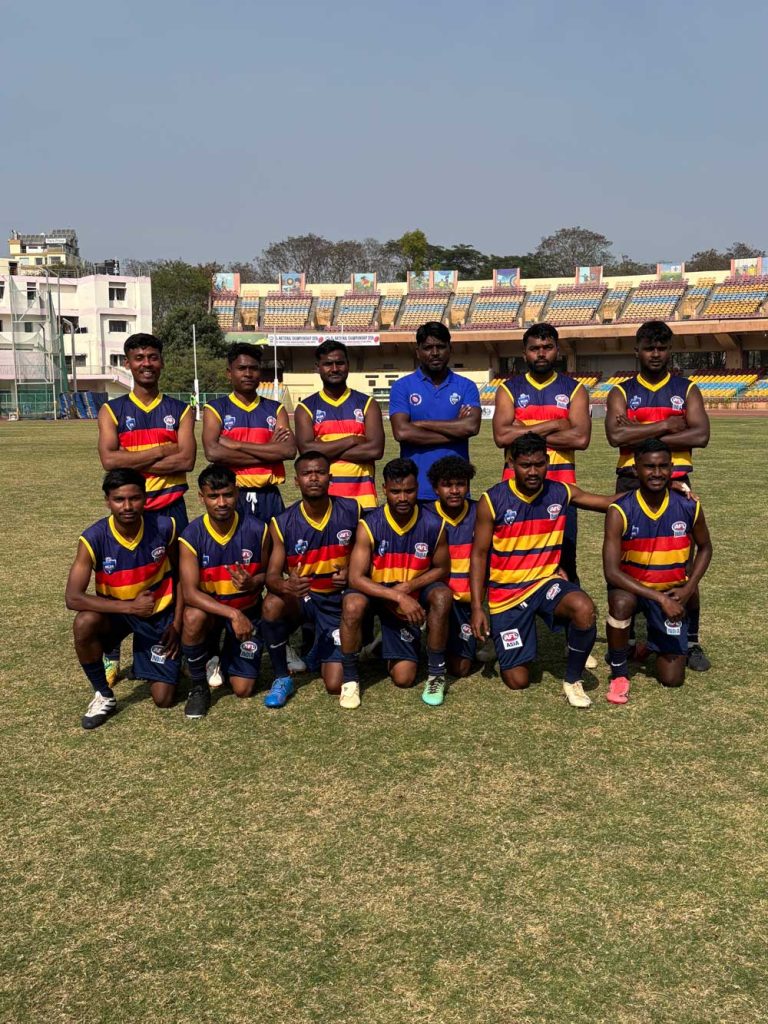

Australian football’s journey in India began modestly in 2008 with just 150 players. Since then, the game has expanded rapidly, with more than 20,000 participants having played the sport to date. Today, AFL India boasts 188 teams across 11 states, supported by 63 registered coaches, 43 umpires and more than 125 volunteer leaders, operating as a 100 per cent volunteer-driven organisation.
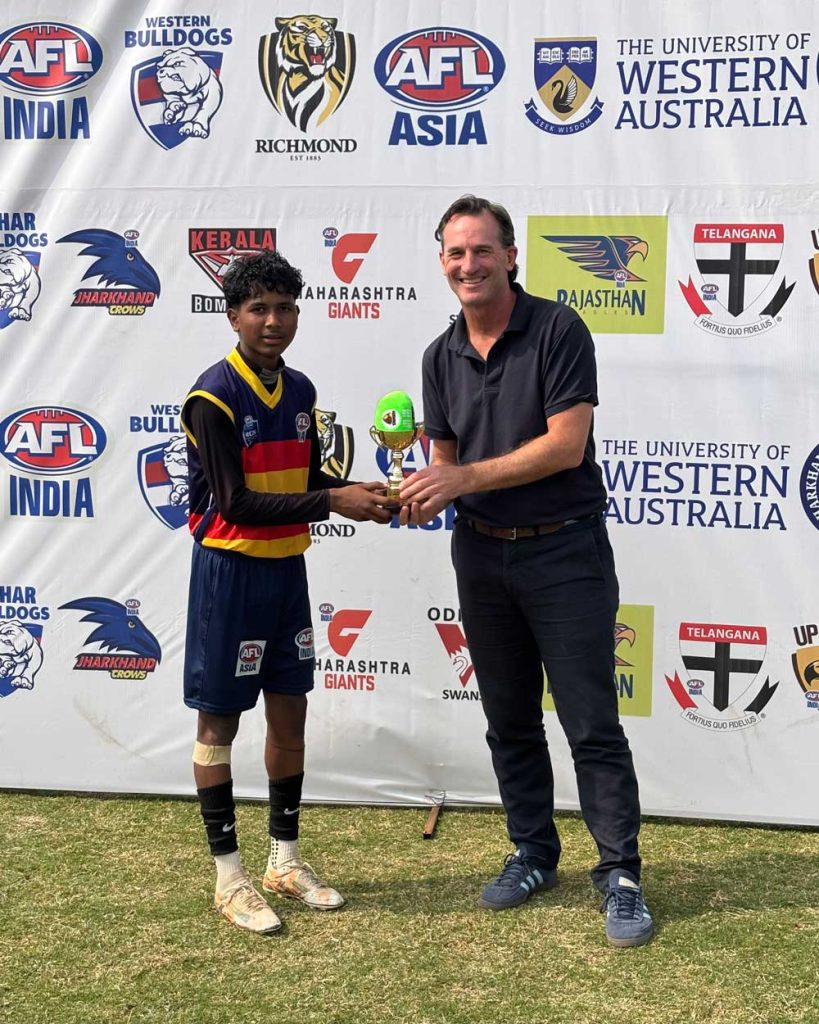
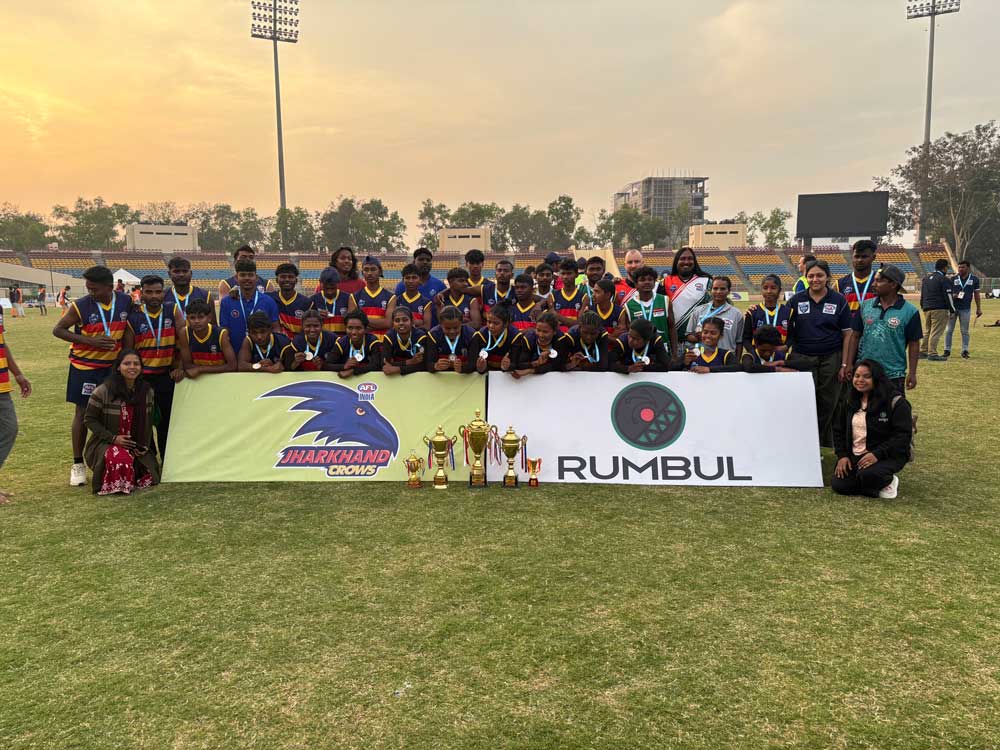
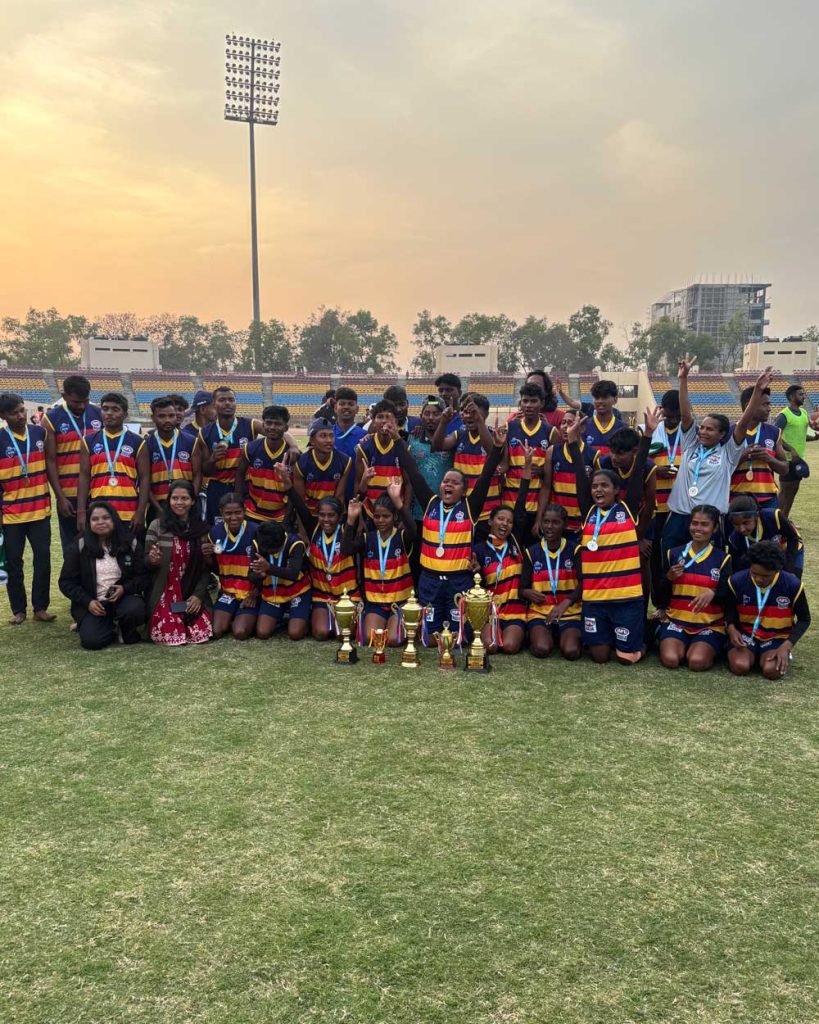
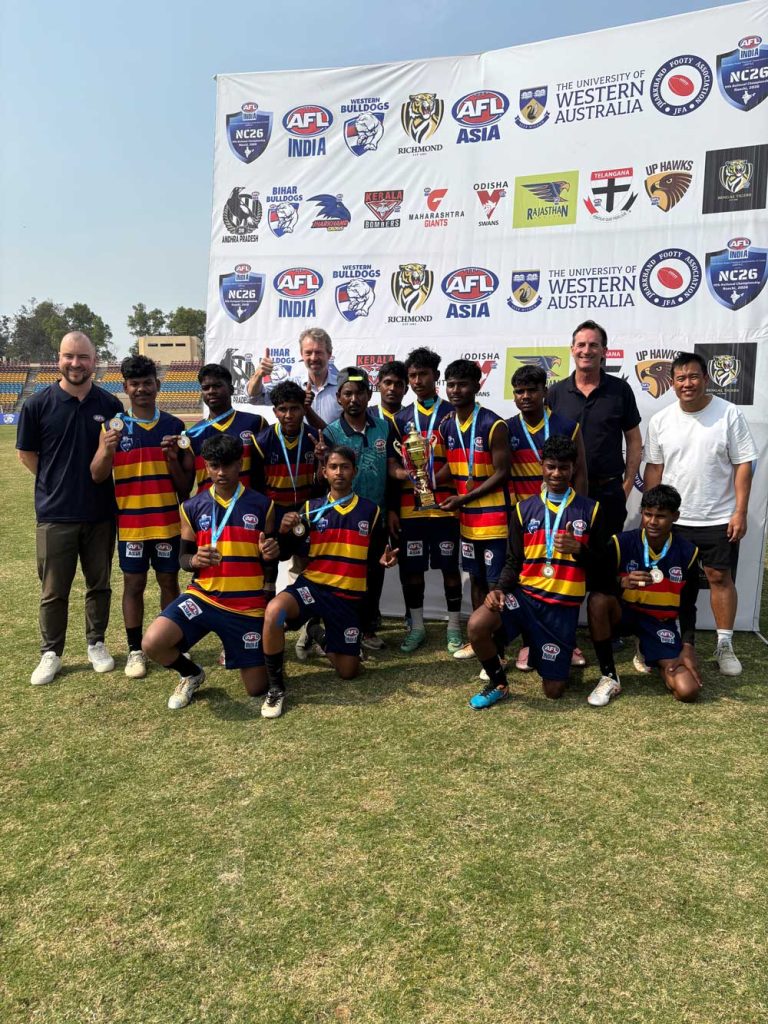
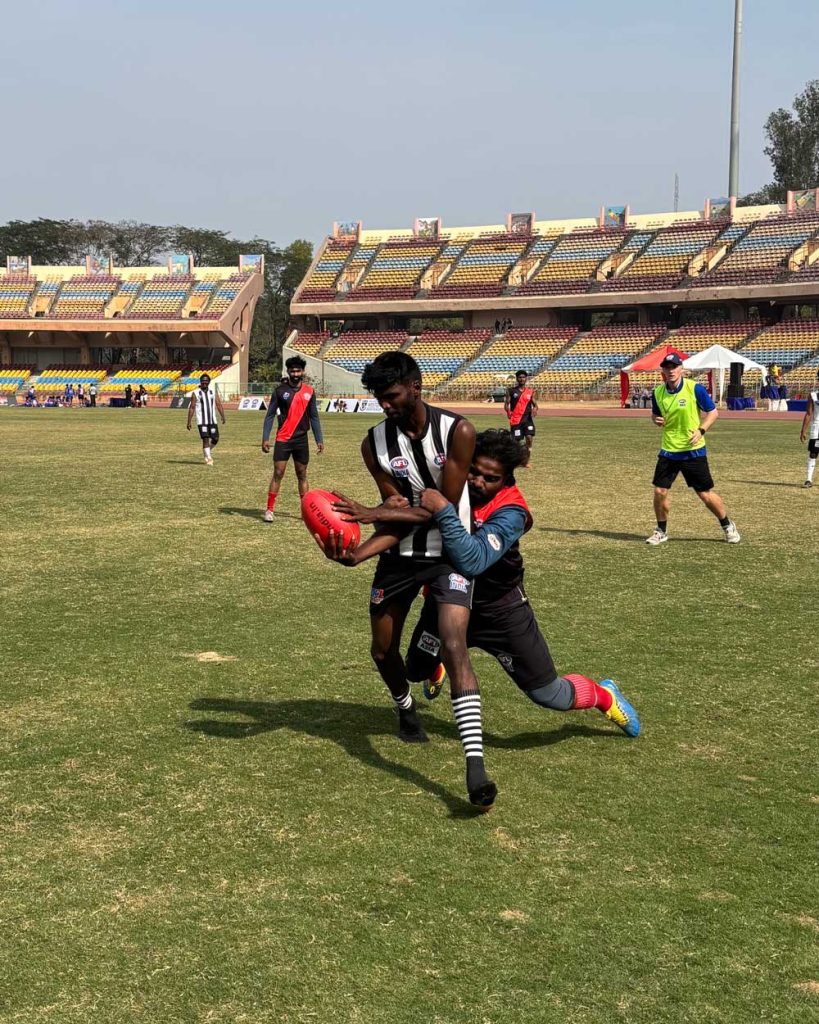
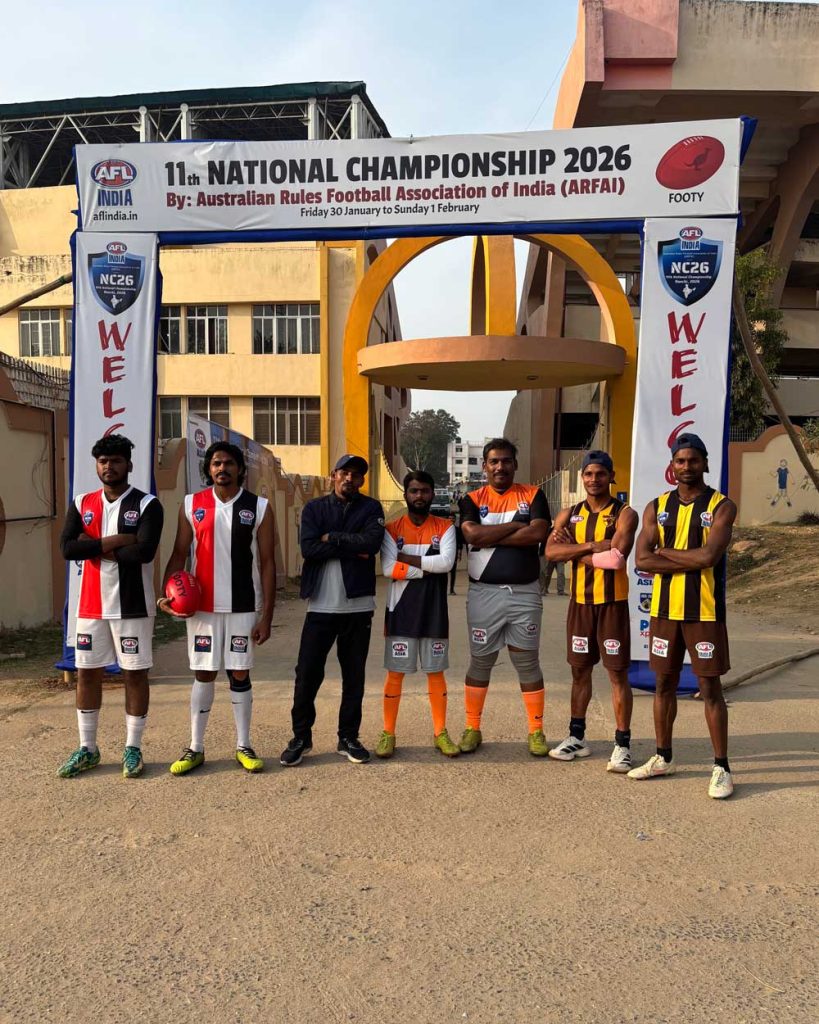
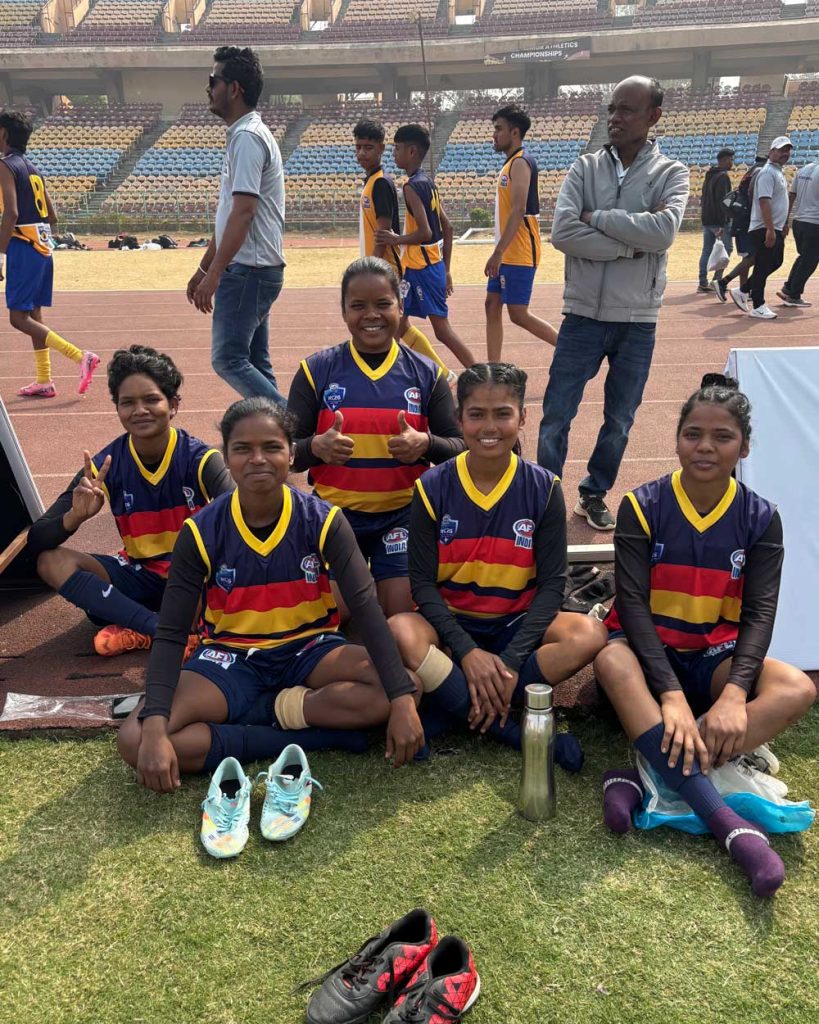
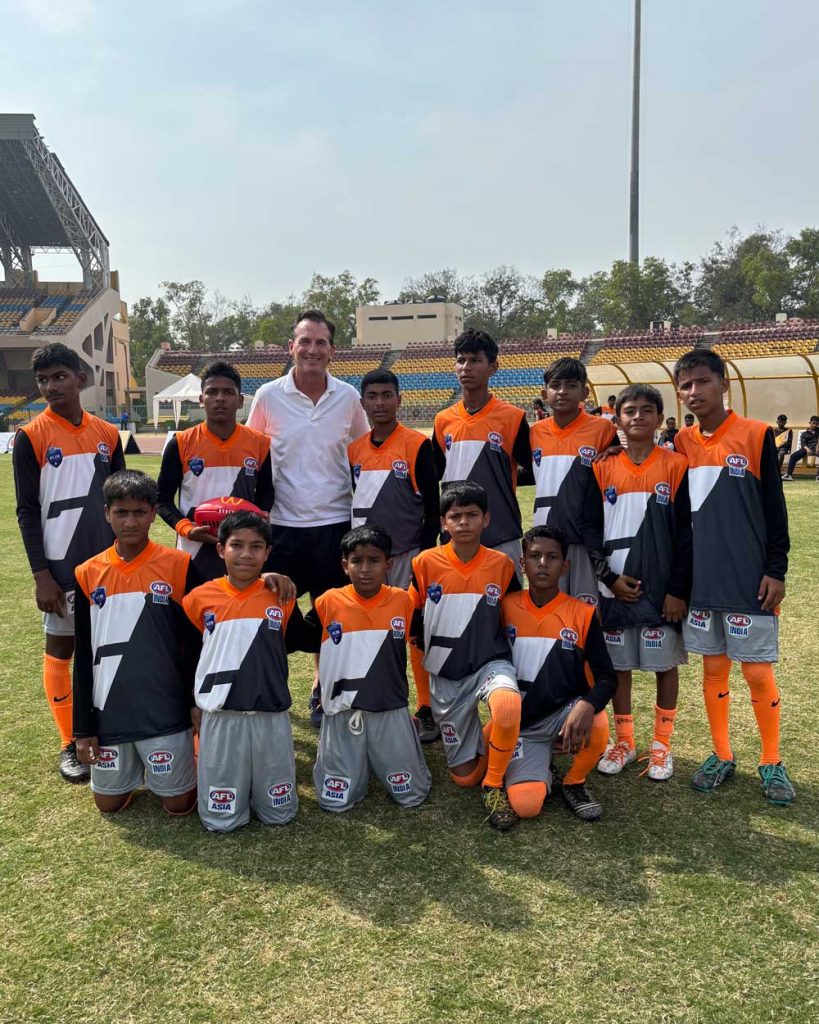
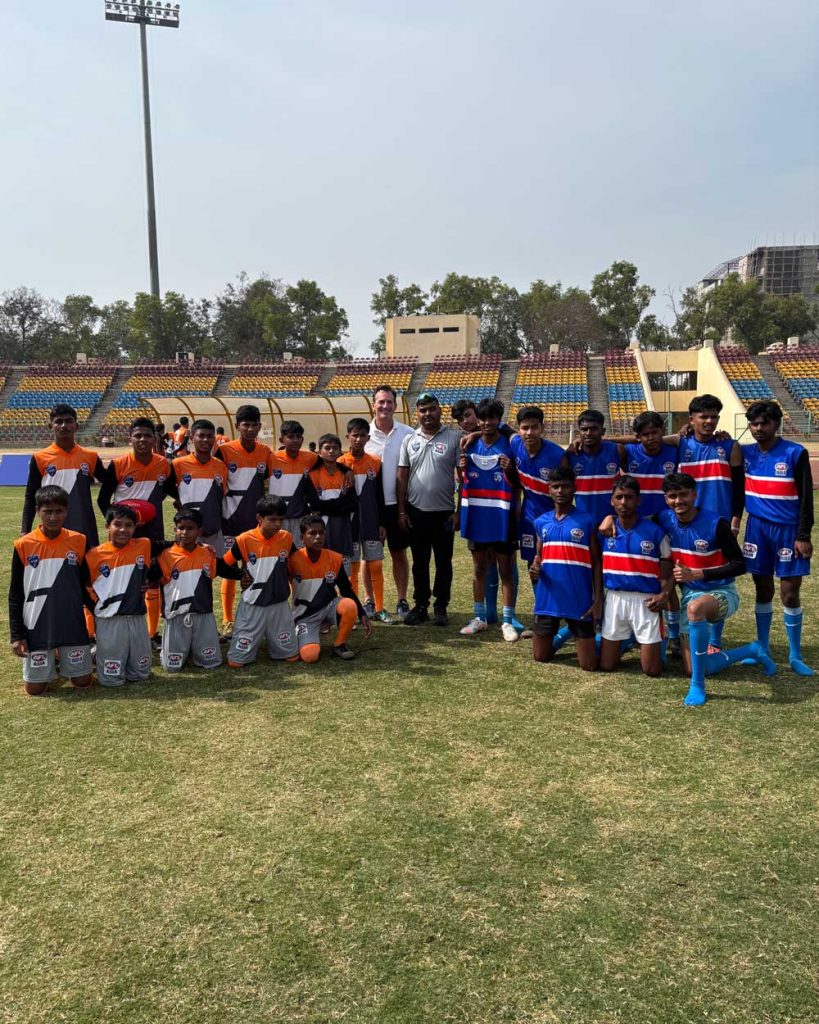
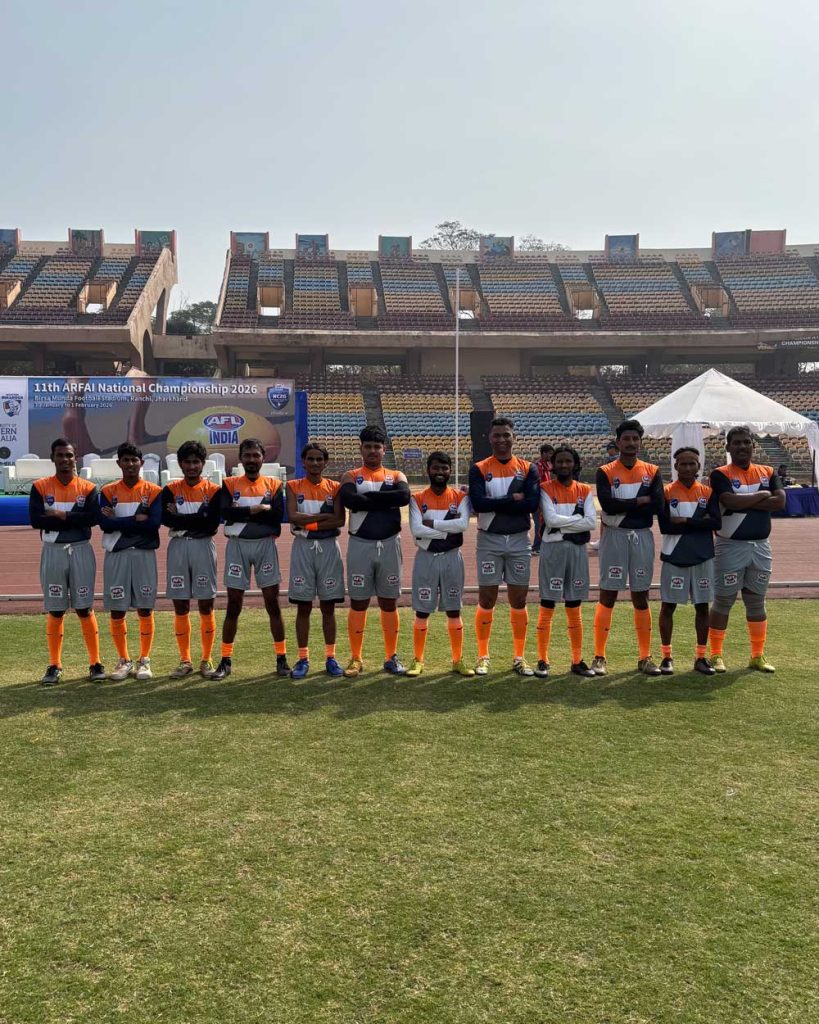
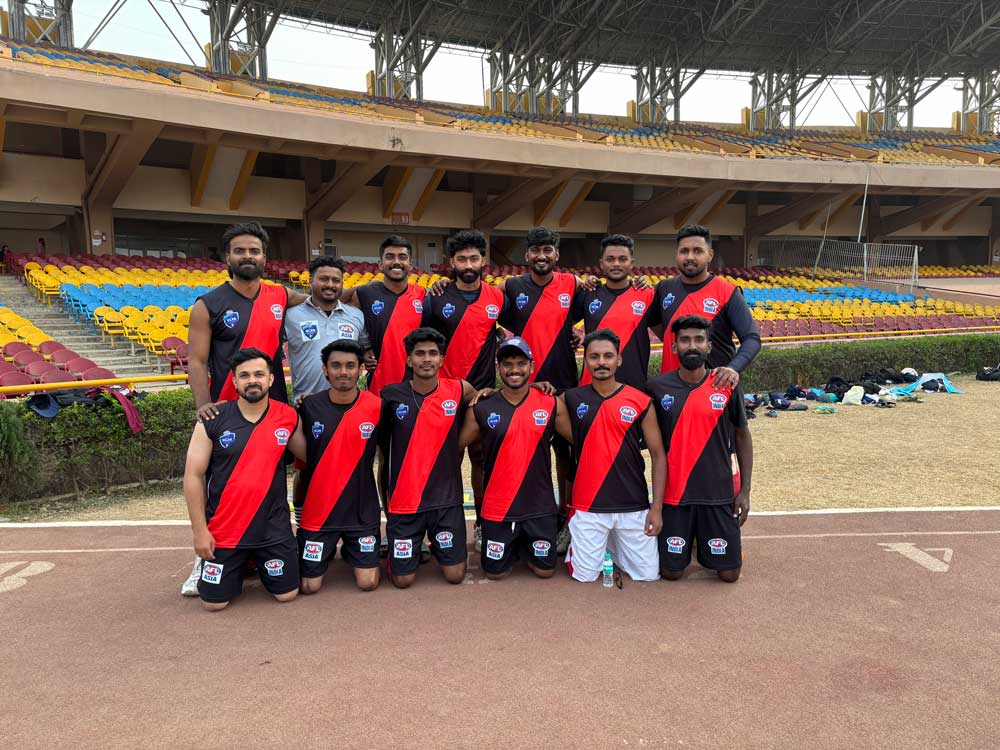
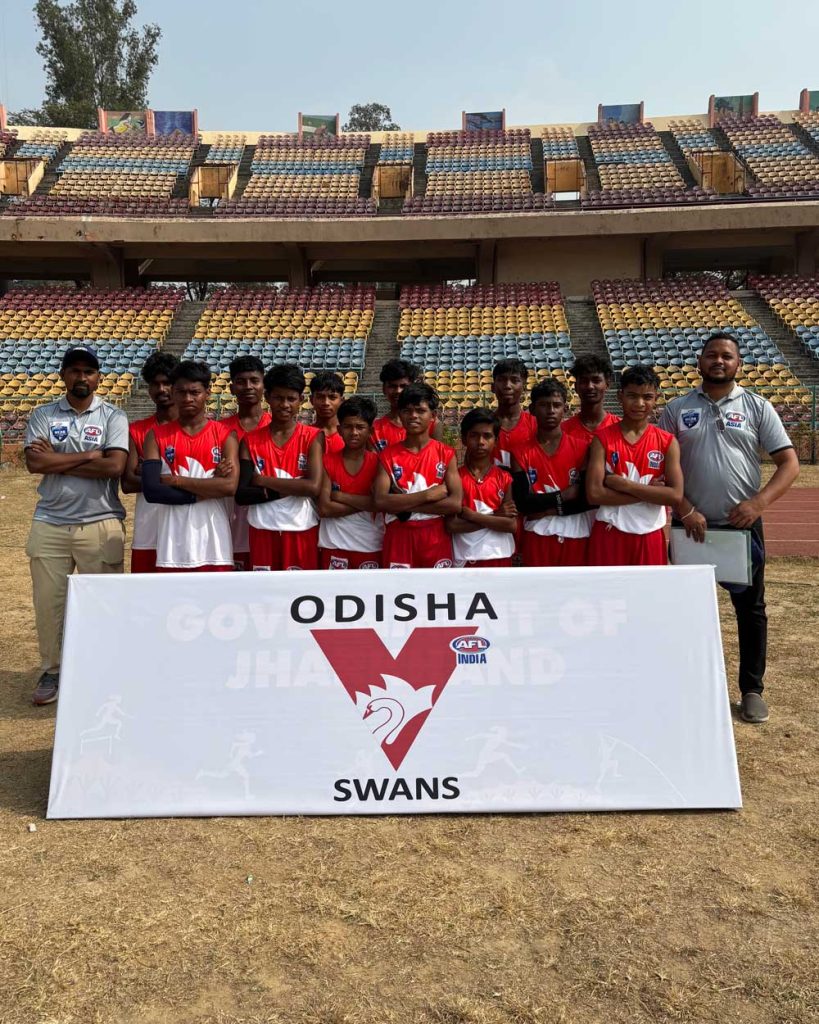
That growth was on full display in Ranchi, where the 2026 AFL India National Championships were held from 30 January to 1 February. The tournament featured around 250 male players and more than 45 women, highlighting the continued expansion of the women’s game alongside the men’s competition.
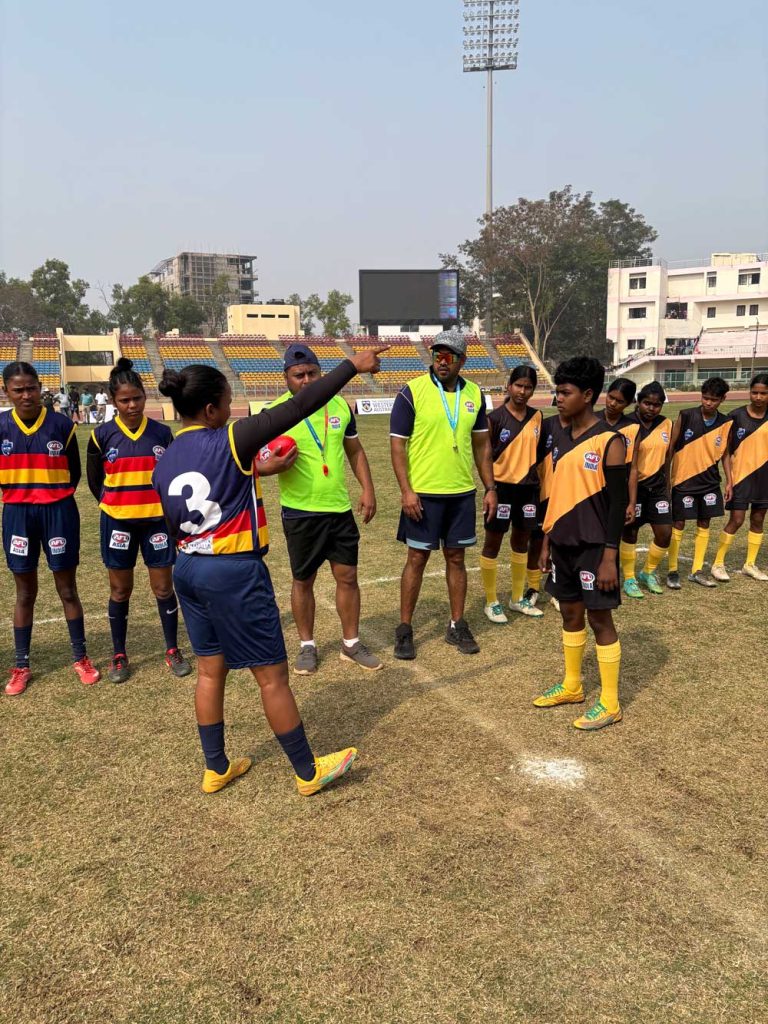
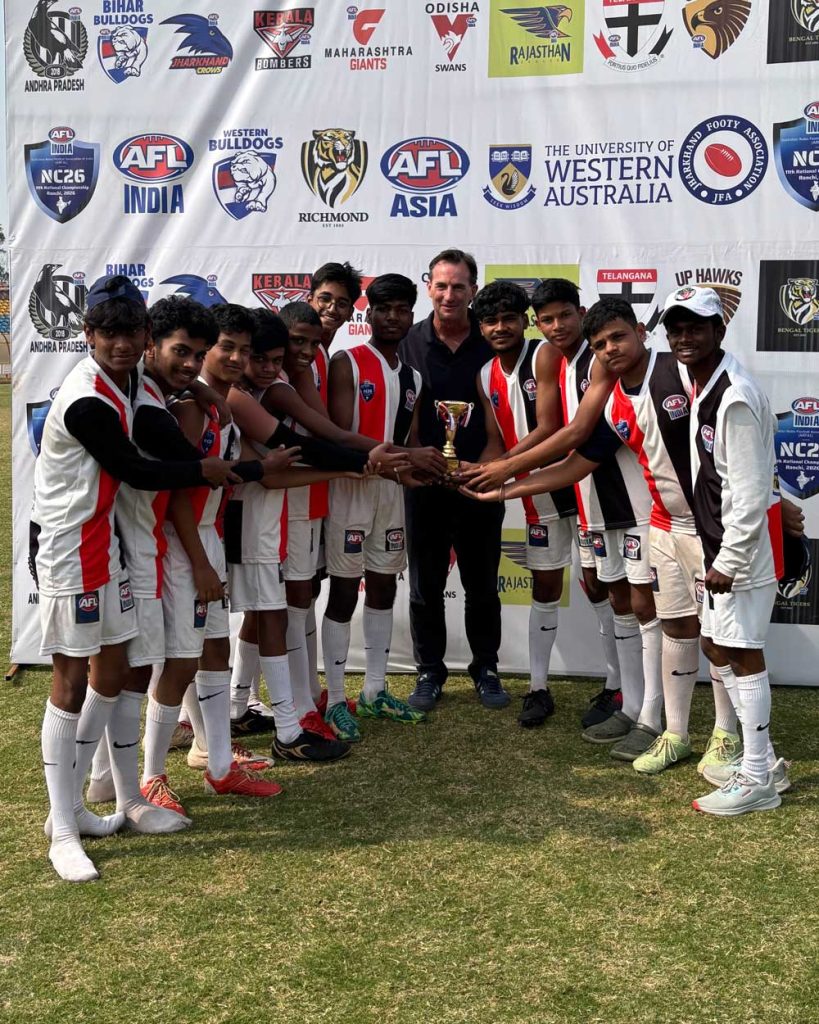
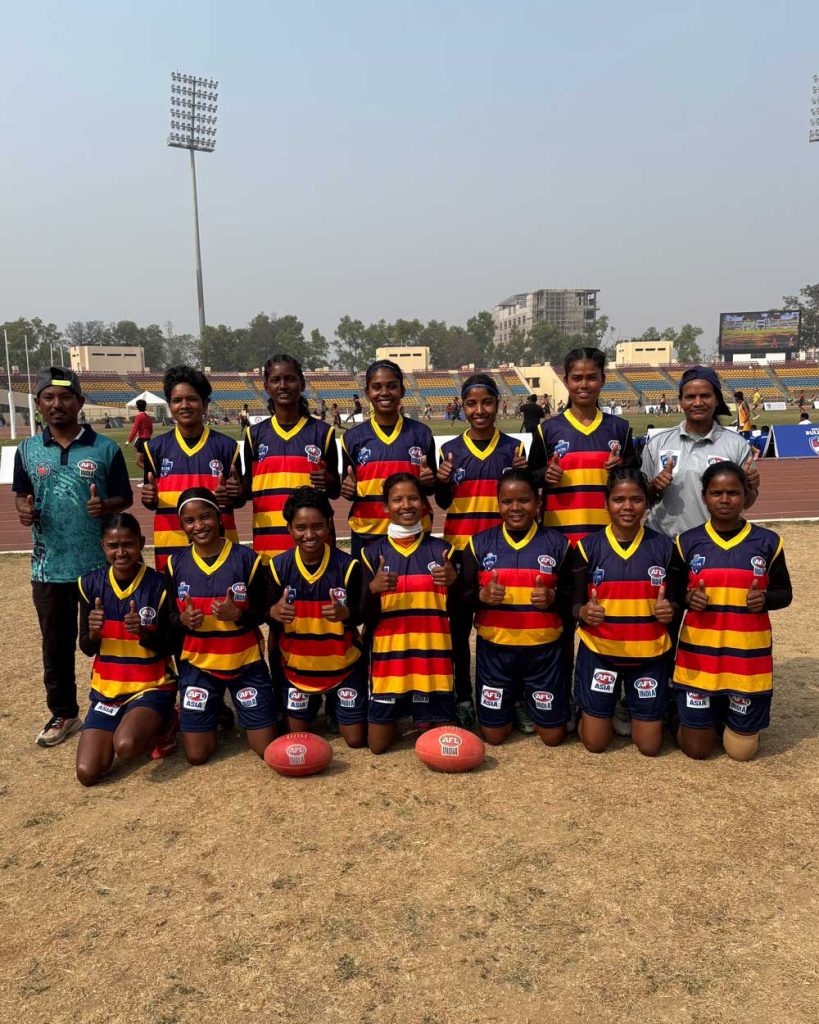
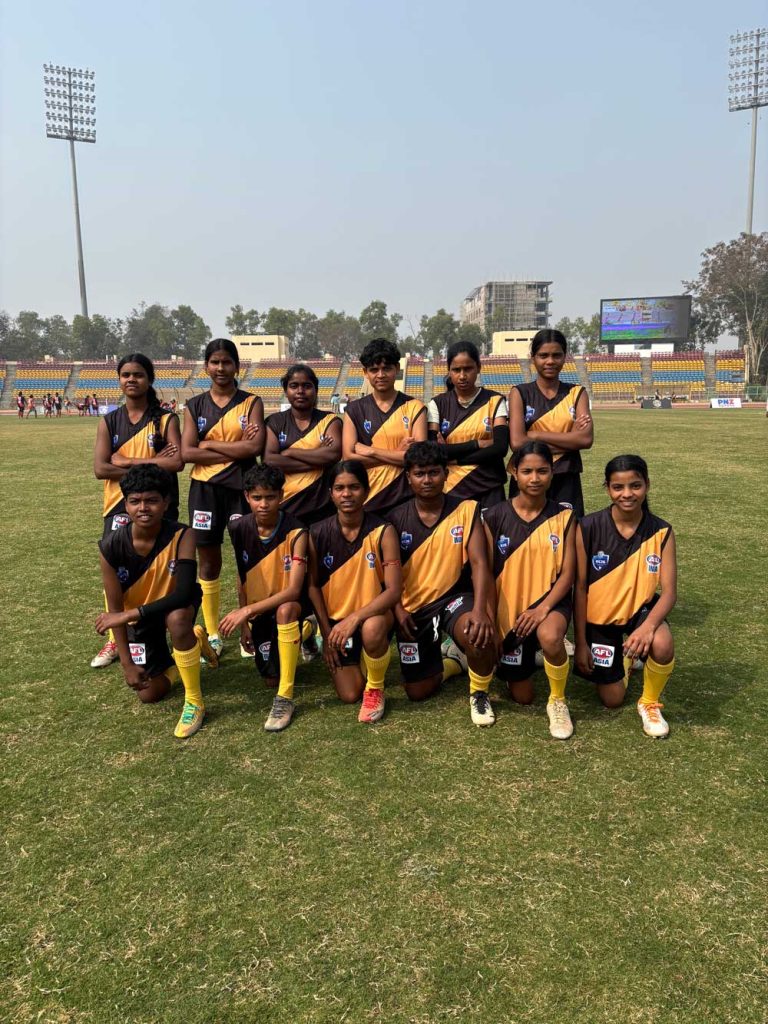
The championships brought together teams from across the country, including the Uttar Pradesh Hawks, Rajasthan Eagles, Maharashtra Giants, Telangana Saints, Kerala Bombers, Bihar Bulldogs, Bengal Tigers, Jharkhand Crows, Odisha Swans, Andhra Pradesh Magpies and the Tamil Nadu Kangaroos. On the field, the host state’s Jharkhand Crows claimed both the men’s and junior boys’ titles, while the Bengal Tigers were crowned women’s champions.

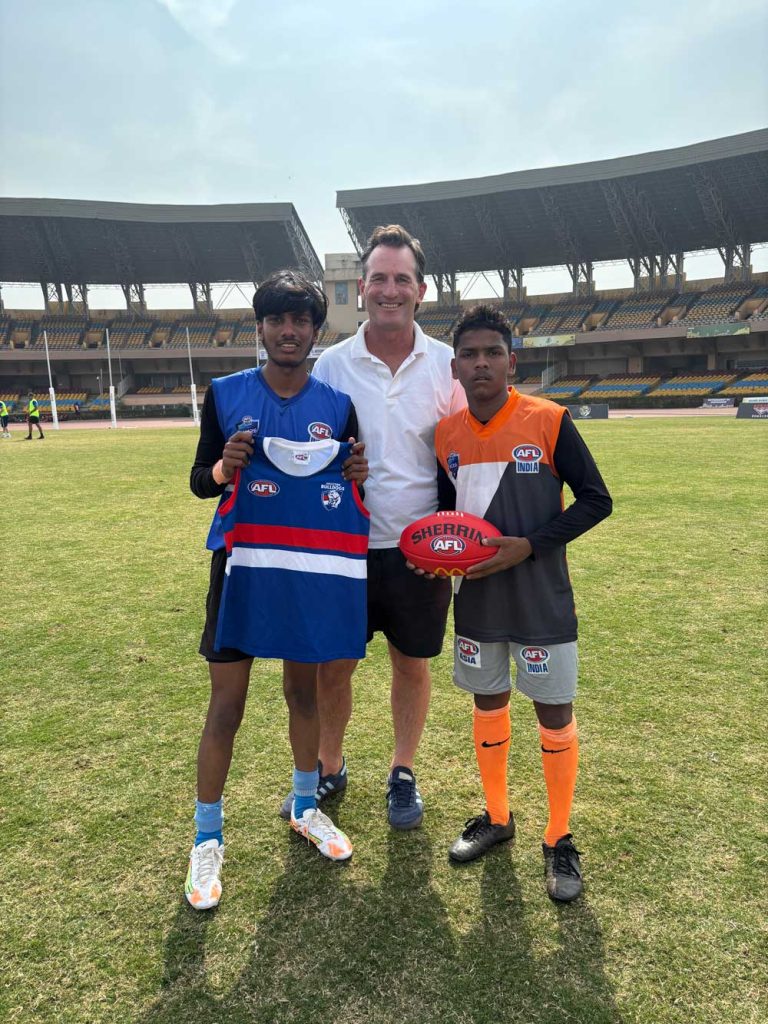
For Dillon, attending the championships was a fitting conclusion to a week focused on connection – both within India and with the Indian diaspora in Australia.
“I’m looking forward to meeting with a range of business and community leaders over the coming days, and I can’t wait to attend the AFL India National Championships in Ranchi this weekend,” he said earlier in the trip.
A major pillar of the AFL’s strategy in India has been accessibility, particularly through language and cultural connection. Last year marked a milestone with the first-ever AFL broadcast in Hindi during the Cultural Heritage Series match between the Western Bulldogs and GWS. The initiative opened the game to new audiences and will return in 2026, alongside the Cultural Heritage Series and continued alternate-language broadcasts.
The league’s broader ambition is clear: a goal of reaching one million participants globally by 2033. In India, this is being supported through initiatives such as the AFL Desi platform, community engagement programs, and deeper ties with the Indian diaspora.
An early catalyst for the India focus came in 2025, when Dillon joined Dr Sushil Kumar, Consul-General of India, and the Centre for Australia–India Relations (CAIR) at an India–Australia roundtable. The discussions centred on how the AFL could better connect with Indian communities in Australia while building authentic pathways for the sport in India itself.
As participation numbers continue to rise and national competitions gain momentum, the AFL’s presence in India is moving from exploration to establishment. With strong volunteer leadership, growing female participation and renewed broadcast initiatives, Australian football’s footprint in India is no longer a future concept – it is already taking shape.