“An opulent city lay at my mercy… vaults piled with gold and jewels.” – Robert Clive, 1757
In the early eighteenth century, Murshidabad was not merely wealthy – it was one of the richest cities on earth. Capital of Bengal and nerve centre of global trade, it radiated prosperity so immense that European powers fought to access it. Travellers described it as a city overflowing with silk, silver, and jewels; historians later argued that its plunder helped finance Britain’s rise as an industrial power.
Bengal itself was among the world’s richest regions, contributing nearly 5% of global GDP. Murshidabad, its capital, sat at the heart of this wealth. The Nawab’s treasury was said to rival the combined fortunes of Europe’s aristocracy. Dutch, French, Portuguese, British, Armenian, and Jewish merchants converged here, competing for favour in a city governed not by conquest but by commerce.
Murshidabad’s ascent began under Murshid Quli Khan, who shifted Bengal’s capital from Dhaka in 1704, bringing vast reserves of gold and silver. Under his rule, the city became a global hub of silk, muslin, shipbuilding, banking, and bullion. Bengal-built ships – more durable than English oak – carried silk, saltpetre, opium, and jewels across oceans. Cossimbazar emerged as one of Asia’s most important mercantile centres, hosting East India Company factories and powerful indigenous banking houses like the Jagat Seths, often called the “Rothschilds of the East.”
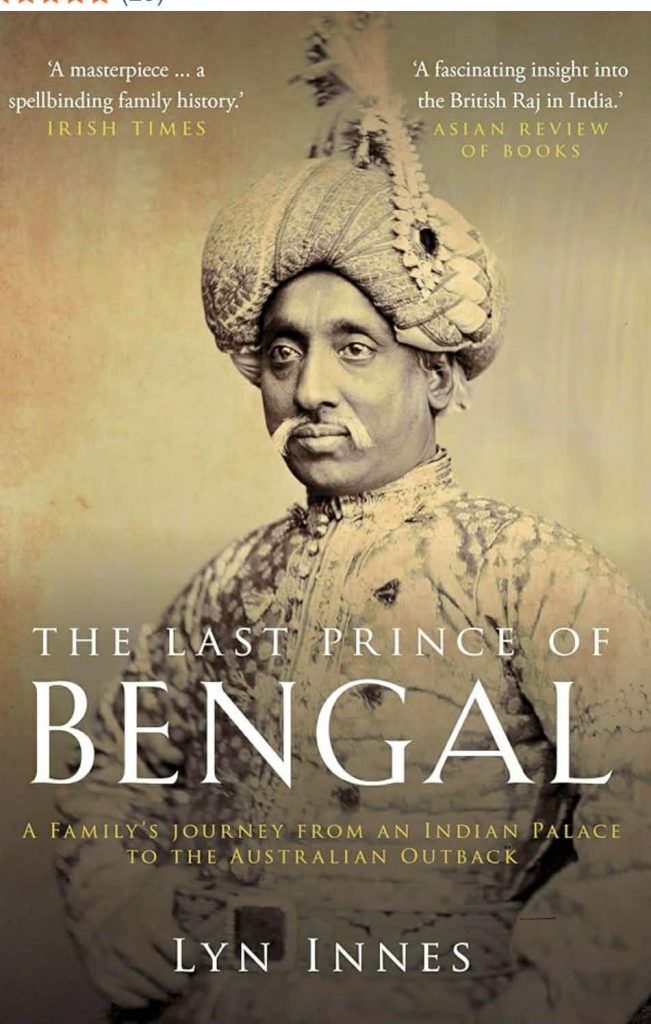
What made Murshidabad extraordinary was its secular economic ecosystem. Hindu elites, Muslim Nawabs, Jain bankers, Armenian traders, Jewish merchants, and European companies worked side by side. Wealth flowed from collaboration – between farmers, weavers, artisans, shipbuilders, and financiers – rather than imperial extraction.
That balance collapsed after the Battle of Plassey (1757). Robert Clive’s plunder of Murshidabad’s treasury marked one of history’s greatest corporate windfalls. The city’s mint, estates, and revenues fell under British control. Bengal’s wealth – built over centuries – was drained to finance British wars, estates, universities, and churches. Historians like William Dalrymple and Shashi Tharoor argue that this extraction accelerated Britain’s industrial growth while impoverishing India. Economist Utsa Patnaik estimates the total drain at $45 trillion.
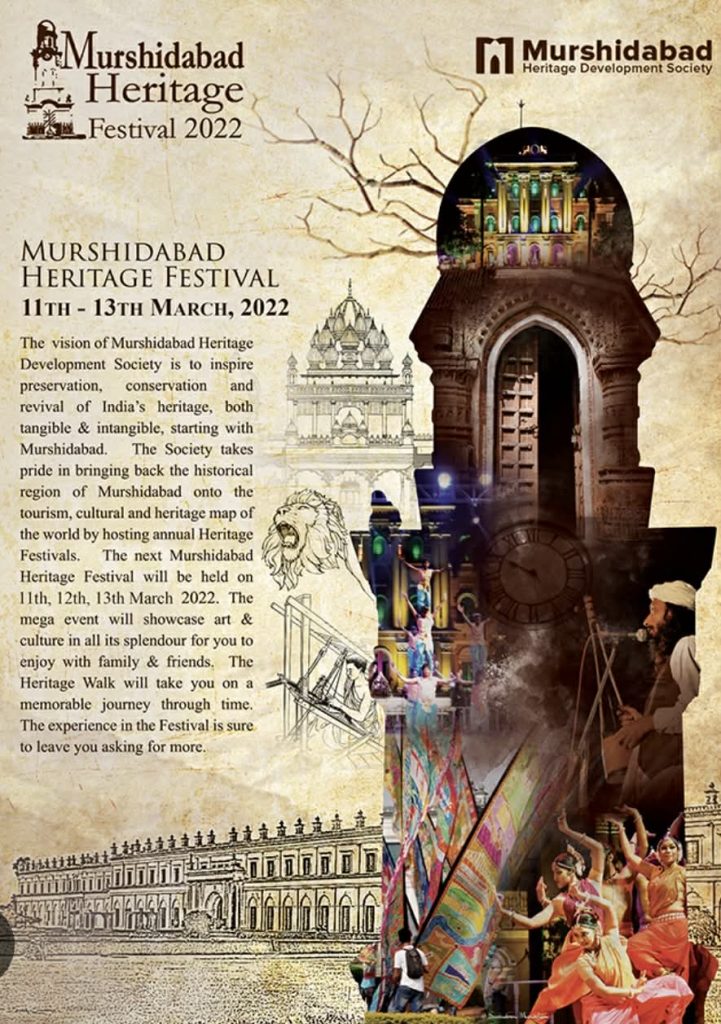
Murshidabad’s influence extended far beyond Bengal. Its revenues sustained Mughal emperors, funded imperial campaigns, and supplied Europe with saltpetre – the key ingredient in gunpowder. Bengal textiles dominated global markets, accounting for roughly 25% of world textile trade by the mid-1700s. Muslin so fine it could pass through a ring adorned European royalty, while Baluchari silks blended Persian, Chinese, and Indian motifs into wearable art.

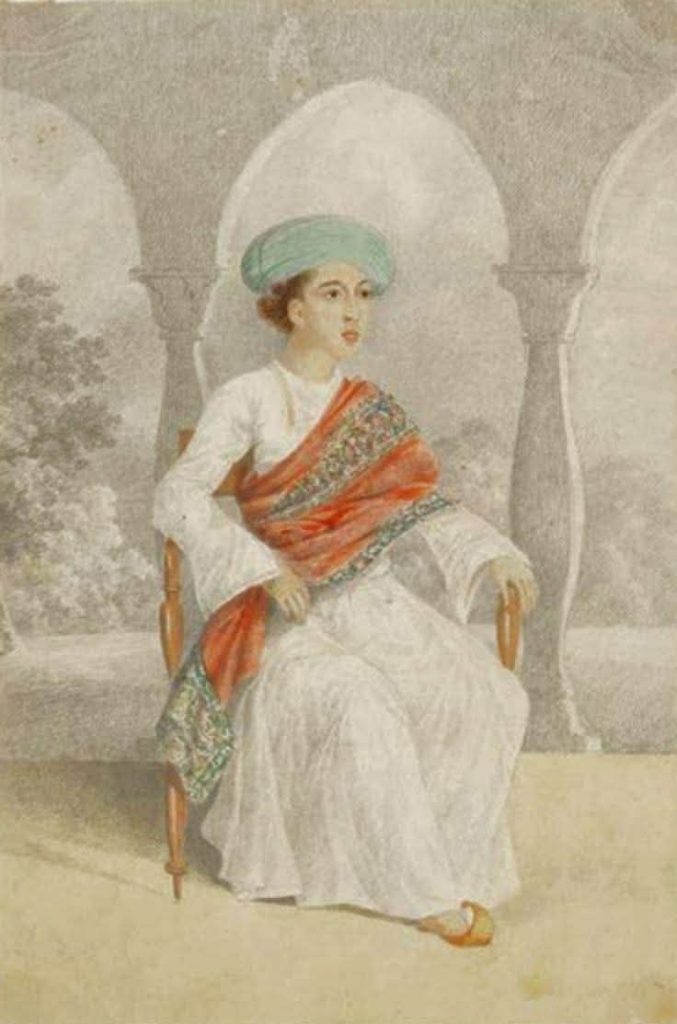
The city was also an intellectual and administrative powerhouse. Figures such as Raja Rammohan Roy, Maharaja Nandakumar, Manik Chand Bose, and Nabakrishna Deb emerged from Murshidabad’s political and financial world, shaping Bengal’s transition into the colonial era.
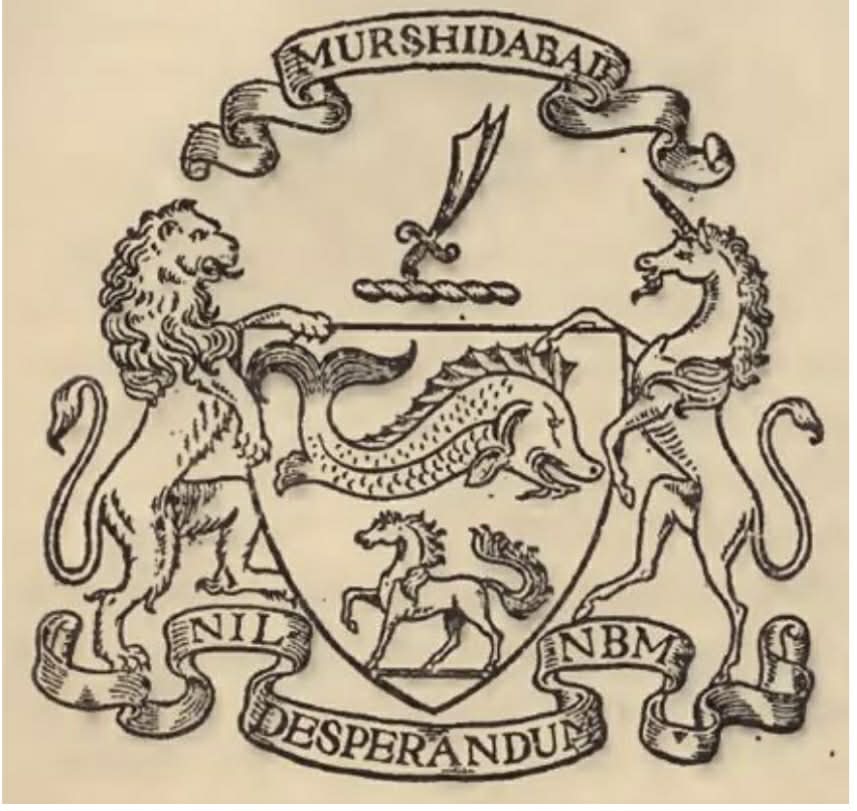
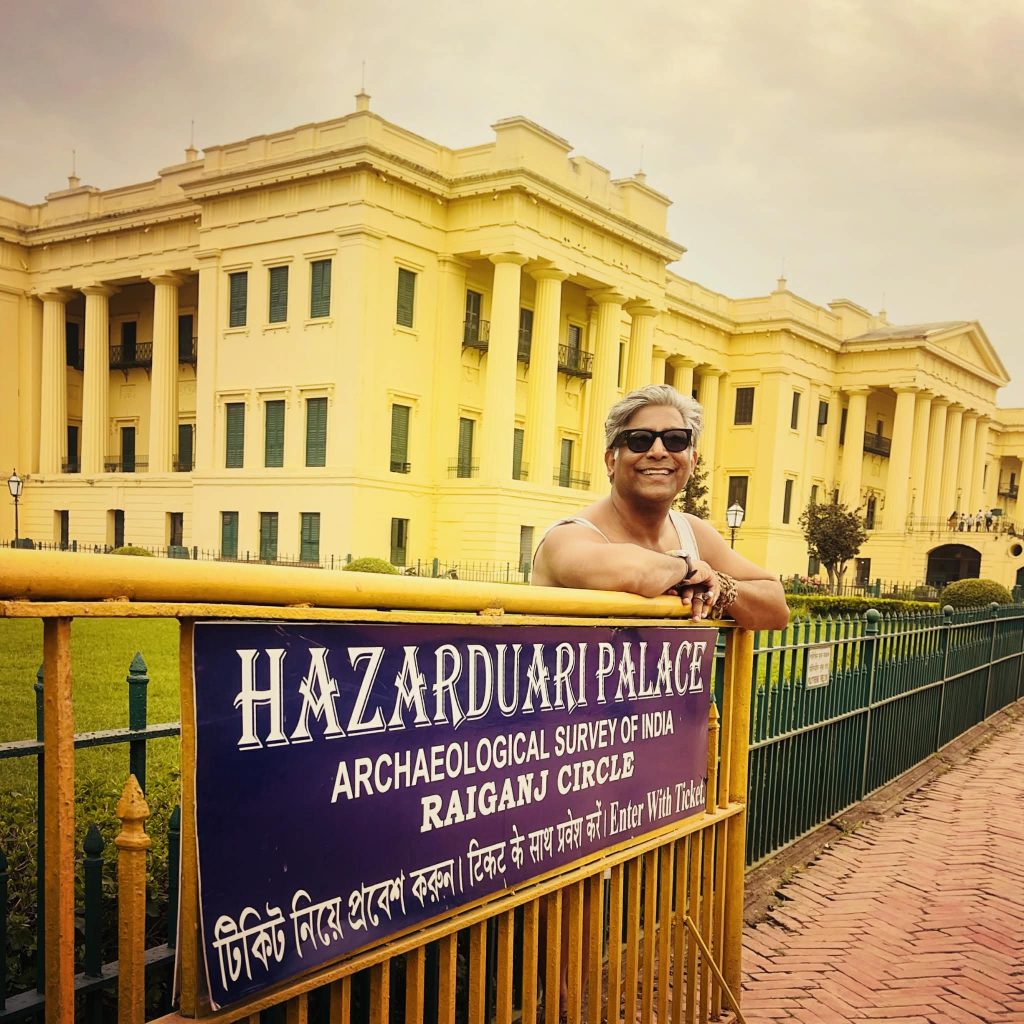
After Plassey, Murshidabad declined. Palaces faded, Nawabs became pensioners, and wealth bypassed local development. Yet the city never lost its memory. Standing today at Hazarduari Palace – with its thousand doors, chandeliers, and portraits of Nawabs – one still senses the grandeur of a city that once commanded global trade.
Murshidabad now lives as history in motion. Its mosques, rajbaris, Jain temples, silk workshops, and heritage festivals tell a story of opulence rooted in enterprise and coexistence. Occasionally, gold coins surface during construction; Murshidabad jewels reappear at international auctions. The echoes remain.
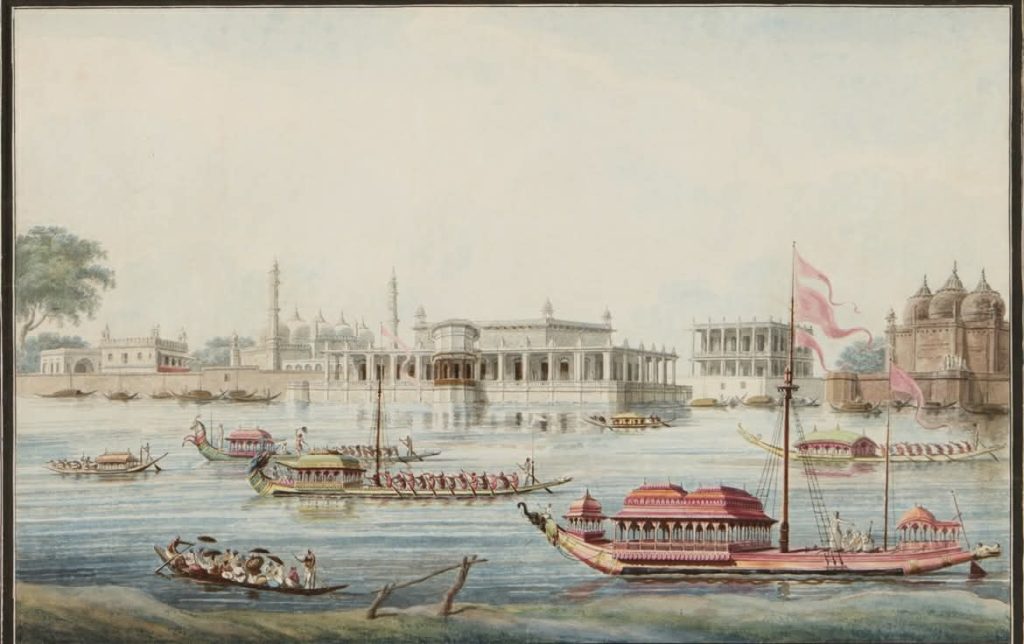
Once the wealthiest city in the world, Murshidabad is a reminder that Bengal’s prosperity was not accidental – it was created through skill, cooperation, and a secular economy unmatched in its time. Its legacy whispers of a civilisation that enriched the world, even as the world forgot its name.