The AFC Women’s Asian Cup 2026 has concluded in spectacular fashion, with Japan women’s national football team crowned champions after a hard-fought 1-0 victory over the Australia women’s national soccer team in front of a sold-out crowd at Stadium Australia.
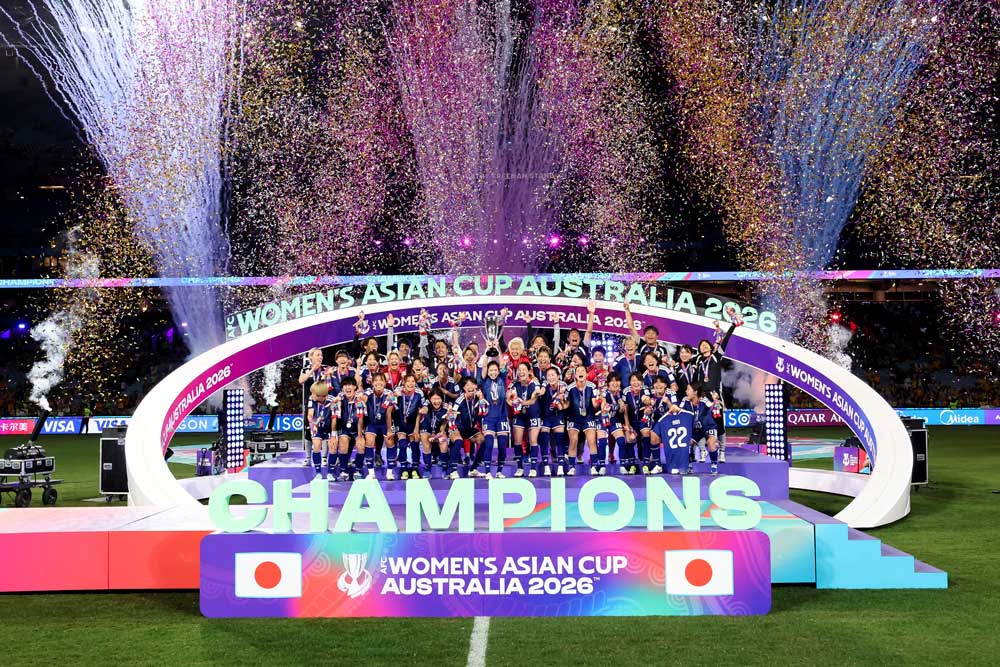
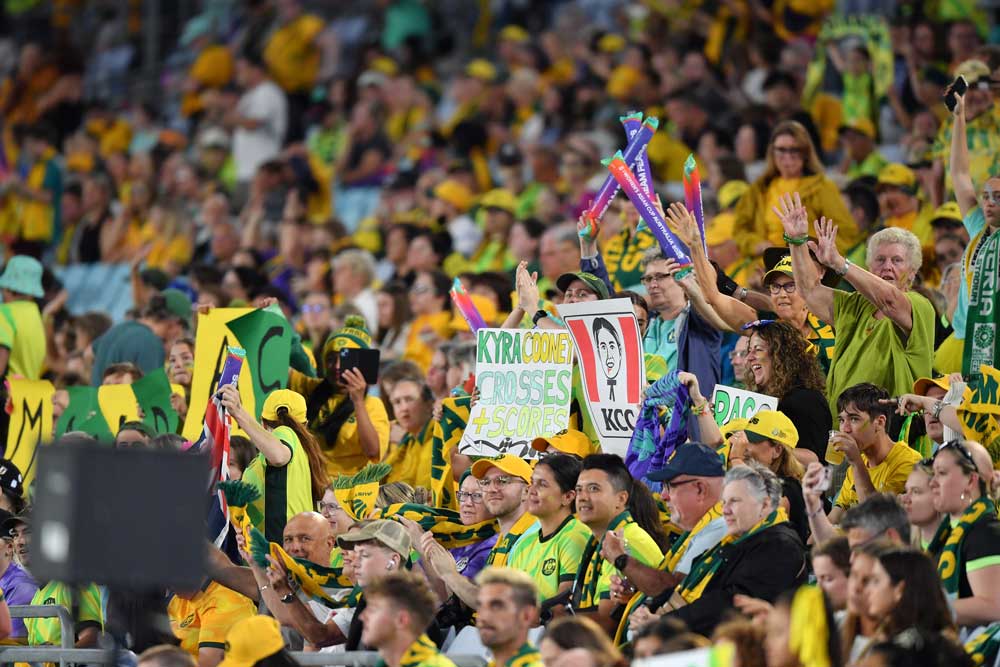
The final attracted 74,397 fans, marking the highest attendance in the tournament’s history and closing what has been the most successful edition of the Women’s Asian Cup to date. Across the three host cities – Sydney, Perth, and the Gold Coast – a total of 355,528 spectators attended matches, highlighting the growing popularity of women’s football.
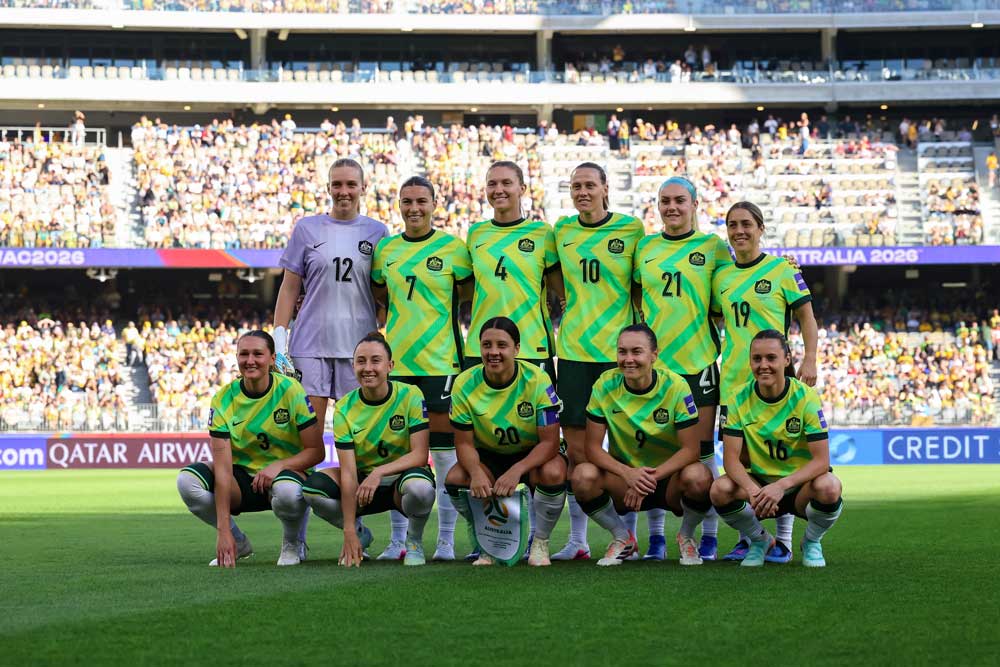

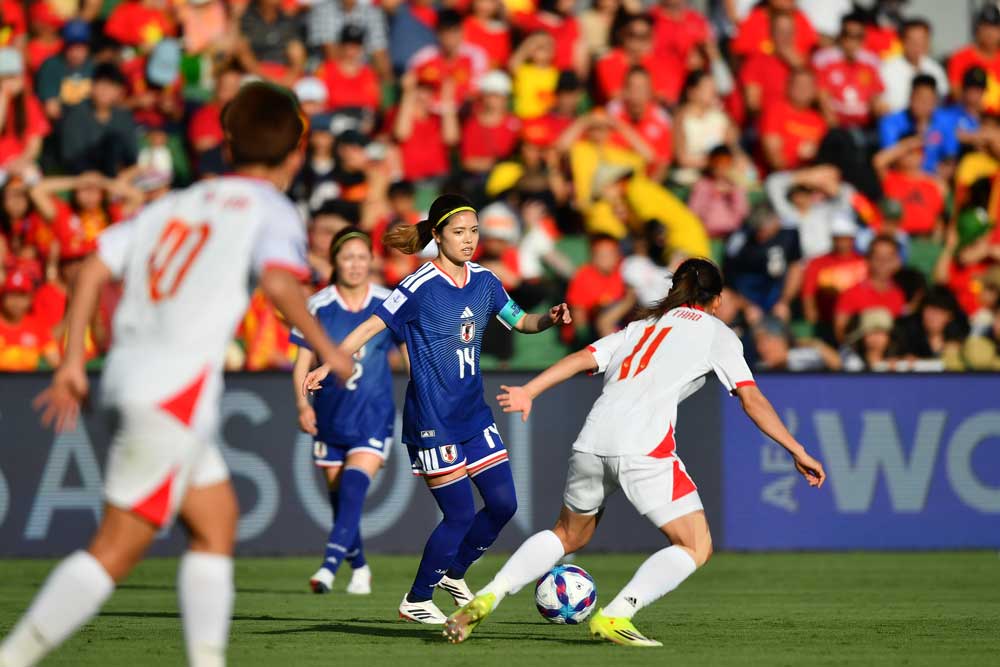
The tournament consistently broke records from the opening match, where over 44,000 fans watched Australia take on the Philippines, to later fixtures that continued to push attendance figures higher. Even matches between non-host nations saw record crowds, reflecting strong support across diverse communities.
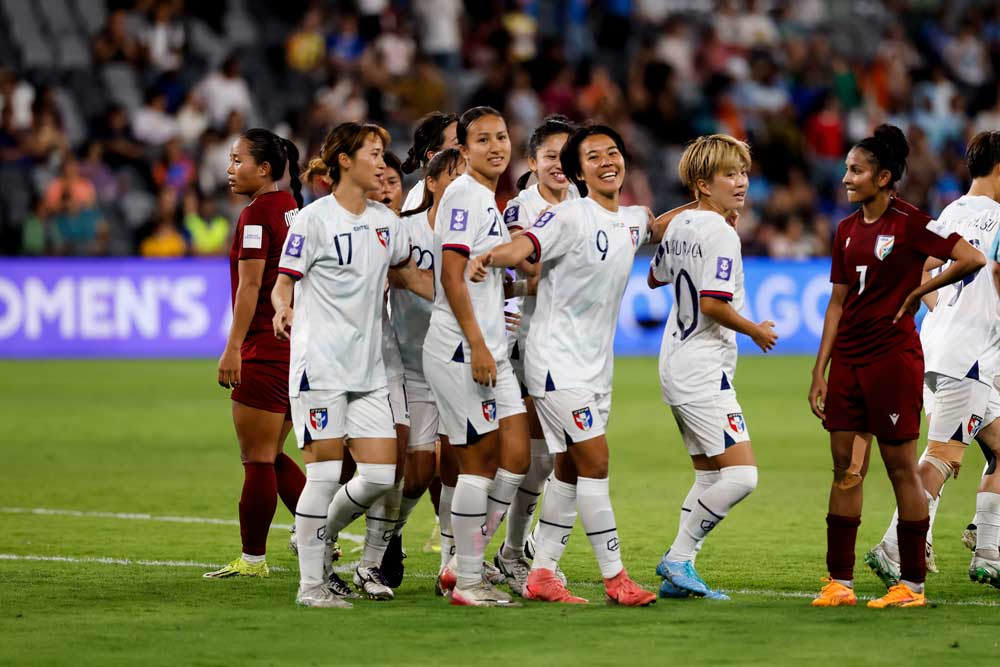
Over 21 days, the competition delivered unforgettable moments on and off the pitch. Packed stadiums, passionate fans and high-quality football created an electric atmosphere, showcasing the rapid growth and momentum of the women’s game across Asia and Australia.
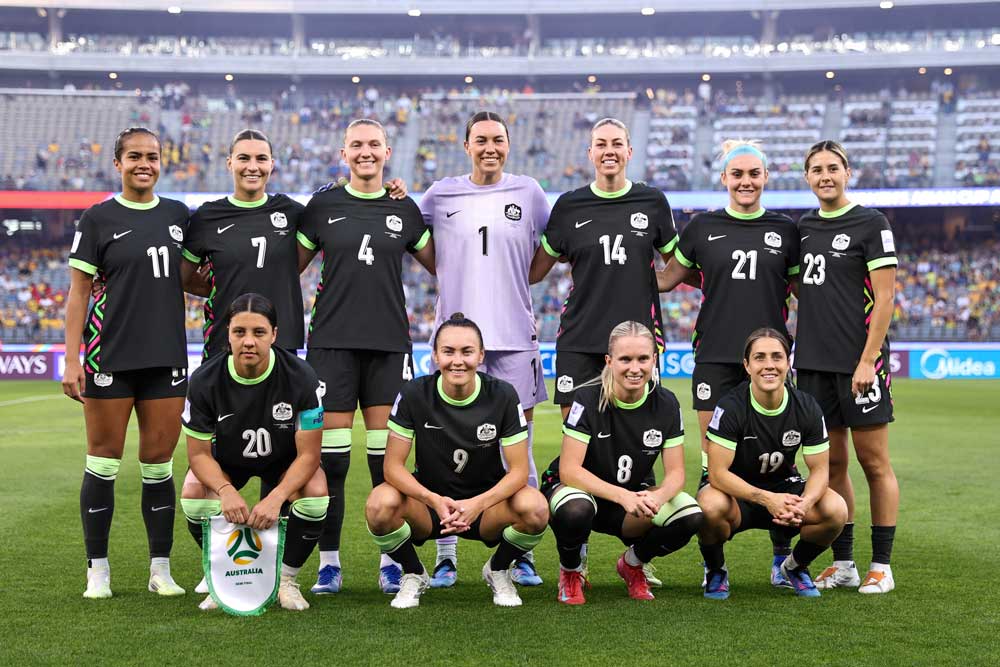
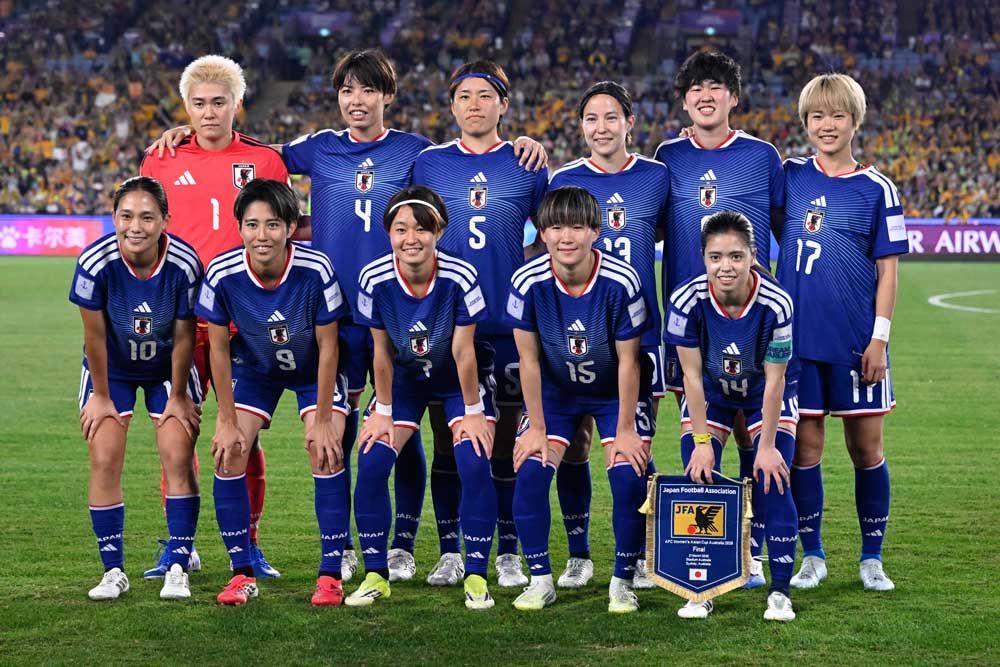
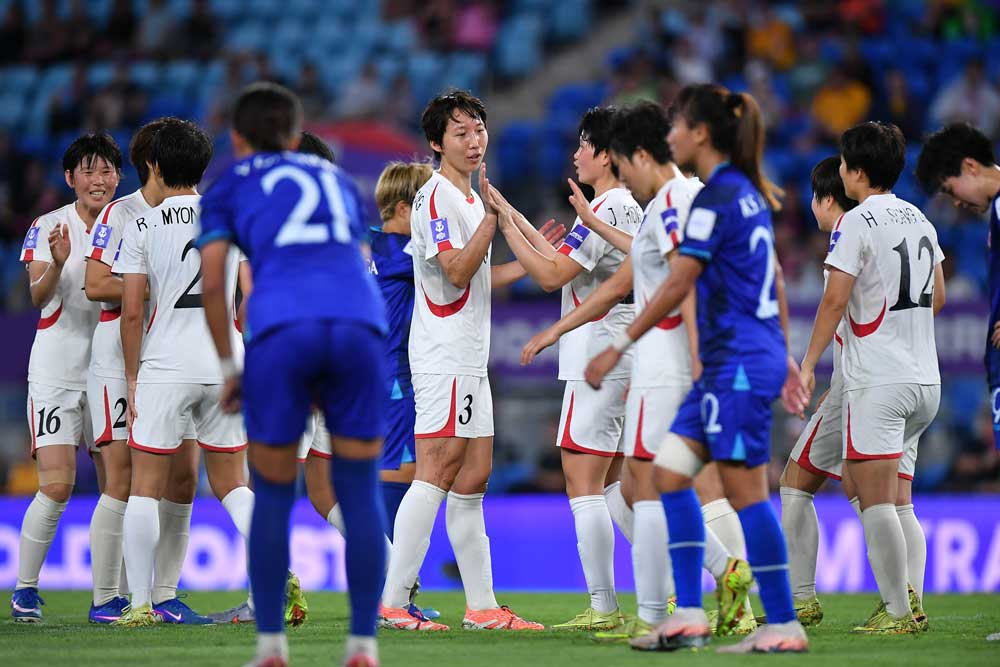
The tournament also determined six nations that will represent Asia at the FIFA Women’s World Cup 2027. Alongside Australia and Japan, teams including China PR, Korea Republic, Philippines and Korea DPR secured qualification, marking a major milestone for the region.

This edition introduced several historic firsts, including the debut of the official match ball “WAVEMAKER,” the introduction of mascot Naara, and the launch of the tournament anthem That’s How We Win. Video Assistant Referee (VAR) technology was also implemented from the group stage for the first time, alongside the largest-ever panel of match officials.
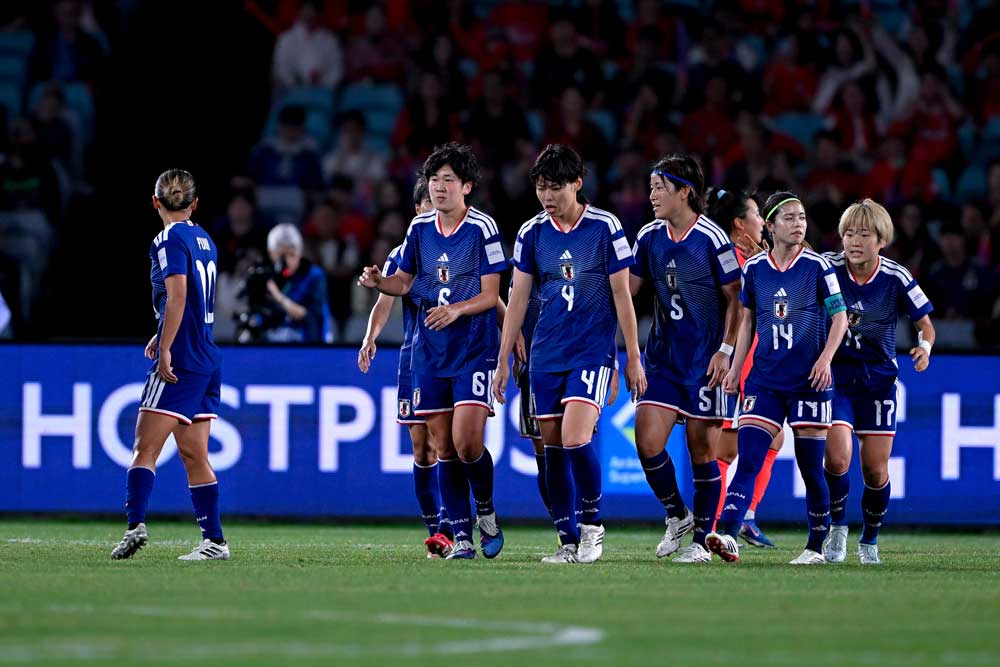

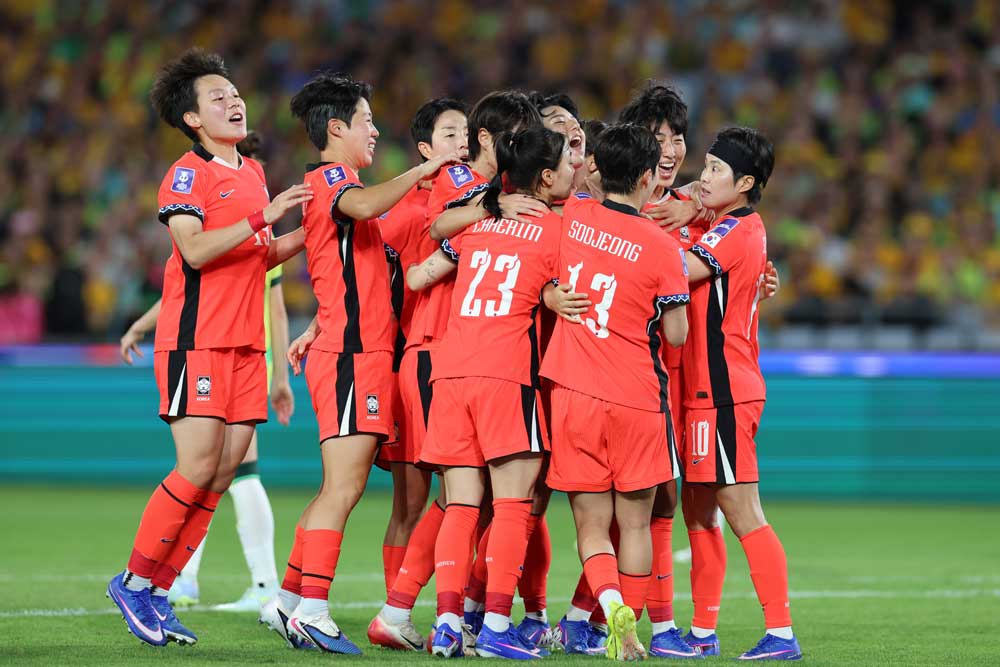
Beyond football, the tournament created a festival-like experience for fans, with vibrant fan zones, community activations and entertainment across all host cities. Performances from artists including Dami Im and G Flip added to the celebration, while Indigenous design elements reflected Australia’s cultural identity.

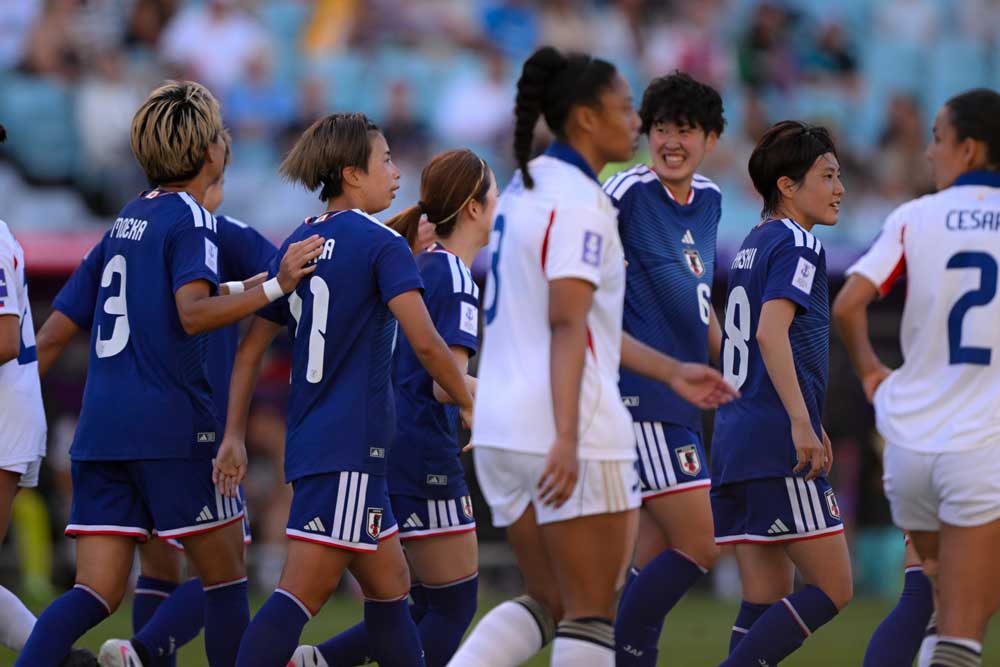
More than 1,200 volunteers played a vital role in delivering the event, with a diverse workforce representing 85 nationalities. Over half of the volunteers came from culturally and linguistically diverse backgrounds, reinforcing the inclusive and multicultural spirit of the tournament.

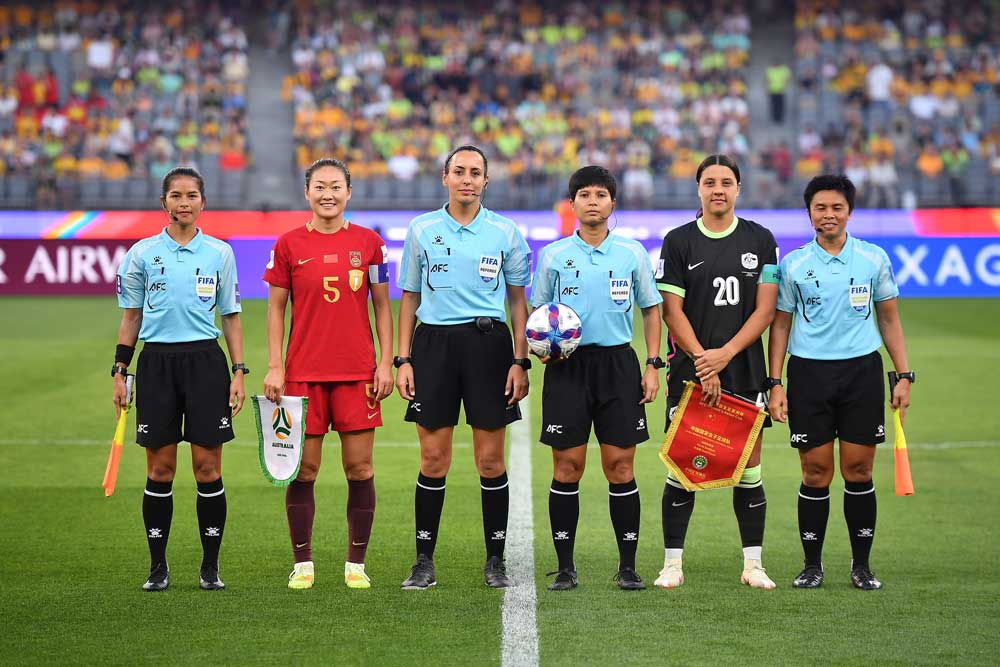
Leaders across government and sport have described the event as a landmark moment for women’s football. Officials highlighted the tournament’s impact not only in breaking attendance records but also in strengthening community connections, boosting tourism and inspiring the next generation of athletes.
As the curtain falls, the AFC Women’s Asian Cup 2026 leaves behind a powerful legacy – one defined by record-breaking crowds, global recognition and a renewed sense of momentum for women’s sport across the region.