Australia’s ongoing fuel price surge is reshaping how people buy and use cars, with more drivers turning to electric vehicles (EVs) and second-hand options as cost-of-living pressures continue to rise.
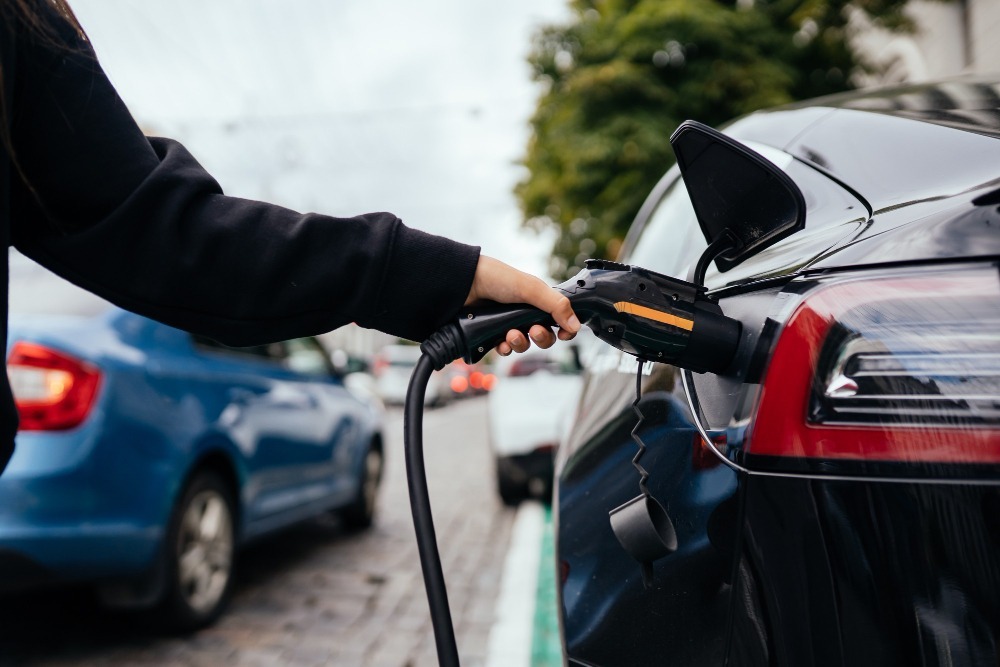
Recent trends show that soaring petrol and diesel prices – in some cases exceeding $2.50 to $3 per litre – are forcing households to rethink their transport choices. The shift is not gradual; it’s happening rapidly as everyday expenses climb and fuel becomes one of the biggest weekly costs for many families.
One of the most noticeable changes is the growing demand for electric vehicles. Industry data shows enquiries and sales for EVs have surged significantly in recent months, with some reports indicating search interest doubling and sales volumes rising sharply. This spike reflects a broader move towards vehicles that offer lower running costs and greater long-term savings.
Second-hand electric vehicles are emerging as a particularly popular choice. As new EVs can still be relatively expensive, many buyers are opting for used models as a more affordable entry point into the market. Demand has increased so quickly that used EV sales have jumped by around 30 per cent, with prices also rising due to limited supply.
The fuel crisis has also triggered a shift away from traditional petrol and diesel cars. In contrast to EVs, prices for used internal combustion engine vehicles have declined in some markets, reflecting changing consumer priorities. Buyers are now placing more value on running costs rather than just upfront purchase price.
In regional and suburban areas, where reliance on cars is higher, the trend is even more pronounced. Drivers who previously had limited alternatives are now actively considering EVs, especially as more models become available and charging infrastructure gradually expands.
Cost savings remain the biggest driver behind this shift. Electric vehicles offer significantly lower running costs compared to petrol cars, with electricity prices generally more stable than global oil markets. This predictability is becoming increasingly attractive for households trying to manage tight budgets.

At the same time, uncertainty around global fuel supply – driven by geopolitical tensions and market disruptions — is accelerating the transition. Industry experts suggest that external pressures, rather than just environmental awareness, are now pushing consumers towards electrification at a faster pace than expected.
Despite the growing demand, challenges remain. Limited availability of used EVs, longer wait times for new vehicles and gaps in charging infrastructure – particularly in regional areas – continue to impact how quickly Australians can make the switch.
Still, the direction is clear. As fuel prices remain volatile and household budgets tighten, Australia’s car market is undergoing a major shift – one that is increasingly defined by electric mobility and smarter, cost-conscious buying decisions.