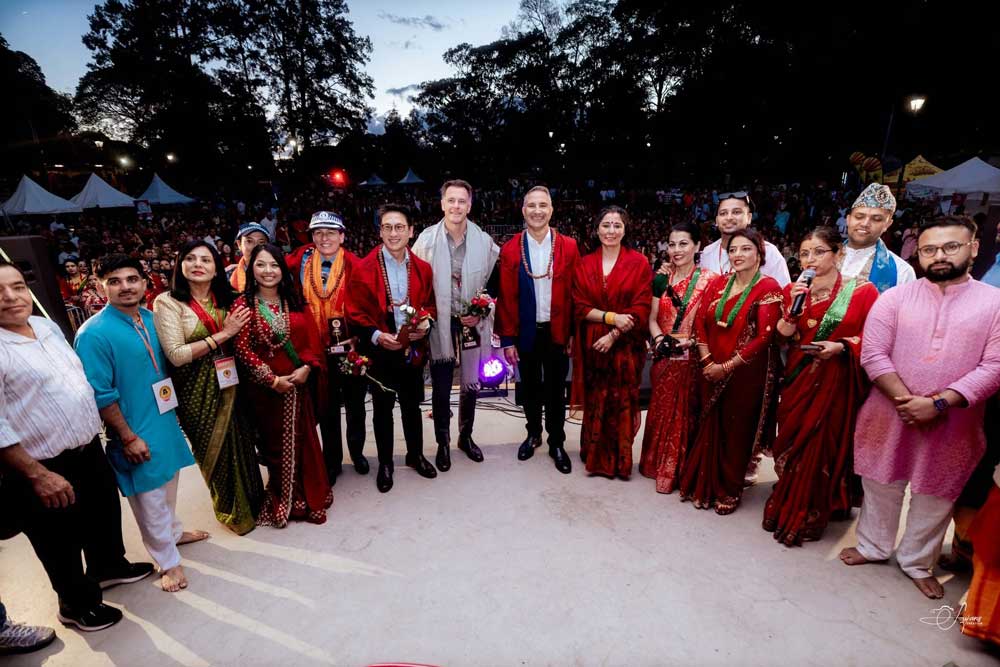
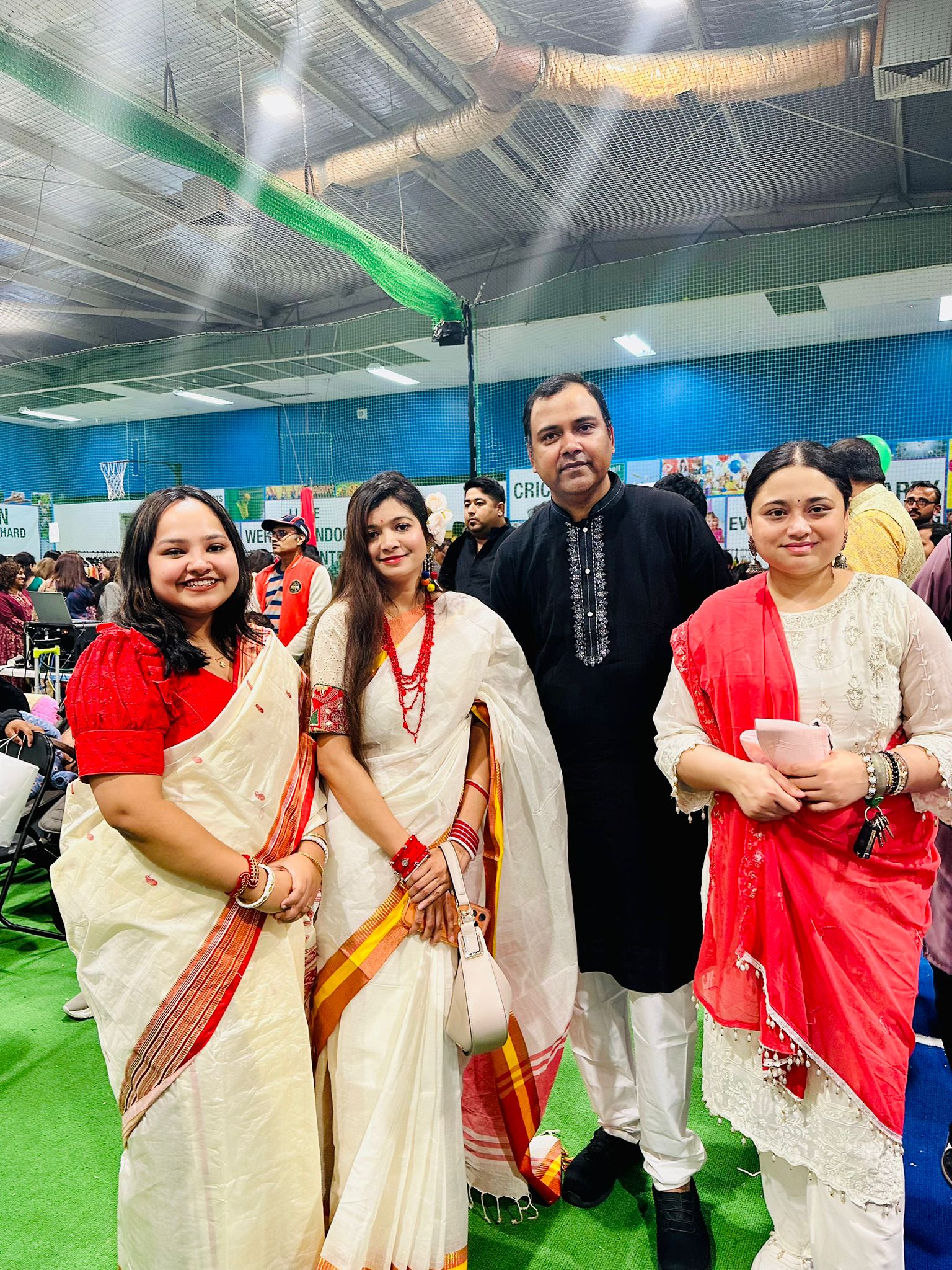
Melbourne’s west came alive with colour, culture and community spirit as Boishakhi Mela 2026 attracted a strong turnout, marking the Bengali New Year with a vibrant celebration that brought together families, performers and local businesses.
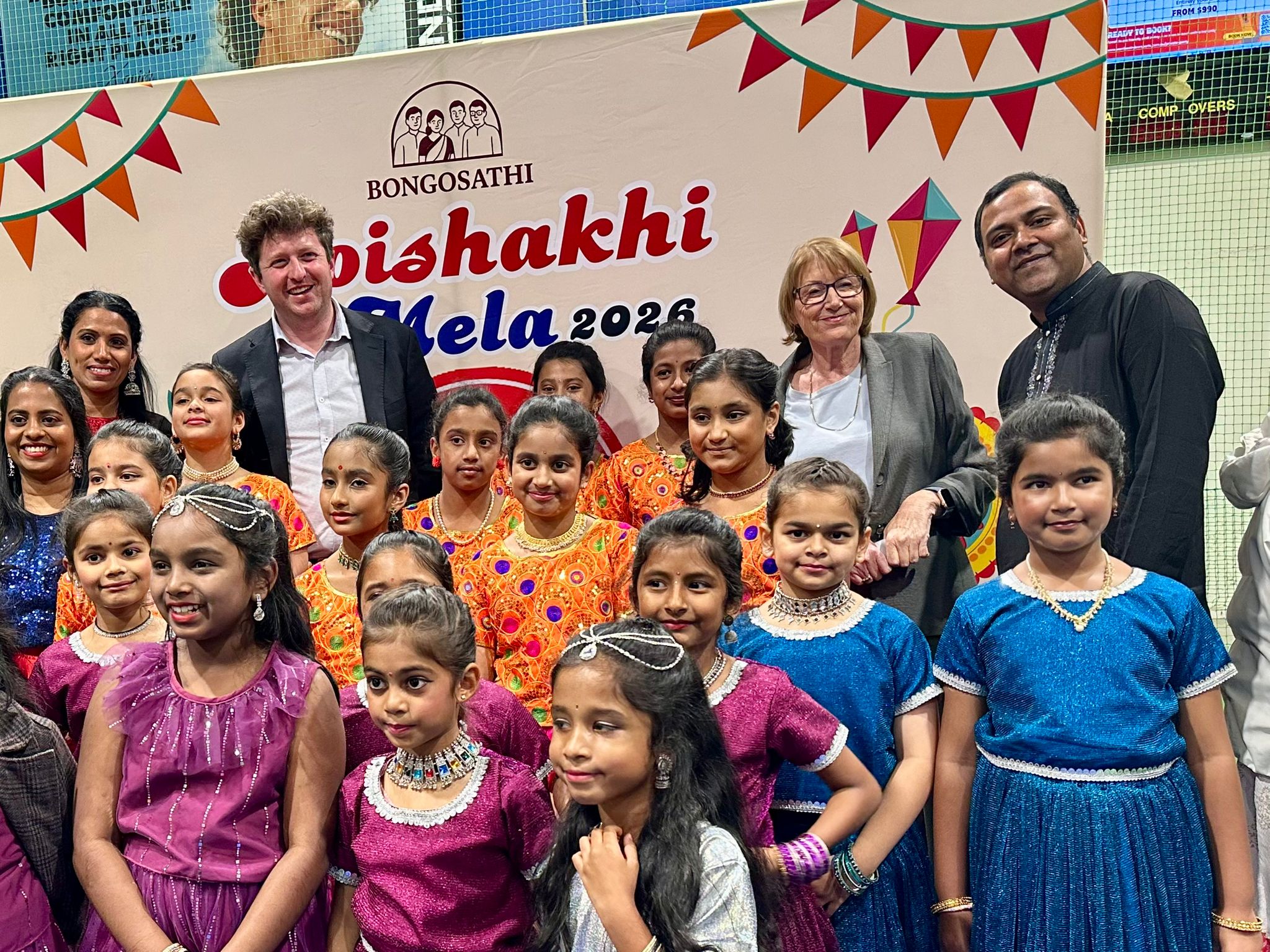
Held at Werribee, the community-led event organised by Bongosathi highlighted the growing presence of South Asian cultural festivals in Australia, offering a platform where tradition and modern multicultural life seamlessly intersect.
A Celebration Rooted in Culture and Community
Boishakhi Mela, which celebrates Pohela Boishakh – the Bengali New Year – has become an increasingly prominent event in Melbourne’s multicultural calendar. The 2026 edition drew attendees from across the city, reflecting both strong community participation and wider public interest.
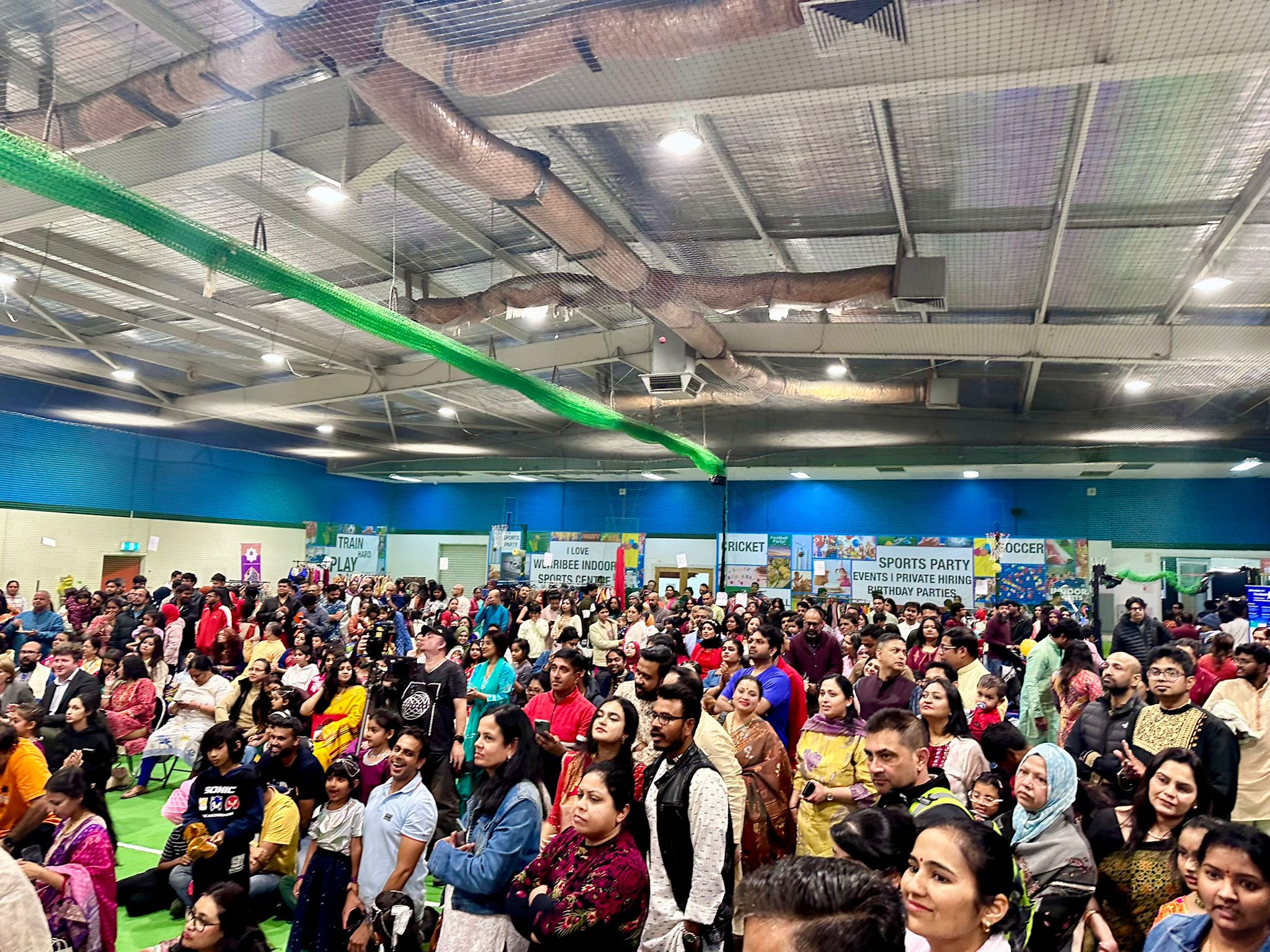
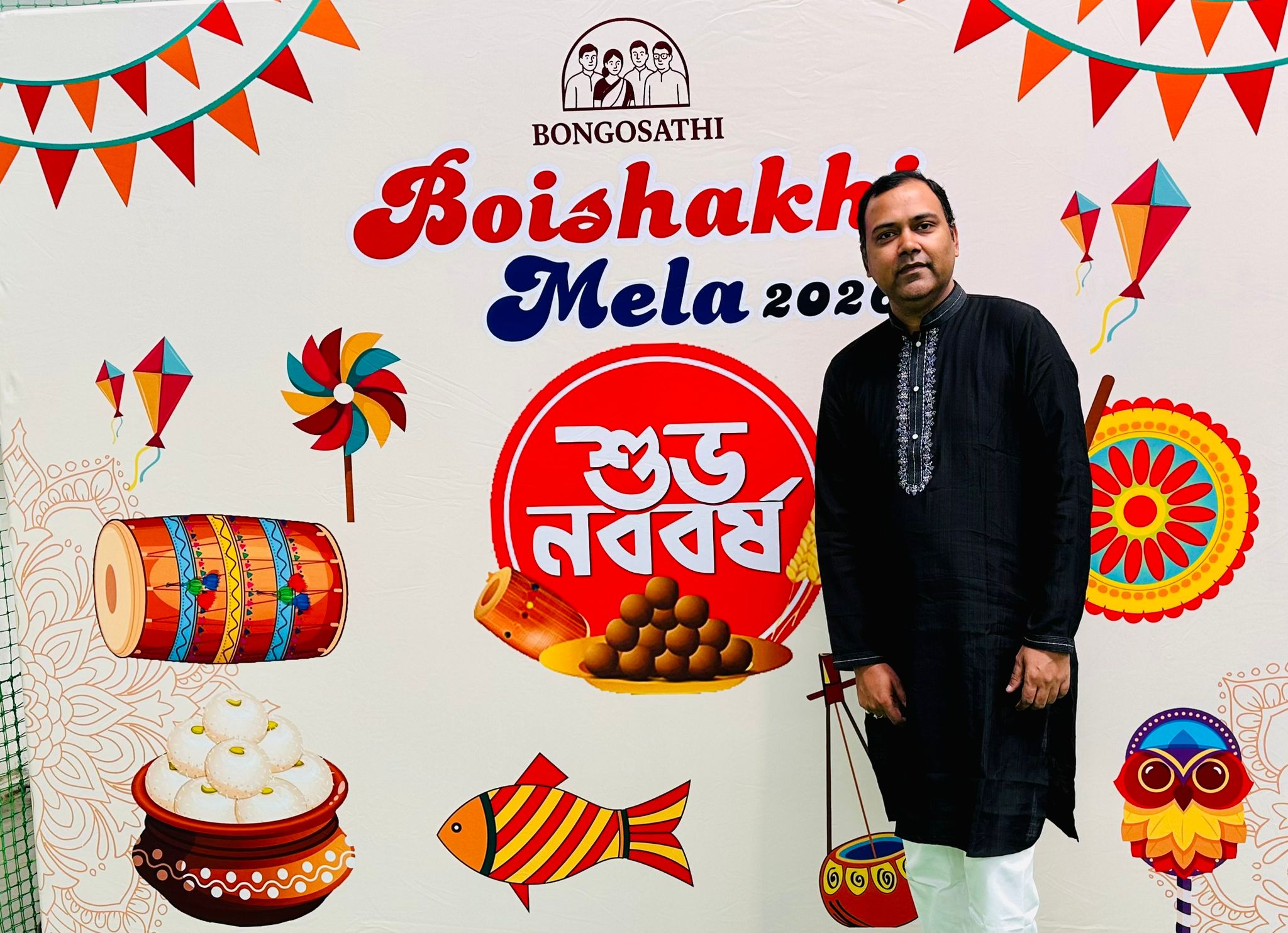
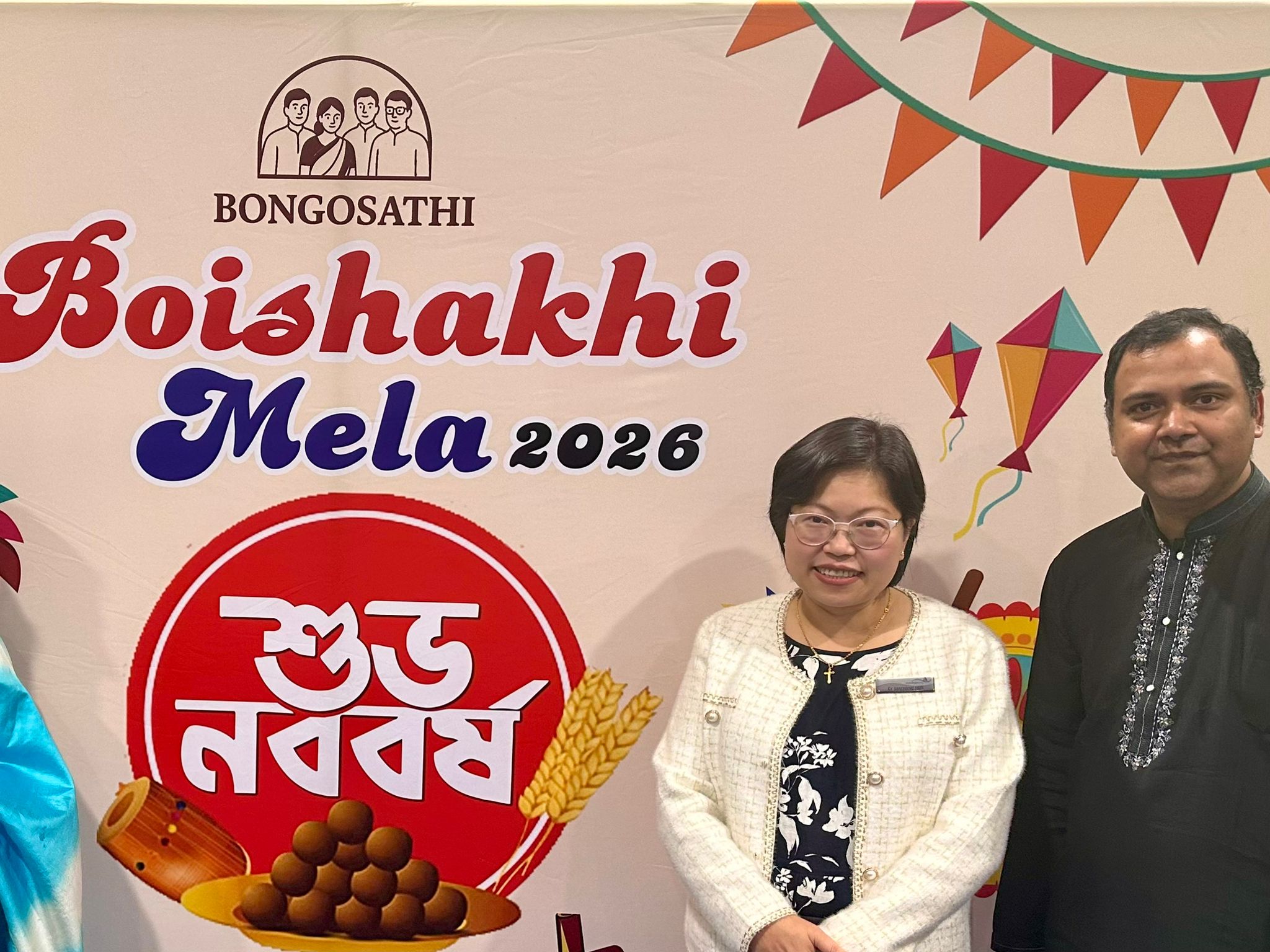
Designed as a family-friendly gathering, the event created a welcoming space for people of all ages to engage with Bengali traditions while also introducing the culture to broader audiences.
Performances, Food and Festive Energy
The evening featured a lively mix of cultural performances, including music, dance and recitations, capturing the spirit of the New Year. Alongside the stage program, visitors explored a range of food stalls, fashion outlets and craft displays, creating a vibrant, market-style atmosphere.
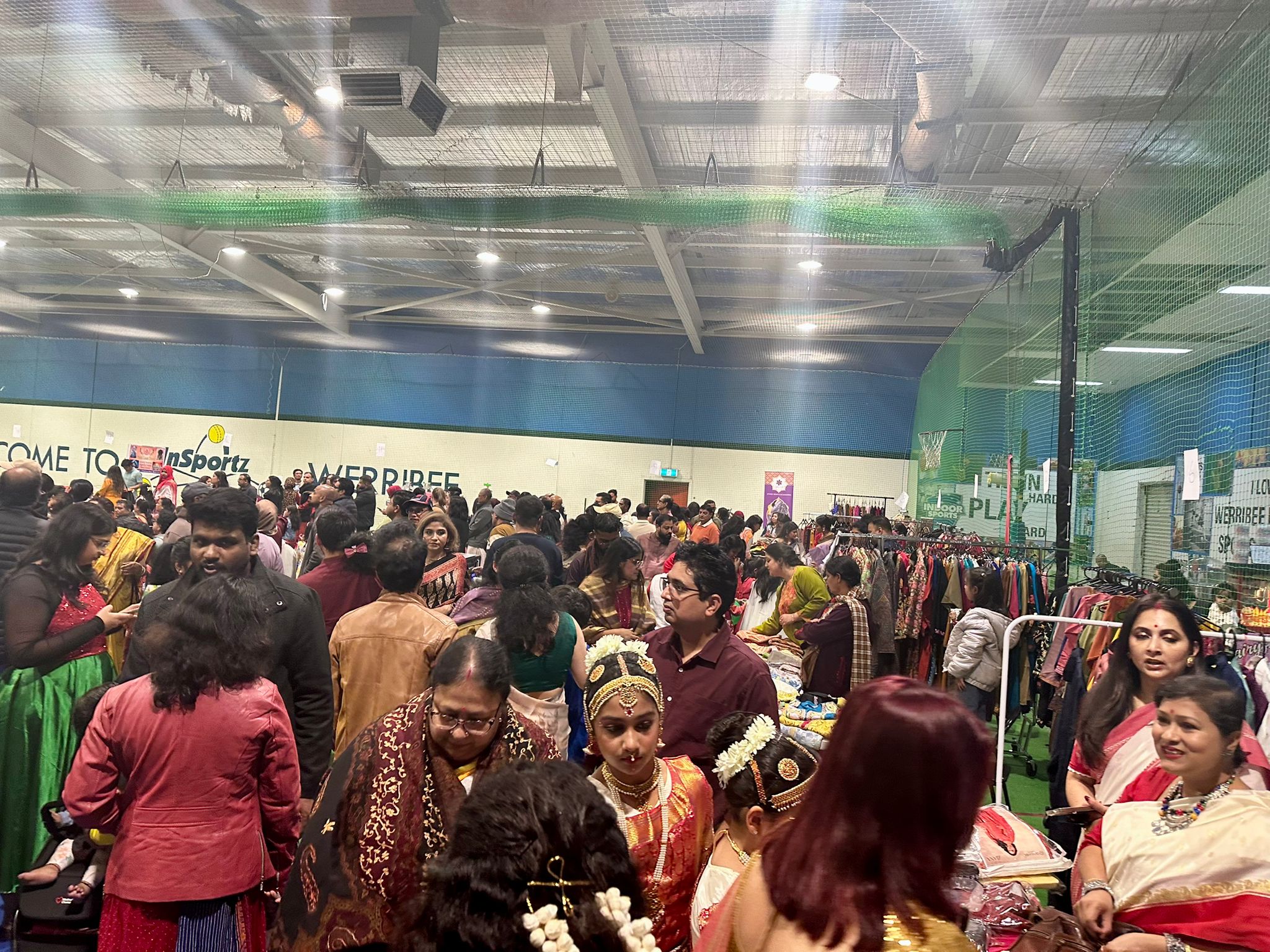
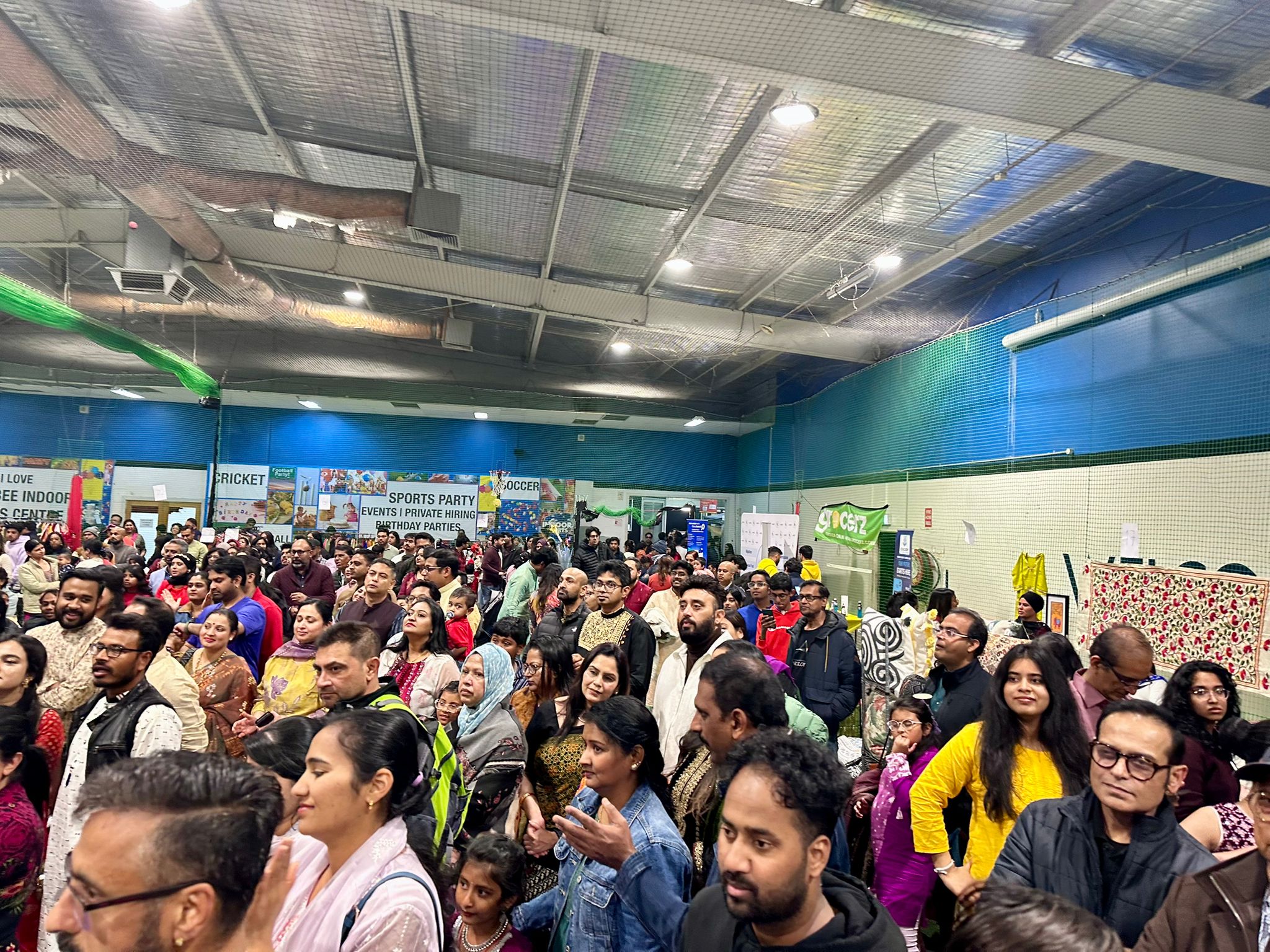
From traditional Bengali cuisine to contemporary cultural expressions, the event offered a rich sensory experience that resonated with both the diaspora and the wider community.
Engaging the Next Generation
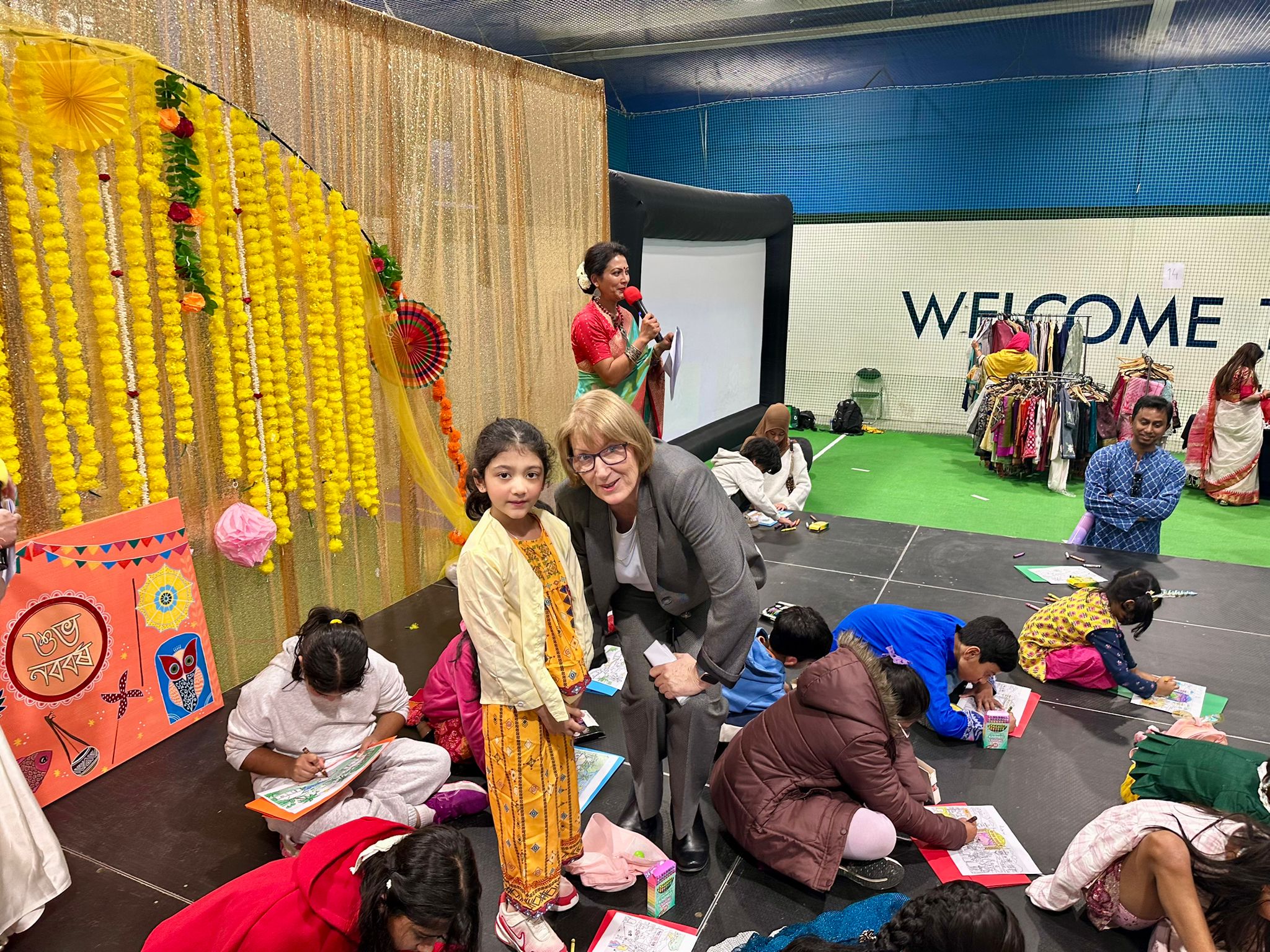
A key focus of the mela was youth engagement, with activities such as drawing competitions, creative art sessions and trivia designed to involve children and teenagers. These interactive elements ensured that younger generations could connect with their heritage in a fun and meaningful way.

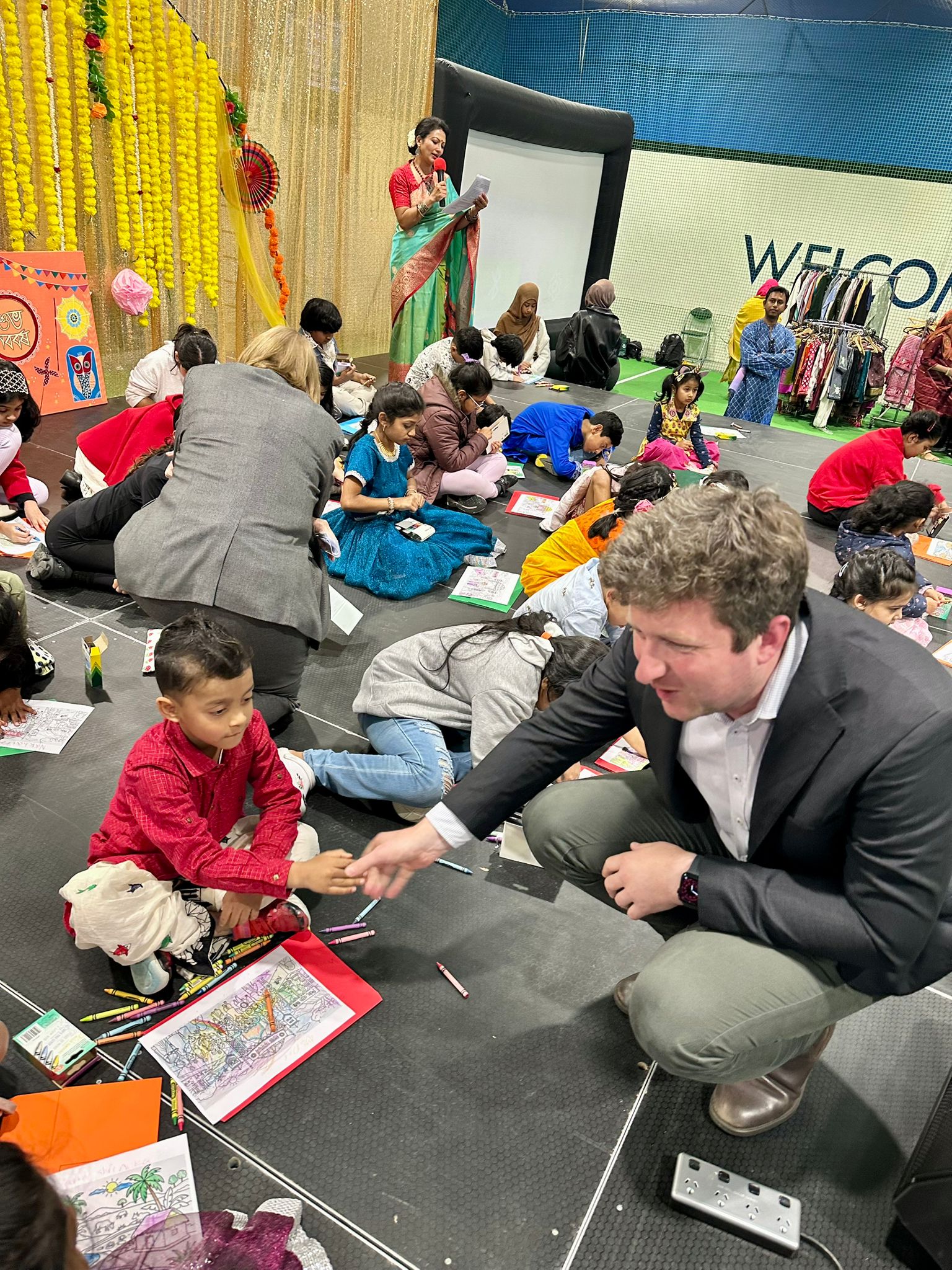
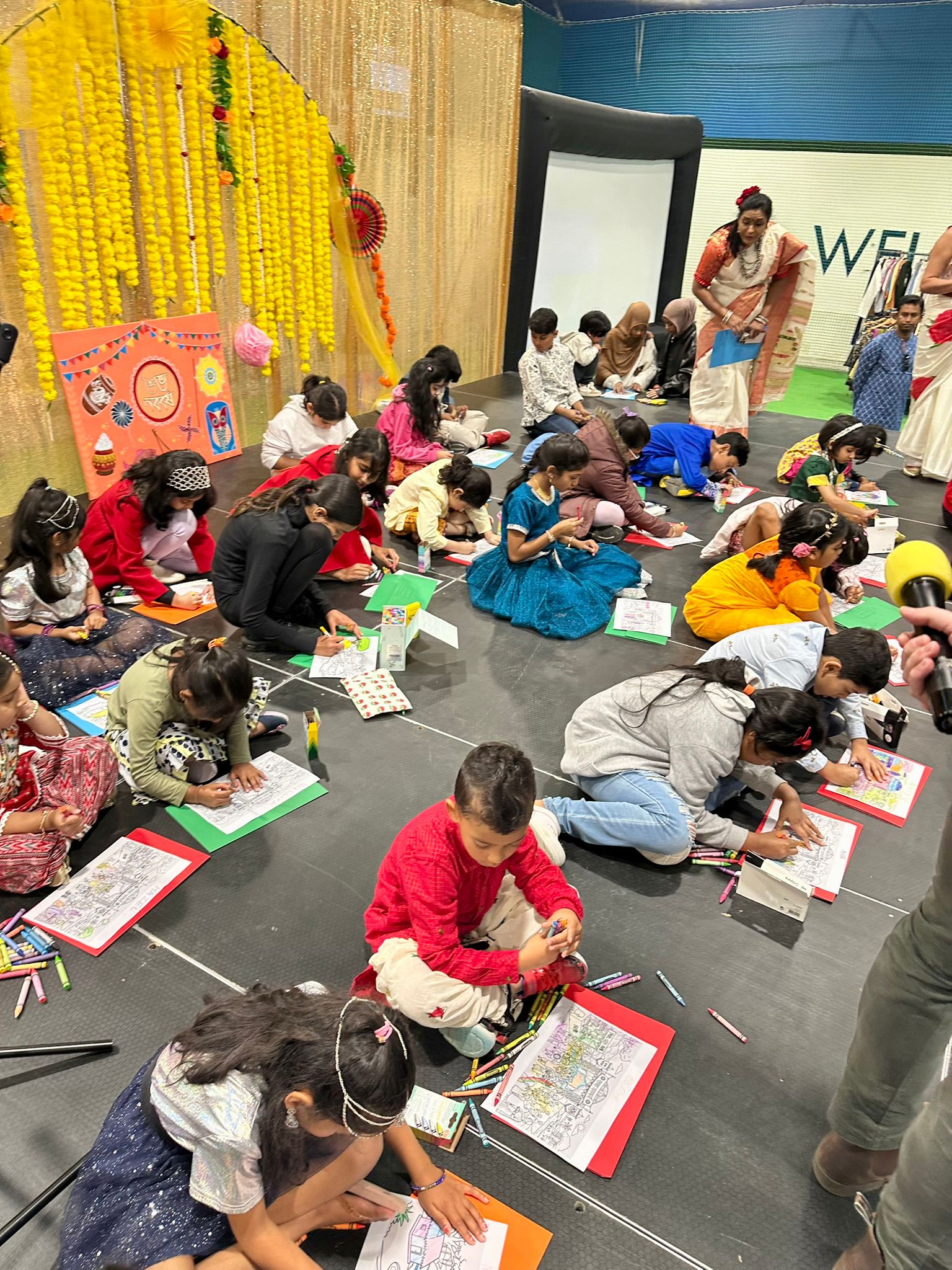
By blending tradition with interactive experiences, organisers aimed to keep cultural celebrations relevant and accessible to evolving audiences.
Supporting Local Businesses and Community Networks
Beyond cultural celebration, the event also provided an important platform for small businesses and local entrepreneurs. Vendors ranging from food operators to fashion and lifestyle brands were able to connect directly with the community, reinforcing the role of such festivals in supporting grassroots economic activity.
These community-driven events are increasingly significant in suburban areas, where growing migrant populations are shaping local identity and cultural life.
A Growing Cultural Presence in Australia
The strong turnout at Boishakhi Mela reflects a broader trend of rising visibility for South Asian festivals across Australia. As communities continue to grow, events like these are playing a crucial role in preserving heritage while fostering cross-cultural understanding.
More than just a celebration, the mela served as a space for connection – where traditions are shared, identities are celebrated, and communities come together to welcome a new year with joy and unity.