India may still be waiting for its first appearance at a FIFA World Cup, but the 2026 tournament will feature a distinct Indian connection. Four players of Indian heritage are set to represent four different nations, highlighting the growing impact of the global Indian diaspora on football’s biggest stage. From Oceania to Africa and the Middle East, these footballers are carrying their family roots with pride while pursuing World Cup dreams.
Sarpreet Singh (New Zealand)
Born and raised in Auckland to Punjabi parents whose roots trace back to Jalandhar, Sarpreet Singh has become one of New Zealand’s most recognizable footballers. The attacking midfielder first gained prominence with Wellington Phoenix before making history in 2019 as the first player of Indian heritage to play for Bayern Munich. After spells across Germany, Portugal and Serbia, Singh returned to Wellington Phoenix and is now preparing to represent New Zealand on football’s biggest stage.
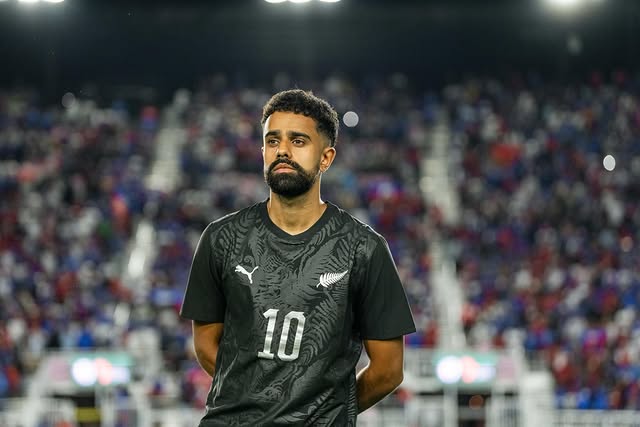
Singh has often spoken about the responsibility he feels towards the Indian community. The 27-year-old believes the World Cup provides an opportunity to inspire young players from South Asian backgrounds and showcase what is possible through dedication and hard work. His journey has already made him a role model for aspiring footballers across New Zealand, Australia and India.
Tahsin Mohammed Jamshid (Qatar)
The youngest member of the group, Tahsin Mohammed Jamshid, was born in Doha to parents from Kerala. His father, Jamshid, previously represented the University of Calicut and Kerala’s sub-junior football team, while his mother, Shyma, hails from Kannur. Football has been a part of the family, and Tahsin’s talent was nurtured through Qatar’s renowned Aspire Academy.
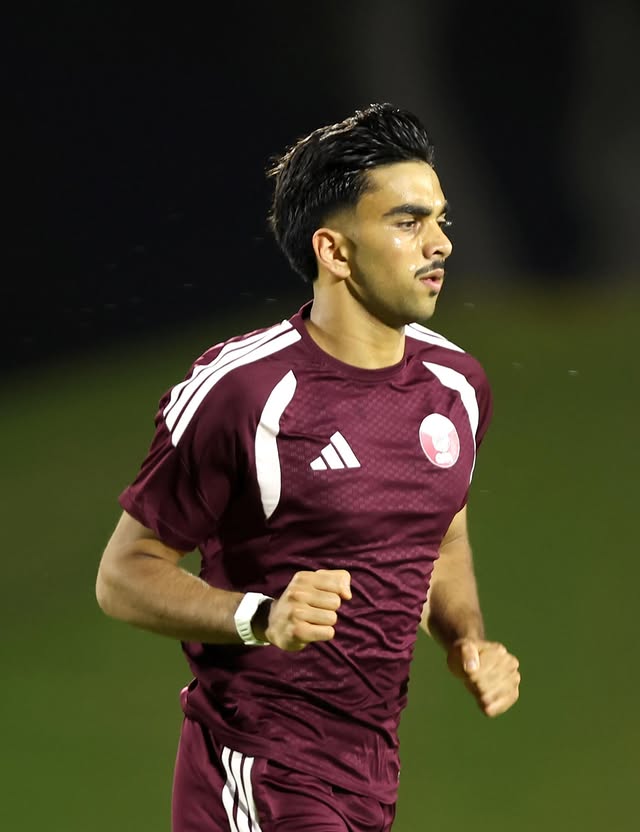
Currently playing for Al Duhail SC, the winger made his senior debut for Qatar during the 2026 FIFA World Cup qualifiers. Despite being only 20 years old, Tahsin has already established himself as one of the country’s emerging talents and has become the first player of direct Indian heritage to represent Qatar at the highest level.
Nishan Velupillay (Australia)
Melbourne-born Nishan Velupillay has emerged as one of Australian football’s brightest attacking prospects. His father, Sasinath Velupillay, is of Sri Lankan Tamil heritage with Malaysian roots, while his mother, Gillian, is Anglo-Indian. After beginning his football journey at Glen Eira FC, Nishan progressed through Melbourne Victory’s academy before establishing himself in the A-League.
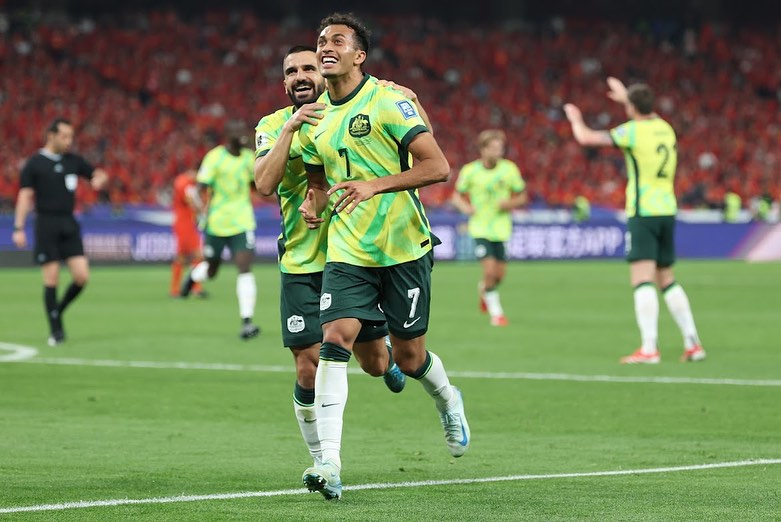
Velupillay announced himself on the international stage by scoring on his Socceroos debut against China shortly after coming off the bench. Since then, he has become a regular member of Australia’s squad and has emerged as a proud representative of the country’s South Asian community. His rise has resonated strongly with young multicultural Australians pursuing professional sport.

Samuel Moutoussamy (DR Congo)
Although born in France, Samuel Moutoussamy’s heritage reflects a fascinating connection to India. His father is of Indo-Guadeloupean Tamil ancestry, tracing back to Indian labourers who settled in the Caribbean during the nineteenth century, while his mother is Congolese. The midfielder developed through the French football system before choosing to represent the Democratic Republic of Congo internationally.
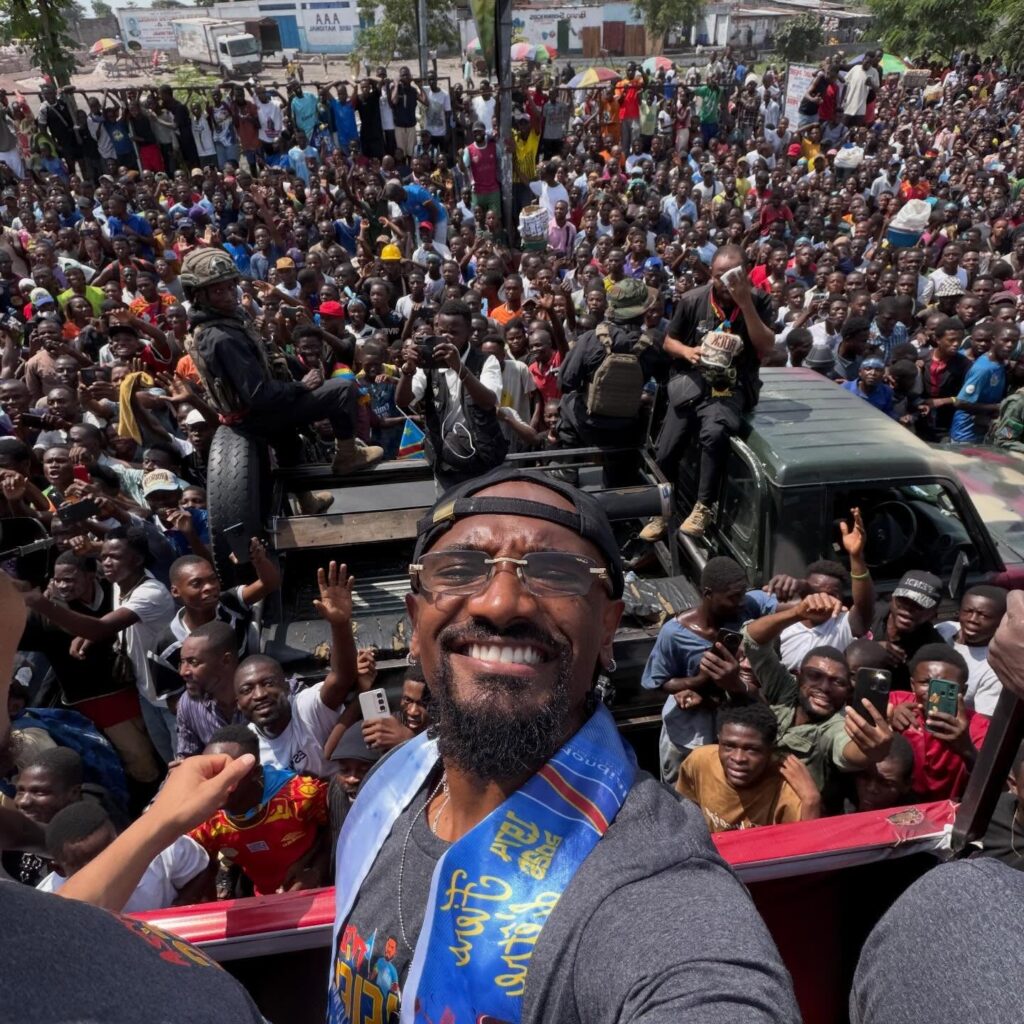
Now one of DR Congo’s most experienced players, Moutoussamy has earned more than 50 international caps and is preparing for another major tournament. His story highlights the far-reaching influence of Indian migration and the diverse identities that continue to shape modern football.
While India’s wait for a World Cup debut continues, the presence of Sarpreet Singh, Tahsin Mohammed Jamshid, Nishan Velupillay and Samuel Moutoussamy offers fans a connection to the global tournament. Their journeys reflect the power of migration, multiculturalism and opportunity, and serve as inspiration for the next generation of footballers with Indian roots around the world.