The Australia–India relationship has taken another important step forward, with the Australian Border Force (ABF) and the Indian Coast Guard (ICG) strengthening cooperation through a specialised Search and Rescue (SAR) training program in Chennai. The initiative highlights the growing practical partnership between the two nations as they work together to enhance maritime safety, operational readiness and regional security across the Indo-Pacific.
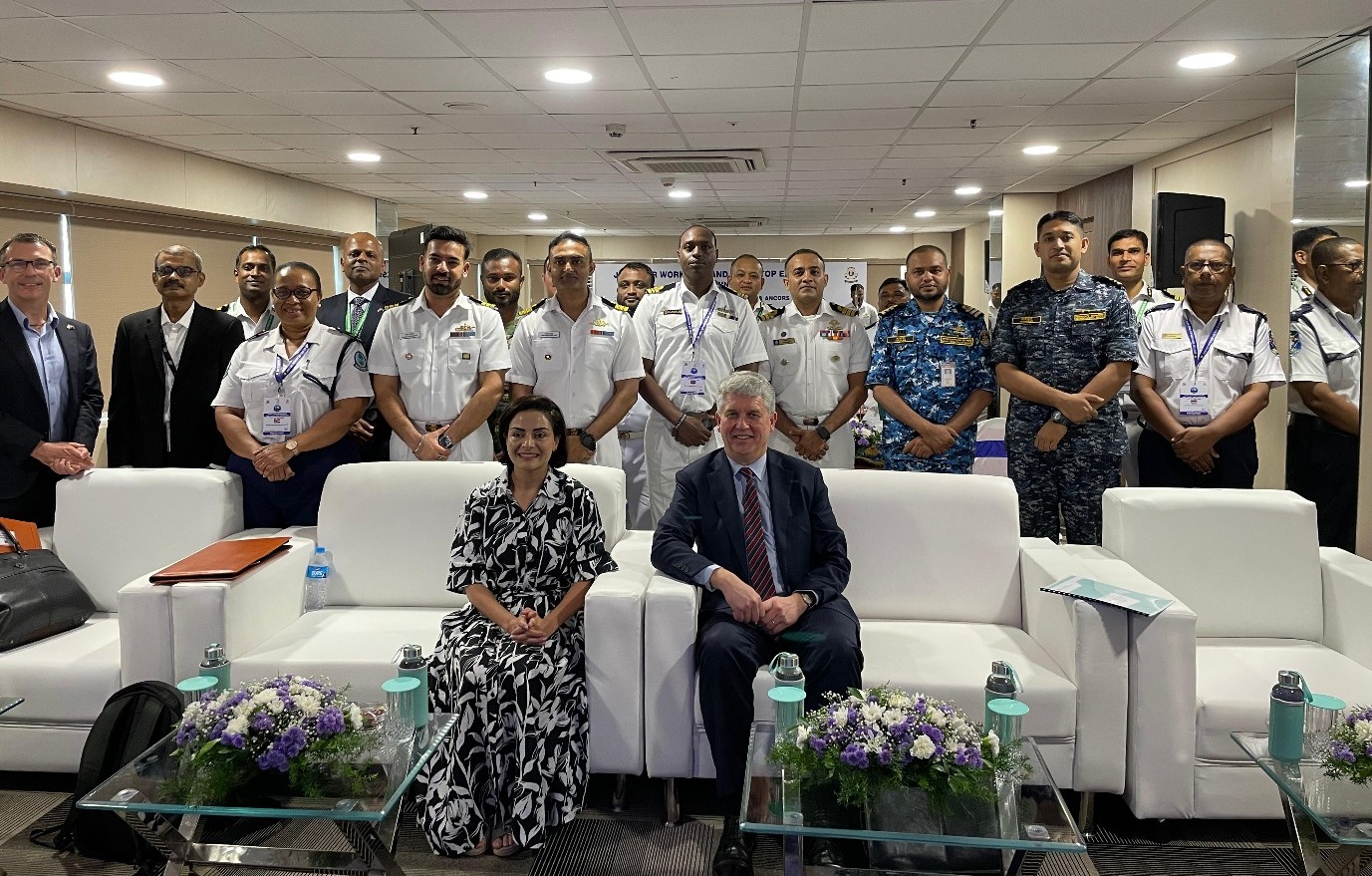
Hosted by the Indian Coast Guard, the collaborative program brought together officers from the Australian Border Force and the Indian Coast Guard to exchange operational expertise, strengthen coordination and share international best practices in maritime search and rescue. The exercise reflects the shared commitment of both countries to improving emergency response capabilities and protecting lives at sea.
The training covered a broad range of operational topics, including search planning, rescue coordination, communication protocols, incident management and emergency response procedures. Through interactive workshops and professional discussions, participants explored ways to improve cooperation during real-world maritime emergencies.
A Partnership Built On Shared Maritime Interests
Australia and India have steadily expanded their strategic relationship in recent years, with maritime cooperation emerging as one of its strongest pillars. As two leading Indo-Pacific nations connected by the Indian Ocean, both countries recognise the importance of secure sea lanes, effective emergency response systems and closer collaboration between frontline maritime agencies.
The Chennai training focused on strengthening professional capabilities in search planning, rescue coordination, communication procedures, incident management and operational decision-making. Participants also exchanged experiences from real-world rescue operations, providing valuable insights into responding effectively during complex maritime emergencies.
Officials involved in the program emphasised that practical cooperation between operational agencies plays an important role in building trust and improving interoperability. The opportunity to learn from each other’s expertise helps ensure both countries are better prepared to respond to emergencies that may involve international waters or cross-border coordination.
Chennai Strengthens Australia–India Operational Cooperation
Held at the Indian Coast Guard Regional Headquarters in Chennai, the program provided a valuable platform for officers to engage in technical discussions and collaborative learning. Chennai remains one of India’s most significant maritime centres, supporting coast guard operations across the Bay of Bengal and the wider Indian Ocean region.

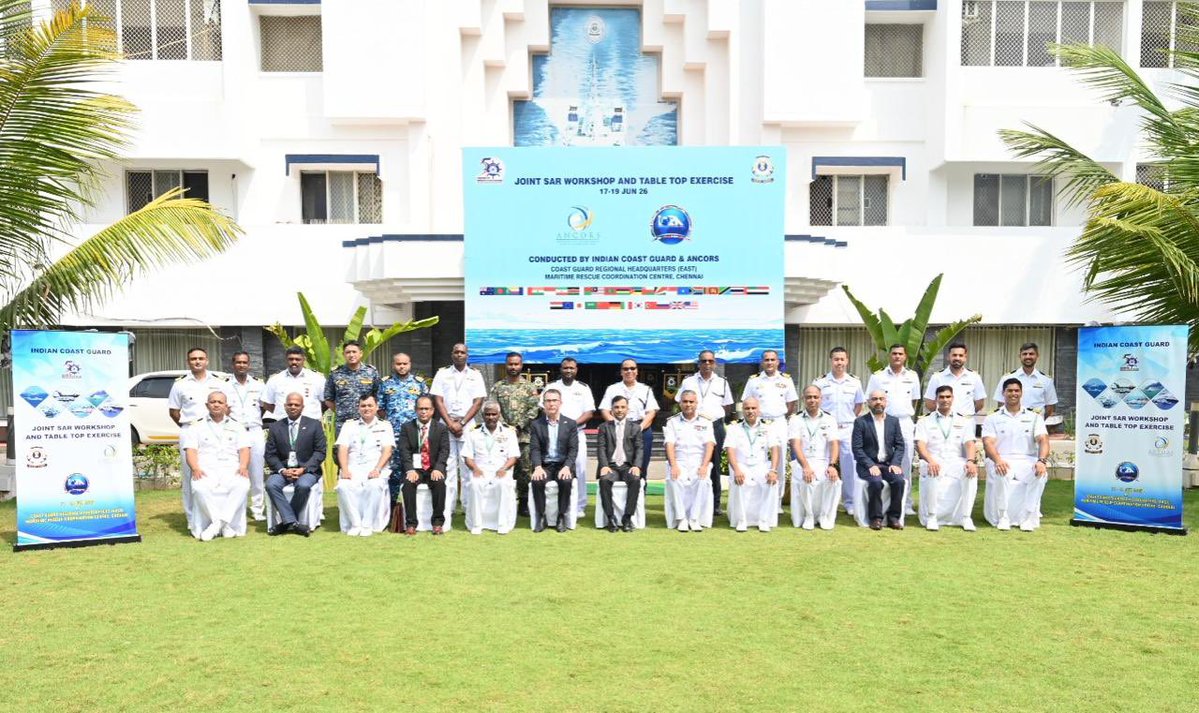
Throughout the training, officers from both countries explored internationally recognised search and rescue practices while discussing ways to improve coordination during maritime emergencies. The exchange also highlighted the importance of maintaining strong communication channels between partner agencies responsible for protecting lives at sea.
The collaboration demonstrates how Australia and India are increasingly moving beyond policy discussions towards practical engagement that delivers measurable outcomes. Professional exchanges such as these help strengthen institutional relationships while enhancing operational preparedness for future challenges.
Supporting A Safer Indo-Pacific
The search and rescue initiative forms part of the broader Australia–India Comprehensive Strategic Partnership, which has continued to expand across defence, maritime security, trade, education, critical technologies and regional cooperation.
With commercial shipping, fisheries and maritime activity continuing to grow throughout the Indo-Pacific, effective search and rescue cooperation has become increasingly important. Timely emergency response, coordinated operations and strong international partnerships help improve safety for seafarers while supporting the smooth movement of global trade through one of the world’s busiest maritime regions.
Australia and India have consistently reaffirmed their commitment to a free, open and secure Indo-Pacific. Practical initiatives like the Chennai training complement wider efforts to strengthen regional resilience while reinforcing cooperation between trusted partners facing common maritime challenges.
Growing Momentum In Australia–India Relations
The Chennai exercise is the latest example of the rapidly evolving relationship between Australia and India. In recent years, both countries have expanded cooperation across defence exercises, border security, critical minerals, education, technology and economic partnerships, reflecting the growing strategic importance of the bilateral relationship.
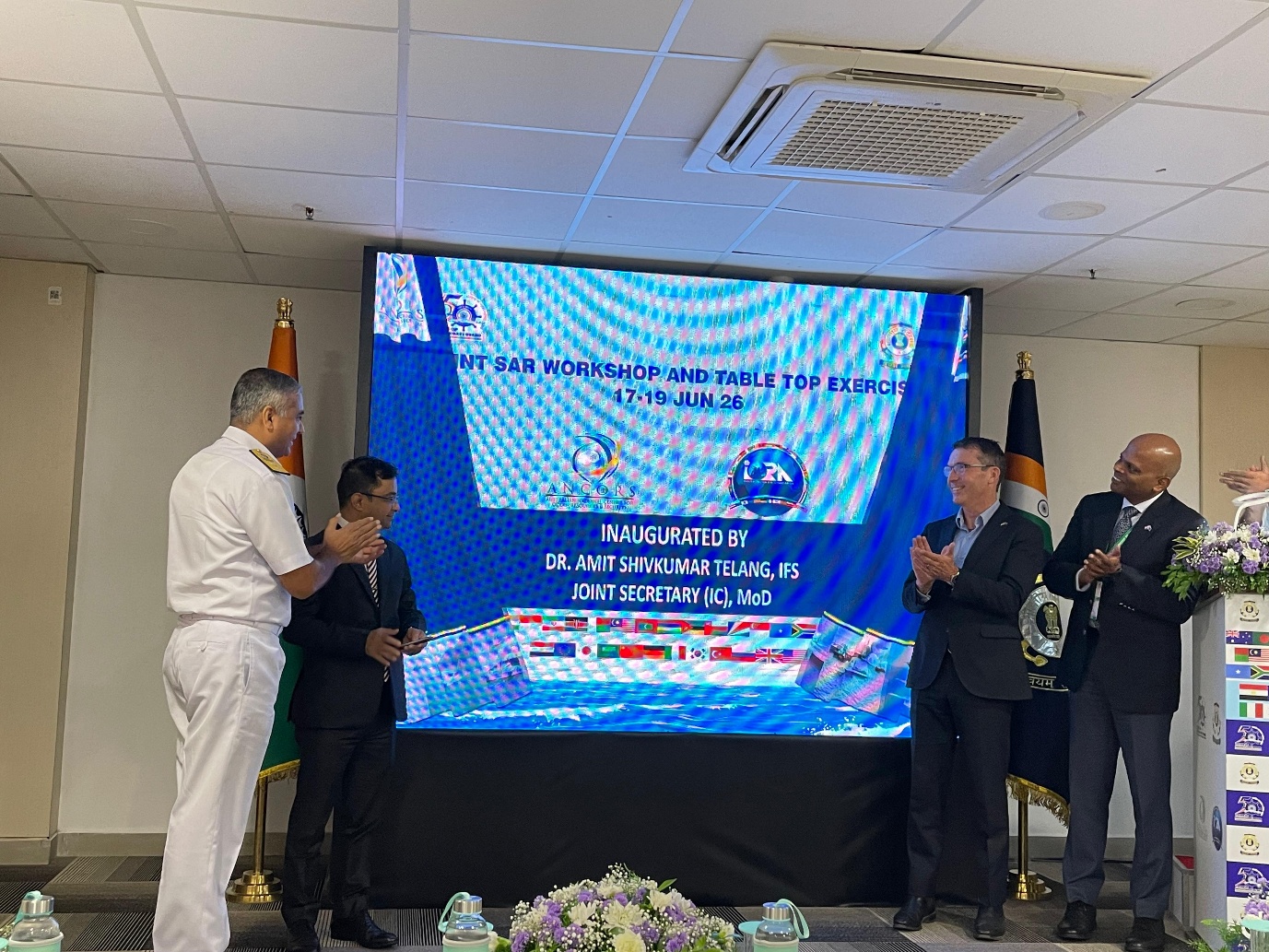
Maritime engagement continues to play a central role in that partnership. By investing in professional development, operational exchanges and stronger institutional links, both countries are helping build greater confidence between agencies responsible for maritime security and emergency response.
Industry observers note that initiatives like these deliver benefits well beyond government cooperation. Stronger search and rescue capabilities contribute to safer international shipping, improved disaster response, enhanced humanitarian assistance and greater confidence for commercial operators navigating the Indian Ocean.
Looking Ahead
As Australia and India continue to deepen their strategic partnership, maritime cooperation is expected to remain a priority area for future engagement. Both countries are likely to expand collaboration across search and rescue, maritime domain awareness, border security and emergency response as regional challenges continue to evolve.
The Chennai training program demonstrates how practical cooperation between frontline agencies is strengthening the Australia–India relationship in meaningful ways. By sharing expertise, improving coordination and building lasting professional relationships, the Australian Border Force and the Indian Coast Guard are contributing to a safer, more secure and better-connected Indo-Pacific—one partnership at a time.