Thousands of students, young people and concerned citizens gathered in New Delhi this week, calling for greater transparency and accountability in India’s education system following allegations surrounding national entrance examination paper leaks. What began as student-led demonstrations has evolved into a broader national conversation about trust, merit and the future of millions of young Indians.
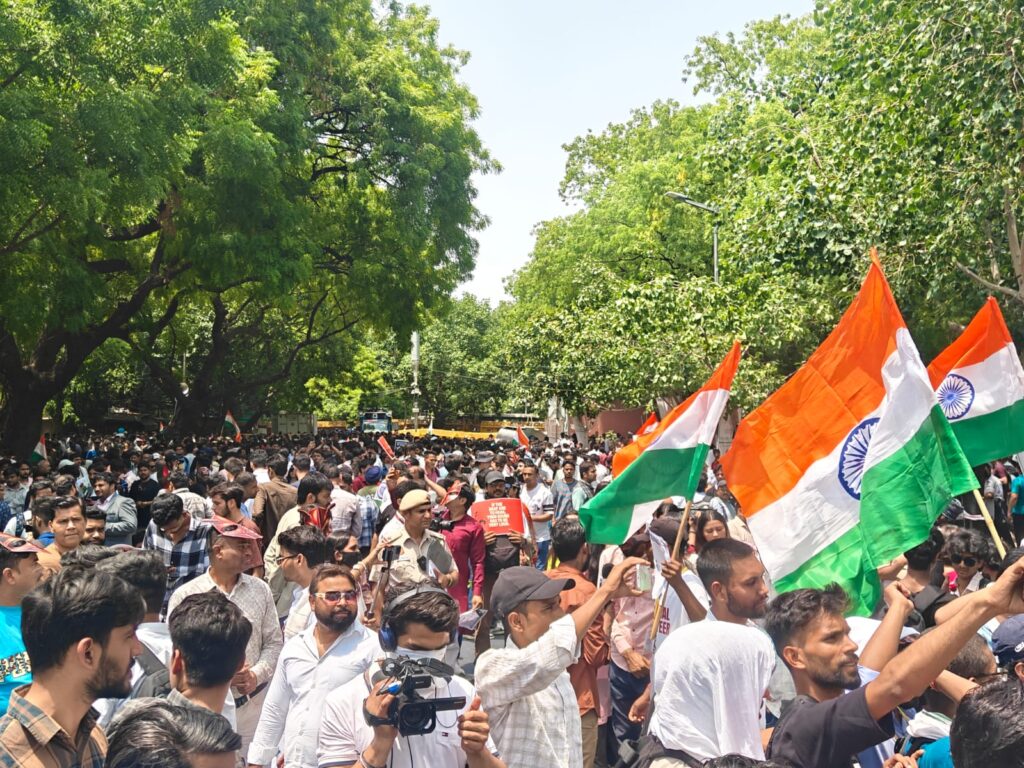
The protests have largely centred on concerns over examination integrity and demands for reforms to ensure that competitive entrance exams remain fair and transparent. Students argue that years of hard work and preparation should never be undermined by systemic failures or irregularities in examination processes.
Authorities had denied permission for the planned march towards Parliament, citing security considerations due to the commencement of the Monsoon Session. Heavy police deployment and barricades were put in place across central Delhi, leading to clashes between some protesters and law enforcement personnel as demonstrations intensified throughout the day.
Reports from various media organizations indicate that tear gas and crowd-control measures were used in certain areas, resulting in injuries among both protesters and police personnel. Images and videos from the demonstrations quickly circulated across social media, drawing widespread public attention both in India and internationally.
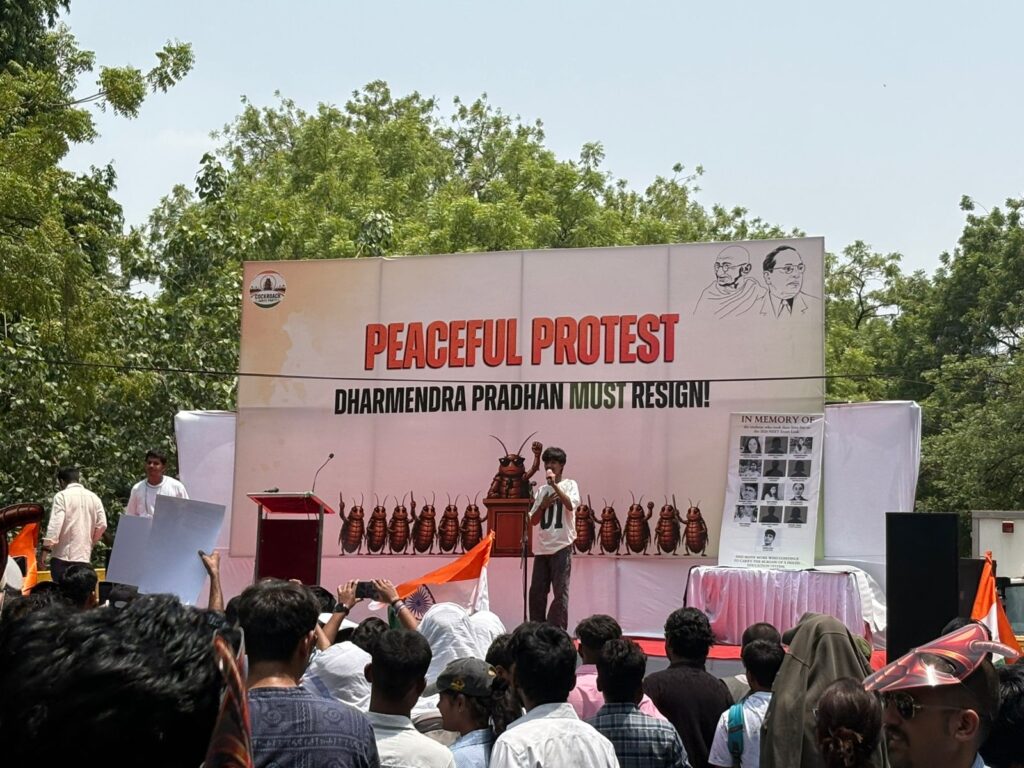
The movement has attracted support from students, parents, education activists and members of civil society who believe that reforms are necessary to strengthen public confidence in India’s examination and education systems. Many participants have emphasised that their primary concern is protecting the aspirations and opportunities of India’s young people.
At the heart of the debate lies a simple but important question: how can educational institutions ensure that merit, transparency and fairness remain central to opportunities available to millions of students? For many families, education represents the pathway to social mobility, economic opportunity and a brighter future.
The protests have also reignited discussions around youth unemployment, educational reforms and institutional accountability. India’s young population is among the largest in the world, making the credibility of its education system critically important for both national development and social cohesion.

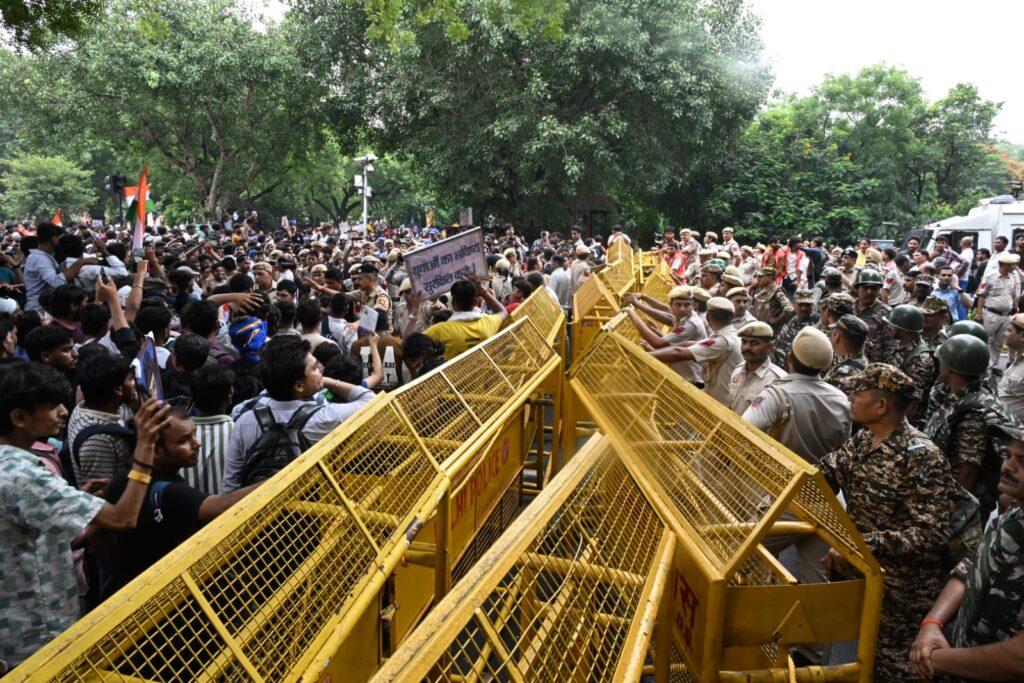
Democratic societies frequently face the challenge of balancing the right to peaceful expression with the responsibility to maintain public order and safety. Moments such as these underscore the importance of dialogue between governments, institutions and citizens to address legitimate public concerns constructively and respectfully.
The developments in Delhi have resonated far beyond India’s borders, particularly among the global Indian diaspora. Parents, students and professionals worldwide continue to closely follow conversations surrounding educational standards and reforms, recognising their long-term impact on future generations.
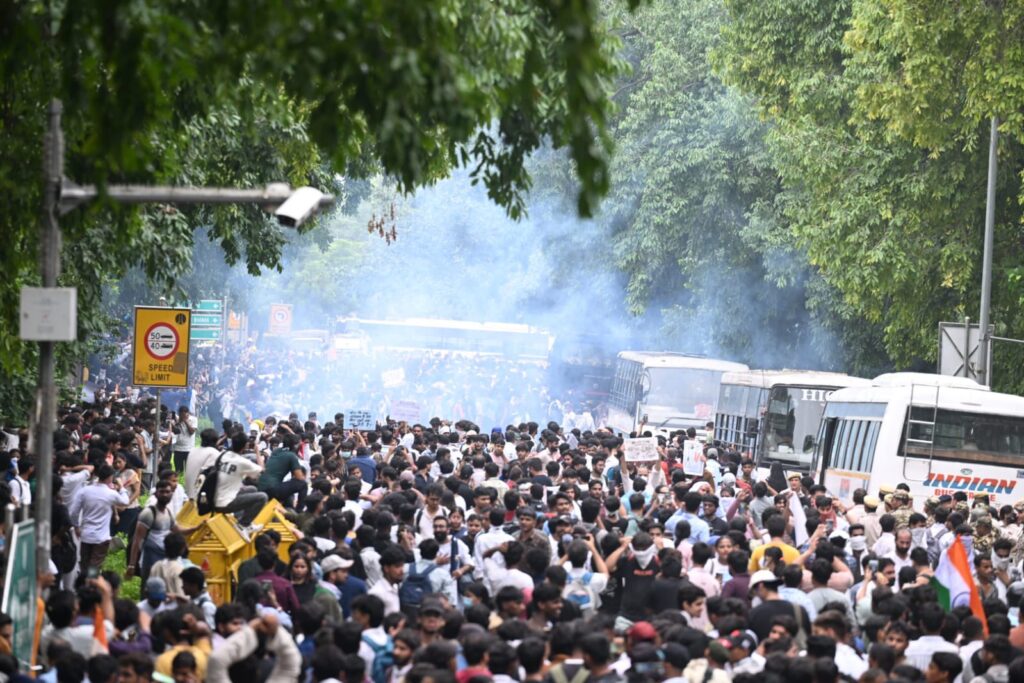
Regardless of political perspectives, one principle commands broad agreement: every student deserves a fair opportunity to succeed based on merit, hard work and integrity. As discussions continue, the events in New Delhi serve as a reminder that investing in transparent, accountable and trustworthy educational systems is ultimately an investment in a nation’s future and its youth.