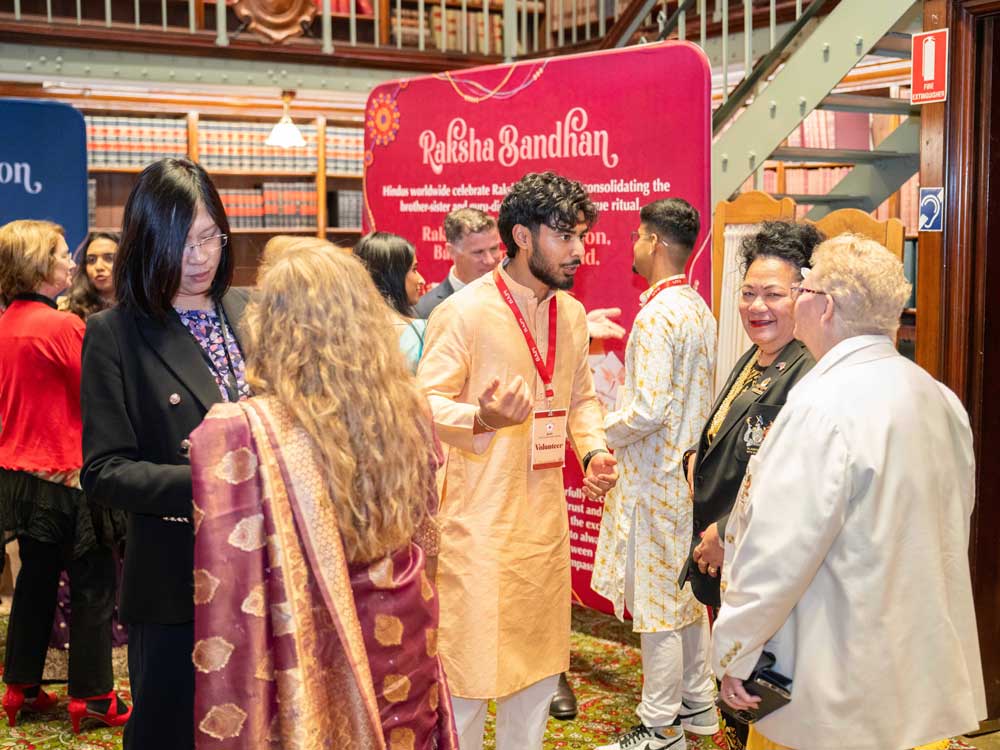
The spirit of Rakshabandhan reached the heart of New South Wales’ parliamentary precinct on 15 September, as BAPS brought community leaders and guests together at the Parliament of New South Wales to celebrate a festival centred on care, respect, responsibility and the bonds that connect people.
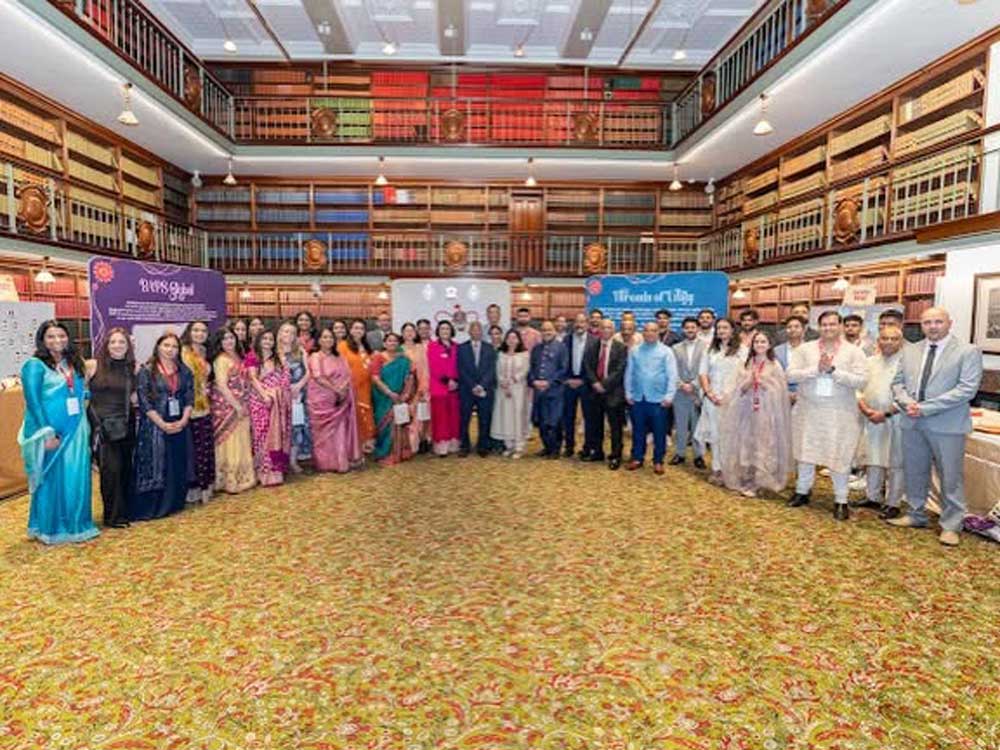
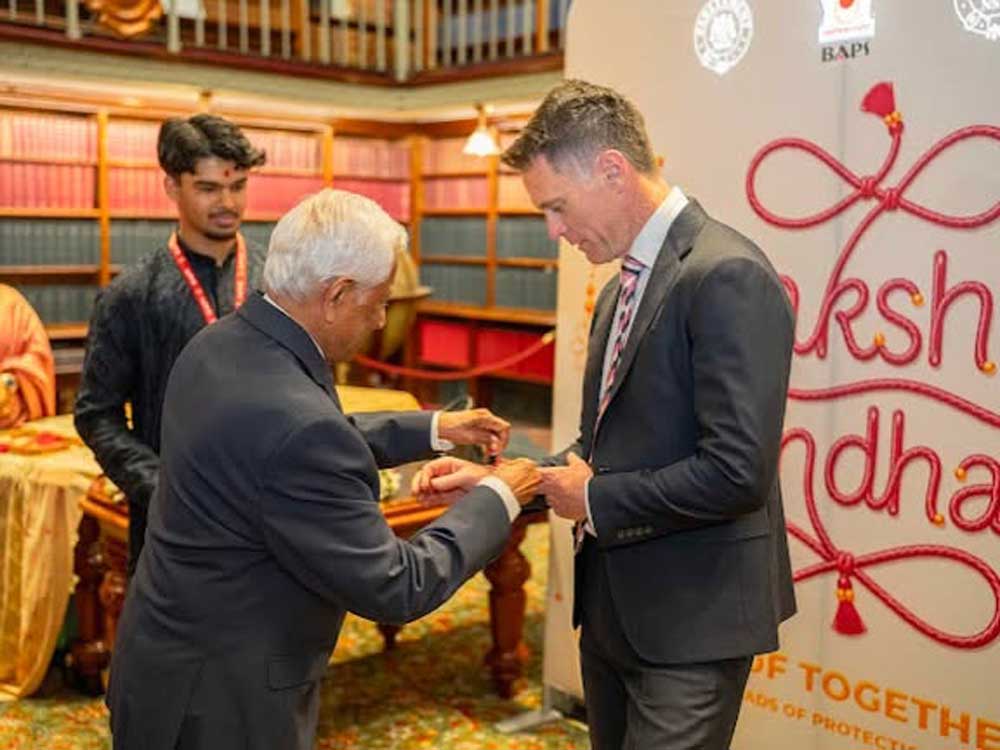
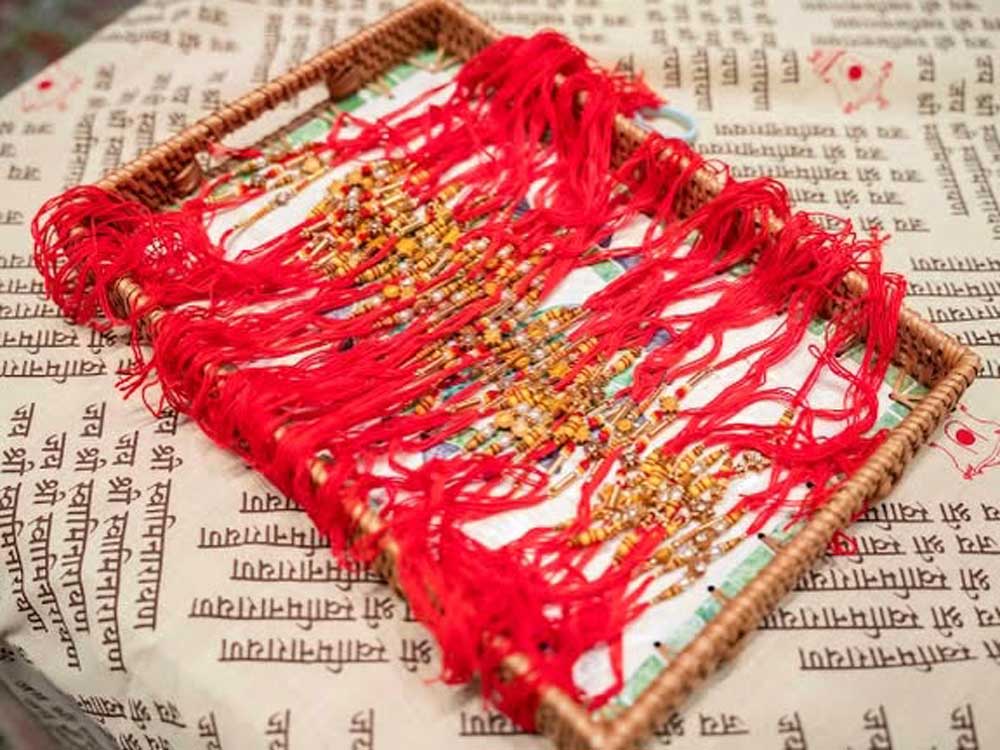
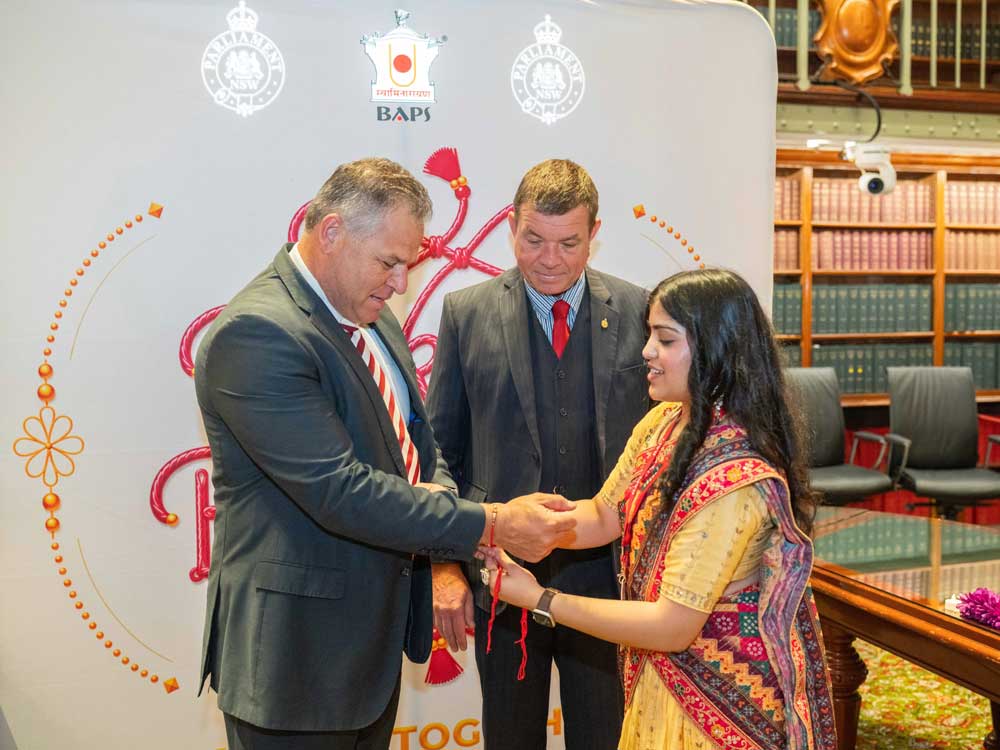
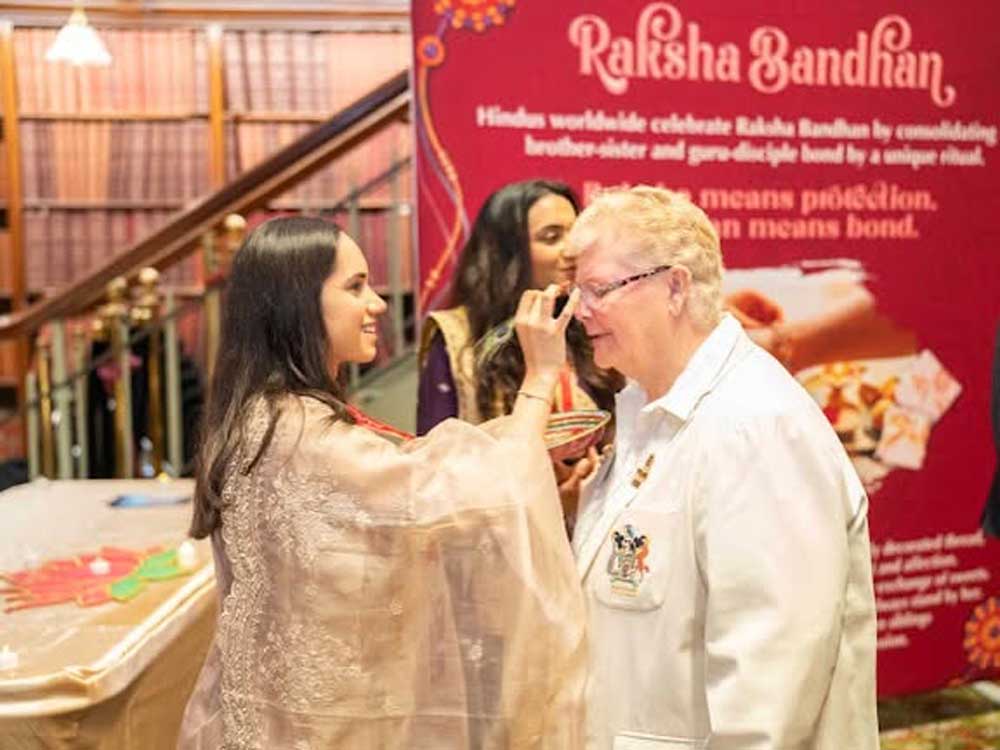
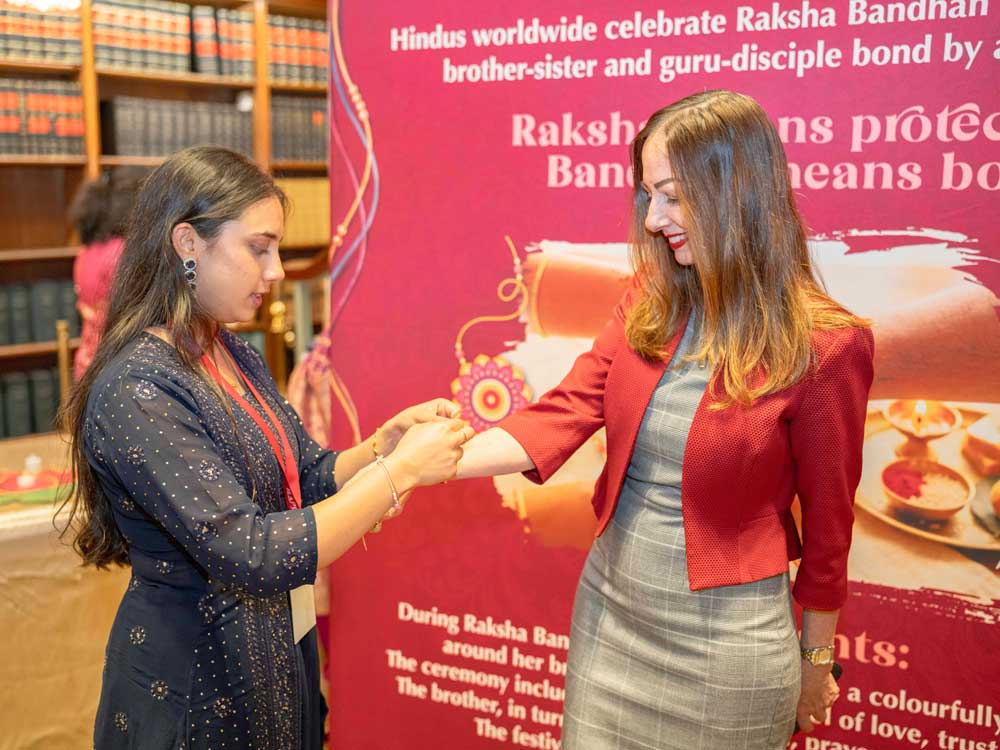
Hosted by NSW MP Donna Davis, the gathering provided an opportunity for members of the community and parliamentary guests to experience one of the central traditions associated with Rakshabandhan: the tying of the rakhi. Traditionally exchanged as a symbolic thread of care and protection, the rakhi represents the importance of relationships and the responsibilities people have towards one another.
The celebration took place while NSW Parliament was sitting, giving the cultural occasion a setting within one of the state’s principal public institutions. The event also provided a platform for BAPS to share an important Hindu tradition with a wider audience and highlight the values associated with Rakshabandhan beyond the ceremony itself.
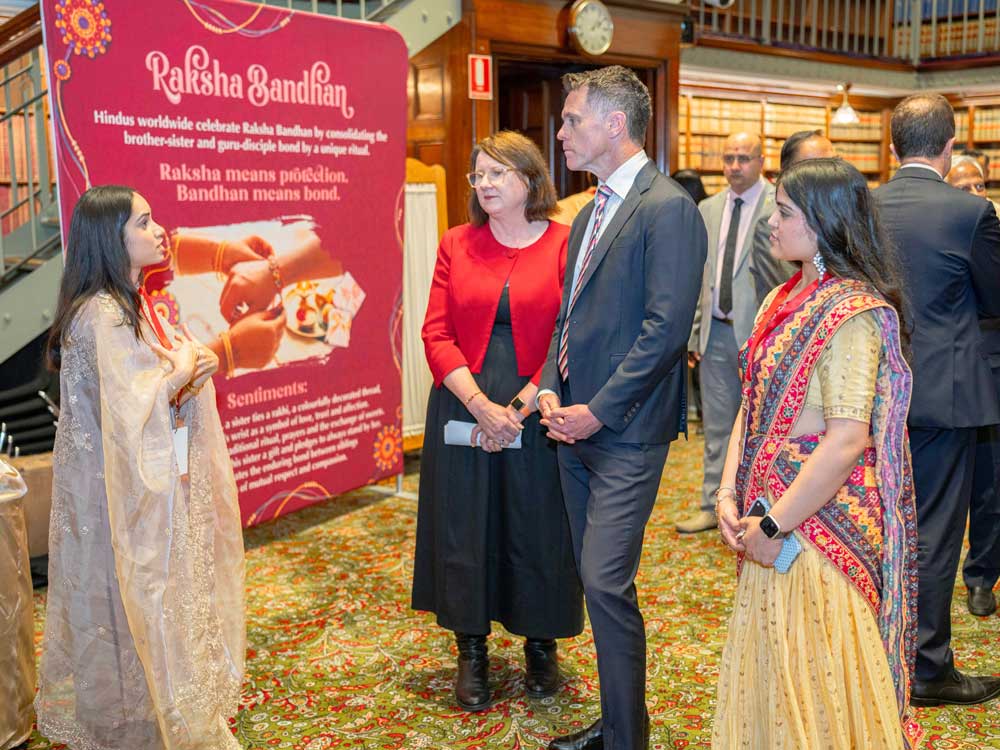
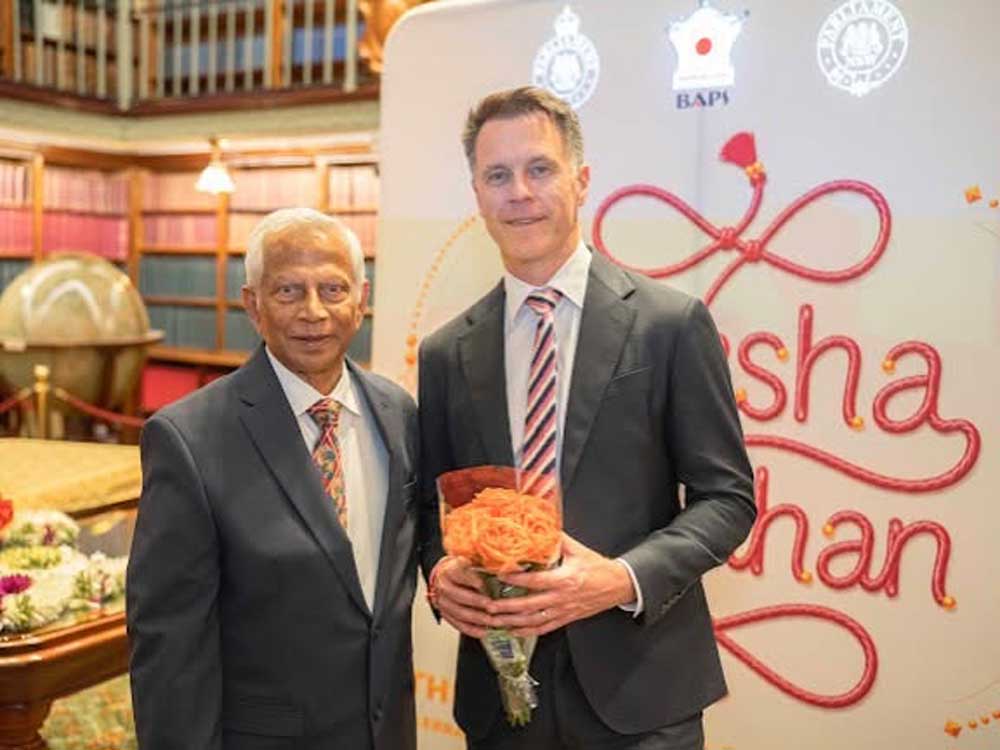
At the centre of the gathering was the rakhi ceremony, through which participants marked the occasion and reflected on the relationships and commitments represented by the festival. While Rakshabandhan is traditionally associated with the bond between siblings, its broader themes of affection, mutual respect and responsibility have also enabled the festival to be shared with wider communities.
BAPS said the parliamentary gathering was an opportunity to communicate these values in an inclusive setting and demonstrate how cultural traditions can contribute to stronger relationships within Australia’s multicultural society. The celebration placed particular emphasis on the message of togetherness and mutual respect, allowing guests to engage directly with a tradition that has deep roots in Hindu culture.
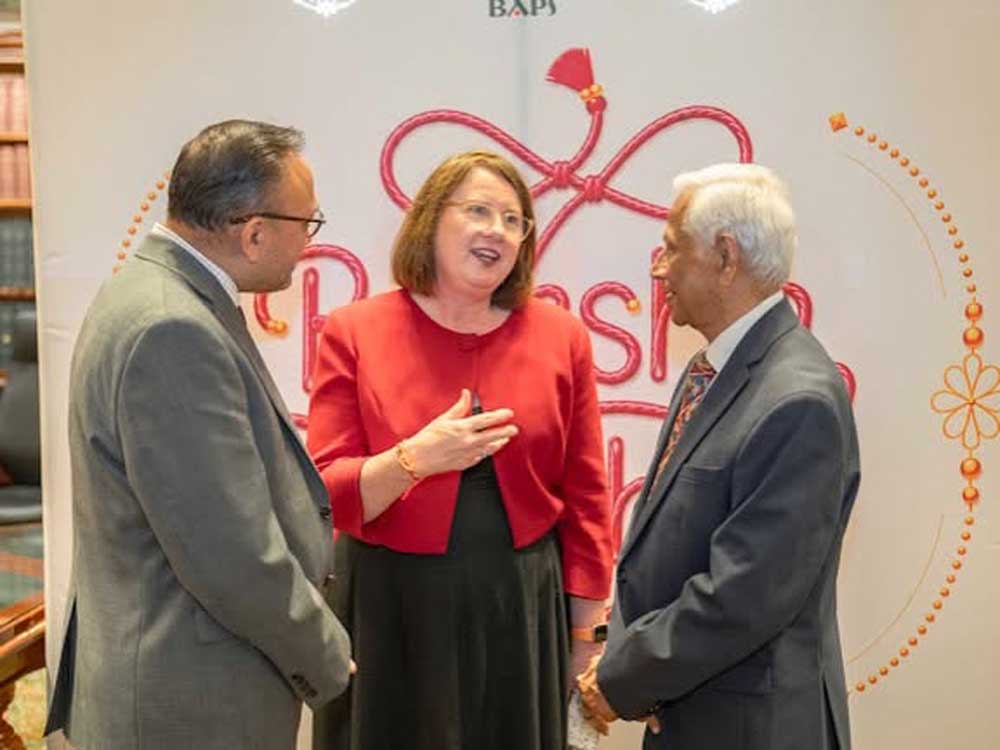
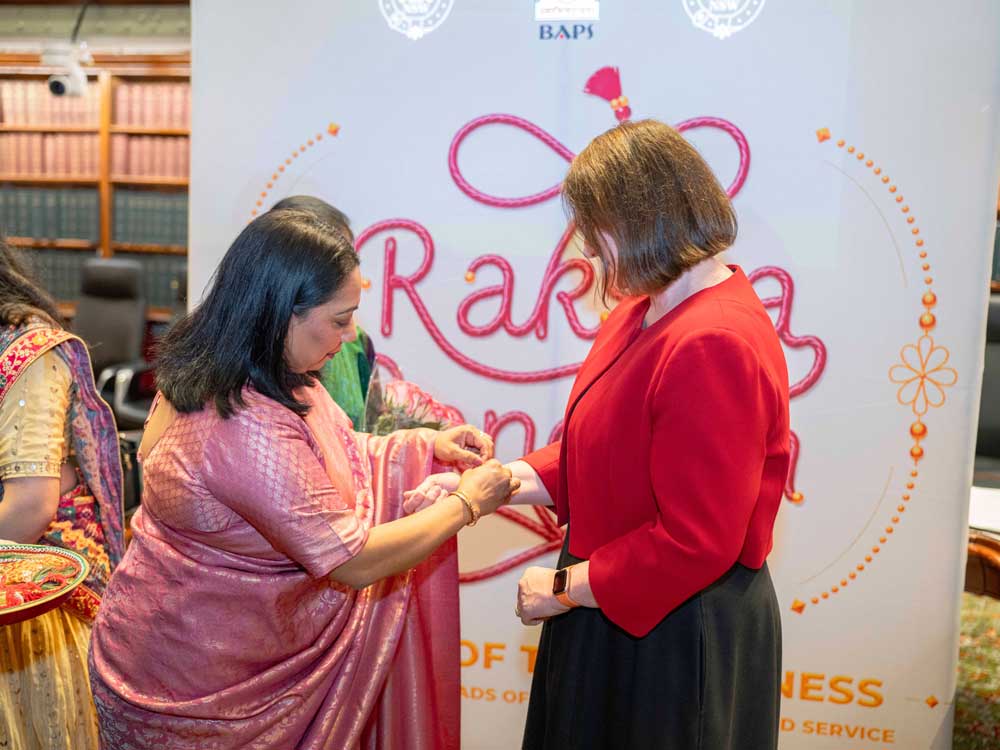
The occasion also received formal recognition within the NSW Parliament. Parliamentary records list a Community Recognition Statement titled “Raksha Bandhan: Threads of Togetherness Exhibition” on 15 September 2026. The recognition forms part of Parliament’s broader practice of acknowledging cultural, community and social occasions within the parliamentary record.
The parliamentary setting is significant for the Hindu community in NSW, as cultural recognition within the institution provides an opportunity for traditions observed by the state’s diverse communities to be acknowledged in a public forum. Rakshabandhan is observed by Hindu communities in Australia and around the world, with the tying of the rakhi remaining one of the festival’s most recognisable traditions.

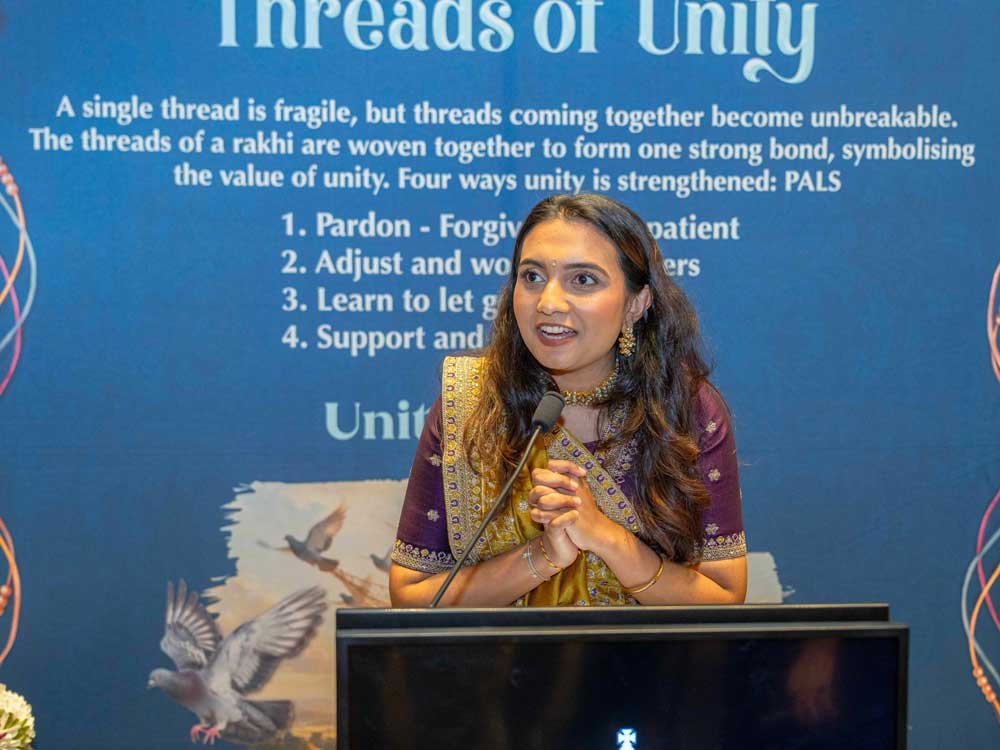
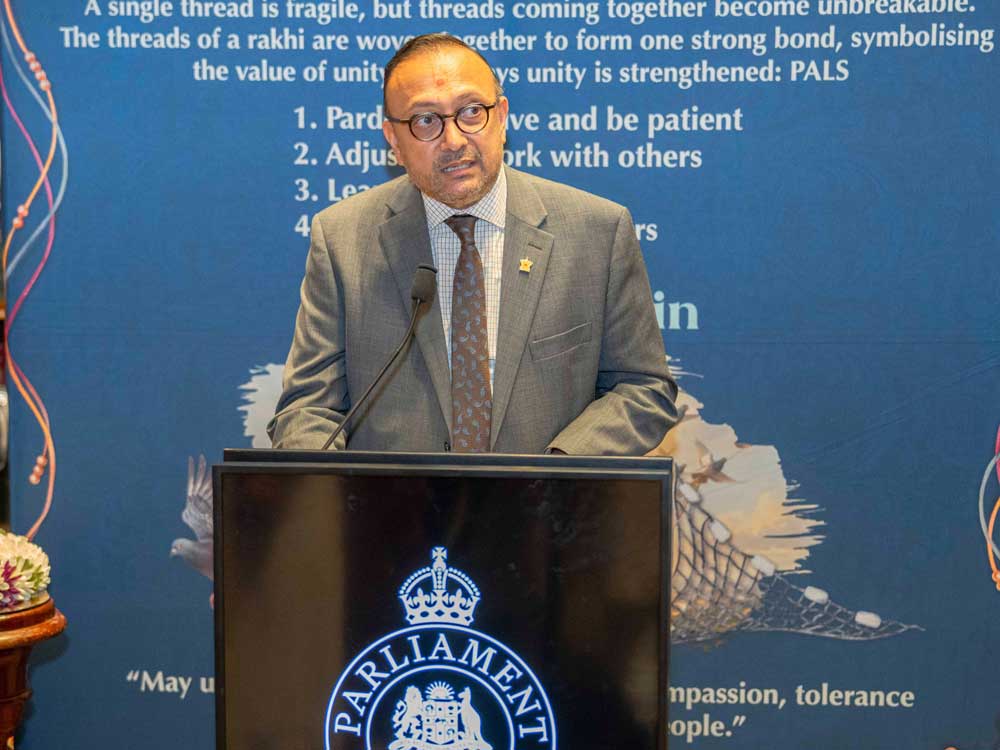
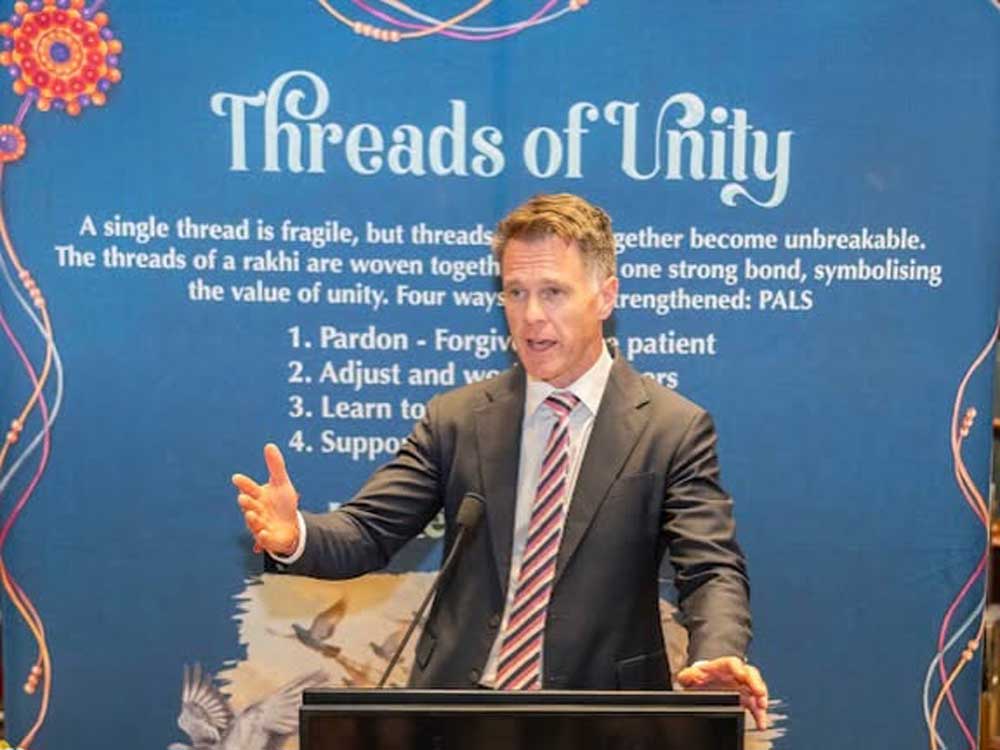
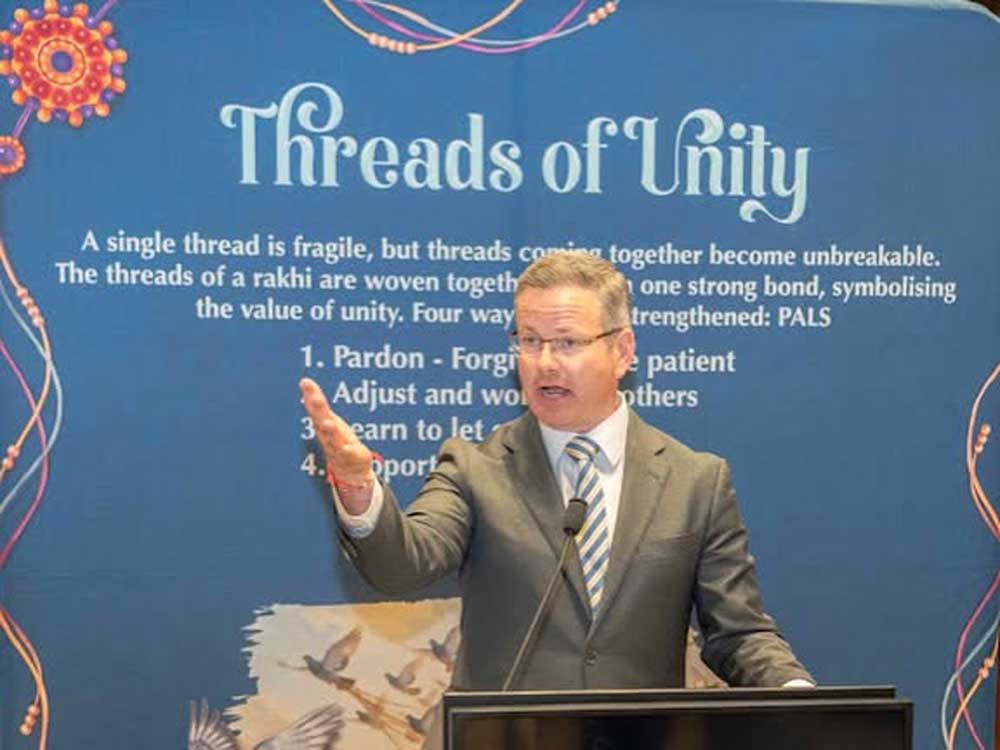
For the Indian and Hindu communities across New South Wales, occasions such as this also provide an opportunity to connect cultural heritage with contemporary Australian life. Community organisations can use such gatherings not only to celebrate a festival but also to introduce its values and traditions to people from different cultural and religious backgrounds.
BAPS expressed its appreciation to Donna Davis, NSW Premier Chris Minns and the Parliament of New South Wales for hosting the gathering and providing an opportunity for the festival to be marked within the parliamentary precinct.
The event also forms part of a continuing pattern of cultural recognition at NSW Parliament. Parliamentary records show that Raksha Bandhan was recognised previously in 2025, demonstrating that the festival has already featured within the state’s formal parliamentary community-recognition record.
The 2026 recognition came alongside other community and cultural acknowledgements recorded by the NSW Parliament during September. The parliamentary records show community recognition statements covering a broad range of communities, organisations and occasions, reflecting the diversity of groups represented across the state.
The Rakshabandhan gathering also highlights the role that community organisations can play in creating connections between cultural traditions and public institutions. By bringing a familiar festival practice into Parliament, the event created a space where cultural heritage could be shared while emphasising values that extend beyond any single community.
Rakshabandhan carries a message that can be expressed in many ways, but the central idea of strengthening bonds through care and responsibility remained at the heart of the NSW Parliament celebration. The rakhi served as a visible representation of that message, while the gathering itself provided an opportunity for guests to learn about and participate in the tradition.
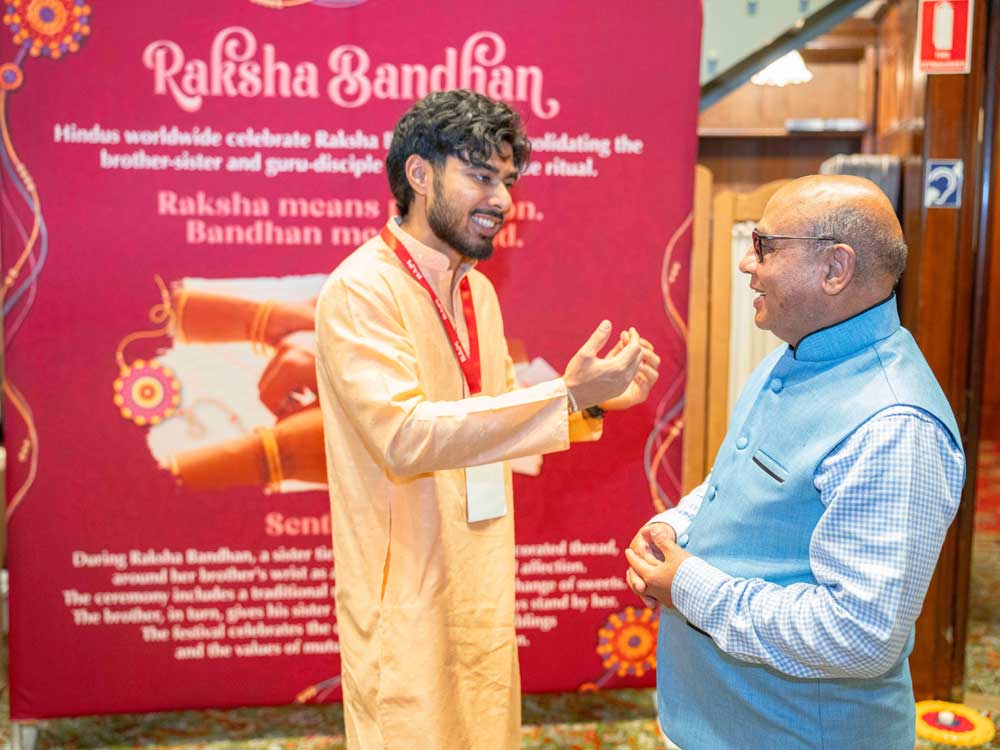
For BAPS and the wider Hindu community, the event was therefore more than a festival gathering. It offered an opportunity to showcase cultural heritage, encourage dialogue and reinforce the contribution of Hindu traditions to Australia’s multicultural social fabric.
As NSW continues to recognise cultural festivals and community occasions within its parliamentary proceedings, the Rakshabandhan celebration at Parliament House adds another chapter to the growing presence of Australia’s Indian and Hindu communities in public civic life. The 15 September gathering brought together tradition, community and parliamentary recognition, with the simple thread of the rakhi serving as a symbol of connection and mutual care.