The International Women’s Peace Group (IWPG) has concluded its 2026 International Women’s Peace Conference in Cheongju, Republic of Korea, bringing together approximately 800 women leaders and representatives from 31 countries to examine how women’s everyday experiences can contribute to peacebuilding and global governance.
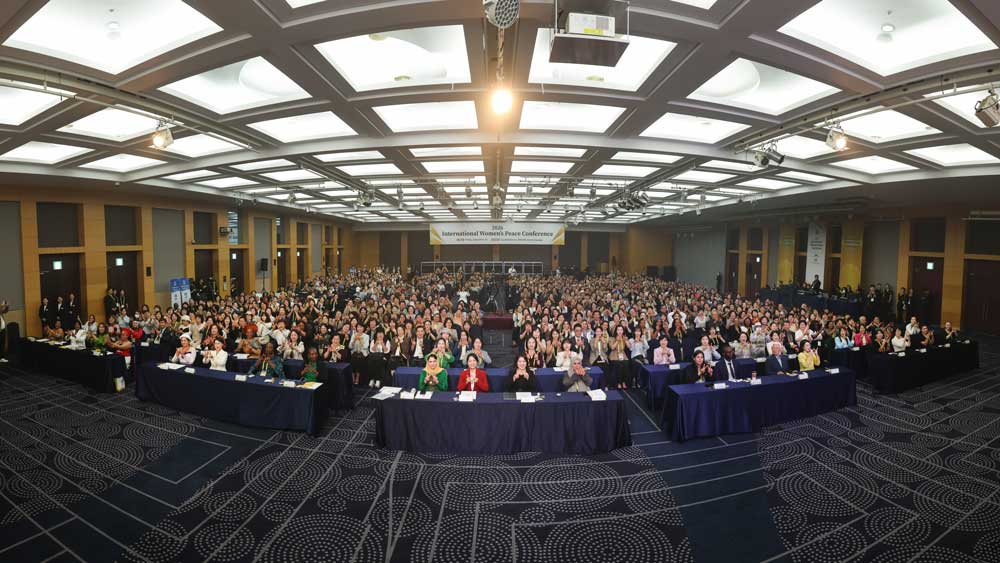
Held at the Enford Hotel on September 17–18, the conference was organised under the theme “Peace in Everyday Life, Women’s Power: Shaping Global Governance.” Participants included former and current ministers, local government representatives, diplomats, international organisation officials, civil society leaders, educators and journalists who participated both in person and online.
The conference focused on moving discussions about women and peace beyond broad statements and towards practical frameworks. Participants examined ways of incorporating women’s experiences of maintaining peace within families, communities and wider society into public policy, institutional structures and multilateral diplomacy.
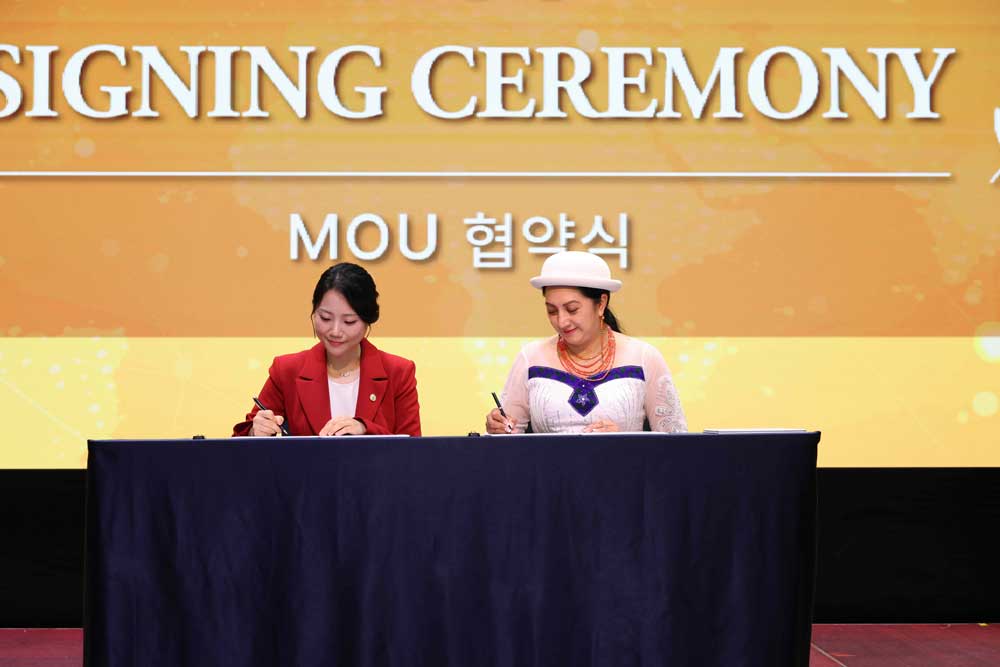
One of the major outcomes was the signing of Memorandums of Understanding with 12 institutions and organisations from eight countries. The agreements included cooperation with local governments, educational institutions and civil society organisations to develop sustainable projects, including Peace Learning Through Education (PLTE) and initiatives designed around the needs of individual regions.
The conference also formally announced the 2026 Global Women’s Peace Recommendations, compiled from the views of approximately 1,070 women leaders representing different sectors across 46 countries. The recommendations call for greater substantive decision-making authority for women, institutional support systems providing medical, legal and psychological assistance, peace education for future generations and stronger international solidarity between regions.
According to IWPG, the recommendations are intended to be presented as policy guidelines to the international community through multilateral bodies including the United Nations Commission on the Status of Women and the African Union. The initiative reflects the conference’s focus on connecting women’s experiences at community level with broader policy discussions.
The main session featured women leaders with experience working in conflict-affected and socially unequal environments. Fawzia Koofi, President of the Afghan Women’s Coalition and Afghanistan’s first female vice speaker of parliament, argued that peace cannot be sustained if women are excluded from political and social decision-making. She called for women to participate directly in negotiations involving national security, finance and political systems.

Diana Guadalupe Caiza, Mayor of Ambato in Ecuador and the first Indigenous woman to hold the position in the city’s history, highlighted education, safety and fair opportunities as important conditions for women’s participation in policymaking. She also discussed local governance approaches incorporating care and the Andean principle of mutual aid known as Ayni.
Ahed Mohammed Salem Gasos, Yemen’s Minister of Local Administration and State Minister for Women’s Policies, spoke about the contribution of women who continue supporting their communities during civil conflict. He called for women’s institutional participation throughout post-conflict recovery and reconstruction governance.
The programme also expanded cooperation between governments, universities and civil society organisations. Four side sessions were held on September 17 in partnership with organisations including the Multi-Party Women’s Caucus of the Gauteng Provincial Legislature, Ambato City Hall and Mexican women’s rights organisation Cemujer. Discussions covered peace in the AI era, peace education and women’s leadership, future generations and peace, and civil society’s role in peacebuilding.
An Academic Networking session was introduced on September 18 to examine how peace education could be incorporated into educational institutions. Participants considered the experience of Mexico’s Autonomous University of Tabasco Juárez, which has established a Peace Committee and trained certified Peace Instructors through PLTE, as an example of institutional cooperation in peace education.
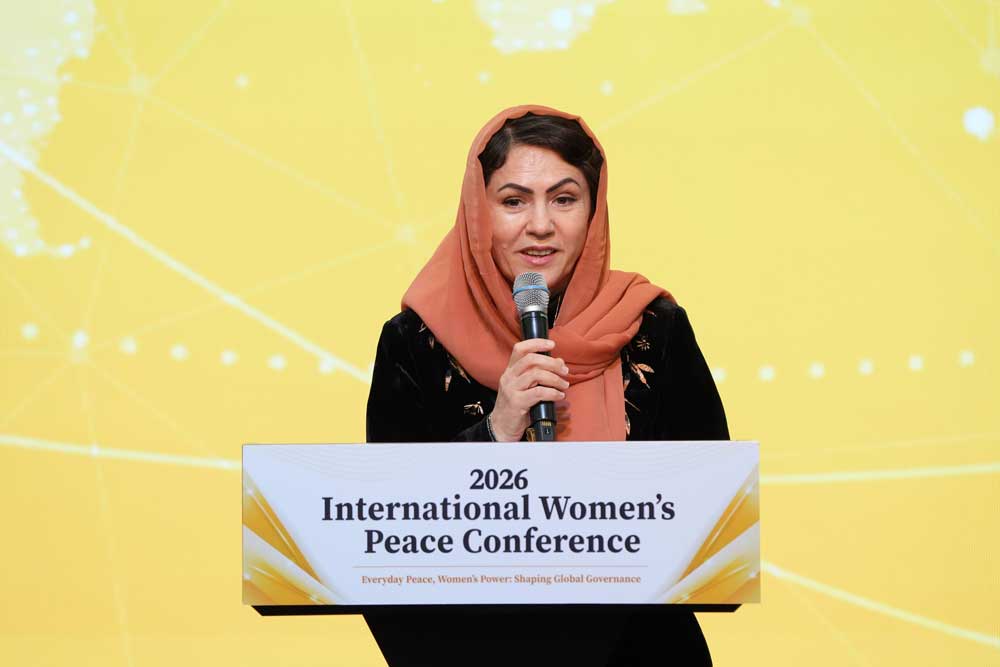
IWPG also announced plans to transform its Peace Committee structure, which has operated for a decade, into “Peace Chapters” designed as grassroots and self-sustaining organisations. The existing Peace Committee is to be developed into a policy advisory body involving experts from different fields, creating a governance structure intended to support longer-term peace initiatives.
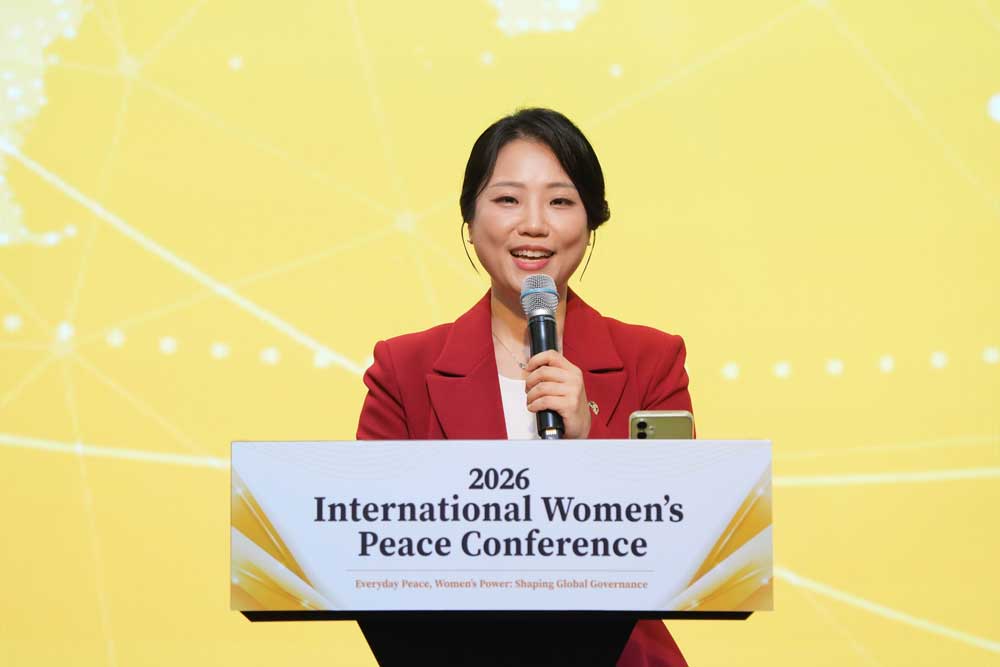
IWPG President Na-yeong Jeon said the foundations of global governance could be found in the everyday experiences of people and that women’s experiences should be documented, understood and translated into knowledge that can contribute to policymaking and international discussions.
In her closing remarks, IWPG Secretary-General Choi Kyung-nam emphasised the importance of moving beyond simply hearing women’s experiences. She said those experiences should be transformed into knowledge and action capable of contributing to changes within societies and institutions, while IWPG would continue connecting women’s voices and supporting peace leadership within communities.
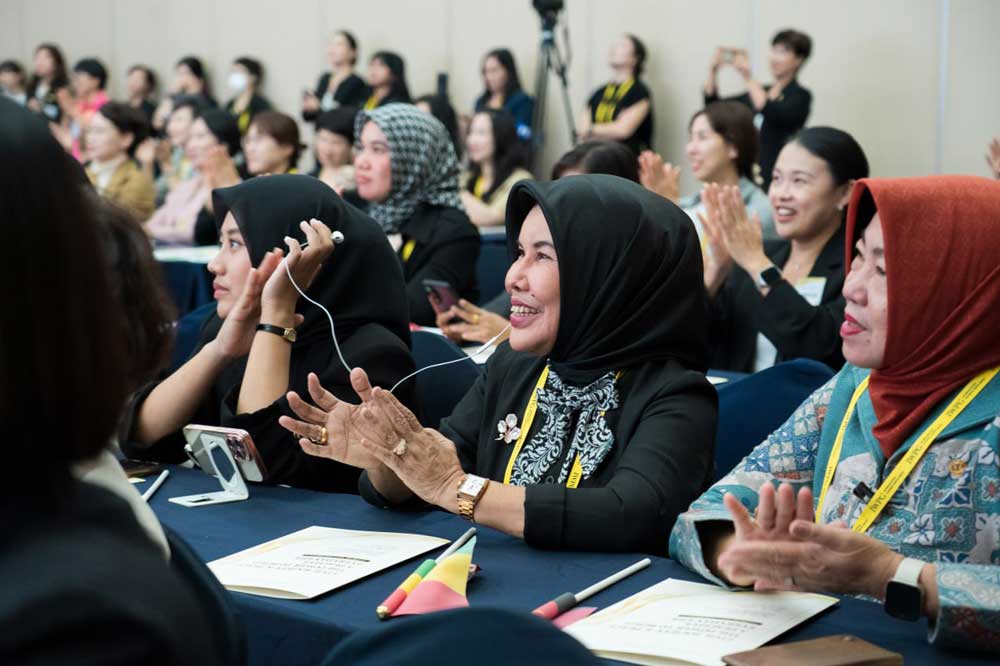
The conference programme also included a Peace Academic Network session, Peace Chapter Workshop, media roundtable and networking activities. The official programme describes the main session as a platform focused on women’s leadership, peace education and international solidarity, with discussions examining women’s experiences of practising peace in everyday settings.
The conference’s wider programme also addressed emerging issues such as artificial intelligence, future generations, education and civil society participation. The official schedule included dedicated sessions examining peace in the AI era, women’s leadership, future generations and civil society approaches to peace.
IWPG describes itself as an international women’s peace NGO headquartered in South Korea, with registration with the United Nations Economic and Social Council and the UN Department of Global Communications. The organisation says it operates through 105 branches and approximately 900 partner organisations worldwide, with activities covering peace education, peace culture initiatives and women’s peace policy proposals.
The 2026 conference ultimately placed women’s lived experiences at the centre of discussions about peace and governance, linking grassroots activity with education, institutional cooperation and international policy. Its organisers said the conference was intended to strengthen the connection between women’s everyday peace practices and broader efforts to build sustainable systems of peace and international cooperation.