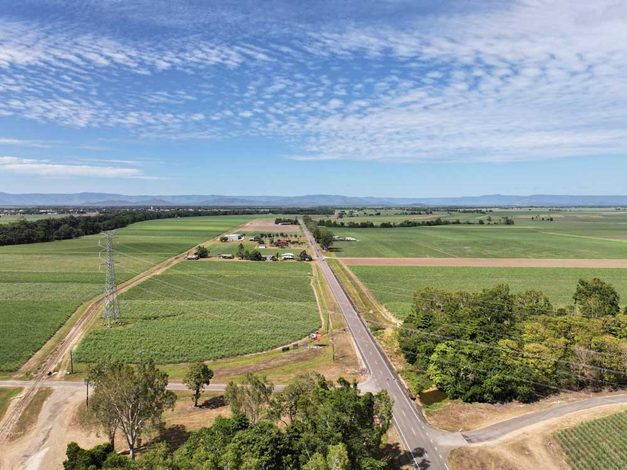
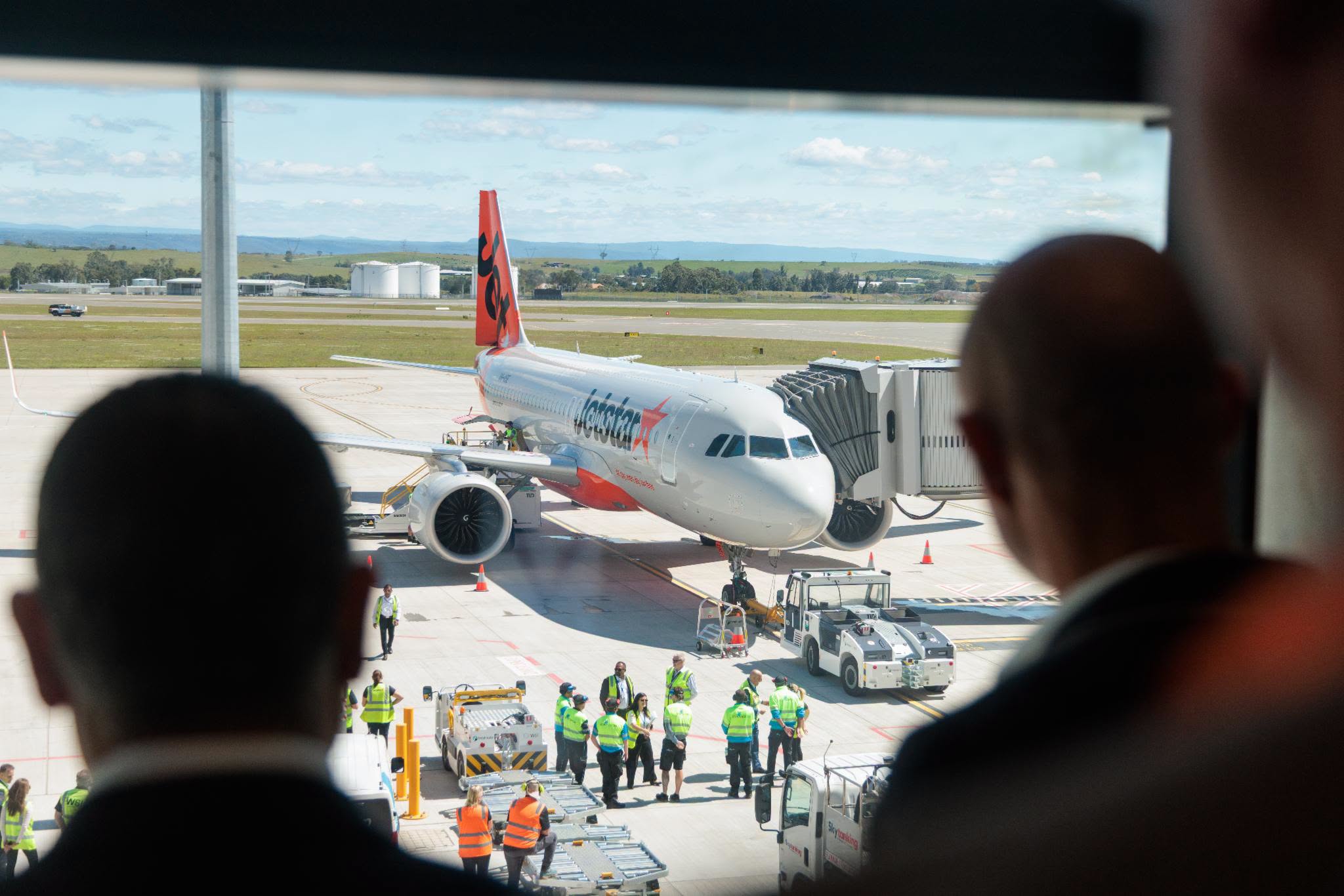
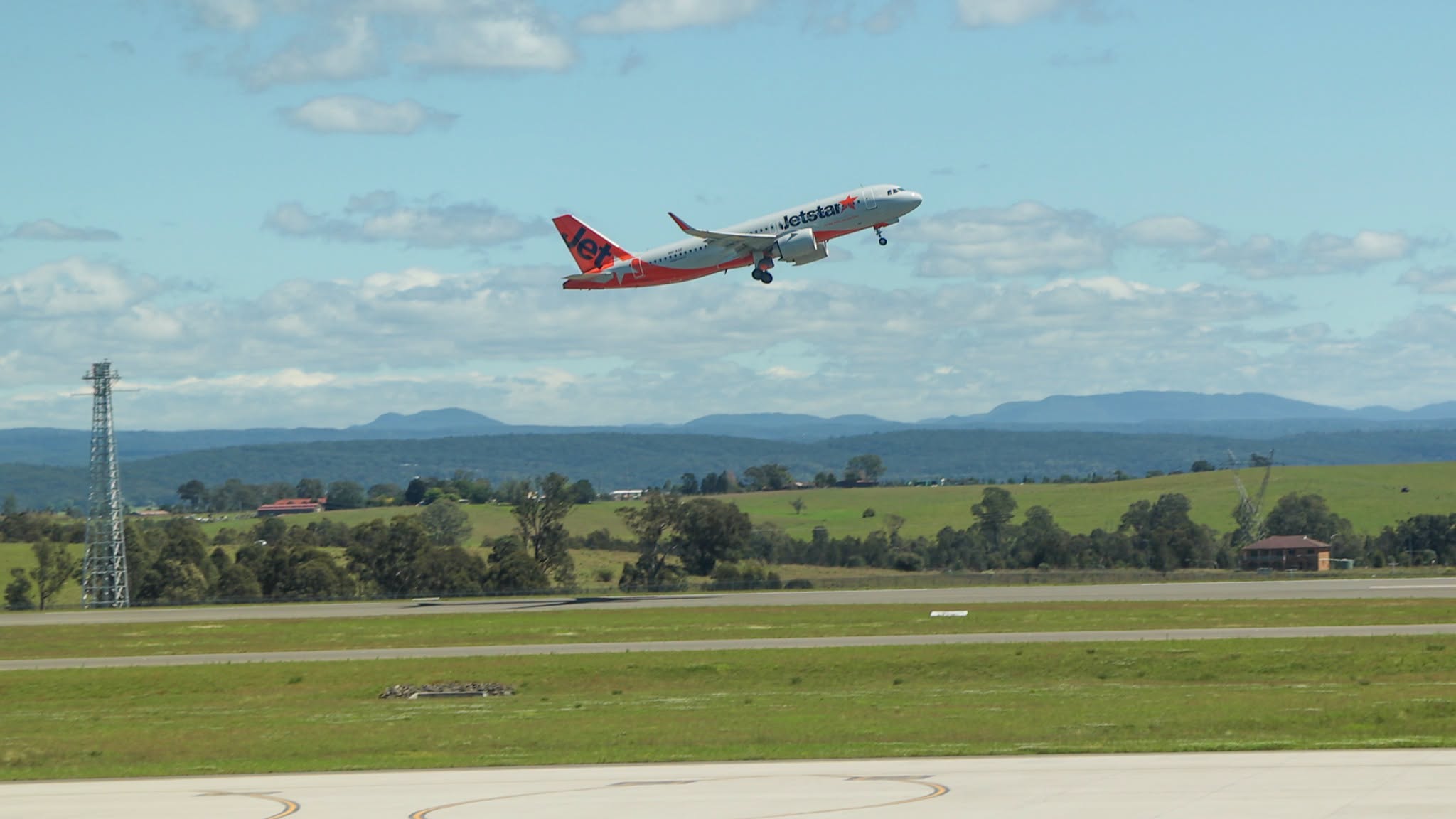
Western Sydney International (Nancy-Bird Walton) Airport has commenced commercial passenger operations, marking a significant milestone for the region and creating new opportunities for employment, freight, business investment and economic growth.
Located at Badgerys Creek, the airport is expected to reshape Western Sydney’s economic landscape by improving international connectivity and supporting new commercial and logistics precincts. Its 24-hour operating capability also offers potential advantages for freight operators, exporters and businesses requiring time-sensitive international deliveries.
Liverpool is positioning itself to capture a share of these benefits, with Mayor Ned Mannoun calling for investment in transport connections, infrastructure and local employment to ensure residents and businesses benefit from the airport’s opening.
Liverpool Seeks to Capitalise on Airport Investment
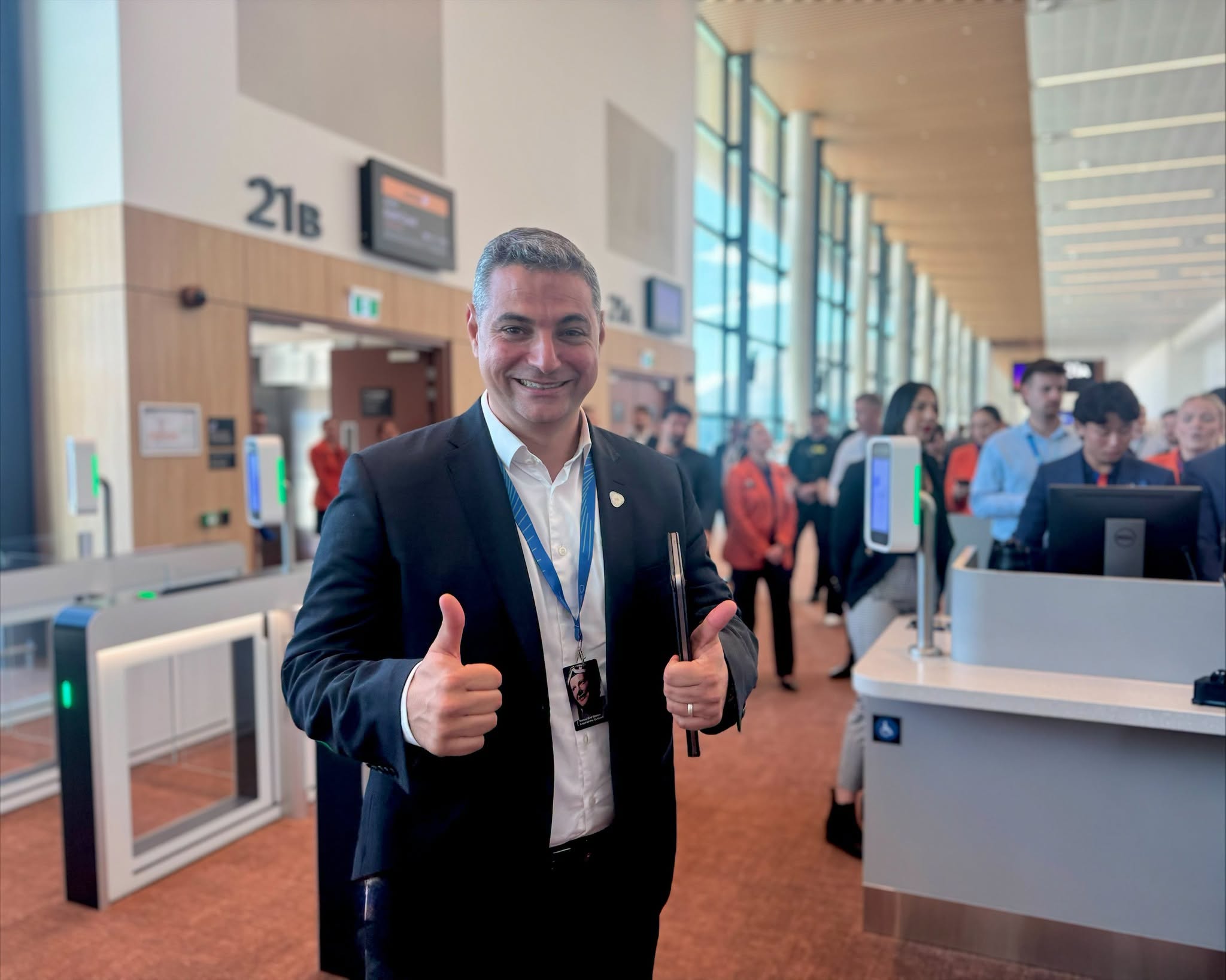
Speaking before boarding the airport’s first commercial passenger flight on Monday, Mannoun reflected on Liverpool’s early support for the project.
“Liverpool backed the airport vision from the outset,” he said.
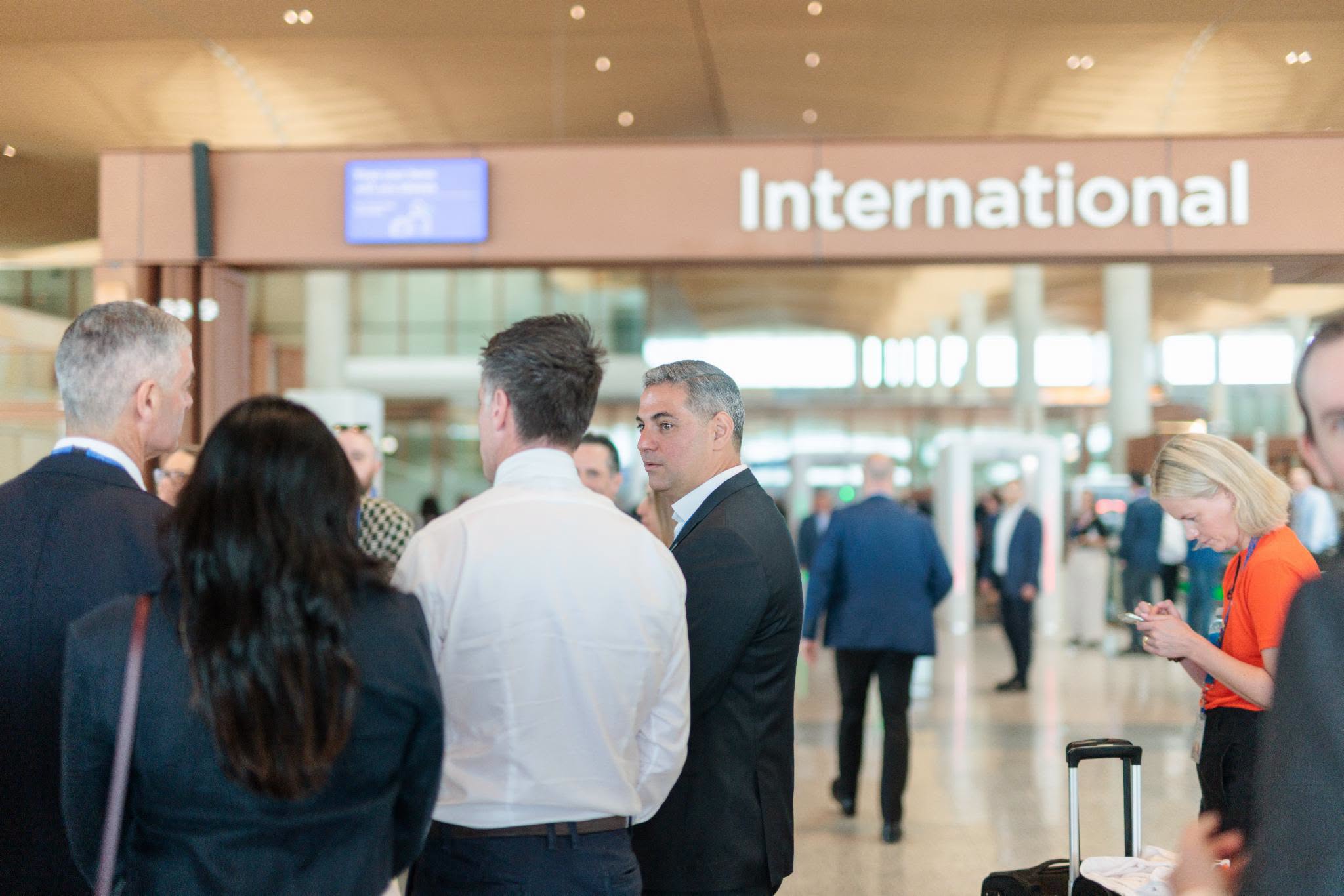
Mannoun recalled that in April 2014, then Prime Minister Tony Abbott confirmed Badgerys Creek as the site for Western Sydney’s new airport. The following day, Abbott announced a major infrastructure package to support its development at Liverpool Council Chambers.
The airport project followed decades of debate about Sydney’s need for a second major airport, driven by population growth and capacity constraints at Sydney Airport.

Unlike Sydney Airport, Western Sydney International is designed to operate around the clock, providing additional capacity for passenger services and international freight.
Major Investment and Employment Opportunities
The airport and its associated infrastructure represent a substantial investment in Western Sydney. According to the supplied information, the Australian Government has committed nearly $18 billion to the airport and related infrastructure, while investment in the airport and surrounding precincts has been estimated at approximately $29 billion, alongside a further $34 billion in private investment.
Construction has generated more than 12,800 jobs, around half of which have gone to workers from Western Sydney. More than $500 million in contracts and expenditure has also flowed to over 360 regional businesses.
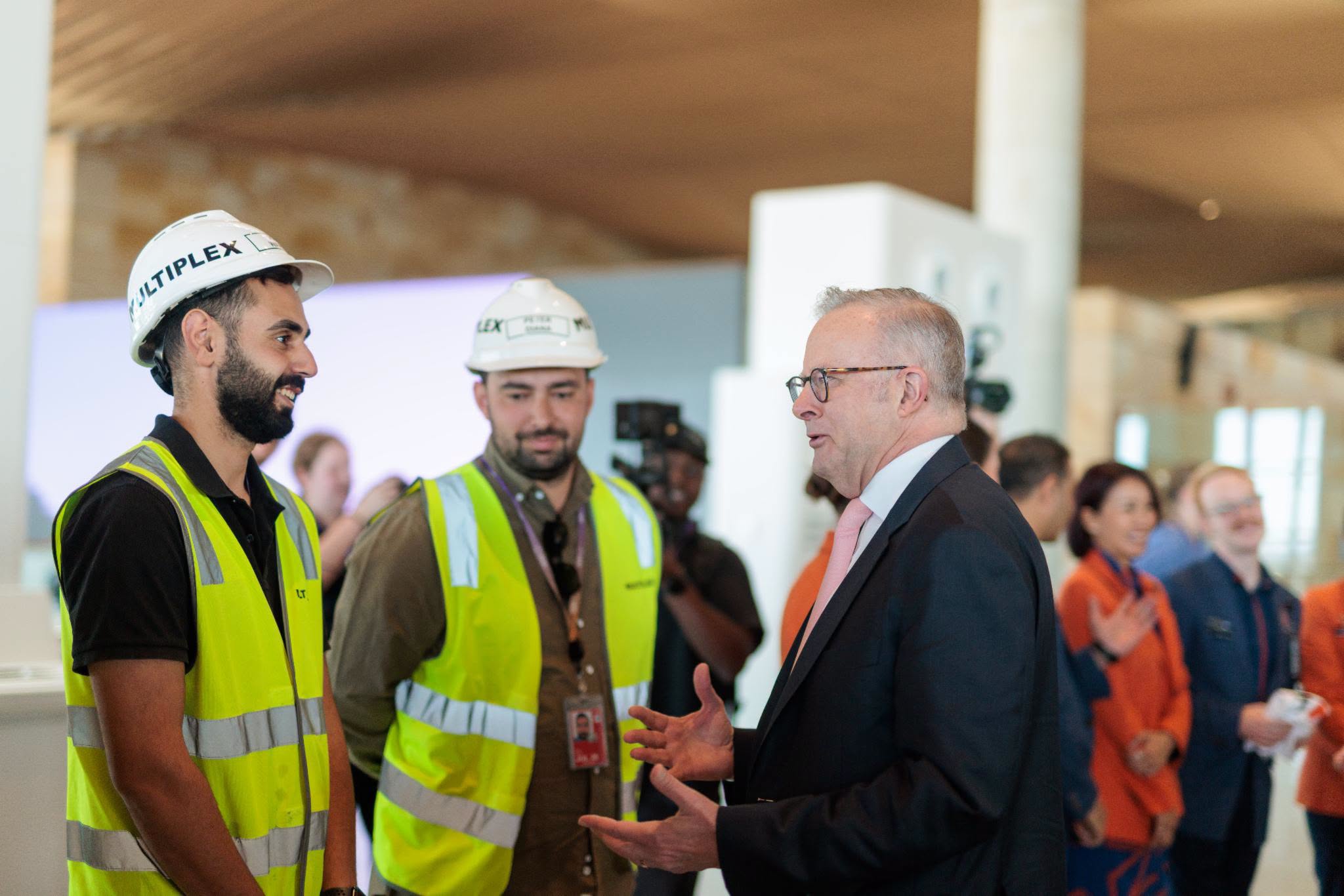
The airport’s cargo precinct is designed to eventually handle up to 1.8 million tonnes of air freight annually. This could create opportunities for logistics providers, manufacturers and agricultural exporters seeking improved access to international markets.
For Liverpool, the priority is to translate this major investment into long-term employment and increased commercial activity.
“Western Sydney International Airport is now open, Liverpool is open for business, and we intend to make the most of this extraordinary opportunity,” Mannoun said.
He said the region needed to turn its new global connectivity into investment, jobs and prosperity for local residents.
Liverpool’s Freight Network Strengthens Its Position
Liverpool already has significant freight infrastructure that could complement the airport’s operations. The Moorebank Intermodal Terminal connects by rail to Port Botany, enabling freight to move between the port and inland logistics facilities.
Together, the airport and intermodal terminal could strengthen Liverpool’s appeal to distribution operators, manufacturers and businesses engaged in international trade by providing access to both air and maritime freight networks.
Liverpool’s existing economic base also offers opportunities for growth. The local economy supports more than 114,500 jobs and over 30,000 registered businesses, while its gross regional product is approaching $19 billion.
The city’s population of approximately 226,000 is projected to exceed 353,000 by 2046, increasing demand for jobs, housing, transport and public services.
Mannoun said Liverpool’s growing economy, established health and education precincts, freight infrastructure and diverse workforce made it well placed to attract new employers and investors.
“Businesses can look at Liverpool and see the ingredients for success: international connectivity, major freight infrastructure, a growing economy and a young, diverse workforce,” he said.
Liverpool’s population represents more than 150 nationalities and speaks around 140 languages. With a median age of approximately 34 and more than half of residents speaking a language other than English at home, the city has a young and culturally diverse workforce.
Transport Connections Critical to Long-Term Growth
Despite the opportunities, Liverpool’s ability to benefit from the airport will depend partly on improved transport and supporting infrastructure.
Mannoun said roads, rail services, public transport and utilities needed to keep pace with the region’s expanding residential communities and commercial developments.
“An airport alone will not deliver everything our community deserves. We need the roads, rail connections, public transport, utilities and supporting infrastructure that allow businesses to invest with confidence and residents to access the jobs being created,” he said.
The need for more local employment is particularly significant for Liverpool, where two-thirds of residents travel outside the local government area for work.
Mannoun said attracting more employers could help create high-quality jobs closer to home and reduce the need for residents to commute elsewhere.
“Two in three Liverpool residents travel outside the city for work. We have an opportunity to change that by attracting more employers and creating high-quality jobs closer to home,” he said.
Turning Airport Growth Into Local Prosperity
The opening of Western Sydney International Airport creates a new gateway for passenger travel, freight and investment across the region. However, its longer-term success for surrounding communities will depend on whether the economic activity translates into lasting employment, accessible transport and stronger local businesses.
For Liverpool Council, securing infrastructure commitments and promoting the city to potential employers and investors will remain central to maximising the airport’s benefits.
“Council will continue to advocate strongly for these connections, work with government and industry, and promote Liverpool to investors here and overseas,” Mannoun said.
“We have the people, the location and the ambition. The airport has opened a new gateway to the world, and Liverpool is ready to walk through it.”