An outfit worn at Admiralty House highlighted both the creativity of refugee women and the barriers preventing many from returning to their professions.
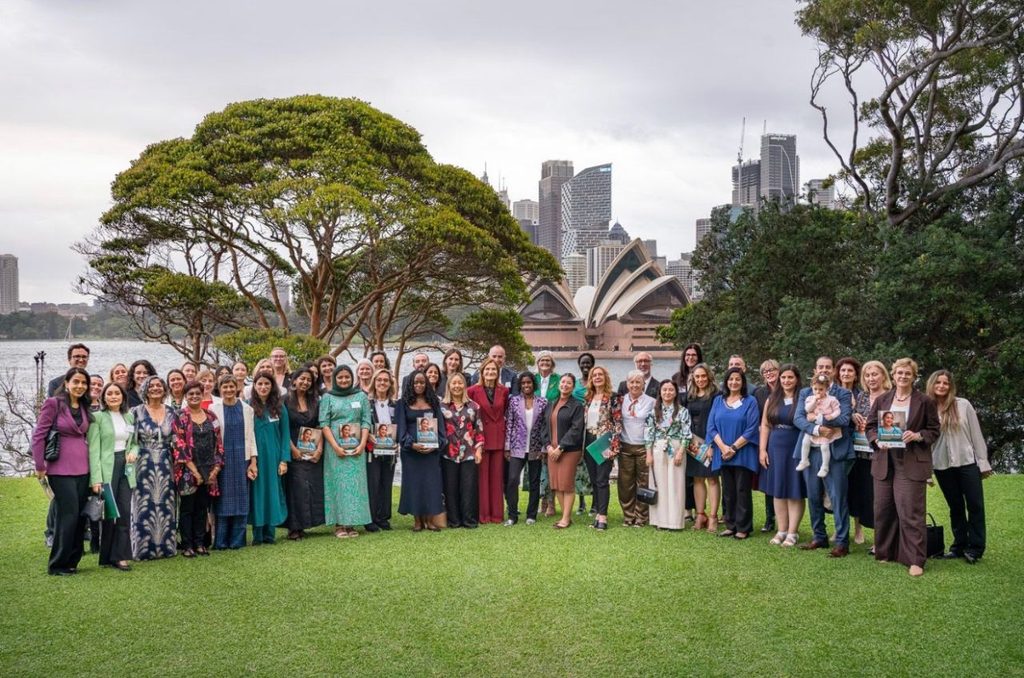
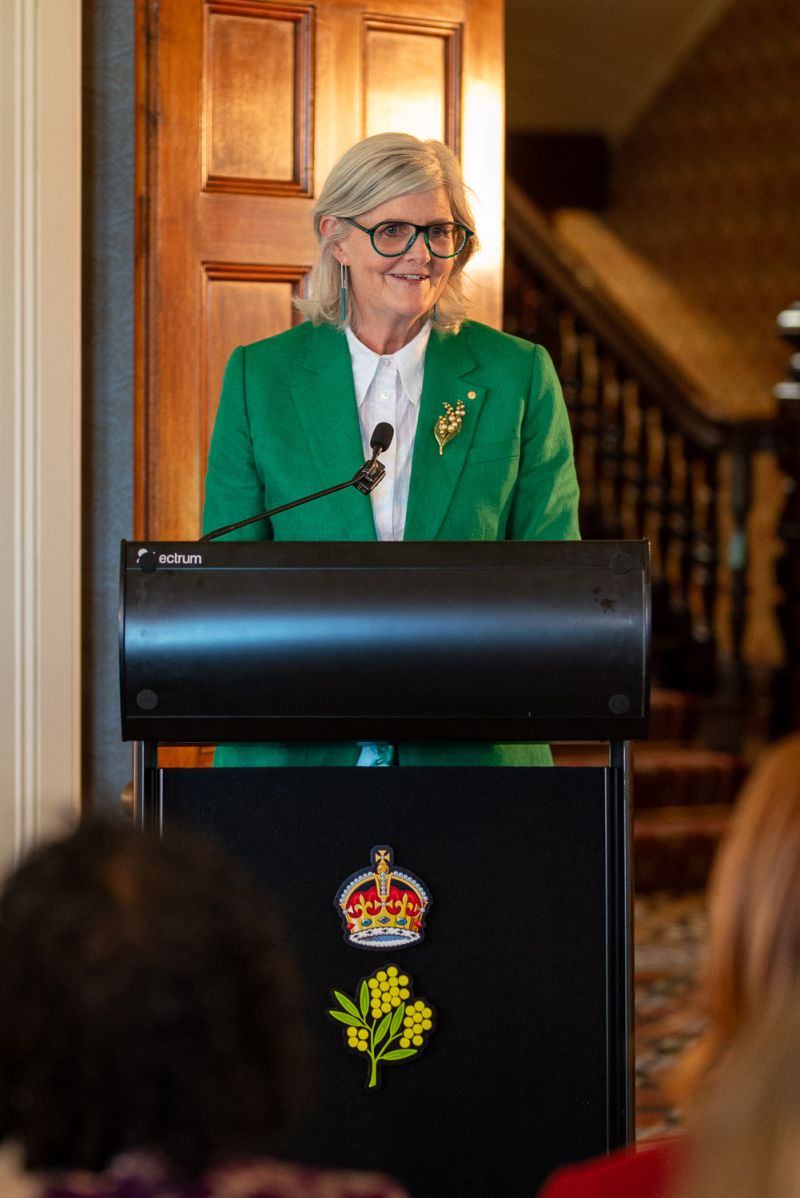
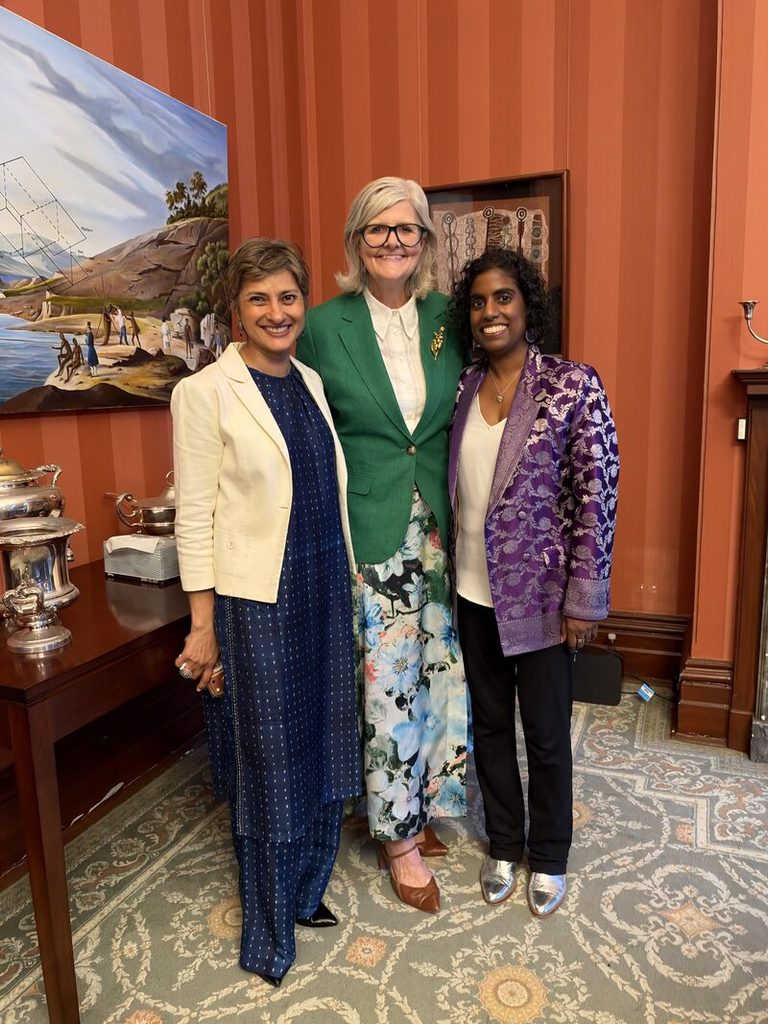
When Governor-General Her Excellency the Honourable Sam Mostyn AC wore an outfit featuring a textile print co-designed by Farukh at Admiralty House in Sydney, it was a moment of recognition for the Afghan-born woman.
Behind that achievement, however, is an unfinished ambition: to return to the accounting career she trained for.
Farukh arrived in Australia with a business and accounting degree and years of professional experience. Yet barriers to having her qualifications recognised have prevented her from resuming her profession.
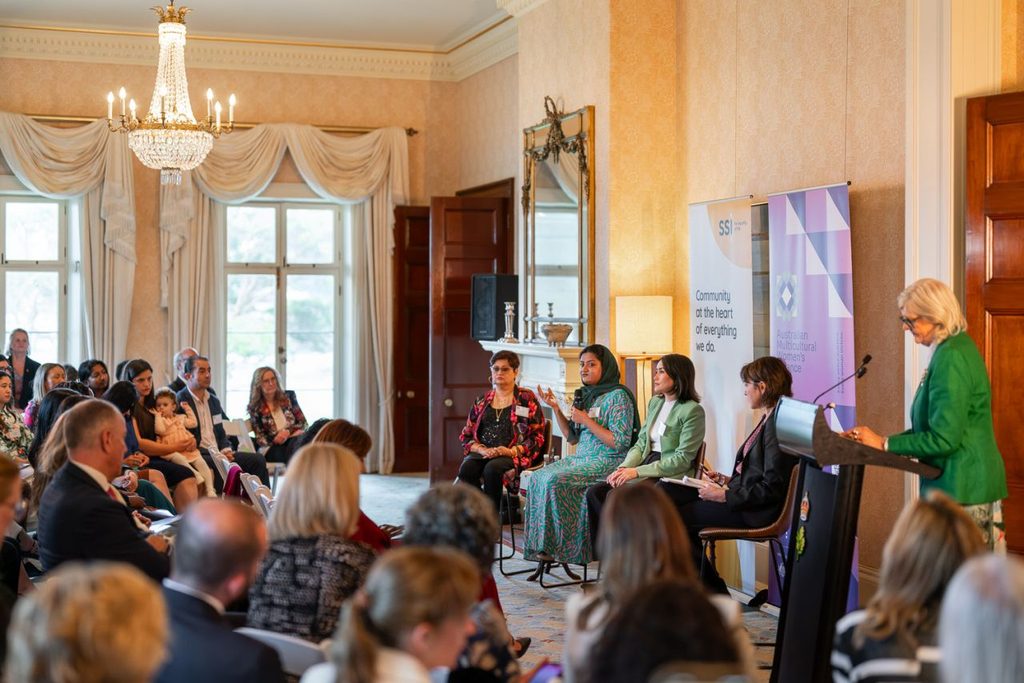
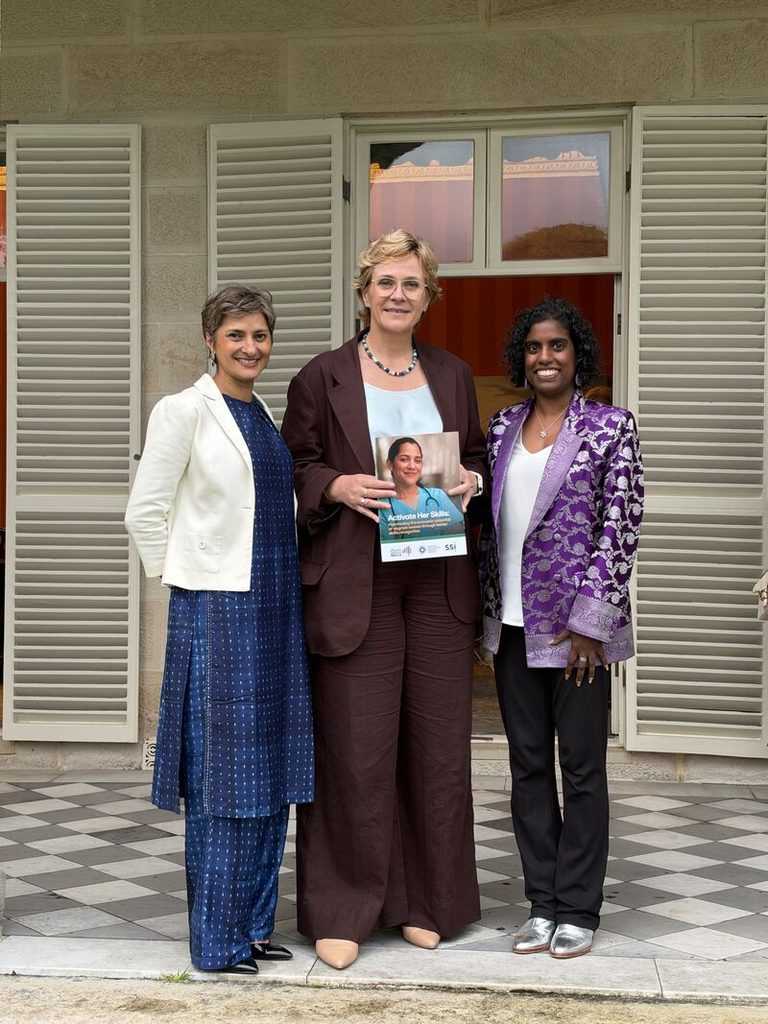
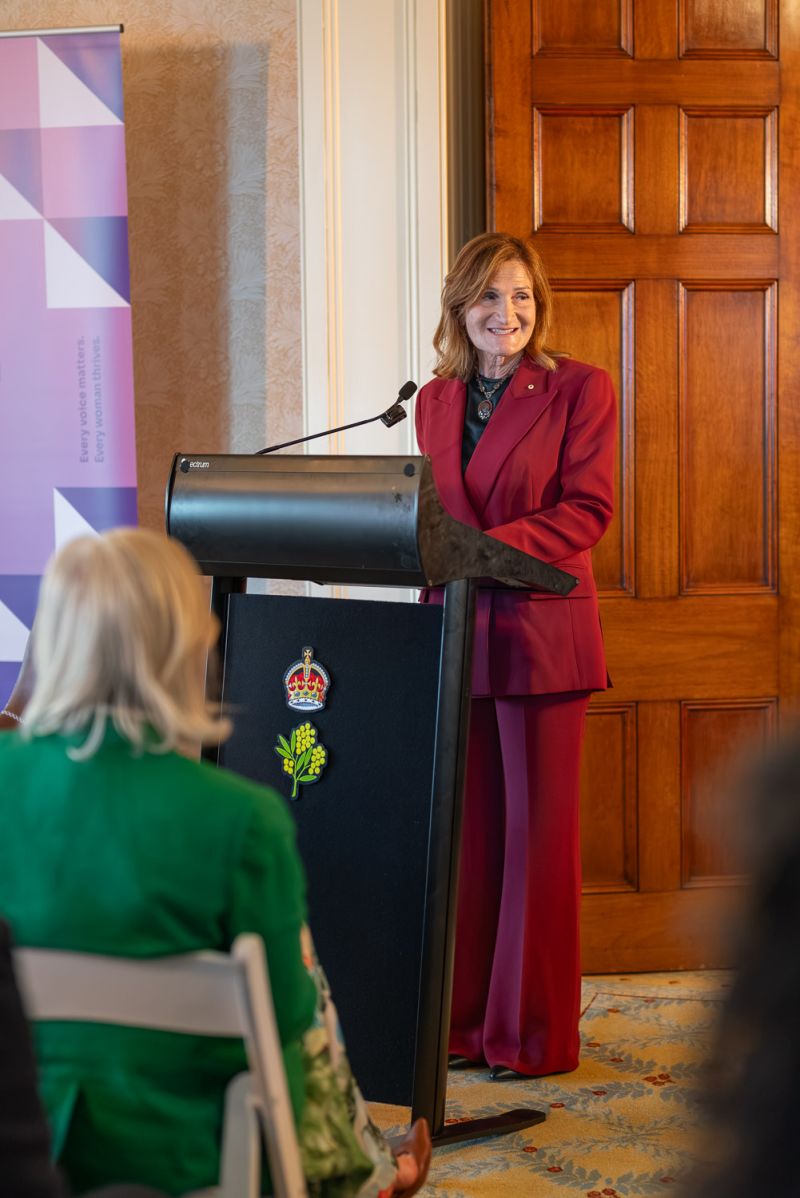
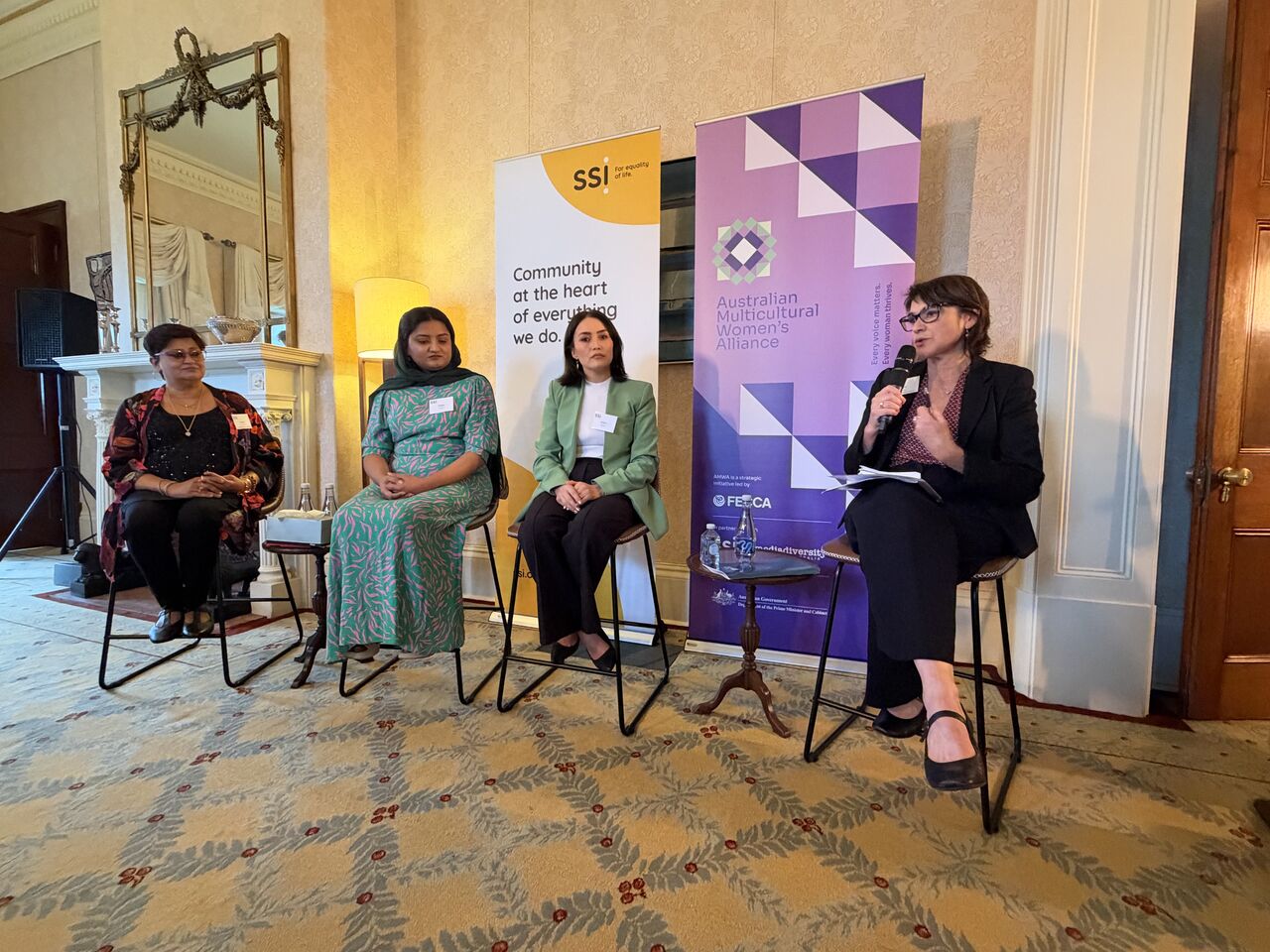
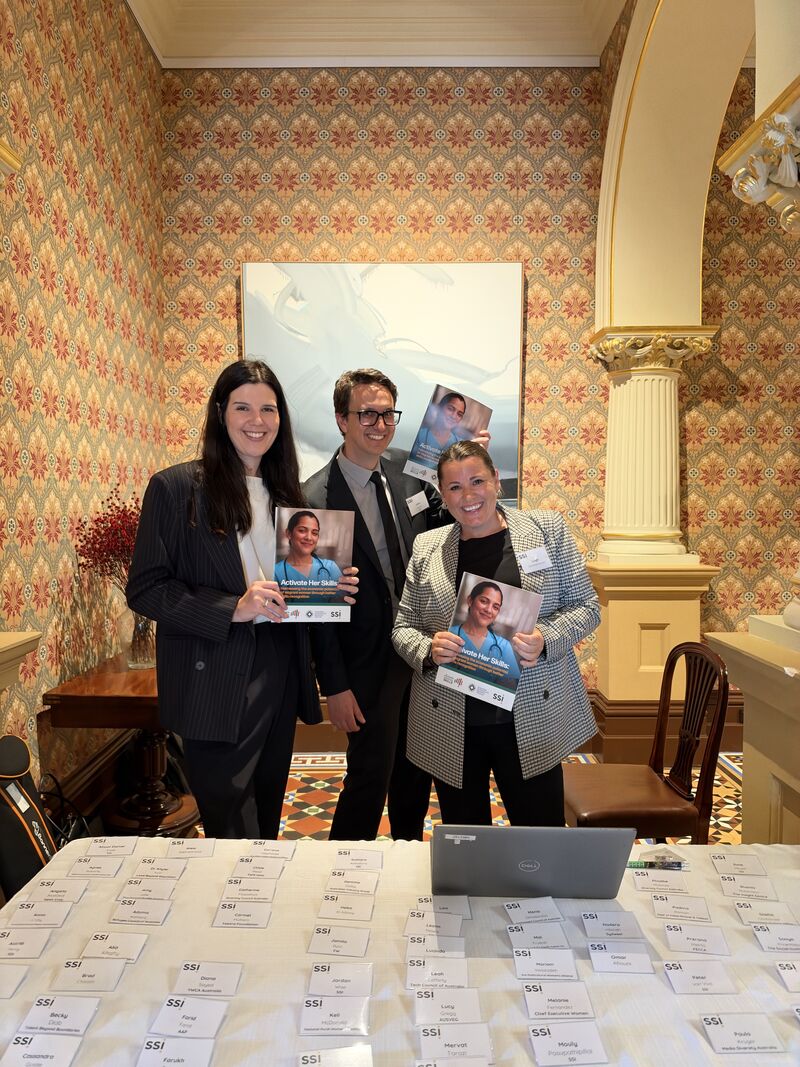
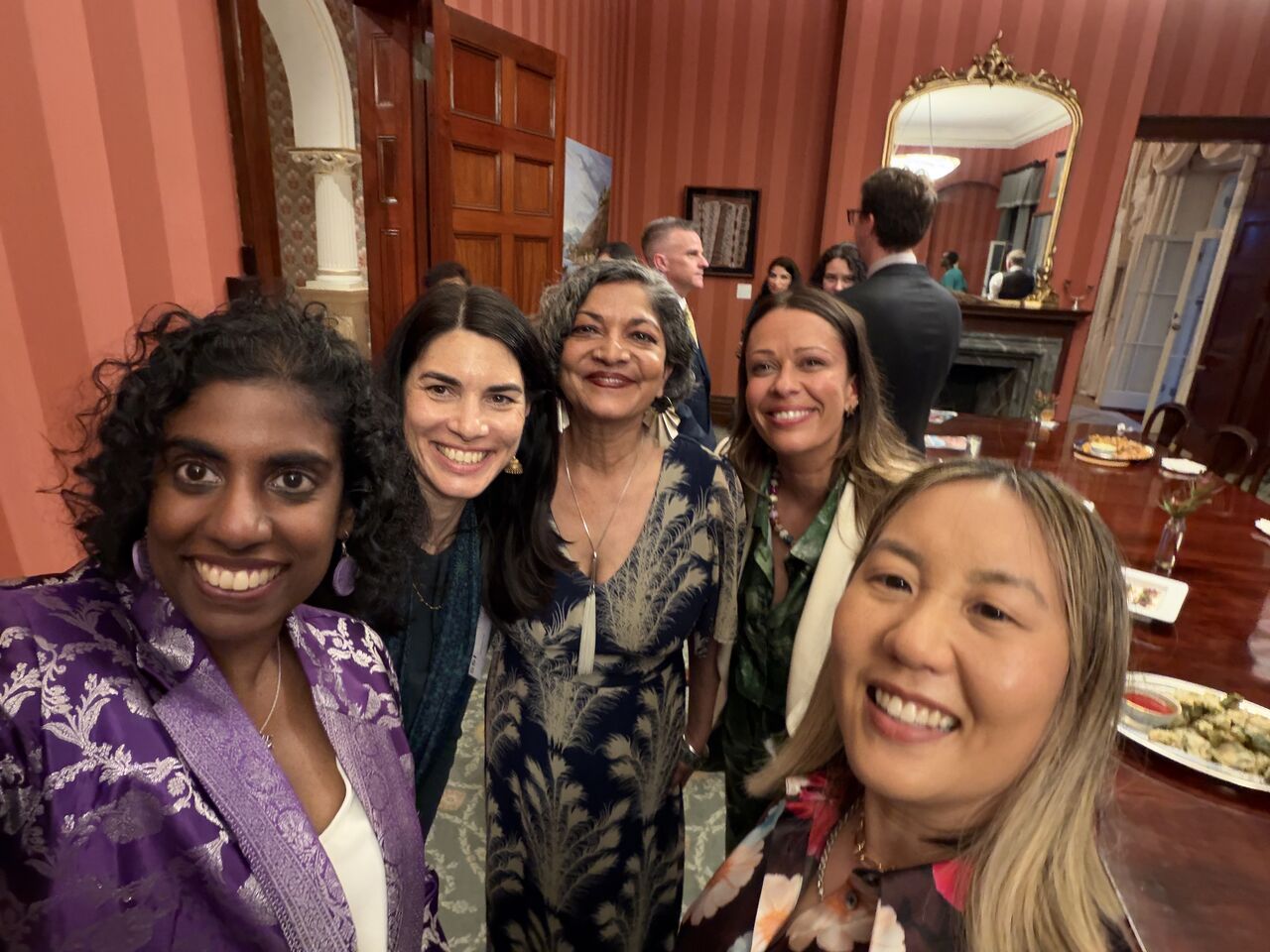
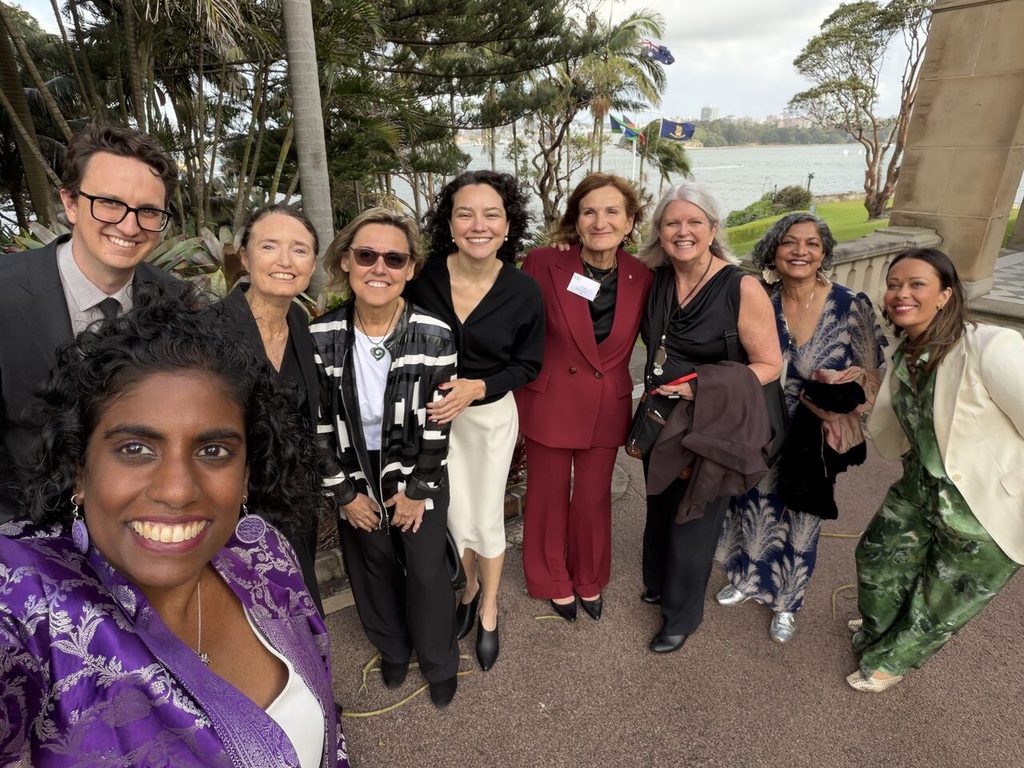
Her story was among those highlighted at an Activate Her Skills event hosted by the Governor-General, bringing together government, business and community leaders to discuss how Australia can better recognise the expertise of migrant and refugee women.
“We need qualified people right across our country, schools, health services, businesses everywhere,” Her Excellency said.
The Governor-General called for pathways that would enable women whose skills have been overlooked to contribute their full expertise to Australian workplaces and communities.

For Farukh, a new opportunity emerged through The Social Outfit, a Sydney ethical fashion brand and registered charity that employs and trains people from refugee and migrant communities.
Fashion had long been an interest, and the organisation gave her an opportunity to combine her creativity with her financial skills.
“I was excited to get involved in fashion. I loved that The Social Outfit understood my abilities, and I’ve had the opportunity to combine my love for fashion with my financial skills,” Farukh said.
But accounting remains the work she hopes to return to.
“But I loved being an accountant. It’s what I’ve trained for. For me, it’s joyful, I love working with numbers, this is what I want to do and what I know how to do. It’s really hard that I can’t get back into this.”
According to Settlement Services International (SSI), more than 340,000 skilled migrant and refugee women in Australia are working below their level of skill and qualification.
SSI CEO Violet Roumeliotis said Farukh’s experience reflected a wider problem with skills recognition.
“Women like her don’t lack skills, ambition or experience, but they confront a slow, costly and confusing process to get their skills recognised which wastes talent at an industrial scale,” she said.
Ms Roumeliotis said women arriving as partners on another person’s visa may not have their qualifications independently assessed through the migration process and can receive less support to continue their careers.
Australian Multicultural Women’s Alliance (AMWA) Executive Director Malini Raj said caring responsibilities and the demands of settling into a new country could further limit women’s employment options.
“A psychologist becomes a childcare worker. An engineer becomes a cleaner,” Ms Raj said, describing how qualified women can find themselves in insecure work that does not reflect their expertise.
She warned that prolonged underemployment could erode confidence, financial security and independence.
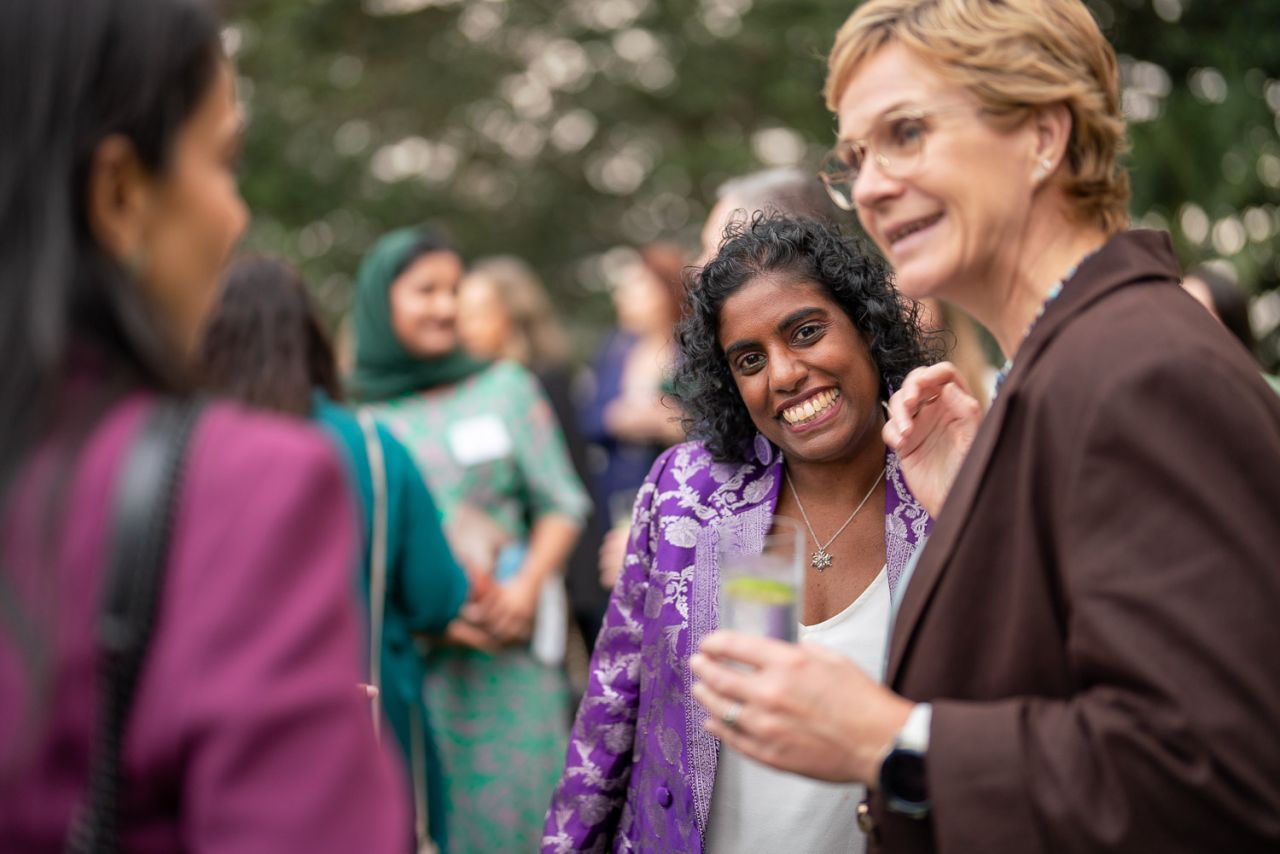
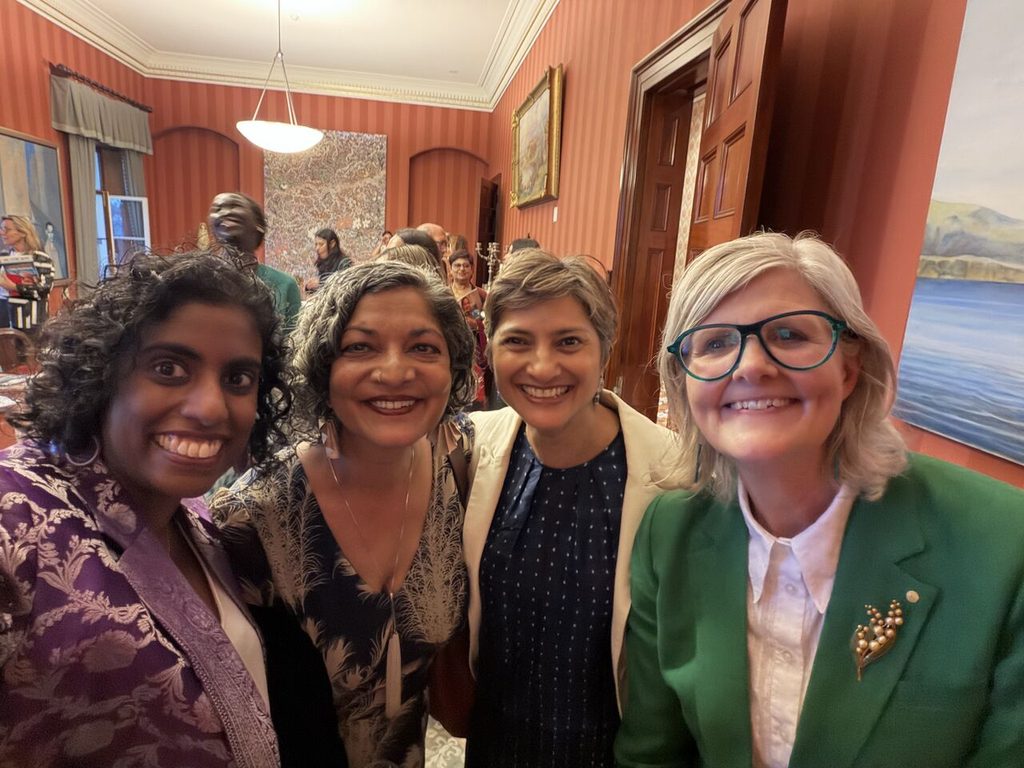
The evening also featured a panel moderated by the Governor-General with Australian Sex Discrimination Commissioner Dr Anna Cody, clinical psychologist Rabia Aftab, teacher Devika Mudaliar and Zahra Rezia, a law graduate with a master’s in political studies.
Activate Her Skills, an initiative of SSI and AMWA, calls for better skills recognition so migrant and refugee women can work in their professions.
For Farukh, seeing her co-designed print worn at Admiralty House celebrated an important part of her talent. Her hope of returning to accounting shows why recognising the full breadth of women’s skills matters just as much.
Read the Activate Her Skills report or learn more about the Activate Australia’s Skills campaign.