From Tarneit and Truganina to Cranbourne and Clyde North, Melbourne’s diverse communities are preparing to choose their next state representatives.
Victoria heads to the polls on Saturday, 28 November 2026, with voters electing all 88 members of the Legislative Assembly and 40 members of the Legislative Council. For Melbourne’s South Asian communities, the election offers an opportunity to examine the candidates and policies shaping their neighbourhoods’ future.
Housing, transport, schools, healthcare and support for local businesses provide practical starting points for those conversations, particularly in suburbs experiencing substantial residential growth.
South Asian communities are diverse, with different backgrounds, experiences and political views. Their presence across Melbourne makes it important that election coverage looks beyond a handful of candidates to the communities and electorates they seek to represent.
Melbourne’s west: communities to watch
The western suburbs are an important starting point. According to the 2021 Census, 28.8 per cent of Tarneit suburb’s residents and 26.6 per cent of Truganina’s residents were born in India. These figures relate to suburbs, rather than electoral districts, and do not include all residents with South Asian heritage.
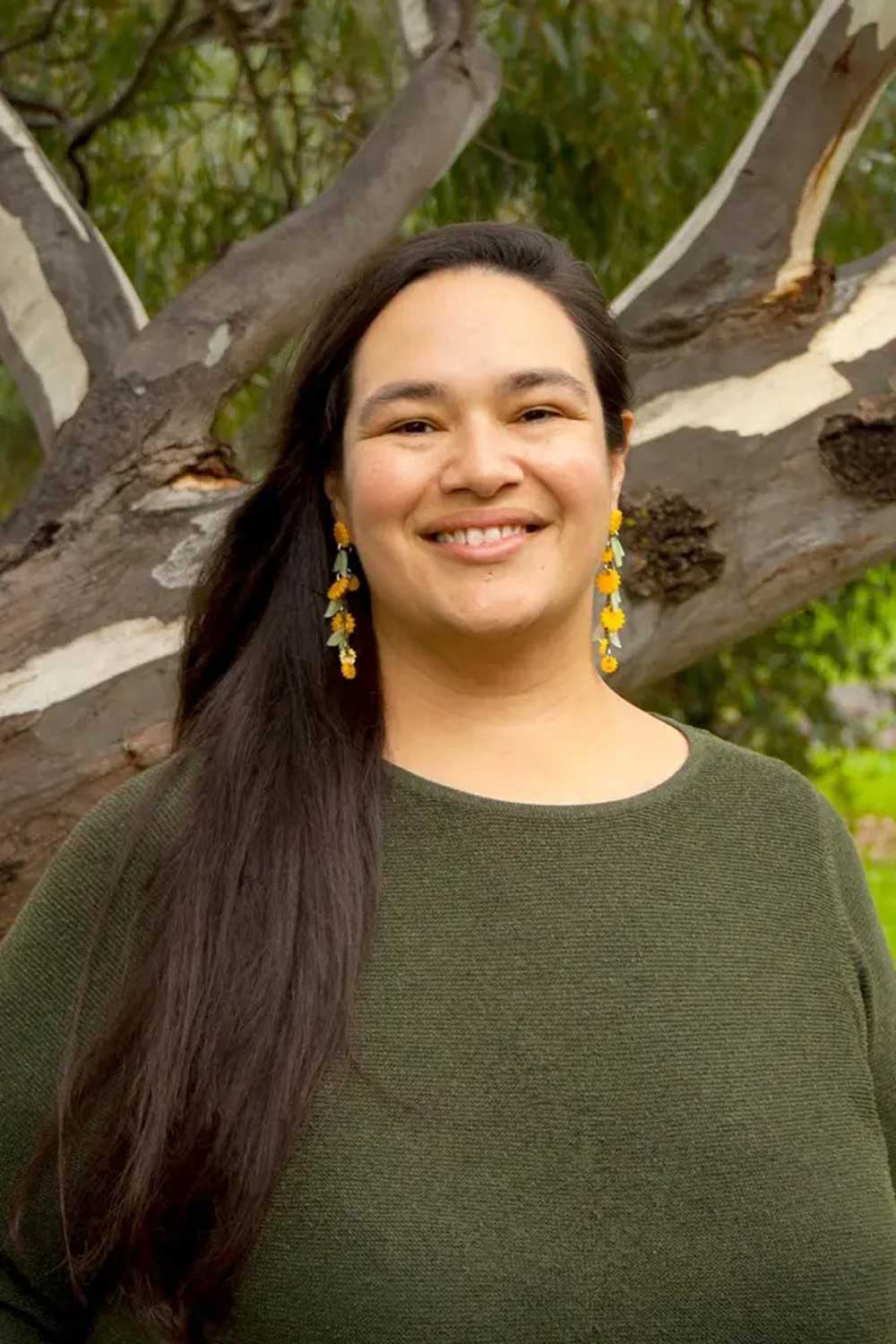

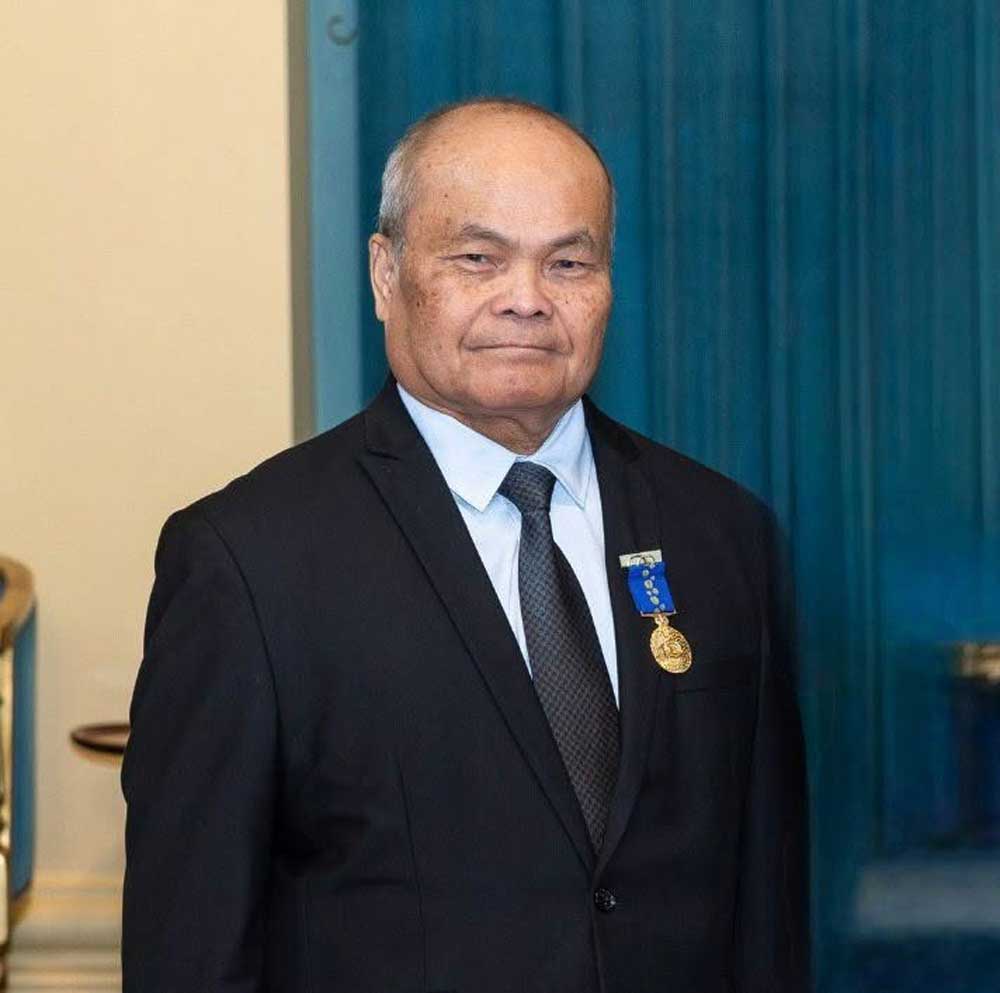
In the Tarneit electorate, Labor’s Dylan Wight is seeking re-election. Announced challengers include Liberal candidate Venkat Ram Upparlapalle, an IT professional, and the Greens’ Rifai Raheem, who has worked in local community services. Other announced candidates include Andrew Elsbury for the West Party, Walter Villagonzalo for One Nation, Horizana Niyongabire for Family First, Maurita Rahn for Animal Justice, Sindhu Sudhagani for The Republican and Leah Van Keulen for Victorian Socialists.
In Point Cook, Labor’s Mathew Hilakari faces Liberal candidate Raja Reddy, a migration agent and president of Wyndham Diwali. The Greens have named Ponraj Krishna Pandi, an IT professional who migrated from India. The announced field also includes Mark Grech, Cameron Reid, Kirti Alle, Taylor Laine and Keith Meure, representing other parties.

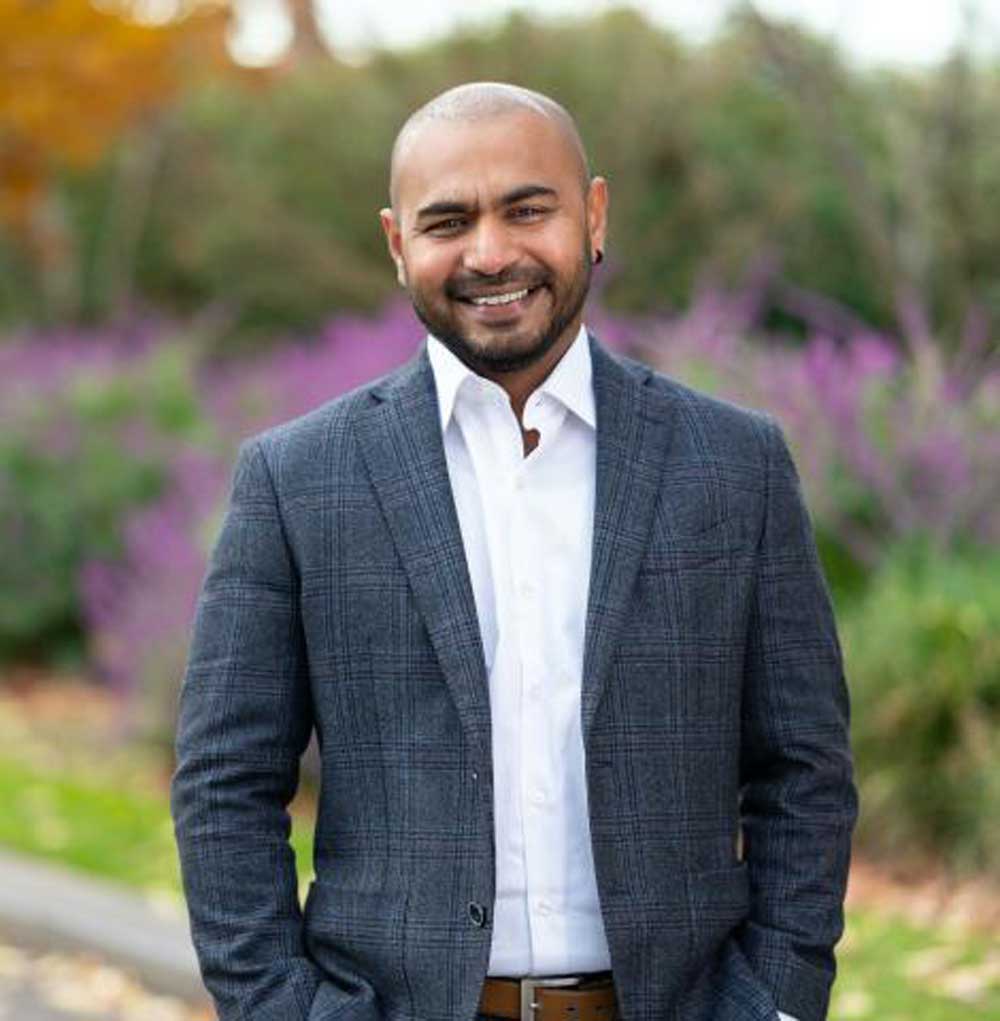
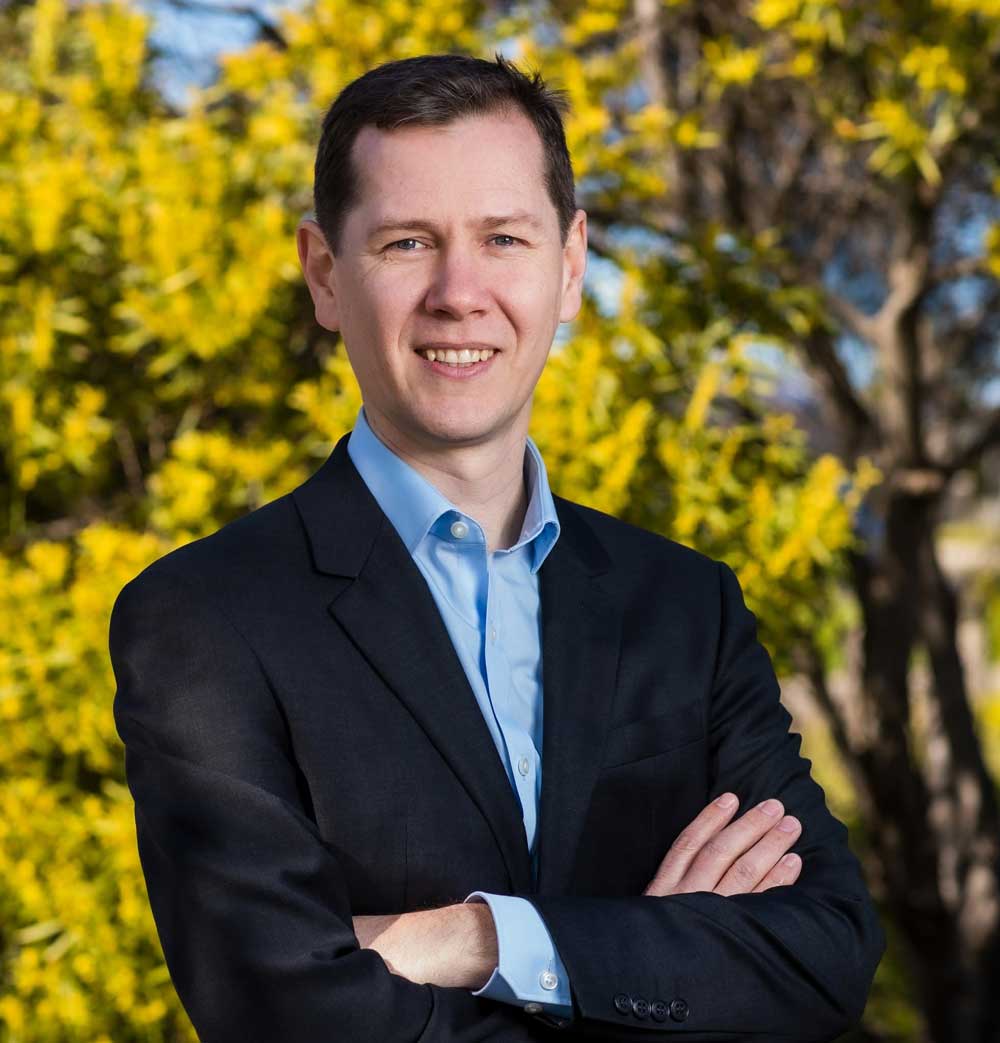
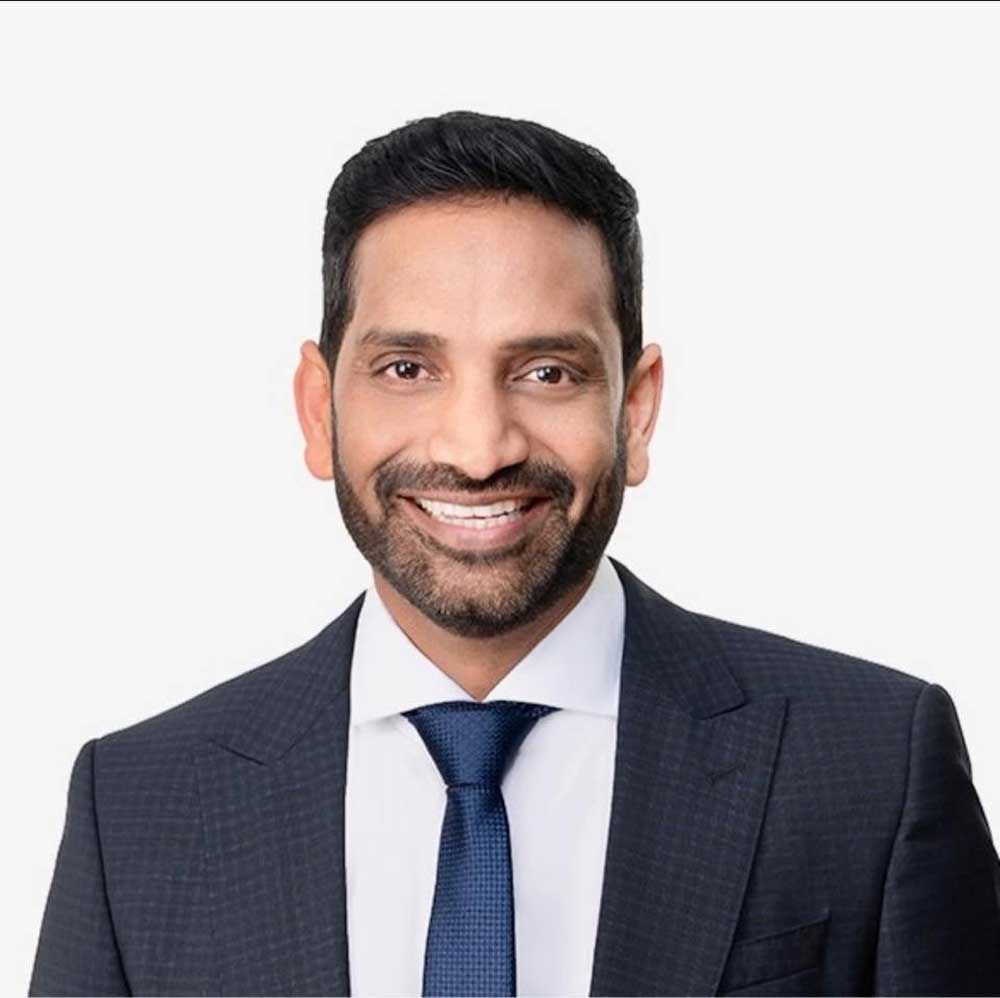
Neighbouring Werribee features Labor’s John Lister, elected at the 2025 by-election, Liberal candidate Reece Clark and the Greens’ Tushar Kumar. Paul Hopper is standing for the West Party, alongside Sue Munro for Victorian Socialists, Matthew Emerson for Family First and Paul Pateras for One Nation.
Residents of Truganina and Williams Landing should also pay attention to Laverton, whose boundaries include communities in those suburbs. Its announced candidates include Labor’s Sarah Connolly, Liberal Ghada Noune, Greens candidate Lucy Nguyen and Suchithra Chittedi for The Republican, alongside candidates from One Nation, Family First, Animal Justice and Victorian Socialists. Suburb names alone do not always identify a voter’s electorate, so checking an individual address is essential.
The south-east: Cranbourne, Berwick and Narre Warren
Melbourne’s south-east is another significant centre of South Asian community life. In Clyde North, the 2021 Census recorded 18.2 per cent of residents as India-born and 7.9 per cent as Sri Lanka-born. These are suburb-level population figures, rather than measures of eligible voters.
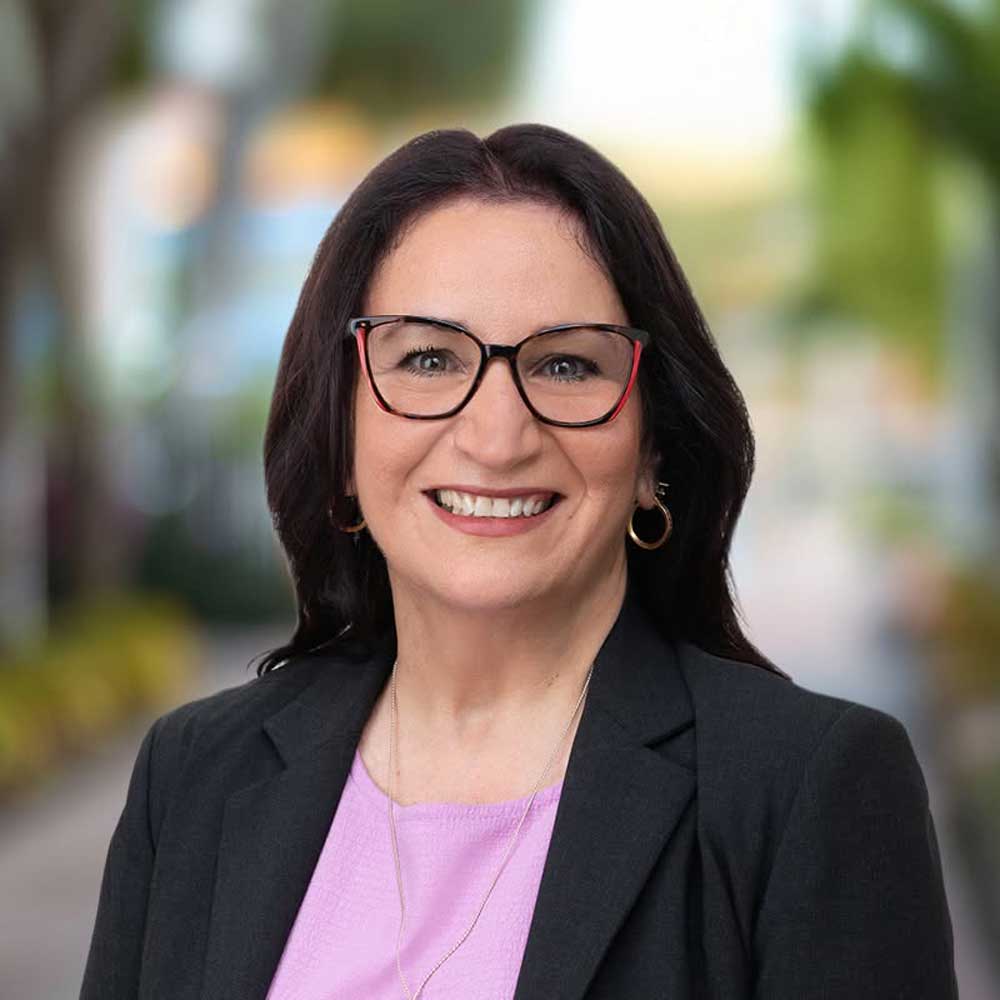
In Cranbourne, Labor’s Pauline Richards is contesting against candidates including Gino Tripodi for the Liberals and Annalise Mercer for the Greens. Andrew Hirst represents One Nation, Shane Foreman Family First and Reem Yunis Victorian Socialists.
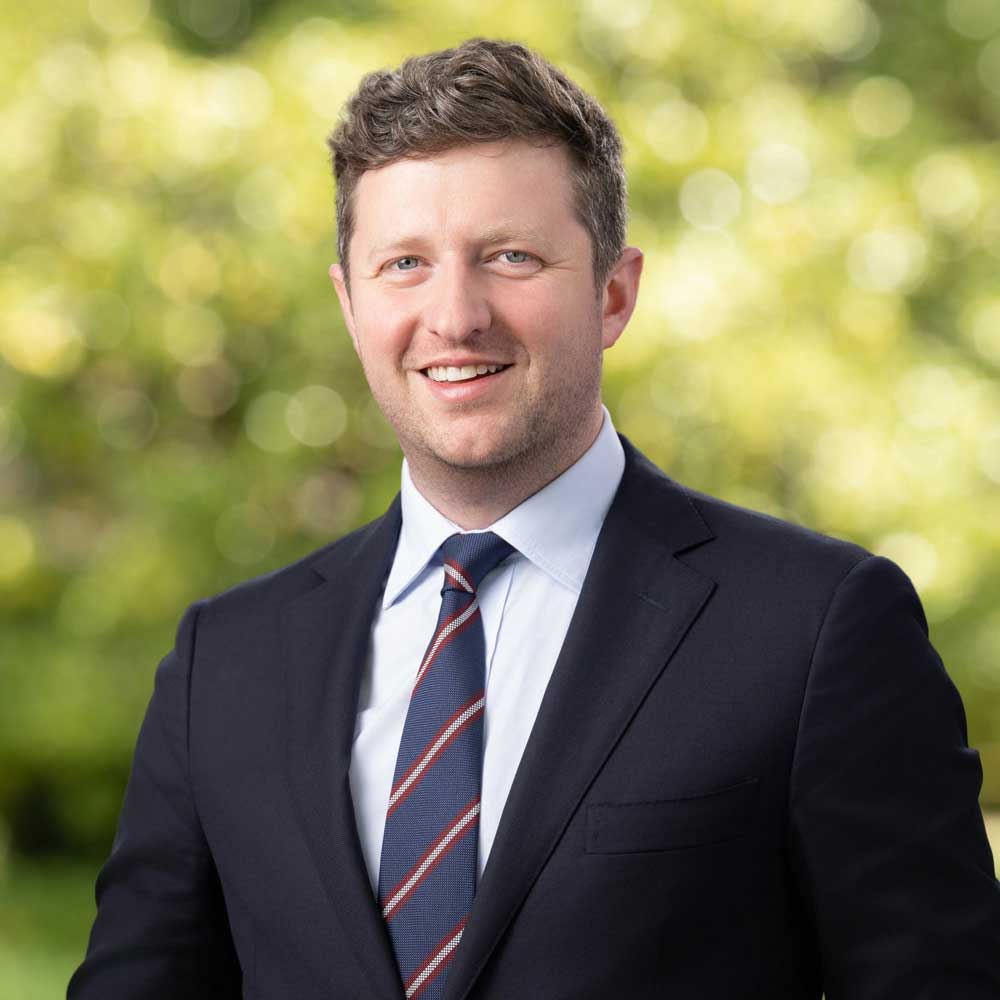
Berwick, which extends into Clyde North, features Liberal MP Brad Battin and Labor challenger Rana Khan, who migrated from Pakistan in 2001 and served in Victoria Police. Other announced candidates include Roshan De Silva for the Greens and Nalinda Amarasiri Gunawardana for Victorian Socialists, alongside Family First, Libertarian and One Nation candidates.
In Narre Warren South, retiring Labor MP Gary Maas will be replaced by a new representative. Labor has selected Stefan Koomen, while Norliah Peterson is standing for the Liberals and Jill Nambu for the Greens. The electorate includes Hampton Park, Lynbrook and Cranbourne North, as well as Narre Warren South.
In Narre Warren North, Labor’s Belinda Wilson faces Liberal Shemane Nathanielsz, Greens candidate Hayley Perry and other announced challengers. Meanwhile, Dandenong’s announced field includes Labor’s Gabrielle Williams, Liberal William Billings and Greens candidate Catherine D’Arcy.
The northern growth corridor
The northern suburbs also deserve attention. Craigieburn’s India-born population accounted for 13.5 per cent of residents in the 2021 Census, illustrating the community’s presence in Melbourne’s north.
In Kalkallo, which includes parts of the northern growth corridor, Labor’s Ros Spence is seeking re-election. Announced challengers include Liberal Eddie Dadisho, Greens candidate Payal Tiwari, Troy Steans for One Nation and Courtney Millett for Victorian Socialists.
Know your electorate before you vote
For readers, the next step is to identify their electoral district, learn about the full candidate field and compare proposals against their own priorities.
Early voting runs from 18 to 27 November, with election-day voting on 28 November from 8am to 6pm. Official information about electorates, candidates and voting locations is available through the Victorian Electoral Commission.
Editor’s note: This article highlights selected electorates and announced candidates as at 5 November 2026. It is not a complete candidate guide or a ranking of South Asian populations. Nominations close at noon on 9 November; candidate details should be checked against the final VEC lists before publication.