Every March, Oxford Street in Sydney becomes a river of colour, music and protest. Now in its 48th year, the Sydney Gay and Lesbian Mardi Gras continues to draw thousands from across Australia and the world. This year, the NSW Government backed the celebrations with round the clock metro services and extended trading hours, a signal of how deeply Mardi Gras is woven into the city’s cultural fabric.
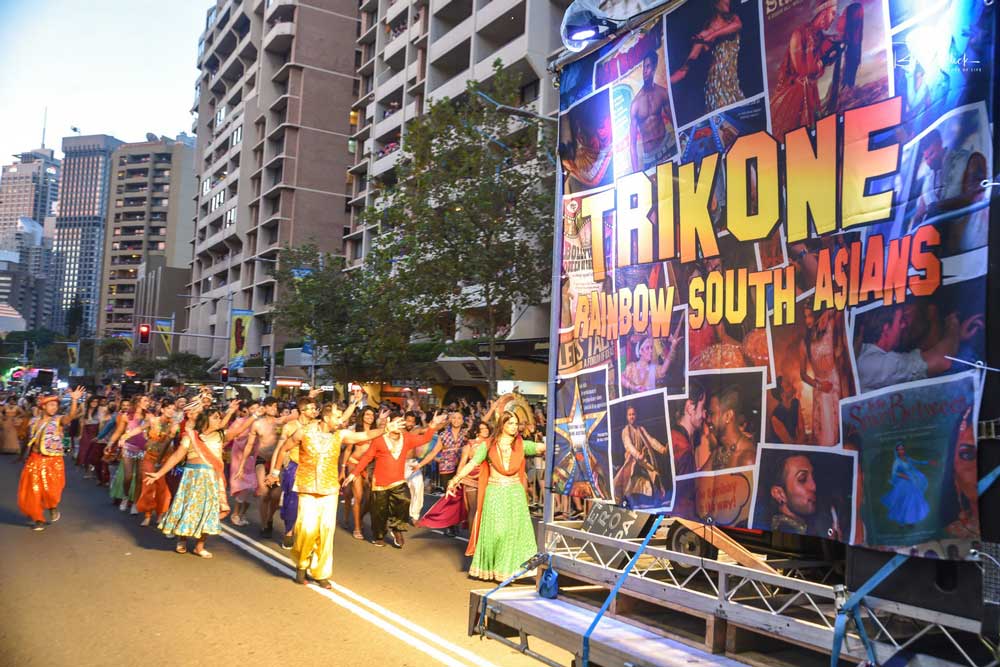
For queer South Asians, Mardi Gras has always meant more than spectacle. It is not just a parade. It is a declaration. Being brown and queer is not a contradiction. It is simply who we are.
A Legacy of South Asian Pride
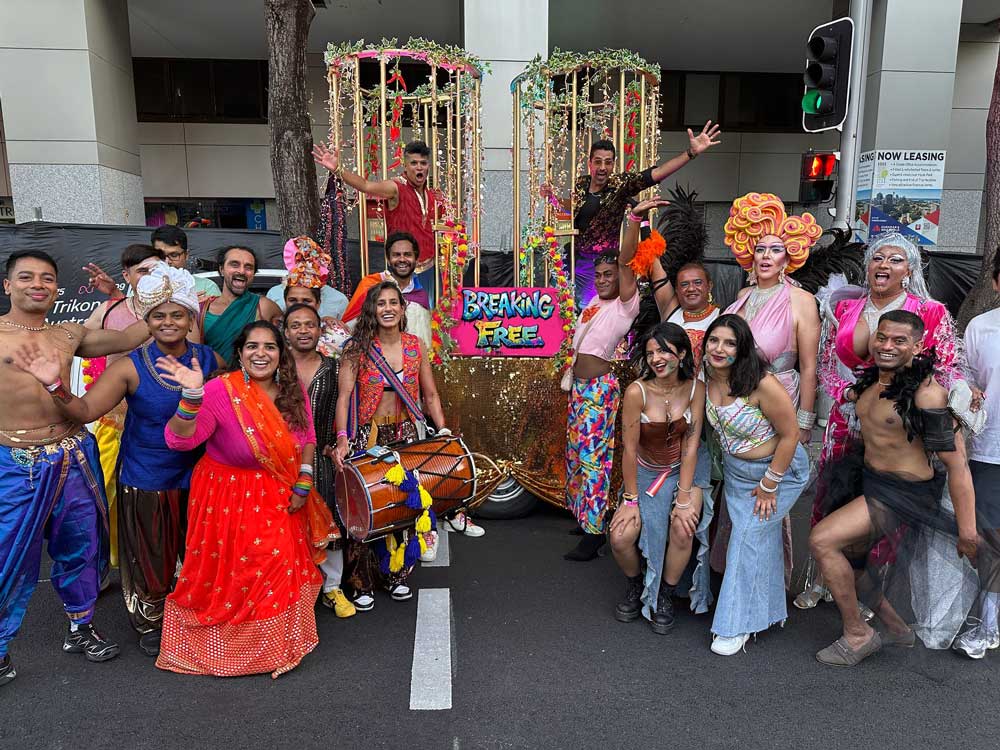
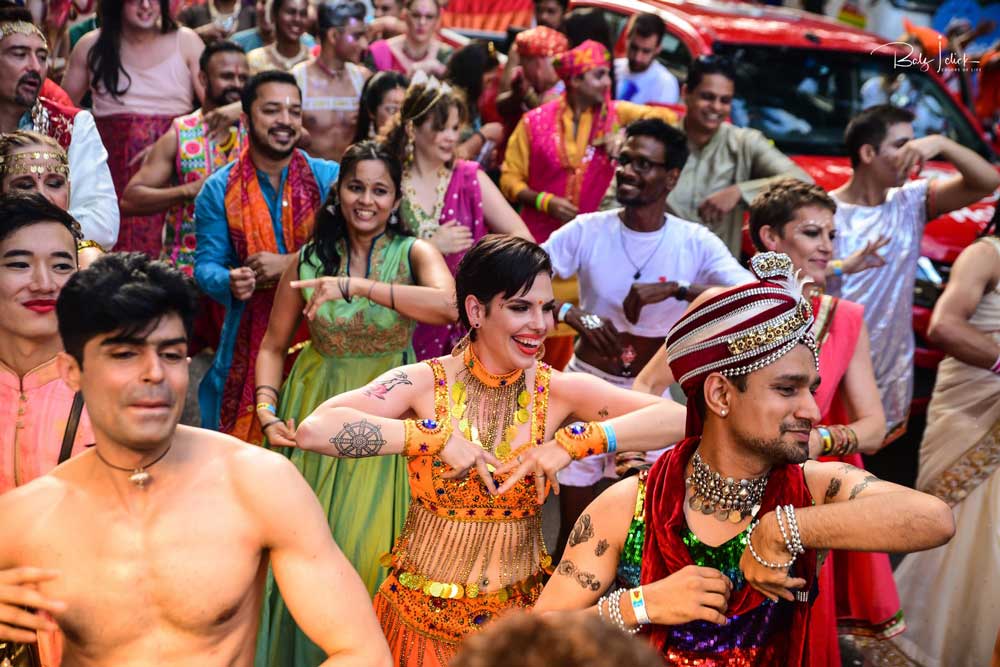
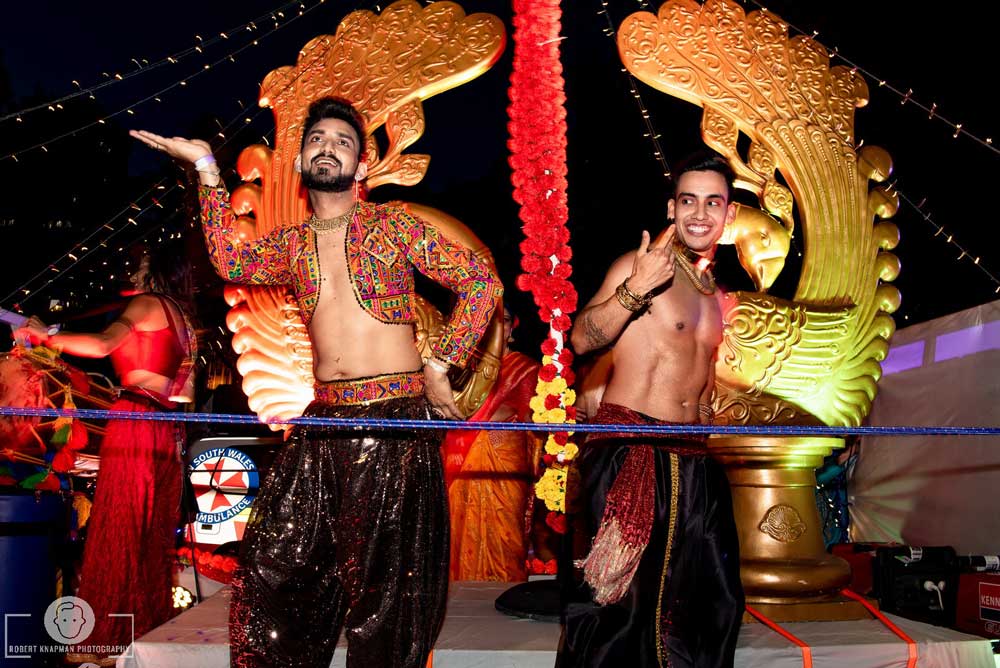
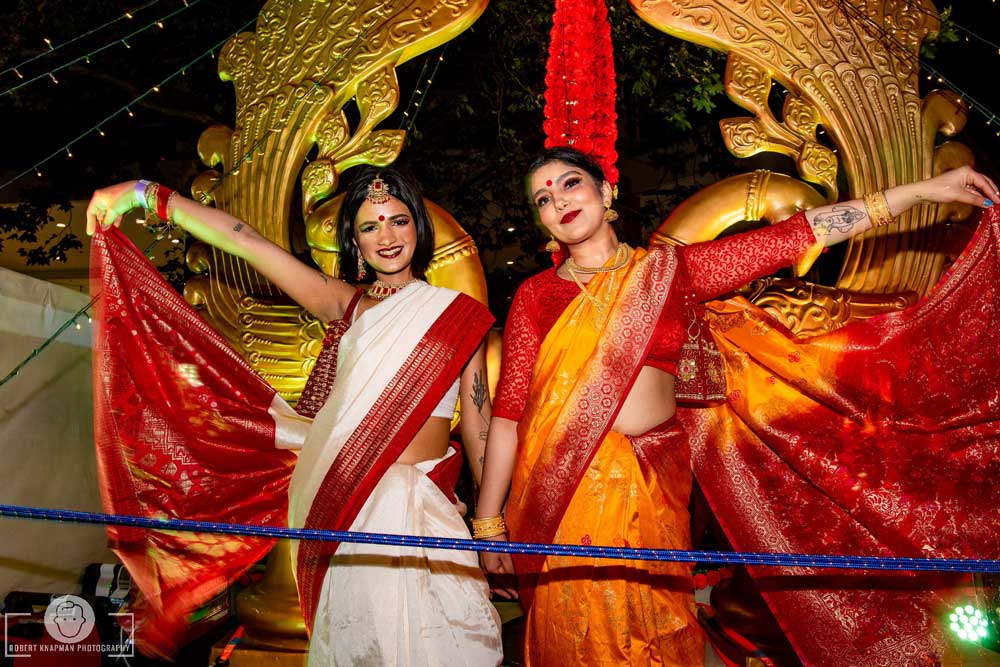
Since 2007, Trikone Australia has carried South Asian representation into Mardi Gras. Their floats have pulsed with Bollywood beats and bhangra rhythms, with traditional garments reimagined in pride colours, a celebration that refuses to choose between heritage and identity.
In 2018, as Australia celebrated marriage equality, Trikone staged a symbolic gay Indian wedding on their float. There were pheras and pride flags, ritual and pride woven together. It was a powerful reminder that love is love, even when it circles the sacred fire.
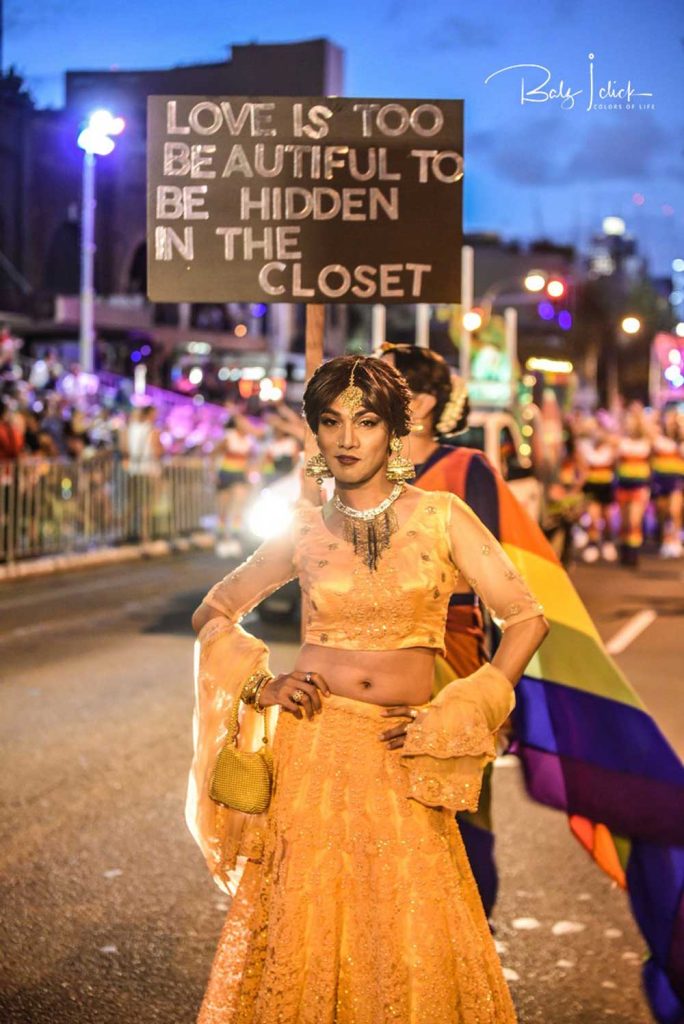
The following year brought another historic moment. After India’s Supreme Court struck down Section 377, decriminalising homosexuality, Trikone members marched unmasked for the first time. For many, it was deeply personal. Rahul Patil, who had previously marched undercover, walked proudly without hiding, saying he was no longer afraid.
This year, Trikone did not have a float. As a volunteer run organisation, participation depends on available resources. Yet South Asian pride was unmistakable, visible across other floats, in record numbers among the crowd, and in the expanding programming of the Mardi Gras Film Festival, which continues to spotlight queer South Asian stories.
The Setback That Still Stings
Progress is rarely linear.

In 2018, India decriminalised homosexuality. But in 2023, the Supreme Court declined to legalise same sex marriage, leaving the decision to Parliament, currently dominated by a government opposed to marriage equality petitions. The ruling was a painful reminder that decriminalisation does not equal full acceptance.
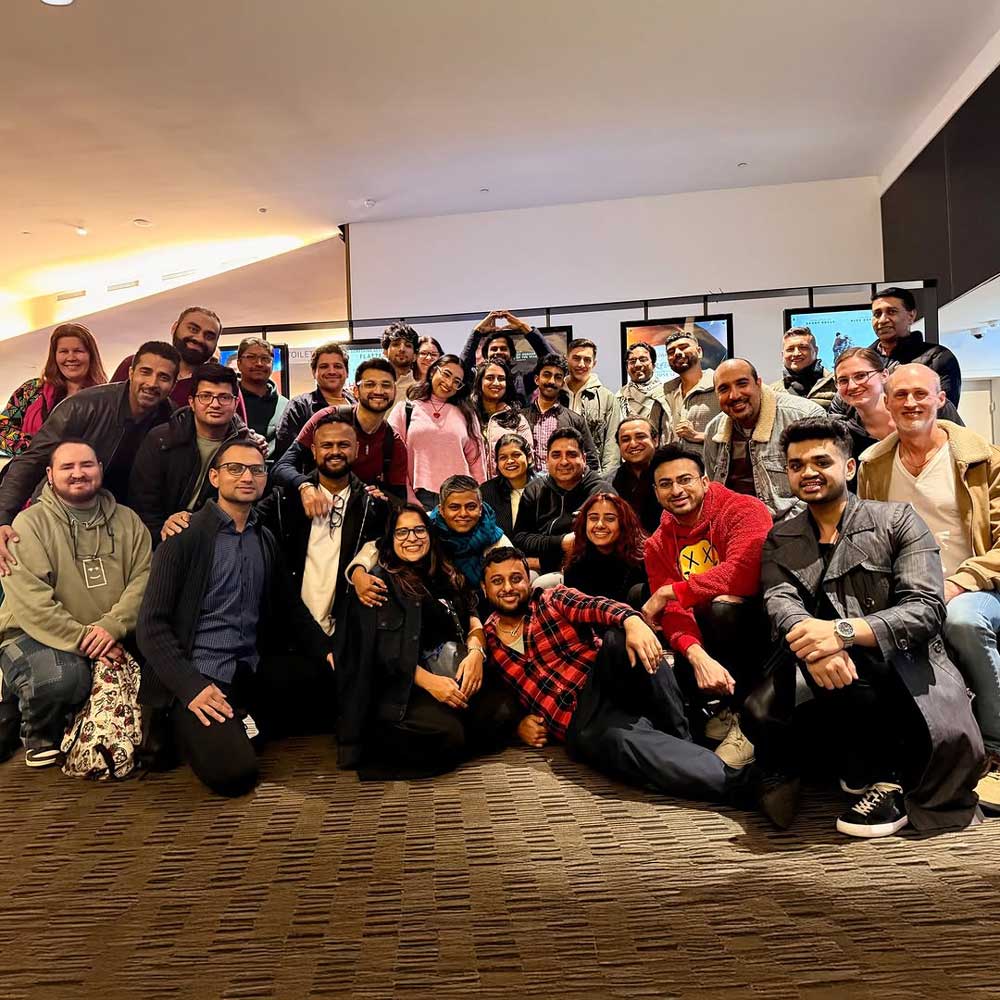
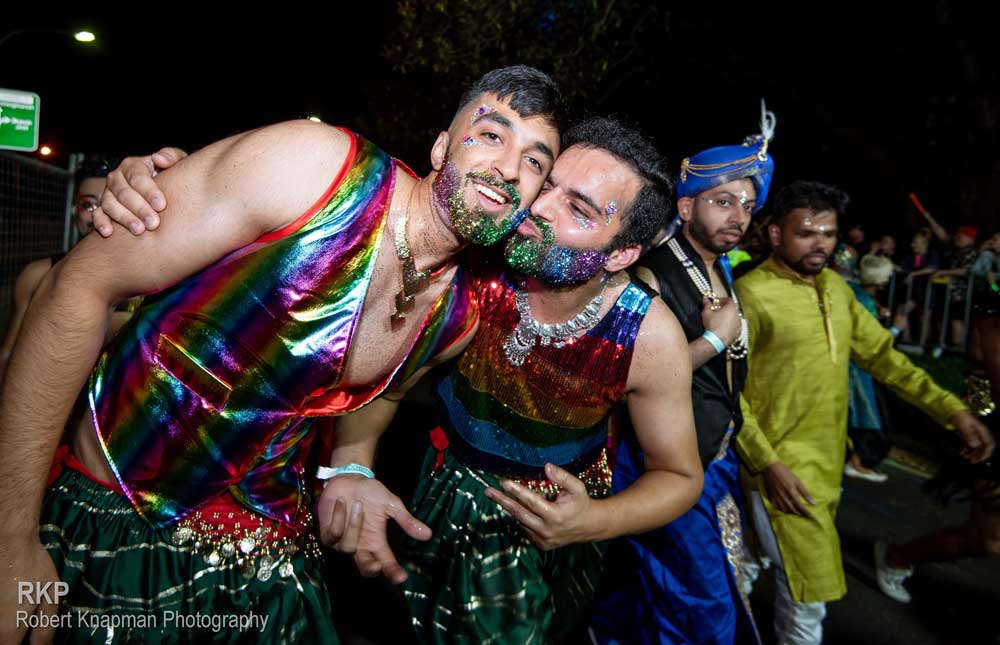
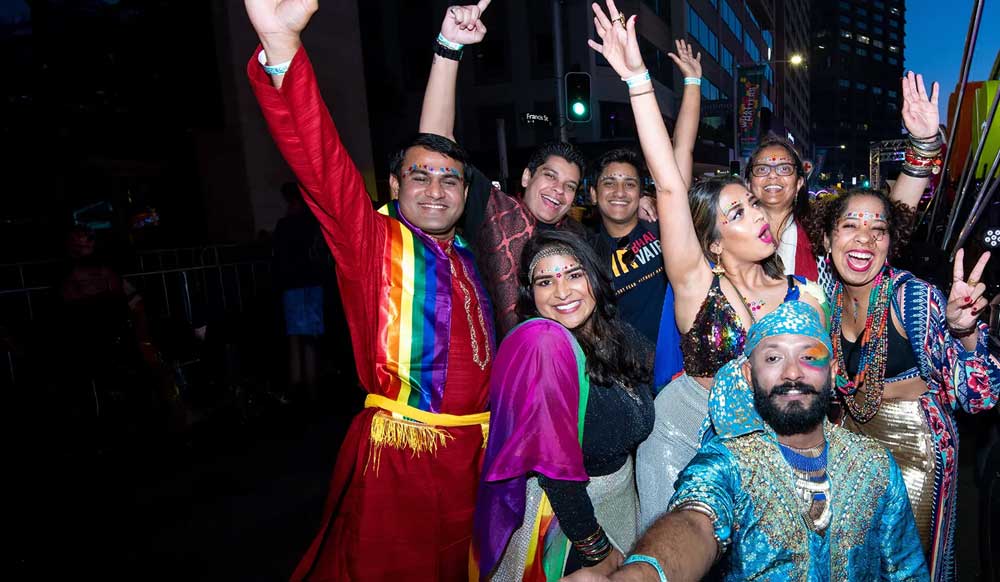
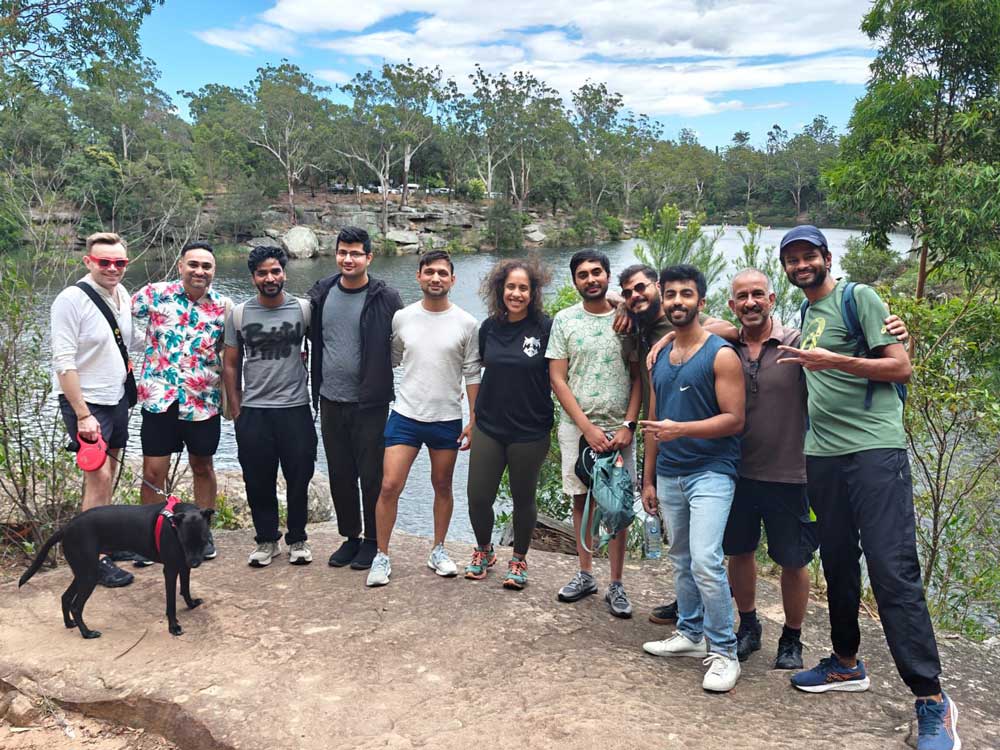
Same sex couples in India still lack rights such as joint adoption and spousal benefits. For many in the diaspora, the decision felt deeply personal. The India we cherish culturally rich, resilient and proud still does not fully recognise our love.
Asia Is Moving Unevenly
Change is happening across Asia, though not at the same pace.
In 2025, Thailand became the first Southeast Asian country to legalise same sex marriage, joining Taiwan and Nepal. Within months, more than 26000 couples had registered. Thailand’s example challenges the persistent narrative that marriage equality is a purely Western concept. It shows that Asian societies can define inclusion on their own terms.
Yet legal reform does not erase prejudice overnight. Cultural transformation takes longer than legislative change.
Living Between Two Worlds
For queer South Asians in Australia, belonging can feel complex. Many navigate two cultural realities at once.
When arriving in Australia, some find Australian friends puzzled by the concept of arranged marriage, while South Asian peers struggle to understand participation in pride parades. It can feel like existing in the in between.
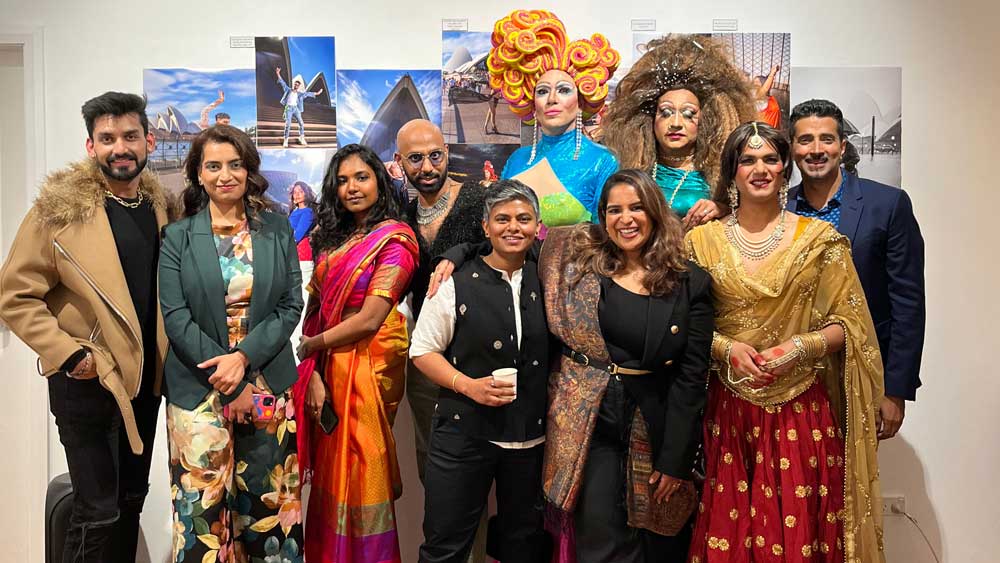
That is precisely why spaces like Trikone matter. Founded to support LGBTQIA plus South Asians, the organisation creates both celebration and sanctuary. There is Bar Bombay, a high energy queer Bollywood party that has sold more than 500 tickets in a single night, and there are quieter Gupshup chai sessions, where members talk through coming out, family expectations and cultural pressures.
Trikone also supports immigration applications for those facing risk in their home countries, blending activism with care.
Representation as a Quiet Revolution
Representation remains uneven. Mainstream queer narratives often centre white experiences, while South Asian storytelling can omit queerness entirely or frame it solely through trauma.
But change is emerging. The Mardi Gras Film Festival increasingly features queer South Asian narratives. Community podcasts amplify lived experiences. Visibility is expanding in ways that feel authentic rather than tokenistic.
Weddings, central to South Asian culture, carry particular symbolic weight. As Trikone’s Sanjay Alapakkam has observed, pursuing marriage equality is not merely about legal status. It is about claiming full participation in culture. It signals that queer South Asians are not outsiders looking in. They are equal inheritors of tradition.
The Road Ahead
The path forward remains uneven.
In India, marriage equality is stalled in Parliament. In Australia, cultural acceptance within segments of the South Asian community continues to evolve. Across parts of Southeast Asia, same sex relationships remain criminalised despite Thailand’s landmark reform.
For the diaspora, the struggle is both political and personal. It is about showing up when possible in parades and protests. It is about building spaces where a young queer person can feel understood. It is about having difficult conversations at family dinner tables.
Most of all, it is about refusing to accept that identity must be split in two.
The rangoli and the rainbow belong together.
The masks have come off and they are not going back on.
– Kunal Mirchandani

Kunal Mirchandani
Kunal Mirchandani is the Community Outreach & Engagement Officer for Trikone Australia Inc., a registered incorporated association creating safe spaces for LGBTQIA+ individuals of South Asian heritage. He is a former Chairperson of the organization and producer of the Under the Brown Rainbow podcast. Find out more at trikone.org.au