India and the United States have taken a significant step forward in bilateral economic relations with the announcement of a major trade agreement that includes the removal of additional tariffs on key Indian exports. The decision, confirmed by the White House, is expected to strengthen commercial ties, boost trade flows, and enhance cooperation between two of the world’s largest democracies.
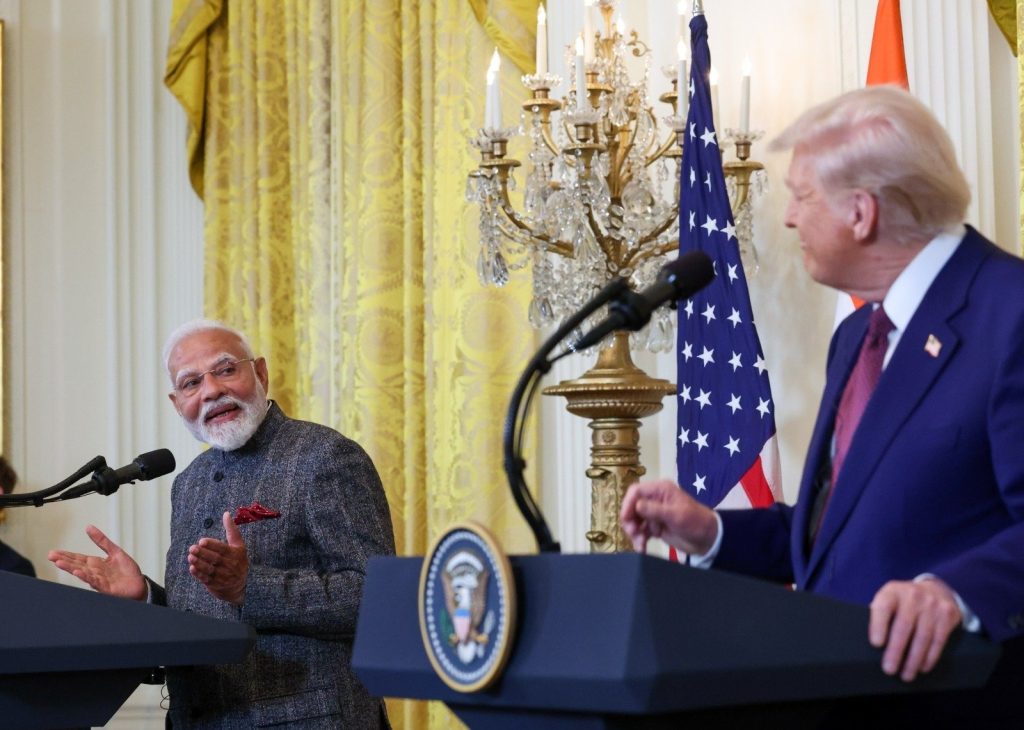
Under the new arrangement, the United States will eliminate an extra 25 percent tariff previously imposed on a range of Indian goods. This move comes amid ongoing negotiations aimed at addressing trade imbalances and creating a more equitable framework for exporters on both sides. It also follows discussions between senior government officials, industry representatives and diplomatic envoys from New Delhi and Washington.
The tariff rollback is expected to have a broad impact across key sectors, including textiles, apparel, and certain manufactured products that have previously faced heightened duties. Indian exporters believe that the tariff removal will help improve competitiveness in U.S. markets, increase export volumes and open opportunities for small and medium-sized enterprises.
"It was an Honor to speak with Prime Minister Modi, of India, this morning… He agreed to stop buying Russian Oil, and to buy much more from the United States and, potentially, Venezuela. This will help END THE WAR in Ukraine" – President Donald J. Trump 🇺🇸 pic.twitter.com/RD7PZ8S16z
— The White House (@WhiteHouse) February 2, 2026
From the U.S. perspective, the change aligns with broader efforts to support diversified global supply chains and strengthen economic partnerships with reliable trade partners. American officials have emphasised that the agreement reflects shared economic interests and mutual benefits, rather than unilateral concessions.
The deal is also likely to influence wider diplomatic engagement between India and the United States. In recent years, both countries have elevated economic cooperation alongside defence, technology and strategic collaboration. This new trade understanding reinforces the importance of economic connectivity in shaping broader bilateral relations.
Business communities in both nations have welcomed the development. Indian industry bodies have highlighted the potential for increased investment, job creation and greater participation in global value chains. U.S. business leaders similarly see opportunities for expanded bilateral trade in complementary sectors, including services, technology and renewables.
Wonderful to speak with my dear friend President Trump today. Delighted that Made in India products will now have a reduced tariff of 18%. Big thanks to President Trump on behalf of the 1.4 billion people of India for this wonderful announcement.
— Narendra Modi (@narendramodi) February 2, 2026
When two large economies and the…
Analysts note that while the tariff removal is a significant achievement, longer-term trade discussions will continue to address structural issues, regulatory harmonisation and non-tariff barriers. Stakeholders on both sides are expected to engage in further dialogue to build on the momentum created by this agreement.

For exporters and industries in Australia with ties to either country, the new trade dynamics between India and the U.S. may have indirect implications. With changing tariff landscapes and shifting supply chains, businesses operating in the Asia-Pacific region are closely watching how major economies recalibrate trade policies to secure strategic advantages.
The tariff rollback is slated to take effect in the coming months, pending implementation details from both governments. As the agreement unfolds, its economic impact will be monitored by exporters, policymakers and investors seeking insight into the future direction of India–U.S. economic cooperation.