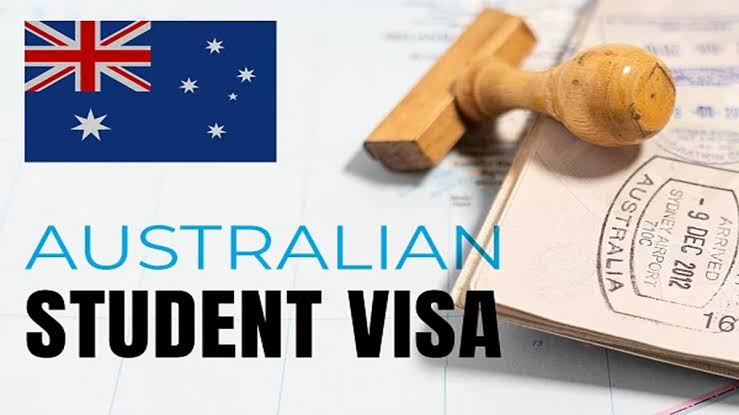
Australia now holds the title of having the most expensive student visa in the world. As of July 1, 2025, international students must pay AUD $2,000 to apply for a student visa—up from AUD $1,600—a move that has triggered concern across the education sector.
This latest hike follows a dramatic 125% increase just a year earlier, when the fee jumped from AUD $710 to AUD $1,600. The Australian government has defended the change as part of its broader commitment to managing the international education sector “at a sustainable level while ensuring its equity, quality and integrity.”

A spokesperson from the Department of Home Affairs confirmed the update, stating, “In line with the government’s election commitment, from 1 July 2025, the Visa Application Charge (VAC) for primary student visa applicants will be increased from $1,600 to $2,000.”
Why the Increase?
The fee hike is projected to generate AUD $760 million in revenue over the next four years, according to Australia’s Treasurer Jim Chalmers and Finance Minister Katy Gallagher. Labor’s policy costings, released ahead of the upcoming federal election, framed the increase as a fiscal measure aligned with managing migration at scale.
Additionally, Labor has capped international student commencements at 270,000 for 2025, while the opposition is proposing an even lower cap of 240,000. These figures follow a significant uptick in student arrivals—almost 200,000 international students entered Australia in February 2025 alone, a 12.1% rise year-on-year.
Tightening the Screws: More Than Just Fees

Beyond the fee changes, the government has also introduced stricter English language requirements and granted itself greater powers to suspend education institutions that fail to uphold standards for international education.
While these moves are framed as safeguards to ensure only genuine students enter Australia, many providers are raising red flags about their long-term impact.
ELICOS Sector Hit Hard
The English Language Intensive Courses for Overseas Students (ELICOS) sector is among the hardest hit. Providers offering short-term English courses have reported that prospective students are unwilling to shoulder the growing costs.
After the 2024 visa fee increase, English language course enrolments dropped by 50% across the board. This trend is continuing into 2025, with a string of closures shaking the industry. The Perth International College of English (PICE) recently shut its doors, with director John Paxton citing financial difficulties driven by falling enrolments and rising visa costs. IH Sydney and The Language Academy, two long-standing institutions, have also ceased operations after more than a decade of service.
Global Comparisons Raise Eyebrows
The AUD $2,000 fee dwarfs those of other major study destinations. In the United States, a student visa costs around USD $185, and in Canada, just CAD $150. With Australia now far ahead on cost, education providers worry that the country may lose its competitive edge in the global education market.

Balancing Integrity with Accessibility
Despite industry backlash, the government remains steadfast in its position. “The international education sector is important to Australia,” reiterated a Home Affairs spokesperson, “and the Australian government is committed to managing it at a sustainable level while ensuring equity, quality and integrity.”
However, for education providers—particularly in the ELICOS sector—the challenge lies in maintaining business viability while absorbing the ripple effects of policy changes that, although aimed at integrity, may be pricing students out of the market.
As Australia’s international education landscape continues to shift, stakeholders are calling for more nuanced policy approaches that preserve both the quality and accessibility of one of the country’s most vital export industries.