Australian Prime Minister Anthony Albanese has honoured generations of Australians who served in wars and conflicts, remembering those who lost their lives and those whose experiences of war continued long after they returned home.
Marking Remembrance Day on Wednesday, 11 November 2026, Albanese reflected on the human cost of conflict and the significance of the armistice that brought fighting on the Western Front to an end on 11 November 1918.
In his official message, the Prime Minister said the silence that followed the end of the First World War carried the hope that the world would never again experience such devastation.
“More than a century on, it is a hope we are yet to realise, but we hold on to it with every fibre of our being,” he said.
Remembering Those Who Served and Sacrificed
Albanese said Remembrance Day was an opportunity to honour every Australian who had served the nation, including those who never returned home, those who were permanently affected by their experiences and the families who endured the loss of loved ones.
He also acknowledged current Australian Defence Force personnel, recognising the service of those continuing to serve across Australia and overseas.
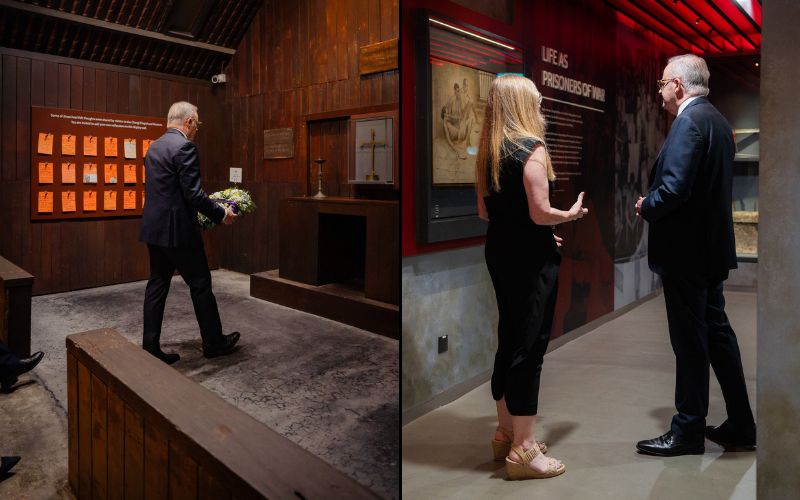
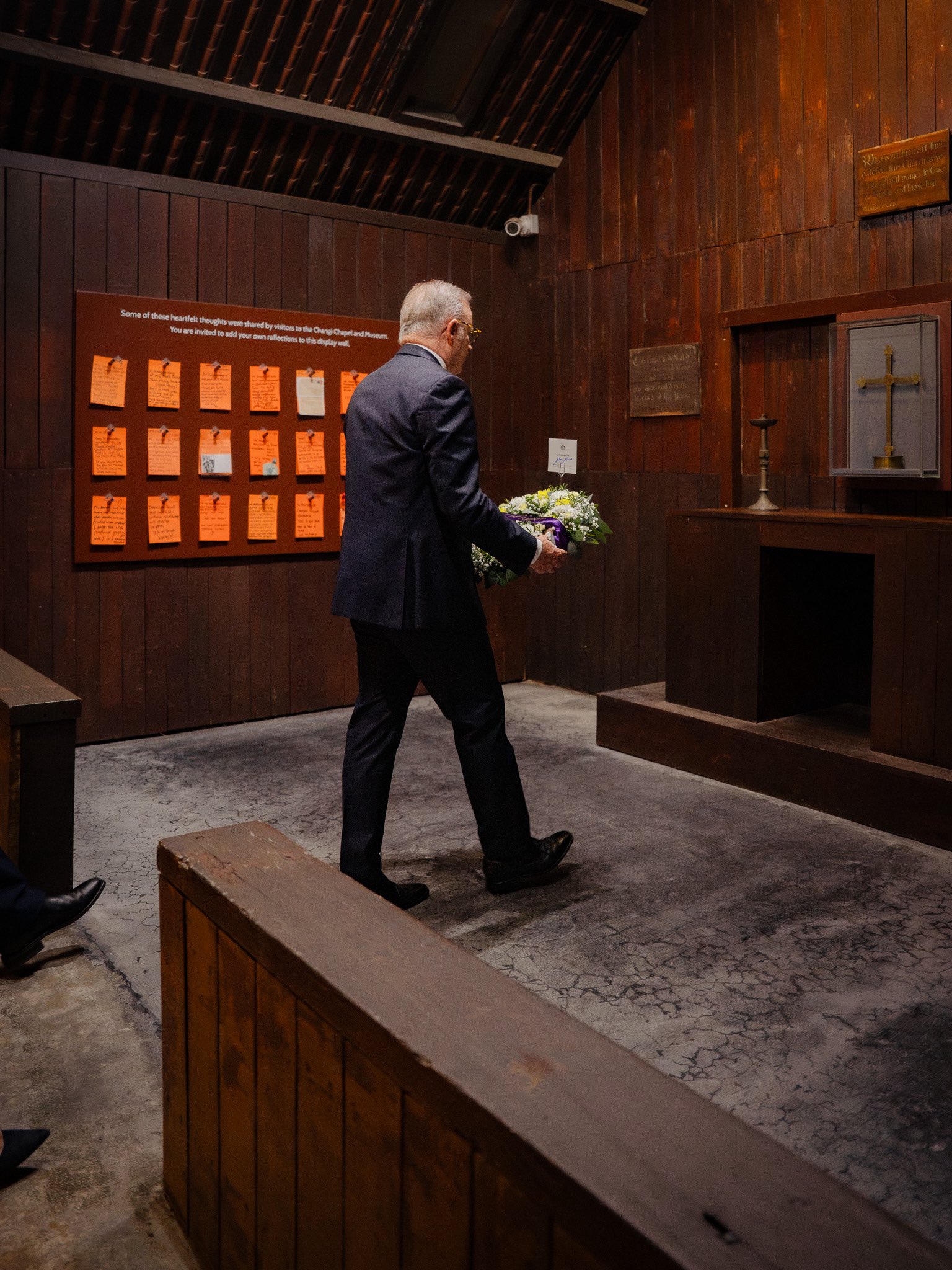
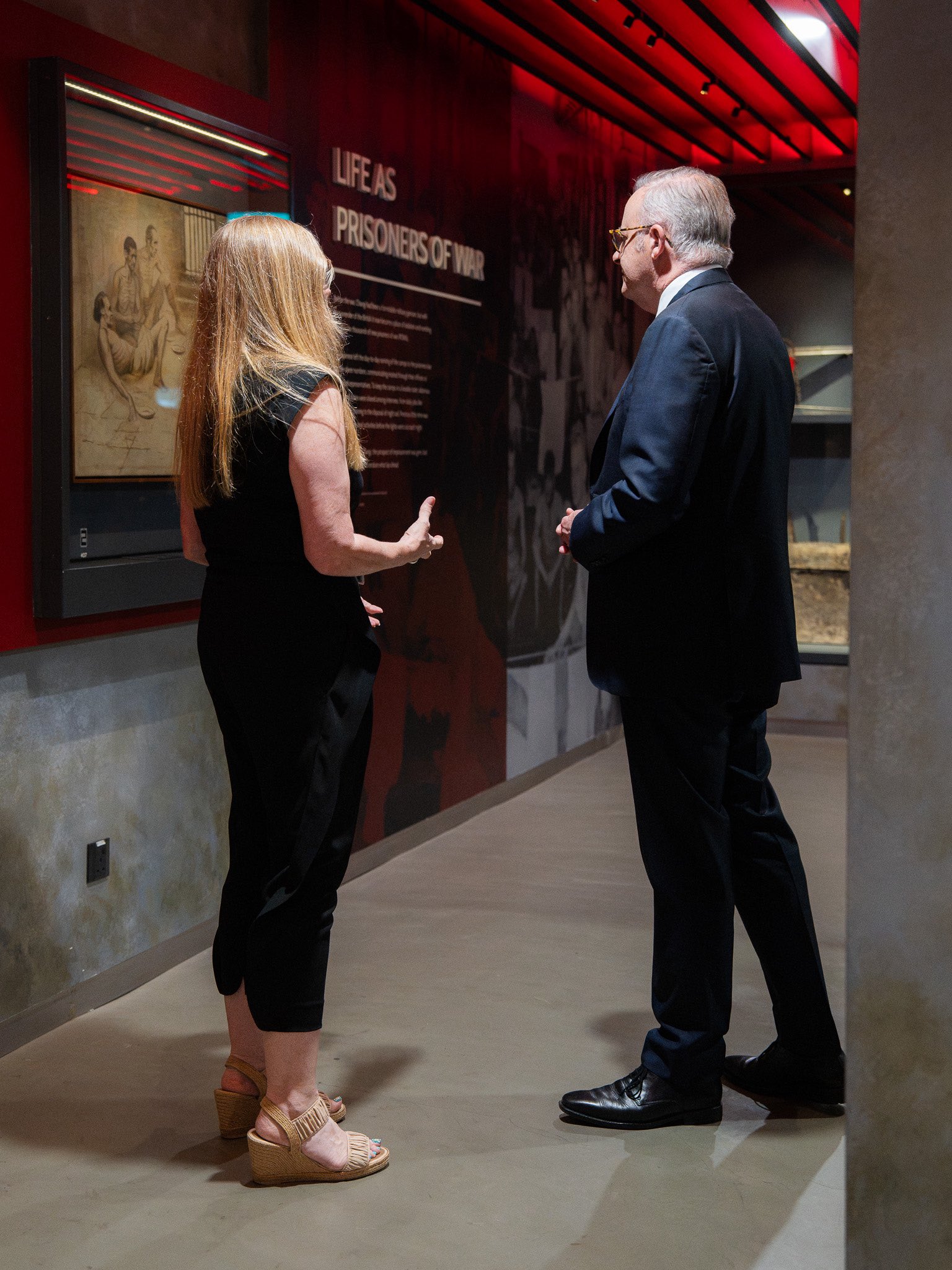
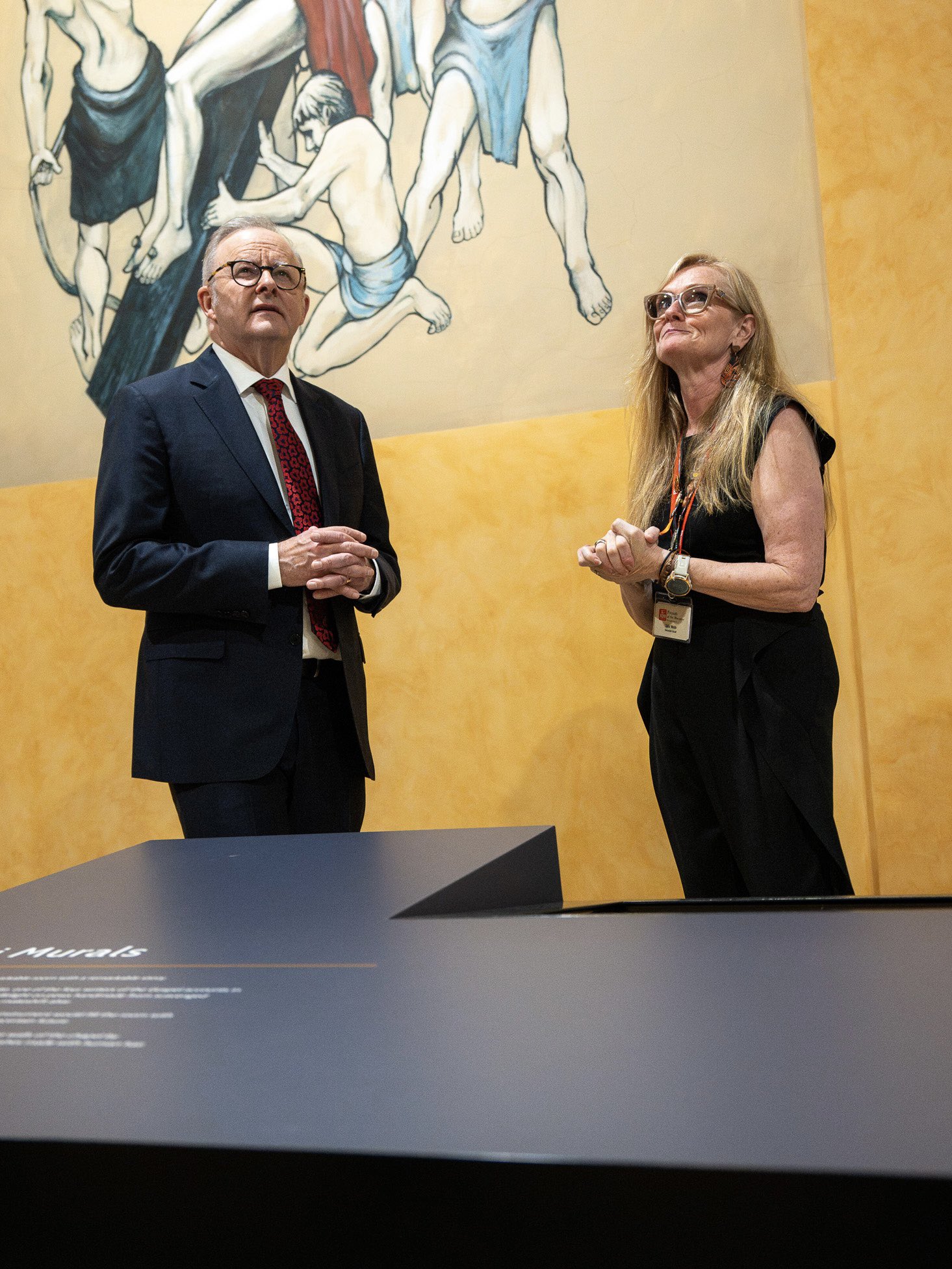
The Prime Minister’s message was accompanied by his visit to the Changi Chapel and Museum in Singapore, where he laid a wreath in memory of Australians who served and died in war.

108 Years Since the Armistice
Across Australia, people gathered for commemorative services and observed a minute of silence at 11 am on 11 November.
The occasion marked 108 years since the armistice between Germany and the Allied Powers came into effect in 1918, bringing fighting on the Western Front to a halt.
Originally known as Armistice Day, the commemoration was renamed Remembrance Day in 1946. It now honours Australians who have died or suffered in wars, conflicts and peacekeeping operations.
According to the Department of Defence, the national commemoration recognises not only those who lost their lives but also the lasting impact of conflict on veterans, their families and communities.
National Commemorations Across Australia
Remembrance Day services were held in cities and regional communities, bringing together veterans, serving personnel, families and members of the public.
At the Australian War Memorial in Canberra, more than 1,000 people attended the national ceremony. Governor-General Sam Mostyn laid a wreath, while Defence Force Chief Admiral Mark Hammond also attended to pay his respects.
The Australian War Memorial’s Roll of Honour records the names of more than 103,000 Australians who have died in conflict.
A Moment to Reflect and Remember
Albanese recalled accounts of birdsong being heard along the Western Front after the guns fell silent in 1918, describing the moment as a reminder of the hope that emerged after years of devastating conflict.
He said the responsibility to remember those who served extended to future generations.
The Prime Minister concluded his message with the traditional words of remembrance: “Lest we forget.”
As Australians paused to honour the fallen, Remembrance Day provided an opportunity for communities across the country to reflect on service, sacrifice, the enduring effects of war and the importance of remembering those who served.