The Supreme Court of India has issued a landmark directive to address the rising problem of stray dog attacks and rabies cases in Delhi and the wider National Capital Region (NCR), including Noida, Gurugram, and Ghaziabad. Authorities have been ordered to capture, sterilise, vaccinate, and permanently relocate all stray dogs to purpose-built shelters within eight weeks, with a complete ban on releasing them back into the streets.

New Approach Replaces ‘Capture-Sterilise-Release’
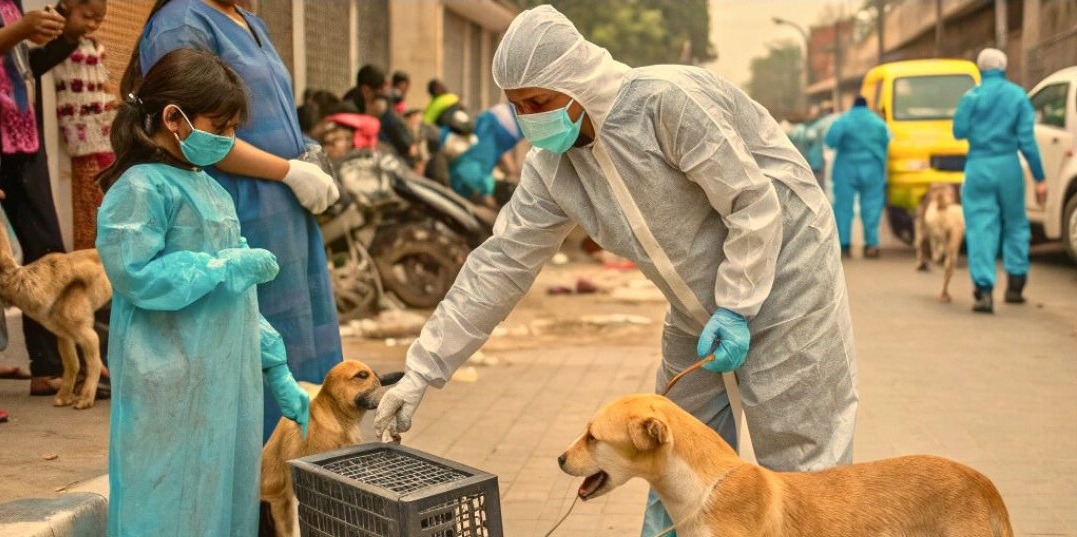
The bench of Justices J B Pardiwala and R Mahadevan described the situation as “extremely grim,” noting that public safety must take priority over sentimental objections. The court criticised the existing Animal Birth Control (ABC) practice—where stray dogs are sterilised and released—as “unreasonable and absurd,” citing continued attacks and rabies incidents. Municipal authorities are tasked with setting up shelters capable of housing 5,000 to 6,000 dogs each, equipped with CCTV and staffed by veterinary professionals and caretakers.
Enforcement and Accountability
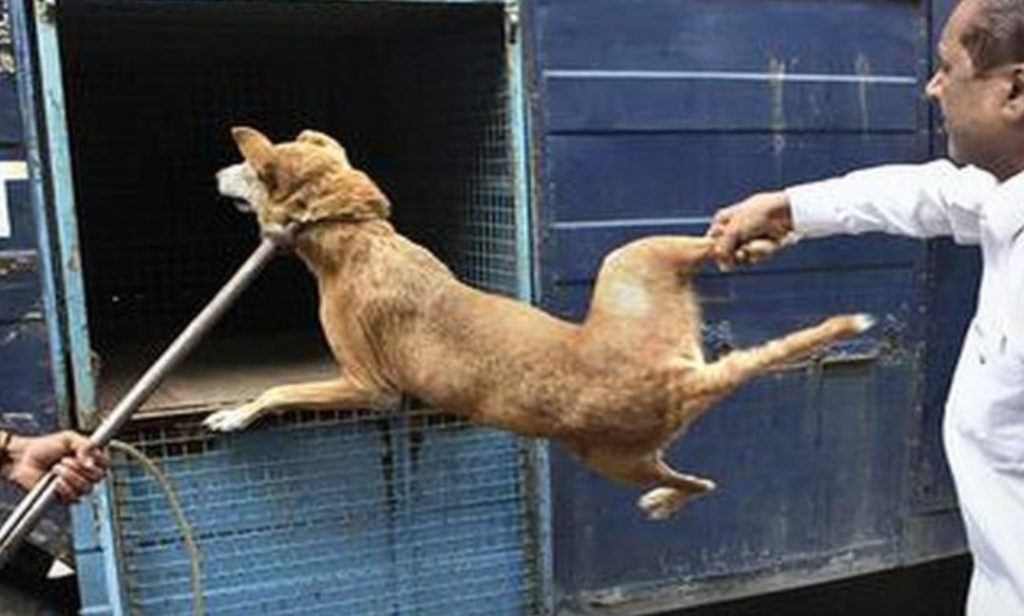
Officials have been authorised to use necessary force to carry out the relocation. The court warned that any person or organisation obstructing the process could face contempt of court charges and criminal proceedings. A 24×7 helpline will be set up within a week to respond to dog bite incidents, with a four-hour response requirement. Solicitor General Tushar Mehta highlighted the tragic deaths of children due to rabies contracted from dog bites, emphasising the urgency of the order.
Rising Dog Bites and Rabies Cases
Delhi has witnessed over 60,000 dog bite complaints in the past year, with at least 15 suspected rabies-related deaths, mostly affecting underprivileged communities. The court criticised neighbouring states like Uttar Pradesh and Haryana for adopting less stringent policies, calling them “patchy and ineffective,” thereby justifying the stricter action in Delhi-NCR. Daily reporting of captured dogs, shelter occupancy, and vaccine stocks will be mandatory, with a compliance review scheduled six weeks from the order.
Public Outcry and Protests
The Supreme Court order has sparked widespread protests across Delhi. Citizens have argued that the decision is “barbaric, unscientific, and dangerous.” Demonstrators claim that relocating all stray dogs to non-existent shelters violates India’s Constitution, the ABC Rules, and previous Supreme Court rulings in 2024, which upheld sterilisation and vaccination over displacement.
Critics have argued that the move ignores decades of legal precedent and scientific consensus, prioritising sensational bite statistics over responsible policy. They warn that removing community dogs could increase vermin and other public health hazards, as these animals help control rats and protect neighbourhoods from crime.

During a peaceful protest at Kartavya Path, New Delhi, men and women were reportedly harassed, forcibly detained, and arrested while exercising their democratic right to protest. Organisers called for national attention to the policies being enforced by local authorities, stressing the need for accountability rather than sympathy.

Balancing Public Safety and Humane Solutions
The Supreme Court’s decision marks a critical shift in tackling stray dog management and public health in Delhi. Protecting people—particularly children and the elderly—from attacks and rabies is an urgent concern. At the same time, critics stress that humane treatment, proper shelter conditions, and vaccination-first strategies are essential to avoid cruelty and public health backlashes.

Many experts and activists emphasise a coalition approach involving civic bodies, health departments, shelter managers, animal welfare NGOs, and local communities. Such cooperation can help ensure that public safety measures do not compromise animal welfare. The challenge now lies in implementing the order responsibly, balancing legal mandates with ethical and practical considerations.