In a landmark step for sustainability, New South Wales and South Australia are set to broaden the reach of their already successful container deposit schemes. Soon, residents will not only be returning their soft drink and beer bottles for cash—but also their wine, spirits, and larger drink containers.
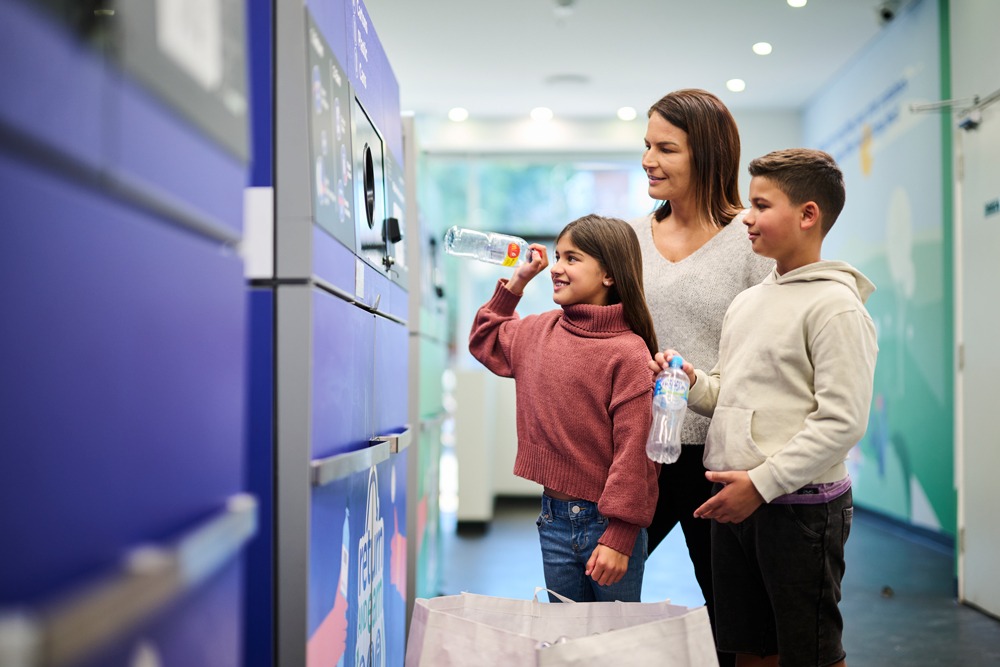
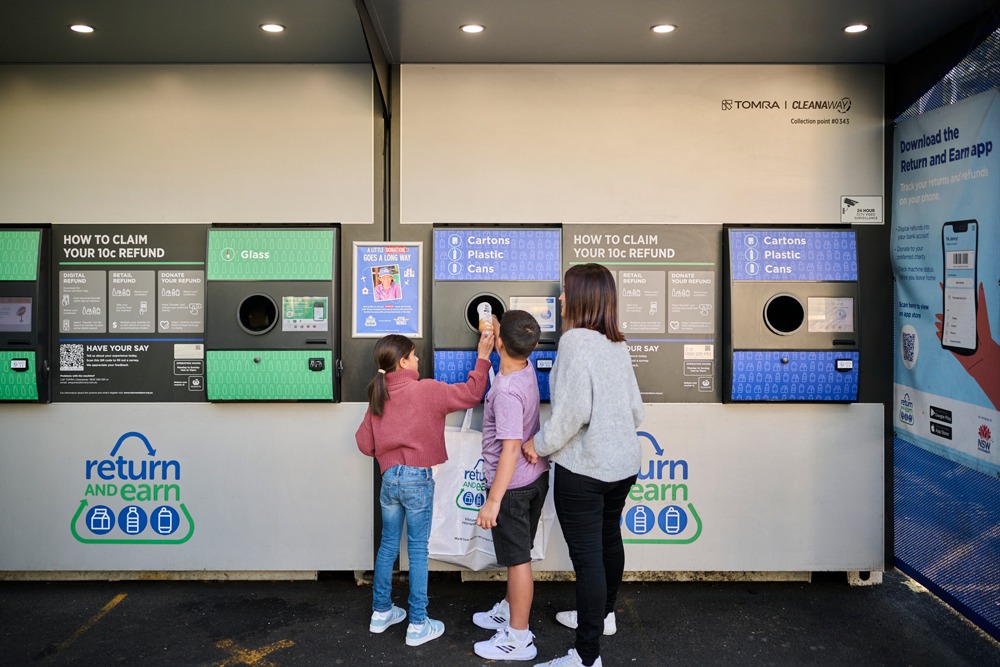
The container deposit scheme, now active in every Australian state and territory, is already hailed as the nation’s most successful recycling initiative. Billions of bottles and cans have been recycled, slashing litter, easing pressure on landfills, and rewarding everyday Australians for their green choices.
Now, with wine and spirit bottles, cordials, juice concentrates, and larger beverage containers (up to three litres) joining the list, recycling efforts are set to soar even higher. By late 2027, nearly half a billion additional beverage containers will be saved from landfill each year across NSW and SA alone.
A Coordinated Green Push
South Australian Premier Peter Malinauskas proudly highlighted his state’s pioneering role:
“For almost half a century, South Australia has led the nation on container deposit legislation. Each year, around 660 million containers are returned here. With this expansion, that number will only grow—benefiting communities, charities, and the environment alike.”
NSW’s Environment Minister Penny Sharpe echoed the sentiment:
“The scheme is fantastic for the environment, great for recycling, and puts money back in people’s pockets. Expanding it means an extra 27,000 tonnes of materials saved from landfill every year in NSW.”

Meanwhile, SA’s Deputy Premier and Environment Minister Susan Close pointed out the critical role of recycling depots in ensuring glass recovery:
“Just 11 per cent of kerbside glass makes it back into bottles. But through the CDS, that number rises to 99 per cent. This reform will make the system simpler, reduce landfill, and boost local remanufacturing.”
Industry Engagement and a Smooth Transition
While the expansion is welcome news, governments are giving the wine and spirits industry time to adjust. New refund points will not accept these additional bottles immediately; collection systems will ramp up gradually, ensuring a seamless transition by 2027.

Smaller wine producers, in particular, will receive support during the change. Both states are engaging with industry bodies to design reforms that are cost-effective and straightforward.
The National Picture
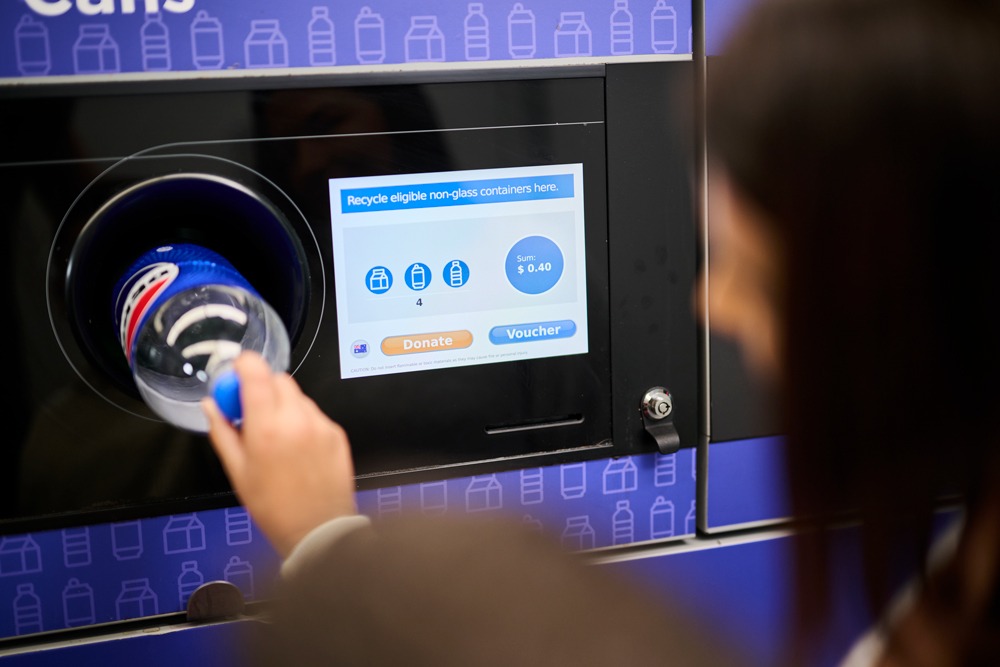
Queensland has already added wine and spirit bottles to its scheme, while Western Australia and the Northern Territory have announced plans to follow suit. Together, these state-level reforms reflect a coordinated national push toward a circular economy.
Until refund points are ready, residents are encouraged to continue recycling wine and spirit bottles through their kerbside bins.
A Win for Communities and the Planet
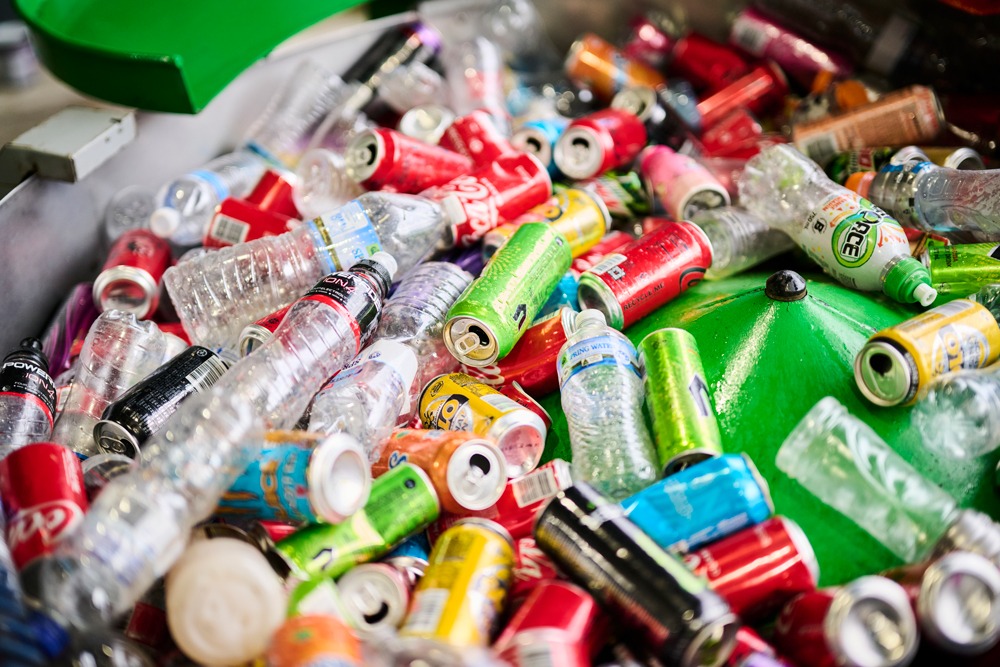
Community groups, sporting clubs, and charities stand to benefit from increased refunds, while households will see more money back for their recycling efforts. Most importantly, the environment wins: fewer bottles in landfill, less litter on our streets, and stronger local recycling industries.
With this expansion, Australians can raise a glass—not just in celebration, but in commitment to a greener, cleaner future.