The Punjab region, spanning both India and Pakistan, is reeling under one of the most catastrophic floods in decades, reviving painful memories of the 1988 deluge. Heavy monsoon rains, swollen rivers, and collapsing infrastructure have left millions stranded, villages submerged, and livelihoods destroyed on both sides of the border.
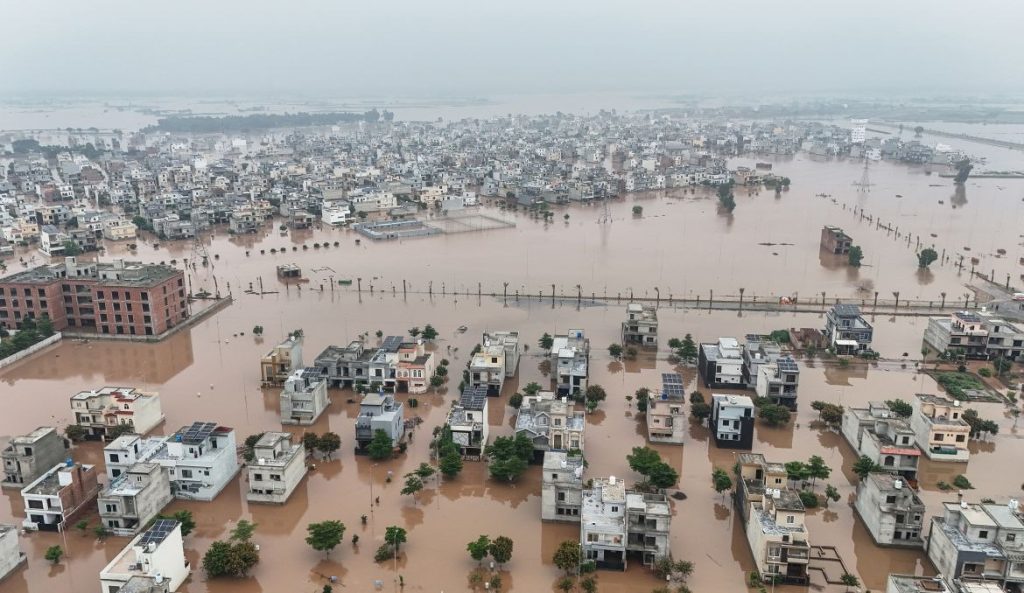
In India’s Punjab, experts warn that the calamity is not solely nature’s wrath. Environmentalists point to unchecked urbanisation, deforestation, and sand mining that have weakened the state’s natural defences. According to disaster management officials, breaches in embankments and unregulated construction along riverbanks amplified the destruction, transforming seasonal floods into a large-scale humanitarian disaster. Comparisons with the 1988 floods echo strongly, but with a sharper edge: this time, human intervention has played an undeniable role in magnifying the damage.
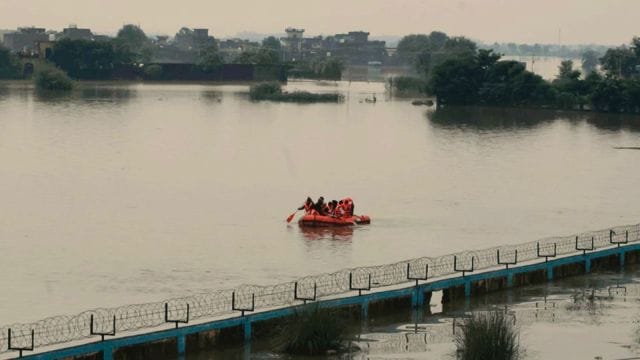
Across the border in Pakistan’s Punjab, the situation is equally grim. Authorities have evacuated over 500,000 people after relentless rainfall and river overflows inundated vast tracts of farmland and residential areas. Thousands remain stranded, awaiting rescue by boats and helicopters, while temporary camps struggle to provide food, shelter, and medical aid to displaced families.
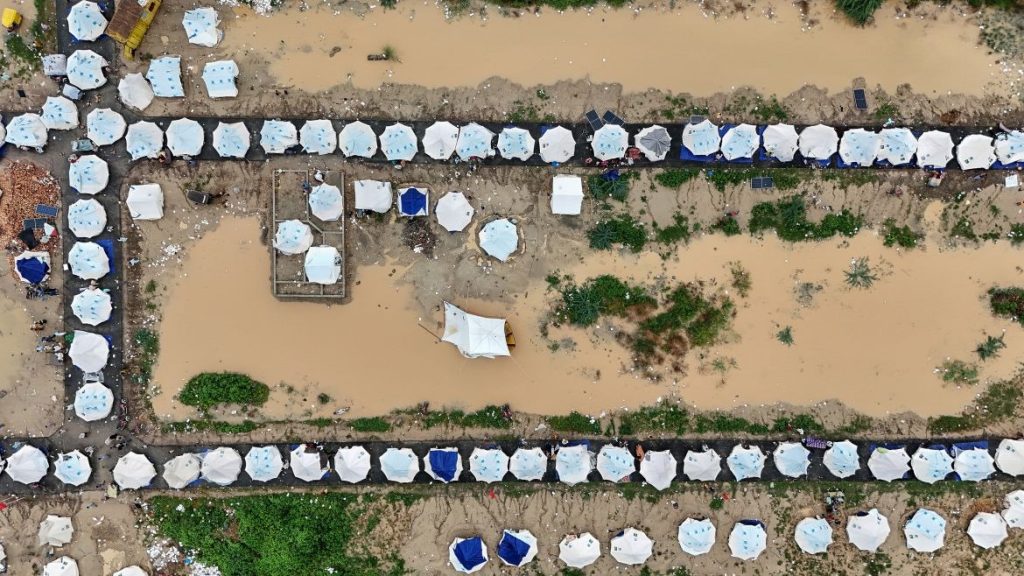
The floods have also disrupted agriculture across the fertile plains of Punjab – the breadbasket for both nations. With crops destroyed and livestock lost, concerns over food security loom large. Economists caution that the impact could ripple across local markets and international trade, deepening existing economic pressures.
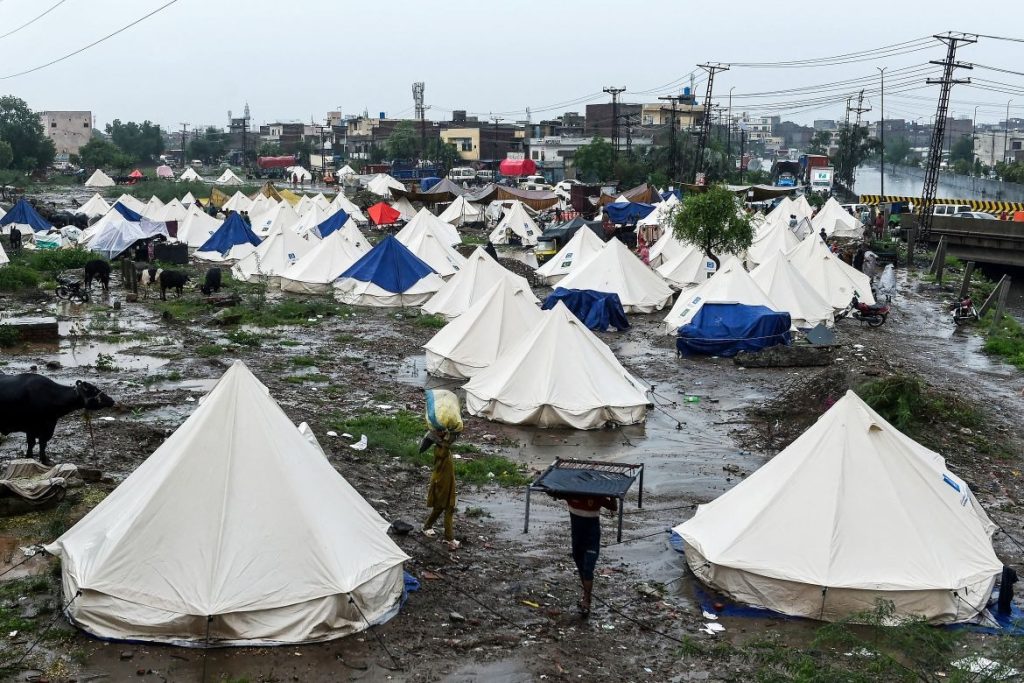
Despite political boundaries, the suffering tells a shared story. Families on either side of Punjab face displacement, disease outbreaks, and the daunting task of rebuilding homes and communities. Relief agencies stress the need for regional cooperation in disaster preparedness, flood management, and climate resilience, as the intensity and frequency of such disasters are expected to rise in a warming world.
The 2025 floods serve as a stark reminder: while natural forces may trigger calamities, human actions – or inaction – can determine whether they remain manageable or turn into tragedies.