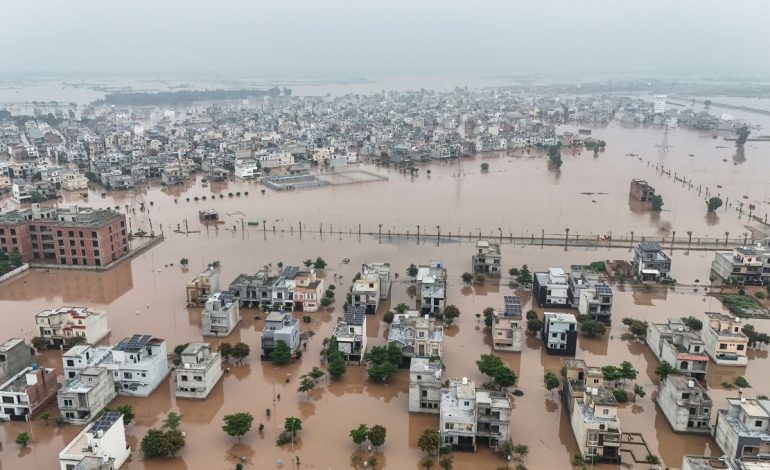
Picture this: Australia’s housing crisis, at fever pitch, suddenly meets a proposal that feels ripped straight from the script of a blockbuster. India, it’s said, is in “deep negotiations” to build one million homes in Australia-a colossal USD 500 billion opportunity. Cue gasps, headlines, and, inevitably, online skepticism.
Textbook Ambition Meets Reality Check
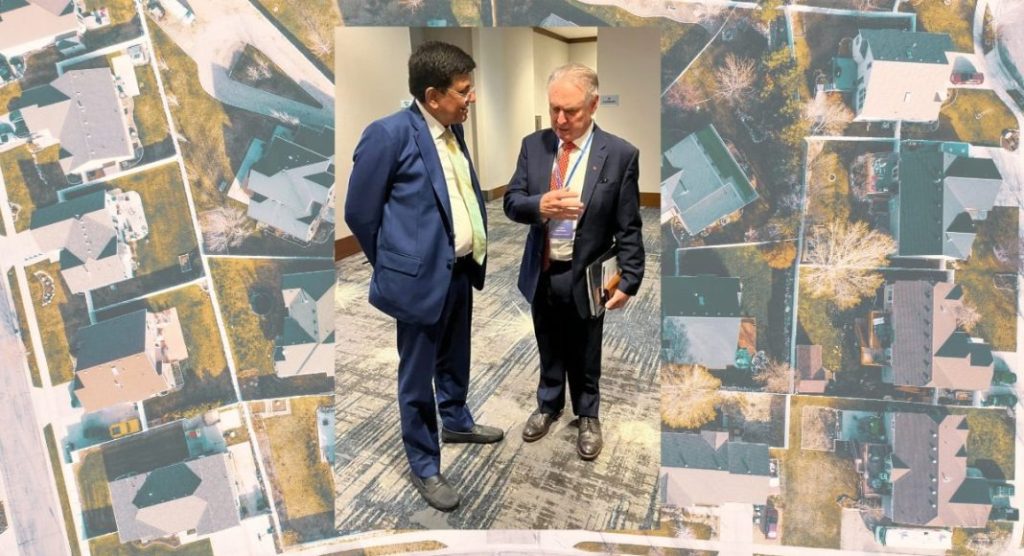
Commerce Minister Piyush Goyal dropped the bombshell at a Mumbai event: India and Australia are sketching out a plan where Indian workers, trained to Australian standards, will construct one million homes across the country. And guess what? The financing role might be played by the UAE. It’s big. It’s bold. It’s kind of epic.
But the Internet doubled over. Social media exploded with disbelief-commentators calling it “sounds like satire” and questioning the logistics, legitimacy, and sheer scale of the idea.
So where does that leave the story-one part visionary, one part surreal?
Why It’s Both Audacious and Sensible
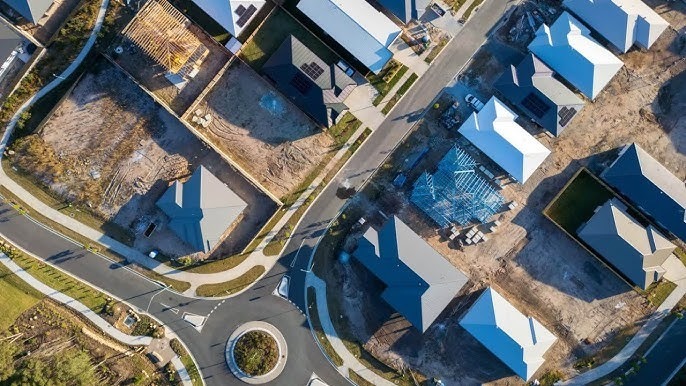
- Australia’s Housing Crunch Is Real: Approvals lag monthly housing targets by nearly 60,000 homes, pushing prices to record highs and threatening affordability across cities from Melbourne to Perth.
- India’s Construction Credentials Are Not Fiction: With massive affordable housing programs already underway, India knows how to build-and fast.
- UAE Partnership Makes Financial Sense: India approached the UAE for funding, tapping into one of the world’s most dynamic investment corridors.
- Cross-Border Beauty or Bureaucratic Beast? The idea meets real hurdles: labor shortages, planning approvals, cost inflation, and regulatory roadblocks lie ahead. Still, in a housing crisis that’s straining federal ambition, any fresh idea sparks conversation.
Desi-Australian Lens: What It Feels Like at Home
For Indian-Australians-especially those in inner-city hubs from Harris Park to Tarneit-this proposal is more than policy. It’s a mash-up of ambition, representation, and hopes for inclusive solutions.
If pulled off, it becomes a visionary partnership. If it fizzles, it will be a viral lesson in political spectacle. Either way, it shines a light on diaspora potential standing at the intersection of housing, labor, and strategic ties.