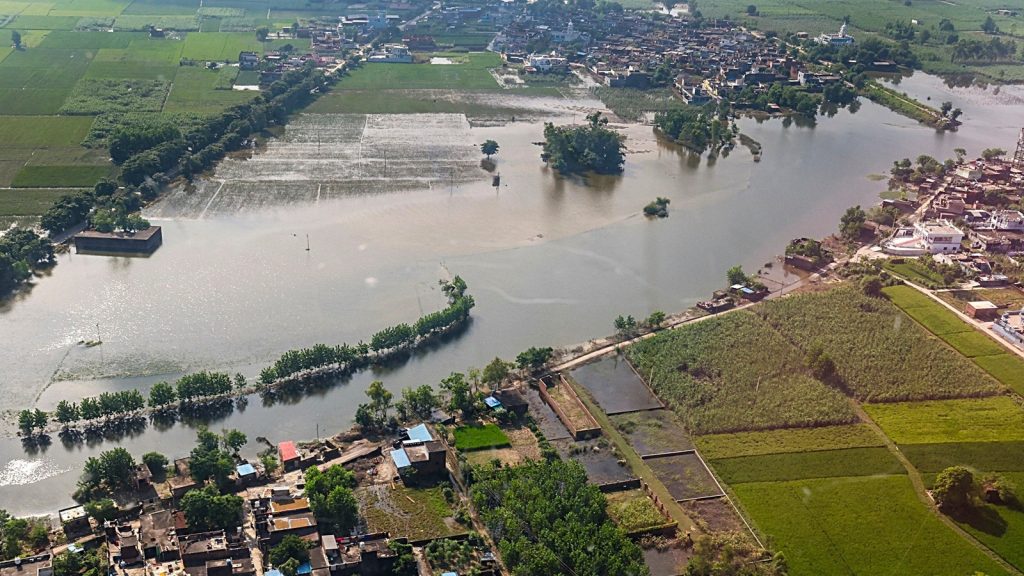
The Punjab regions on both sides of the India‑Pakistan border are grappling with one of the worst floods in decades. Unusually intense monsoon rains, swelling rivers, dam water releases, and longstanding environmental stresses have converged to create what many are calling the worst flooding since the great deluge of 1988. Over the past week new data reveals a human and natural toll far deeper than first understood.
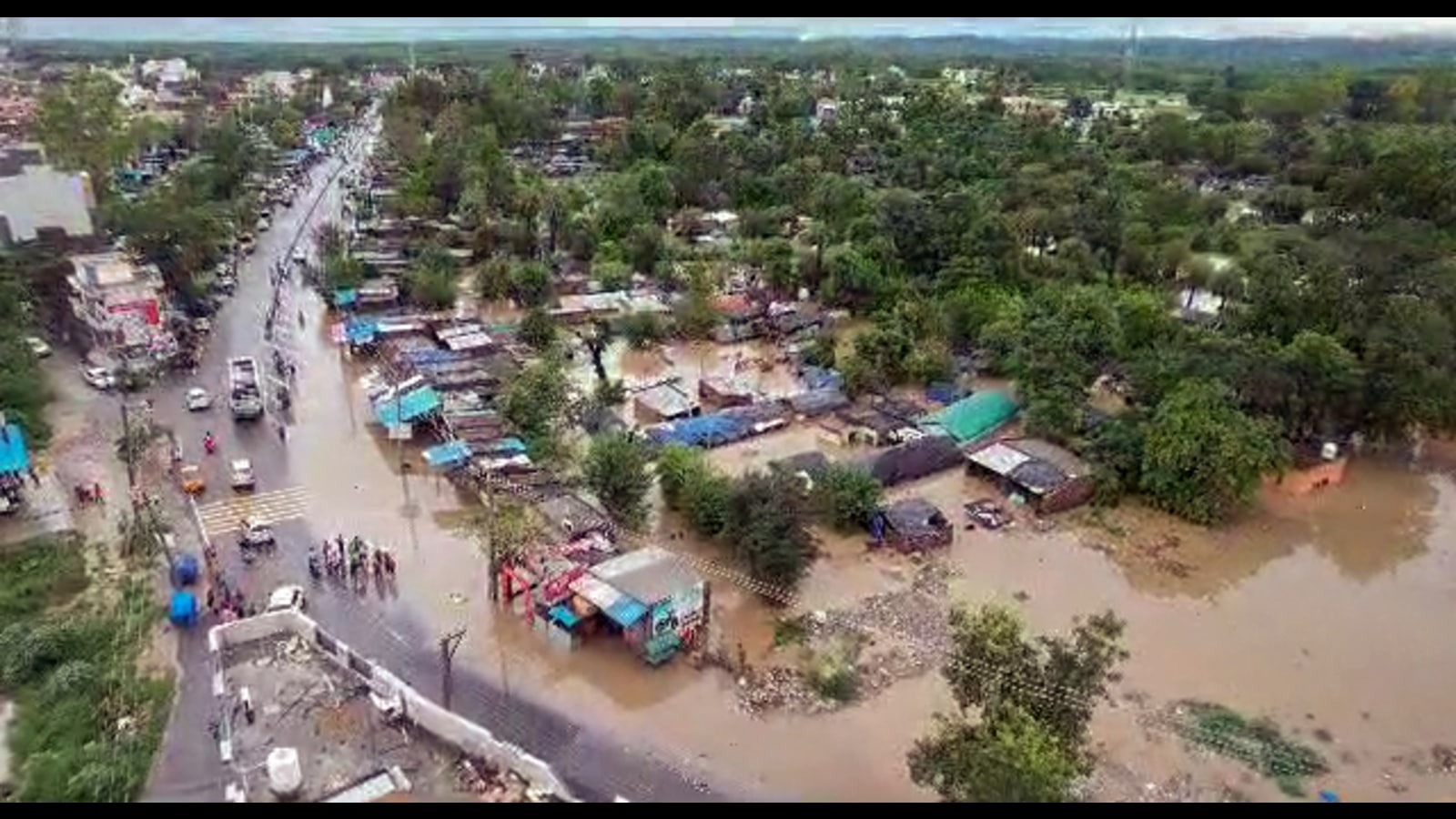
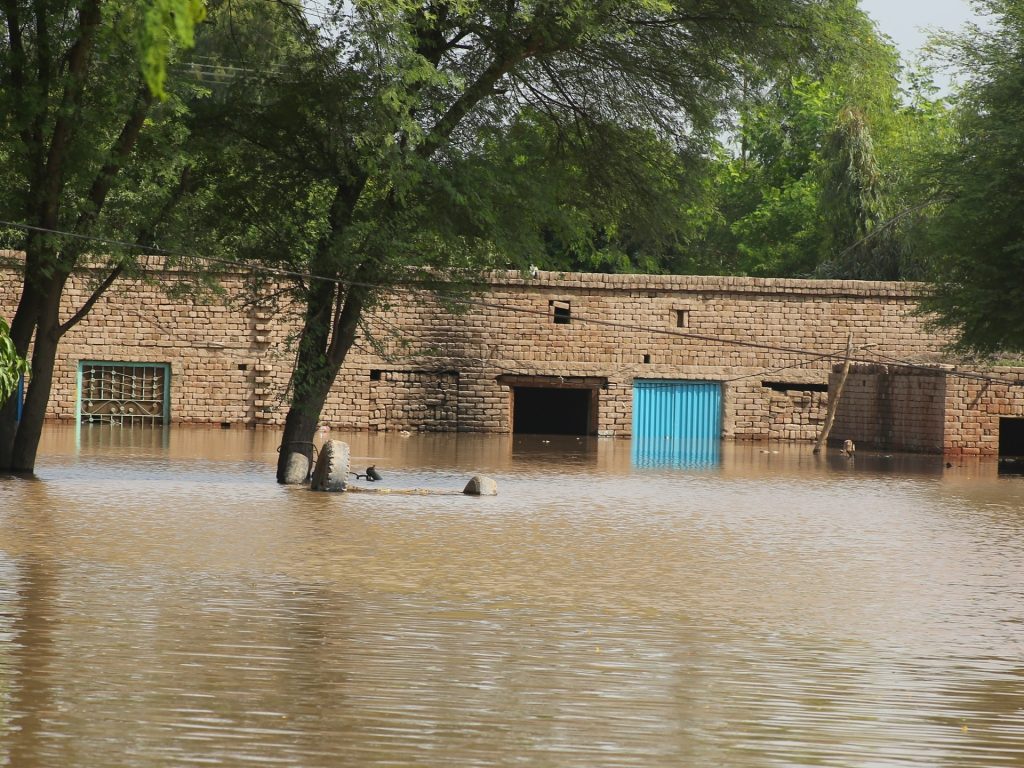
In Pakistan’s Punjab, more than two million people have been directly affected. Drones, rescue boats and helicopters are operating round the clock, evacuating the displaced from submerged villages and setting up makeshift relief camps. The death toll has risen, with at least 61 confirmed fatalities, and thousands more injured and forced into displacement. An alarming incident saw a rescue boat capsize near Multan, claiming the lives of nine people. As relief efforts intensify, authorities warn that food, shelter, and medical aid remain stretched, especially in remote areas where infrastructure has been heavily damaged.
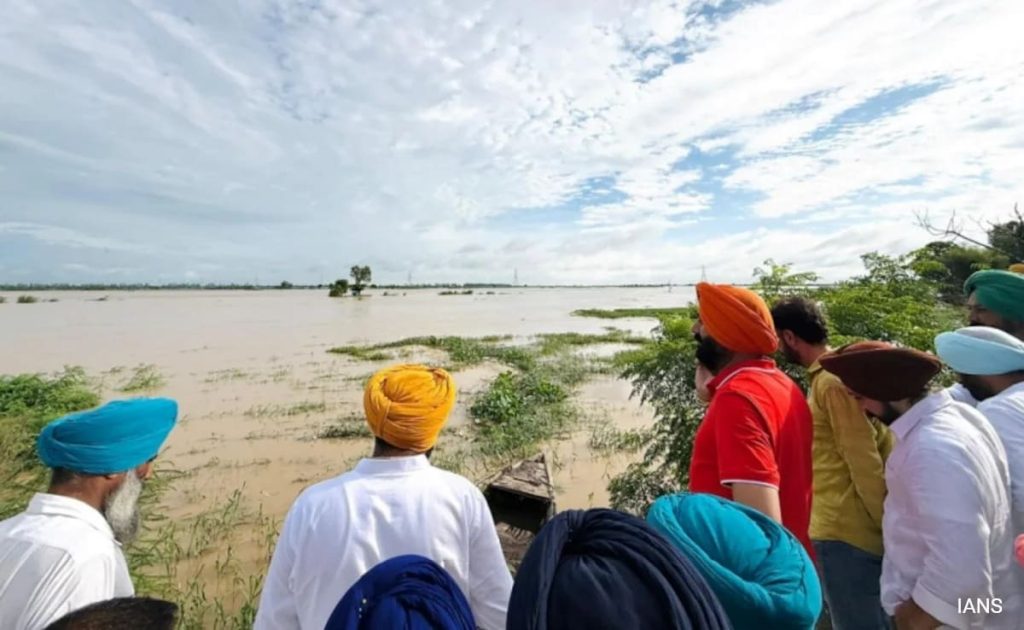
Meanwhile, in Indian Punjab the damage continues to mount. Over 1,48,590 hectares of crops have been submerged, with wheat, rice (especially Basmati), and cotton fields heavily affected. In districts like Gurdaspur, Amritsar, Hoshiarpur, and Fazilka, thousands of villages have seen severe flooding, with relief camps still housing thousands of displaced people. The government has announced compensation and relief packages, but many local voices say they are insufficient given the scale of loss.
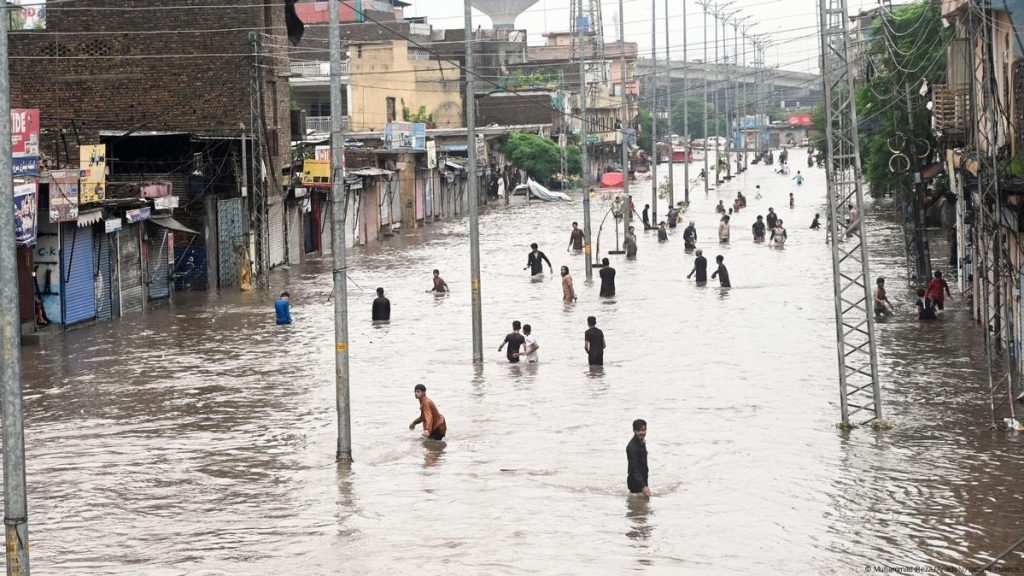
Experts point out that while natural forces triggered much of the flooding, human actions have made matters far worse. Unregulated construction along riverbanks, deforestation, and unchecked sand mining have depleted the natural defences of floodplains. Additionally, dam water releases upstream in India, combined with unpredictable weather patterns, have overwhelmed embankments and drainage systems. In the Pakistani Punjab, more than 3,900 villages have been inundated and over 400 relief camps established. Agricultural distress is high, and thousands of livestock have perished or been displaced.
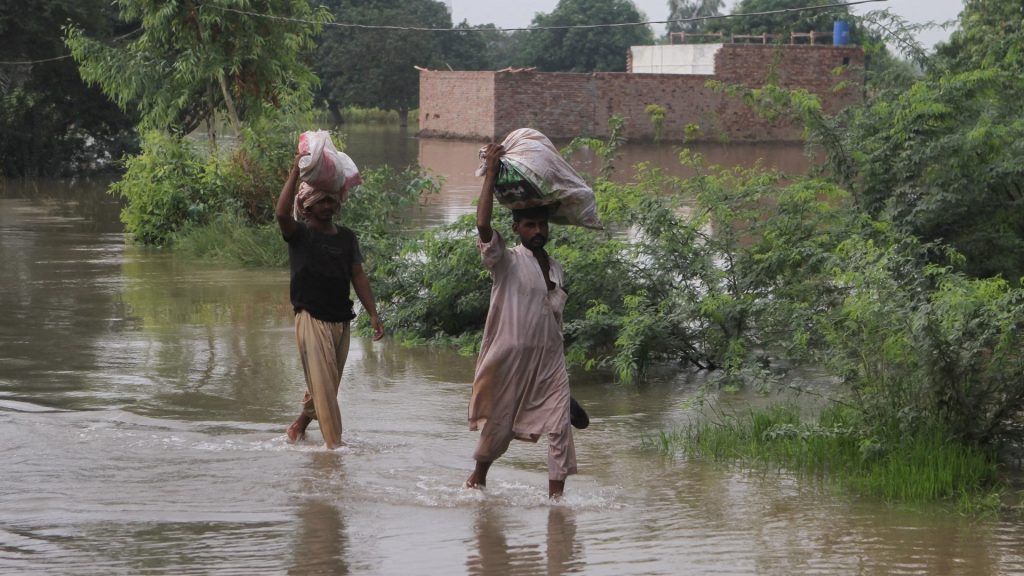
The economic, social and environmental impacts are vast. Food security risks are rising, as farmers whose livelihoods depend on the harvest face uncertain returns. Inflationary pressures are expected in Pakistan due to losses in livestock and transport disruptions. In Indian Punjab, government assessments estimate losses running into hundreds of crores of rupees; for many smallholder farmers, the compensation offered is seen as inadequate. Local leaders have called for larger relief fund allocations and more transparent administration of aid.
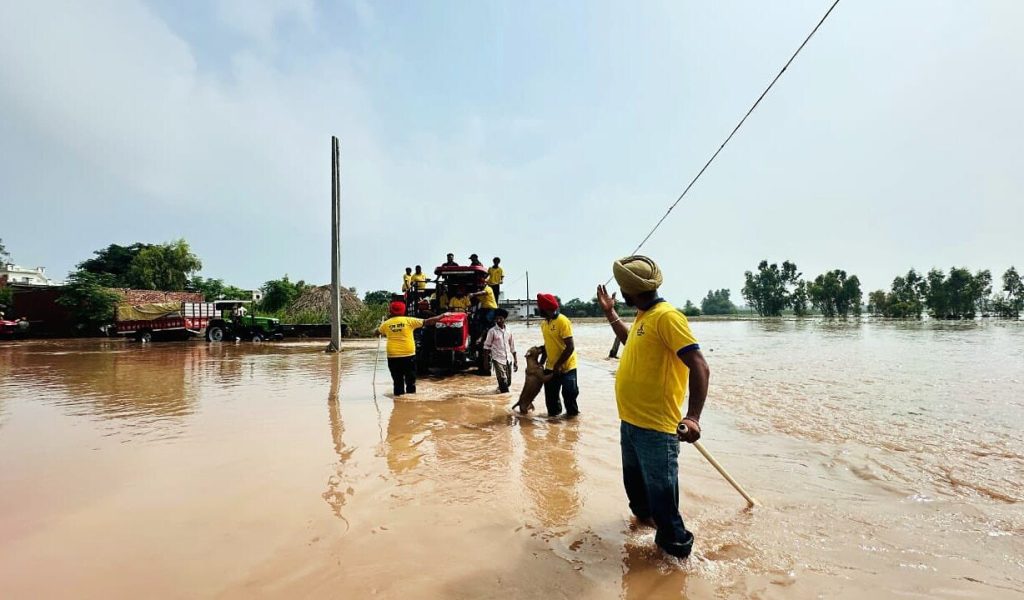
Responses from both governments have been mixed. While rescue operations are underway with some urgent financial relief promised in Indian Punjab—Rs 1,600 crore was announced by the central government—critics say it falls far short of what will be needed. In Pakistan, authorities have evacuated large numbers, declared emergency responses, and called for external assistance. Yet delays in early warnings, and poor coordination in dam releases have come under sharp criticism.
Beyond government efforts, a broad and growing wave of support is emerging from private organisations, entertainers, and hidden donors, adding critical help on the ground. Large companies such as the Reliance group have launched comprehensive relief plans. For example, the Reliance Foundation, along with Reliance Retail, Jio, and Vantara, has initiated a ten‑point humanitarian response to assist more than 10,000 families in areas including Amritsar and Sultanpur Lodhi, providing supplies and critical services.

Bollywood stars and Punjabi entertainers have also played crucial roles. Akshay Kumar donated ₹5 crore toward relief and rehabilitation efforts, describing his action as “sewa” or service. Ammy Virk committed to adopting 200 houses for families who lost their homes. Diljit Dosanjh has adopted ten of the worst‑hit villages in Gurdaspur and Amritsar, working with NGOs to deliver food, water, and medical aid, and planning for longer term rehabilitation. Salman Khan’s Being Human Foundation sent five rescue boats into flood‑affected zones and pledged to adopt some villages for recovery and rebuilding support.
Smaller acts have also made their mark. A 4.5‑year‑old child donated his piggy bank savings in Bathinda, moved by the images of suffering he saw, and artists and singers like Jasbir Jassi, Babbu Mann, Gippy Grewal, Resham Anmol, and others have contributed through donations, relief materials, and by using their platforms to raise awareness and resources. From business associations to market traders, several private trade bodies in Ludhiana have united in shifting supplies, logistical support, rescue boats, tarpaulins and medical aid through organized efforts with NGOs.
These efforts by private actors and hidden donors are not just supplementary—they are becoming essential to relief, especially in remote areas neglected in initial government responses. The outpouring from communities, celebrities, businesses and everyday people illustrates the scale of solidarity that is required when disasters of this magnitude strike.
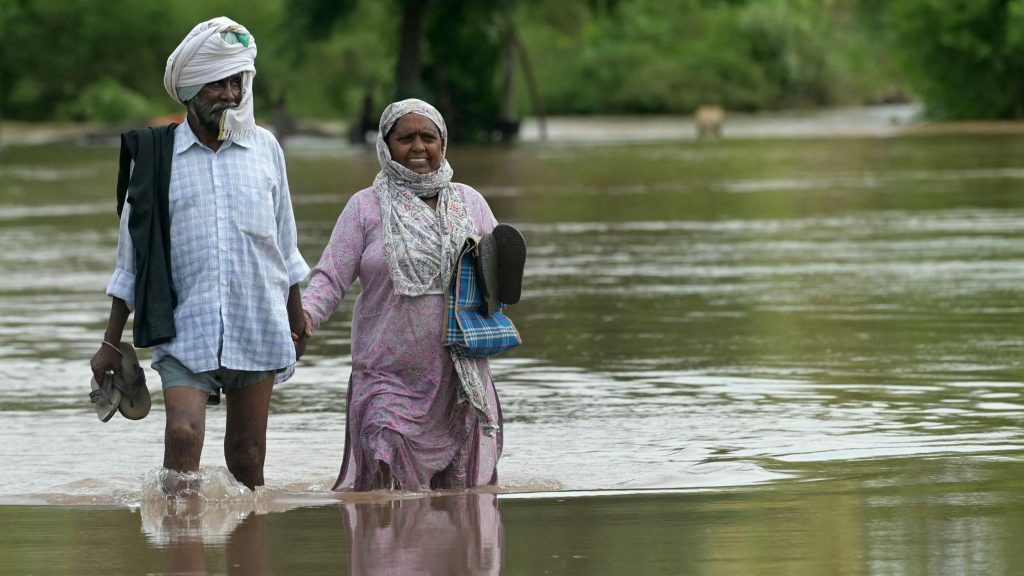
The floods, in essence, have blurred borders. People in Indian and Pakistani Punjab alike face loss of homes, rising disease risk, destroyed crops, lost livestock, and tremendous uncertainty. The shared trauma underscores the need for cooperation: shared river management, joint infrastructure planning, accountability in environmental protections, and climate‑resilient policies. Experts warn that unless practical changes are made now, such disasters will only grow more frequent and more destructive.
The Punjab floods of 2025 are not just a test of relief efforts, but of long‑term resilience. They remind us that nature may spark crises—but human decisions can still determine whether they become tragedies. As water recedes, the challenge will be rebuilding in ways that protect communities rather than re‑exposing them. The time for preparation, regulation, cooperation, and solidarity is now.