On 10 December 2025, Australia officially implemented a new nationwide law banning children under the age of 16 from holding accounts on major social-media platforms. The move makes Australia the first democratic country to enforce such sweeping age-based restrictions.
Under the new legislation (the Online Safety Amendment (Social Media Minimum Age) Act 2024), major platforms – including Facebook, Instagram, TikTok, YouTube, Snapchat, X (formerly Twitter), Reddit, Twitch, Threads and Kick – are required to prevent under-16s from holding accounts or face heavy penalties.
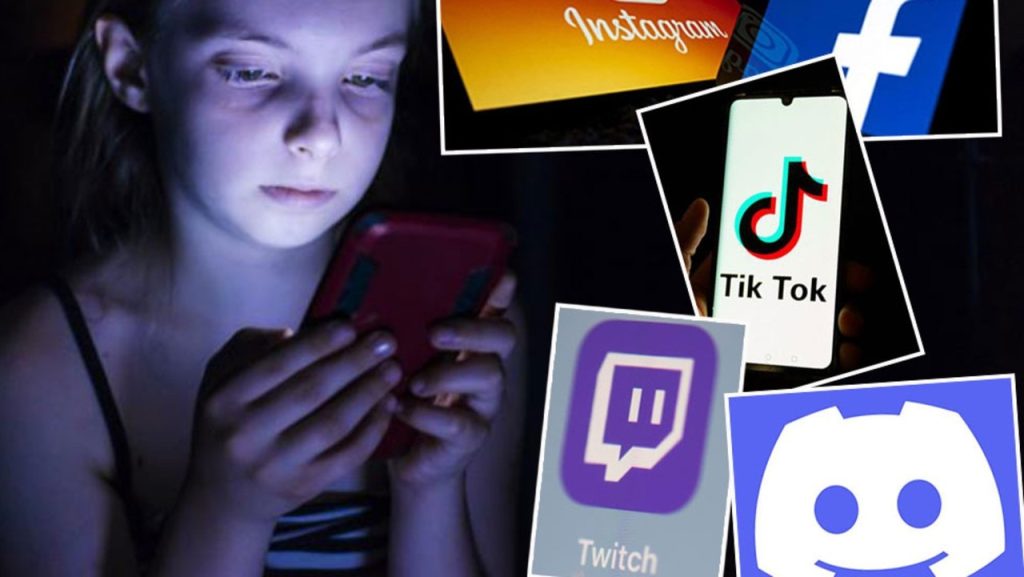
The law does not criminalize children or their parents for accessing the platforms. Rather, it places responsibility on social-media companies: if they fail to take “reasonable steps” to block or remove under-age users, they may be fined up to AUD 49.5 million.
To comply – some platforms, like Meta, have already begun deactivating under-16 accounts as of early December 2025. Age-verification may involve different approaches depending on the platform; options include AI-based age estimation, behavioural signals, or voluntary ID-based authentication. The law prohibits demanding government ID as the only verification method.
Officials say the ban aims to shield young Australians from well-documented risks linked to social media: cyberbullying, harmful content, predatory behaviour, addiction, and negative effects on mental health and self-image. The government has described the legislation as a “profound cultural change,” with long-term benefits for children’s wellbeing.
For parents and families, the law offers a measure of control and relief. Rather than monitor every app or platform, parents can now rely on regulated protections – while still guiding their children’s offline development, social habits, and media consumption. Schools, educators, and community groups may also play a larger role in supporting children’s social and mental development outside of social media.
However, the new law has not escaped criticism. Tech companies and free-speech advocates warn that the restrictions may suppress privacy and digital freedom, push teens toward unregulated or fringe platforms, or encourage deceptive age-reporting. Some critics argue the ban is overly broad and may not effectively address the nuanced realities of online behaviour.

Implementation challenges remain. The regulatory body (eSafety Commissioner) acknowledges the law may not eliminate all risks overnight – and that the effectiveness will depend on ongoing compliance, technology, and careful oversight.
Australia’s bold step is already drawing global attention, with countries in Europe and Asia reportedly monitoring the outcome. For many parents, educators, and child-safety advocates, the law represents a long-awaited move to prioritise mental health and youth wellbeing in the digital age.