The Northern Territory Government is making free swimming and water safety lessons a permanent feature for all primary school students, reinforcing its commitment to ensuring children across the Territory develop essential life skills from an early age. The move follows the strong success of the Swimming in Schools program, which has already demonstrated positive outcomes for participation and safety awareness among young Territorians.
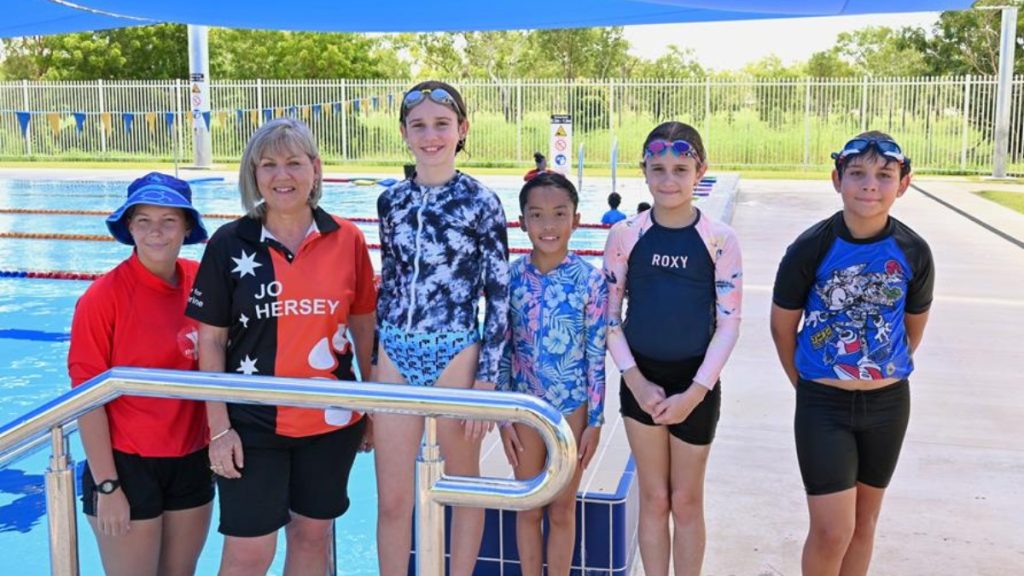
The program is backed by an annual investment of around $3 million, supporting both government and non-government schools to deliver lessons as part of their regular offerings. By embedding funding into schools’ annual budgets from 2026, the initiative aims to provide consistent access to swimming education while removing financial barriers for families across the region.
Participation levels highlight the program’s growing impact, with nearly 18,000 children from about 160 schools taking part during its rollout. The results also show a significant improvement in swimming competency, with the number of students meeting national water safety benchmarks rising notably after the first full year of implementation.
Education leaders say the initiative reflects the realities of the Northern Territory lifestyle, where water activities such as visiting springs, pools, and waterways are common. By ensuring children learn to swim alongside other core skills, the program supports both safety and confidence while helping families save on the cost of private lessons.
The initiative also demonstrates a strong focus on inclusion, with efforts made to ensure students in remote communities can participate despite logistical challenges. Schools and education partners have worked together to overcome distance and access barriers so that no child misses out on learning vital water safety skills.
Officials and safety organisations say the policy strengthens long-term efforts to build a culture of water awareness across the Territory, with collaboration between schools, educators, and community partners playing a key role in its success. The program’s continuation reflects a broader commitment to improving participation and outcomes in the years ahead.