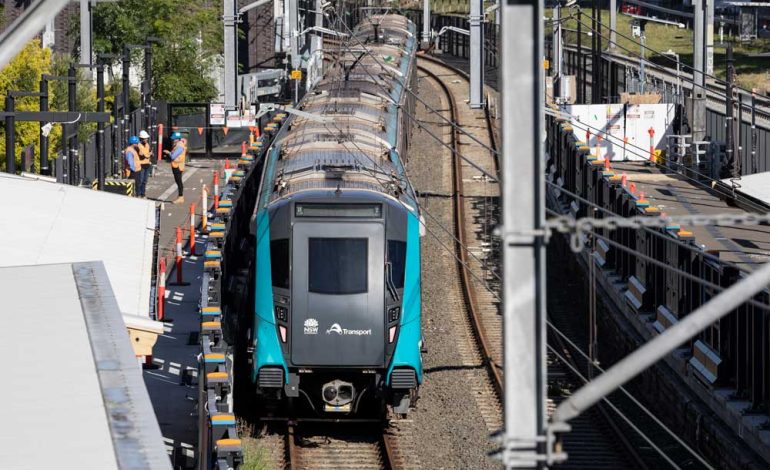
Australia’s transport industry is taking a meaningful step toward greater inclusivity and safety with the launch of a new training initiative designed for truck drivers from diverse cultural backgrounds. The program focuses on providing free first aid education in Punjabi and Hindi, helping drivers better understand essential safety procedures in languages they are most comfortable with.
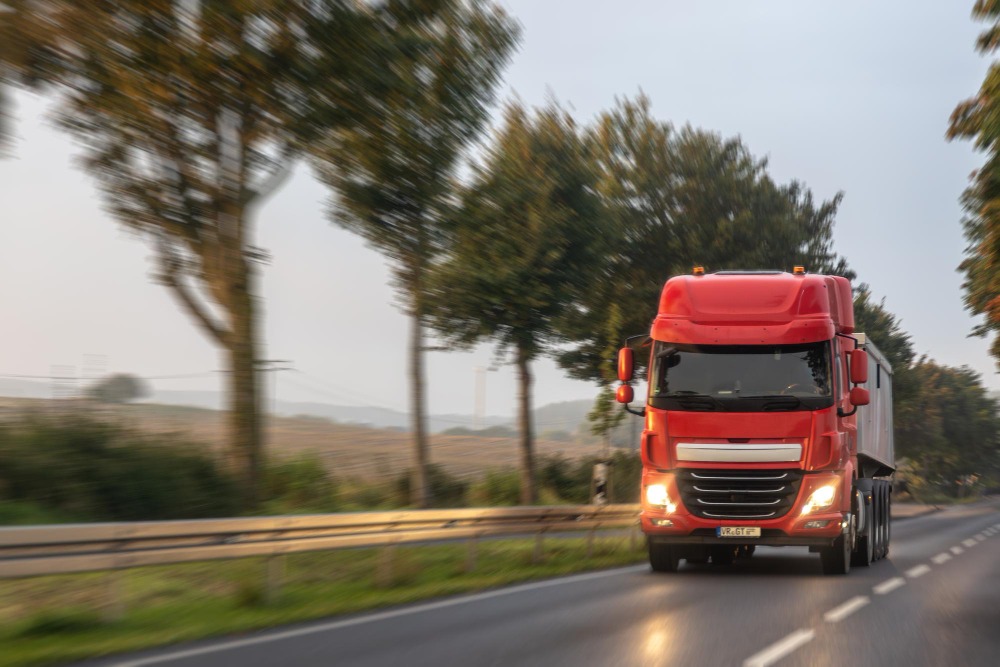
The initiative, introduced by NatRoad, aims to remove communication barriers that can sometimes limit access to important workplace training. By offering courses in commonly spoken community languages, the organisation hopes to make learning more accessible and ensure more drivers feel confident handling emergency situations on the road.
Australia’s trucking workforce has become increasingly multicultural over the years, with many drivers coming from South Asian backgrounds. Industry experts say delivering training in native languages not only improves comprehension but also encourages greater participation, creating a safer working environment for everyone involved in the transport sector.
The training sessions cover practical and potentially life-saving skills such as responding to road accidents, managing injuries, and providing immediate care until professional medical help arrives. For drivers who often travel long distances or through remote regions, these skills can make a critical difference during unexpected emergencies.
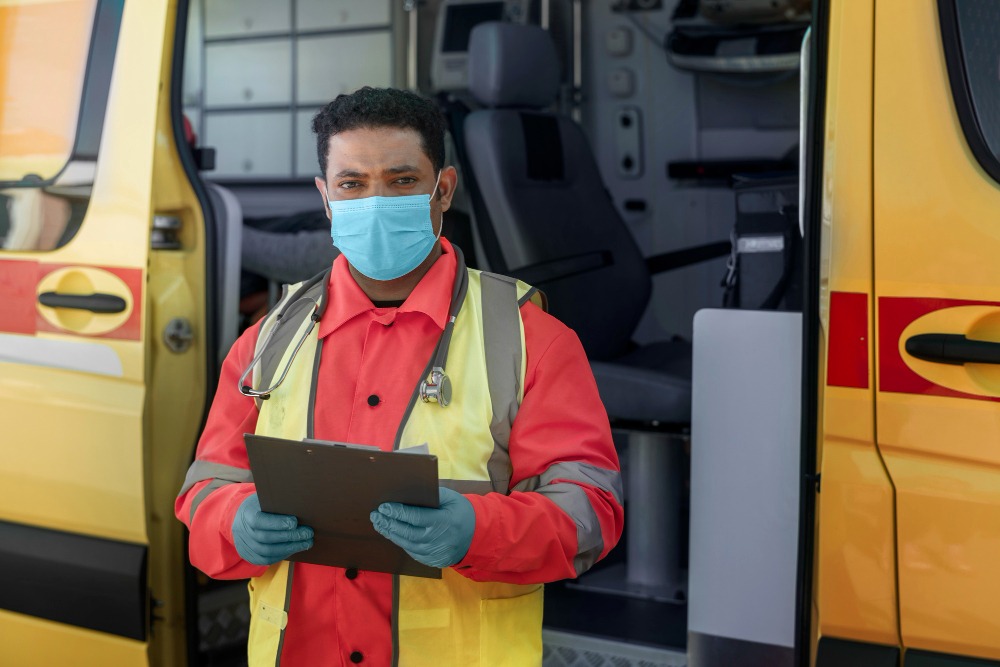
Beyond improving individual confidence, the program also supports broader road safety goals by ensuring more drivers are equipped with the knowledge to respond effectively in high-pressure situations. Industry leaders believe initiatives like this strengthen safety culture and highlight the importance of supporting workers through inclusive education.
As Australia continues to rely on a strong transport network, programs that recognise the needs of a diverse workforce are becoming increasingly important. By combining safety training with language accessibility, this initiative sets a positive example of how industries can adapt to better support their communities while promoting safer roads nationwide.