A new short-film initiative titled 16 Voices is using the power of one-minute storytelling to bring attention to family violence, coercive control and the importance of bystander responsibility.
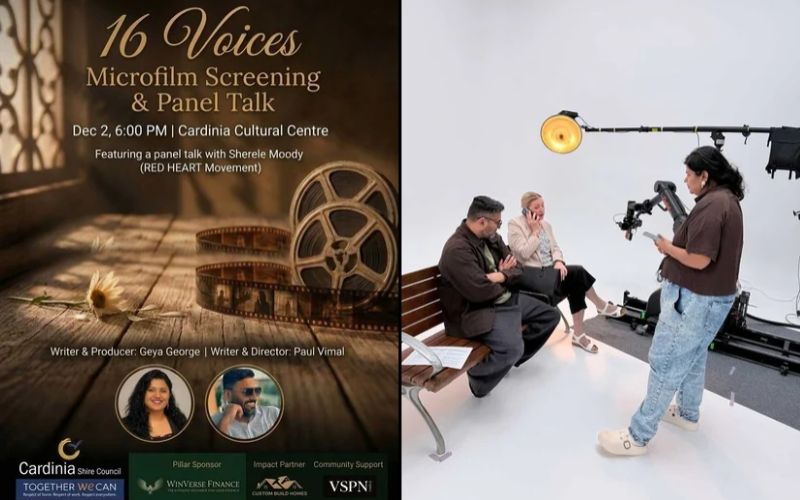
Anchored in Steven Reiss’s 16 Basic Desires Theory and aligned with the 16 Days of Activism, the project features 10 micro-films exploring how family violence can manipulate fundamental human needs, transforming safety into surveillance, care into control and community into isolation.
Through cinematic visuals and everyday experiences, the films aim to encourage audiences to recognise the realities of coercive control and reflect on the role individuals and communities can play in creating change.
The event is free to attend, but registration is required. Interested attendees can register through the official event registration link
Turning Complex Issues into One-Minute Stories
Explaining the creative inspiration behind the project, Dr Geya George, Writer and Producer of 16 Voices, said the concept draws on the connection between human desires and the ways those needs can be exploited through family violence.
“16 Voices is anchored in Steven Reiss’s 16 Basic Desires Theory and aligns with the 16 Days of Activism, using 10 micro-films to show how family violence and coercive control weaponize core human needs – turning safety into surveillance, care into control, and community into isolation,” she explained.
Dr George said the one-minute format was deliberately chosen to make the stories immediate and memorable.

“We chose the one-minute format because sharp, cinematic storytelling captures immediate attention and leaves a lasting impact long after the screen goes dark,” she said.
Using Visual Storytelling to Explore Coercive Control
For Writer and Director Paul Vimal, presenting sensitive issues within such a short format required an approach built around visual storytelling, honesty and authentic voices.
“With one-minute films, we let the stories speak through visual dissonance, basic honesty, and authentic voices,” he said.
He explained that the films aim to help audiences feel the often-unseen impact of coercive control while highlighting the urgency of bystander responsibility.
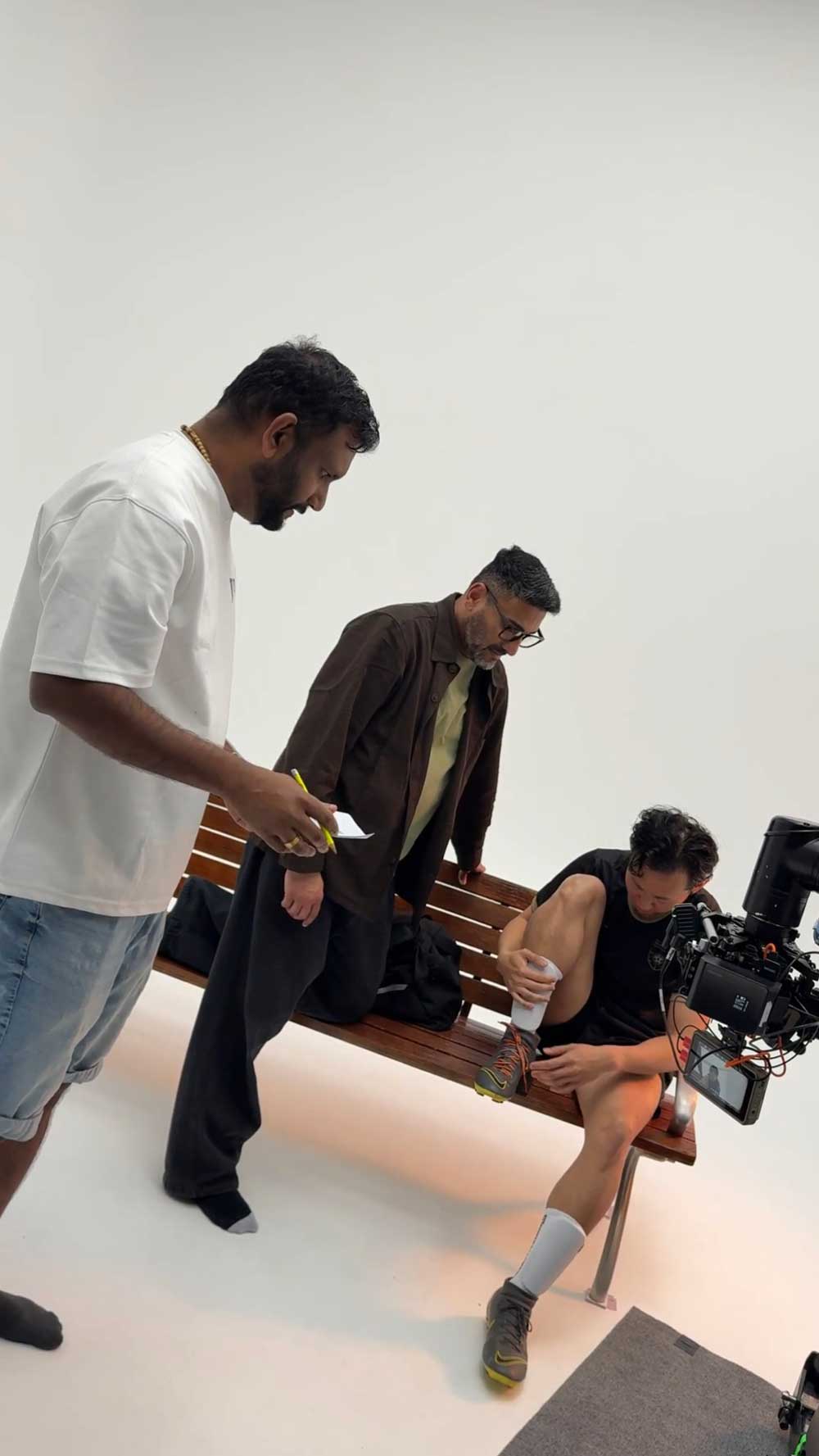
A recurring visual element connects the stories: an everyday bench.
“Every story is anchored around an everyday object – a bench – which acts as both a portal into these lived experiences and a quiet point of realisation,” Vimal explained.
The bench provides a common visual reference through which audiences can encounter different experiences and perspectives, encouraging reflection on issues that may otherwise remain unnoticed.
Volunteers Hope to Spark Honest Community Conversations
The project also reflects the contribution of its production and creative team, whose involvement is driven by a desire to create meaningful social change.
Soumya Namboothiri, who is part of the Production and Creative Team, said the opportunity to highlight experiences that often remain hidden behind closed doors was what attracted her to the initiative.
“I was drawn to the opportunity to help drive real change and shed light on the things that so often go unseen behind closed doors,” she said.
She hopes audiences will continue thinking about the messages after watching the films and take those reflections into their own communities.
“After the screening, I hope audiences carry that message with them – that these films spark a quiet realisation, shift how people look at the world around them, and start honest conversations in their own communities,” Namboothiri added.
Creating Awareness Through the Power of Short Films
By combining psychological concepts, cinematic storytelling and authentic perspectives, 16 Voices seeks to make conversations about family violence and coercive control more visible and accessible.
Its one-minute format offers a brief but focused way to explore complex experiences, while the recurring bench creates a visual connection across the films.
The project’s broader message is that recognising coercive control and understanding the experiences of those affected are important steps towards building safer, more supportive communities.
Through the combined efforts of its writers, director and creative volunteers, 16 Voices aims to ensure these stories do more than reach an audience – they encourage people to reflect, speak up and take part in meaningful conversations.