When a policy turns from flexibility to rigid limits, it does more than shift paperwork-it alters futures. The Trump administration’s latest visa reforms are reshaping American entry rules for international students, media professionals, and exchange participants-and the ripples extend far beyond borders.
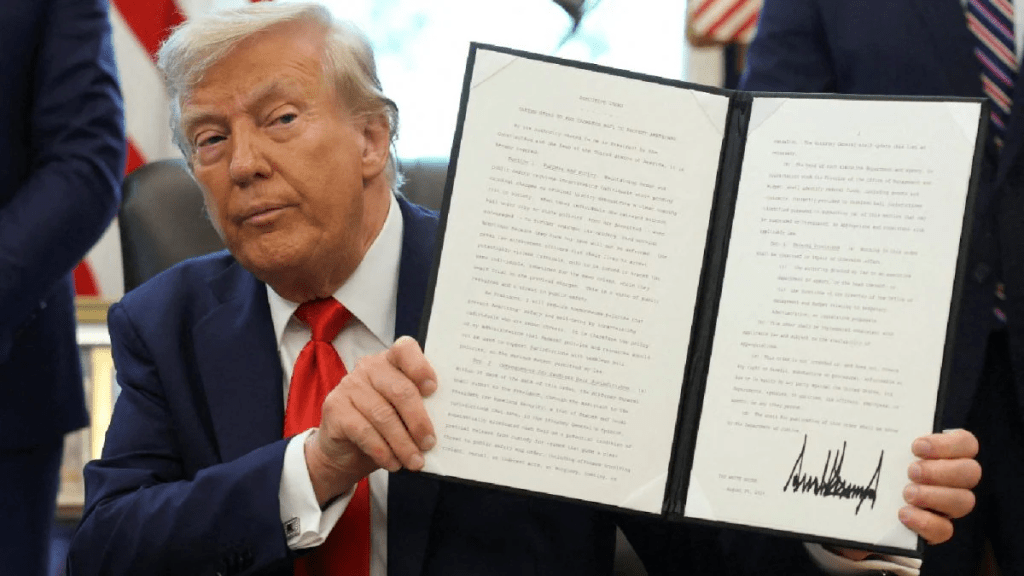
From Fluid to Fixed: Visa Durations Slashed
The U.S. is introducing sweeping changes: F (student) and J (cultural exchange) visas will now have fixed maximum durations of up to four years, ending the previously flexible “duration of status” option. I visas (for media personnel) are being capped at 240 days-just 90 days for Chinese journalists. Though extensions remain possible, these cuts tighten timelines and heighten uncertainty.
Tightened Scrutiny: Social Media and Suspended Interviews
Visa vetting has gone beyond academic records-it now includes mandatory social media scrutiny. Applicants are required to set their profiles to public, and consular officials may comb personal content for ‘red flags.’ To make matters worse, backlogs and delays are mounting: new F, M, and J visa interviews have been suspended temporarily as embassies await updated procedures.
A Broader Crackdown: Revocations and Political Screening
This policy shift is part of a broader crackdown on immigration. Over 6,000 student visas have already been revoked, often without warning-and a growing number tied to political dissent, especially pro-Palestinian sentiment. The administration’s “catch and revoke” approach uses AI tools and platforms like Canary Mission to flag visa holders, sometimes based on minor infractions or online expression.
Silencing Campuses and Scholars
The impact isn’t just personal-it is institutional. Academic communities across the country report heightened self-censorship, diminished research, and a chilling effect on campus activism. Many students, particularly from India and China, are abandoning or altering their online identities to avoid suspicion-and some have already quit part-time jobs in fear of deportation.
Why It Hits Home for Desi-Australians
For many young South Asian Australians-or their families-the American dream starts with academia: STEM, Ivy Leagues, global research networks. These visa restrictions threaten that pipeline, signaling reduced opportunities and heightened political risk, regardless of intent or merit.