

The rise in international travel among Indians is undoubtedly a success story. As incomes have grown and the world has become increasingly accessible, millions of Indians now explore destinations that previous generations could only dream of visiting. Travel broadens horizons, builds understanding and creates lasting memories. Yet alongside this welcome trend is a less flattering reality that deserves discussion.
Social media is increasingly filled with videos and reports of Indian tourists behaving badly overseas. In some destinations, businesses have introduced special rules for Indian visitors. In a few cases, Indians have reportedly been denied entry altogether. Whether such measures are justified or not, they are deeply embarrassing for those who value responsible travel and understand the damage such behaviour does to India’s global reputation.
At a time when stereotyping and prejudice are on the rise across the world, the actions of a few provide ammunition for those eager to paint entire communities with the same brush. The question is not whether these incidents represent all Indians – they clearly do not. The question is why some individuals continue to behave in ways that invite criticism and reinforce negative perceptions.
The excuse of “different cultures” does not hold water. Human beings are social creatures, and every society operates according to certain norms of courtesy and mutual respect. When we visit another country, we are guests. Respecting local customs, public spaces and fellow travellers is not an optional extra; it is the basic responsibility of any visitor.
Many of us grew up with parents who taught us how to behave in public. We were expected to wait our turn, respect shared spaces and consider the comfort of others. Public tantrums were discouraged, and creating a disturbance often resulted in immediate correction. Somewhere along the way, it appears that these lessons have become less common – or less effective.
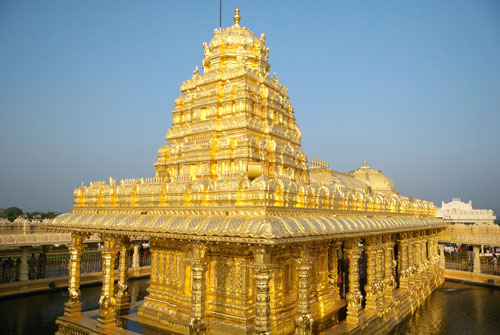
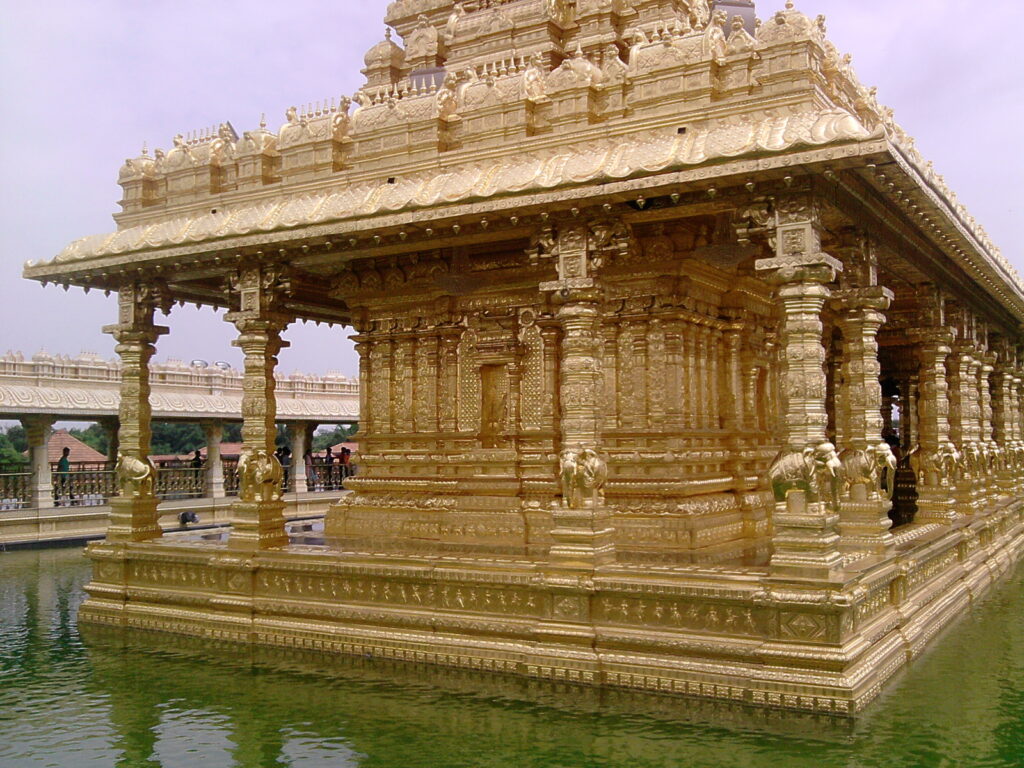
During a recent visit to Tamil Nadu, I toured the renowned Sri Lakshmi Narayani Golden Temple in Vellore. What struck me most was not just the grandeur of the temple but the immaculate cleanliness of the entire complex, including the public facilities. The temple is maintained by a trust that clearly takes enormous pride in its work.
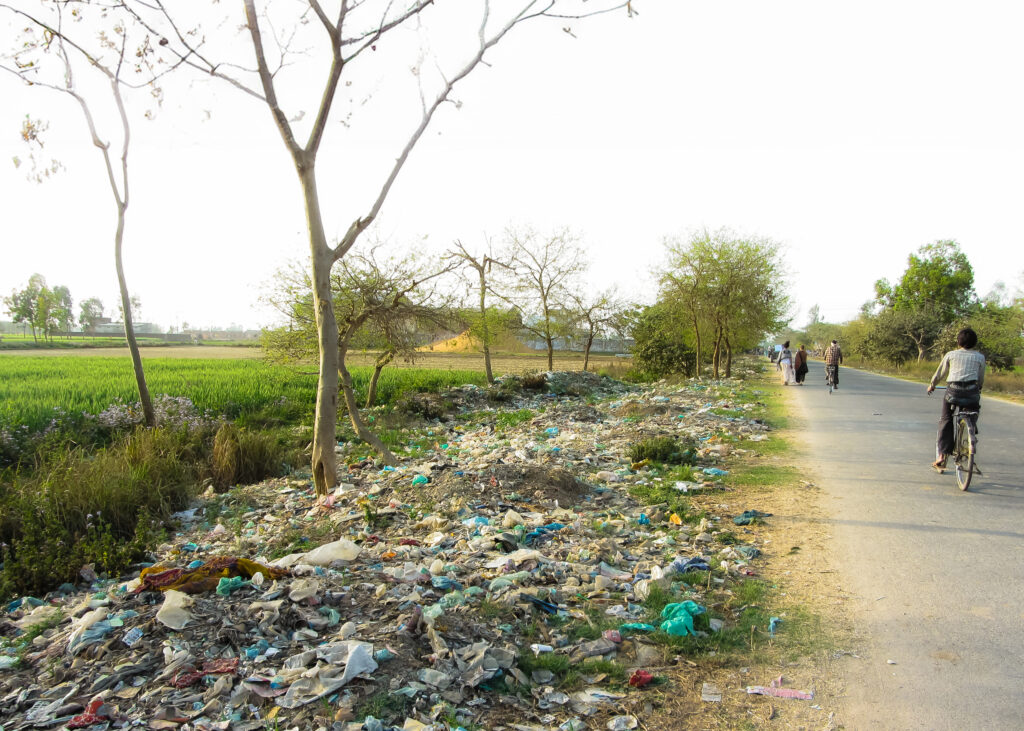
On the walk back from the temple, I stopped at one of the trust-operated cafés. Nearby sat a family of four. Despite bins being readily available, the children casually threw their rubbish onto a beautifully maintained patch of greenery. I was about to intervene when I noticed that the parents were doing exactly the same thing. After the family left, a member of the trust quietly cleaned up the mess they had created.

That small incident perfectly illustrates the problem. Children learn from what they see. When adults disregard basic civic responsibility, they teach the next generation that someone else will always clean up after them.
The issue is not confined to public spaces. It is equally visible in hotels and resorts. Too often, some travellers seem to believe that paying for luxury accommodation exempts them from common courtesy. Staff are treated as servants rather than professionals. Hotel corridors become extensions of private living rooms. Loud conversations, blaring televisions and music spilling from balconies disrupt the comfort of other guests.
Buffet breakfasts provide another familiar spectacle. Guests arrive in sleepwear and hotel slippers, behaving as though they are still in their bedrooms. Others help themselves to more food than they can possibly consume, sometimes even attempting to take food away from the dining area. Such behaviour may seem trivial to those engaging in it, but it leaves a lasting impression on fellow guests and staff alike.
Then there is another phenomenon: the traveller who believes that living overseas confers a superior status. Some members of the Indian diaspora return to India expecting deference rather than service. Their interactions with hospitality staff are often marked by impatience and entitlement.
During one hotel stay, I watched a guest berate a waiter because his coffee was not sufficiently hot. The waiter remained polite and professional throughout the exchange. The next day, I noticed that the staff discreetly avoided serving that particular table whenever possible. Respect, after all, is a two-way street.
Most Indians, whether at home or abroad, are considerate and respectful. Unfortunately, it takes only a few inconsiderate individuals to create a negative impression that lingers far longer than it should.
Good tourism is remarkably simple. Respect personal space. Queue patiently. Dispose of rubbish responsibly. Use headphones instead of forcing others to listen to your music. Speak at a reasonable volume. Treat service staff with dignity. Follow local customs and rules. Above all, remember that public spaces are shared spaces.
Travel is a privilege, not an entitlement. Every traveller becomes an informal ambassador for their country. The impressions we leave behind shape how others perceive not just us as individuals, but the communities we represent.
The vast majority of Indians travel with grace and courtesy. It is time for the minority who do not to recognise that their behaviour carries consequences far beyond themselves. In an increasingly interconnected world, reputation travels just as far as people do.