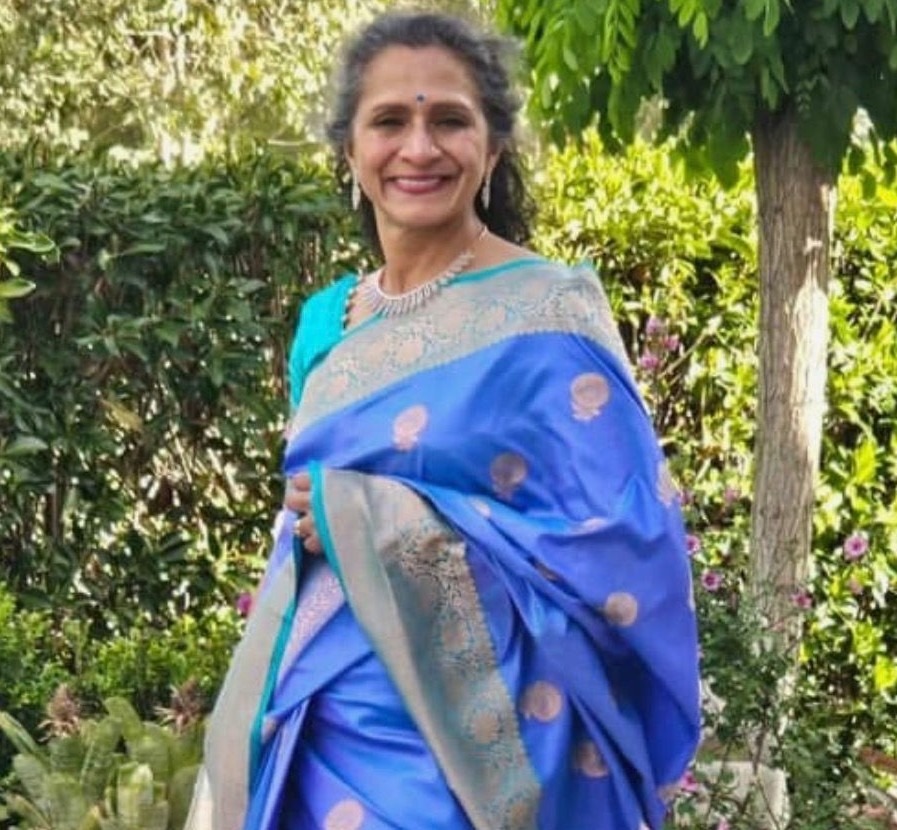

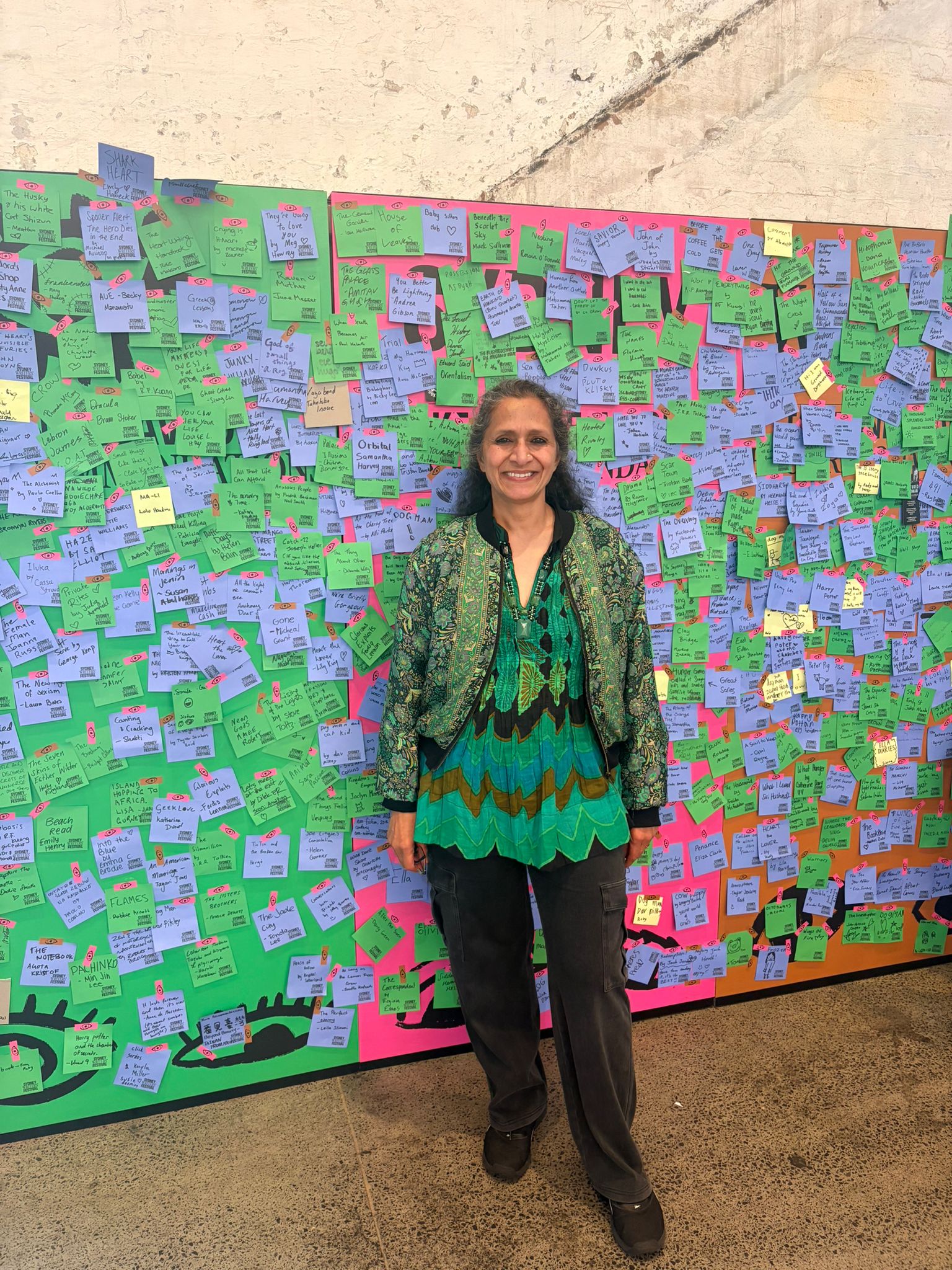
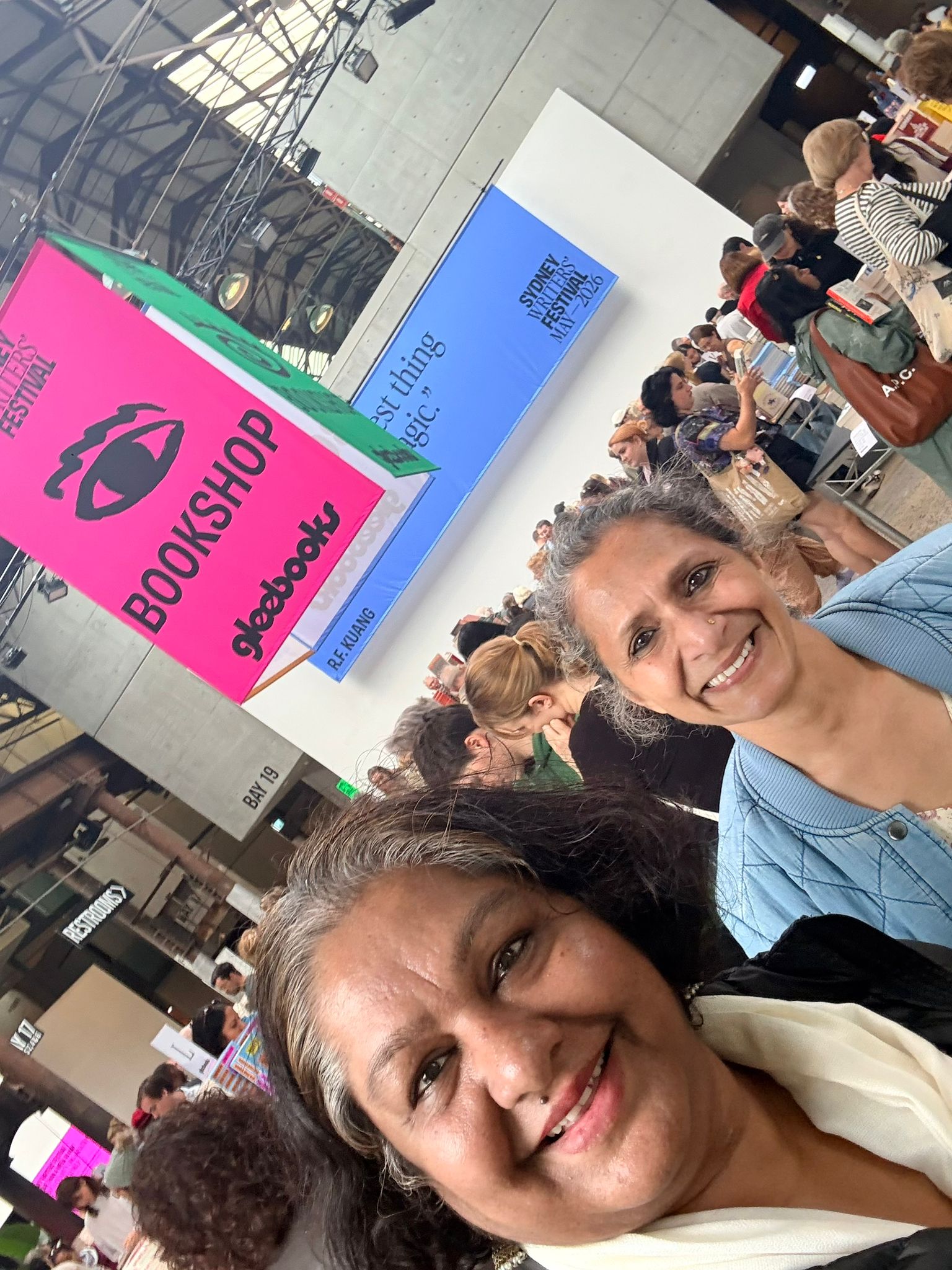
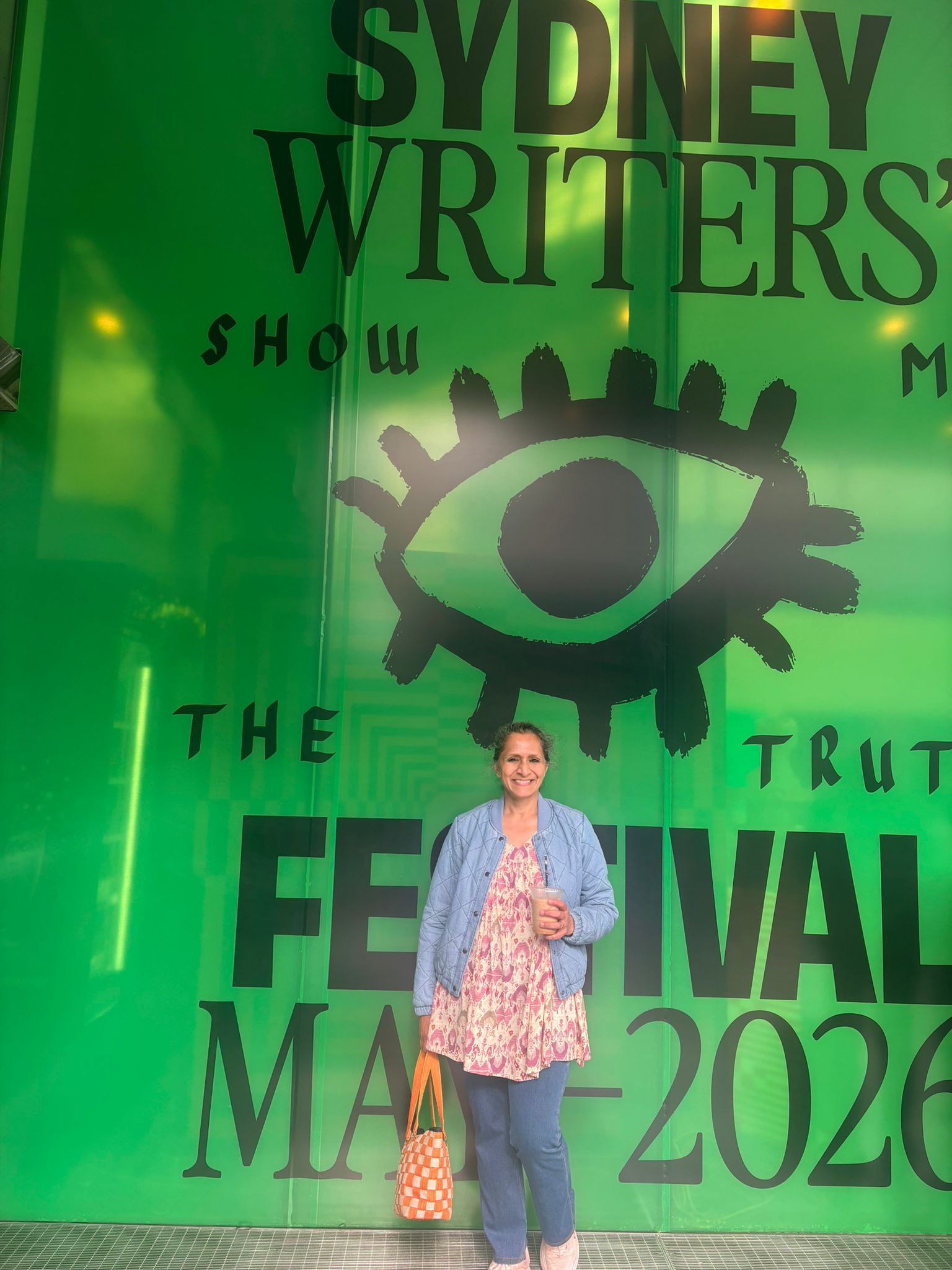
The Sydney Writers’ Festival was my happy, happy place for two days. I was riding a dopamine high and my grey cells seemed to be in constant cartwheels mode. There is something deeply energising about being in spaces filled with books, ideas, curiosity and people who dedicate themselves to the craft of storytelling.
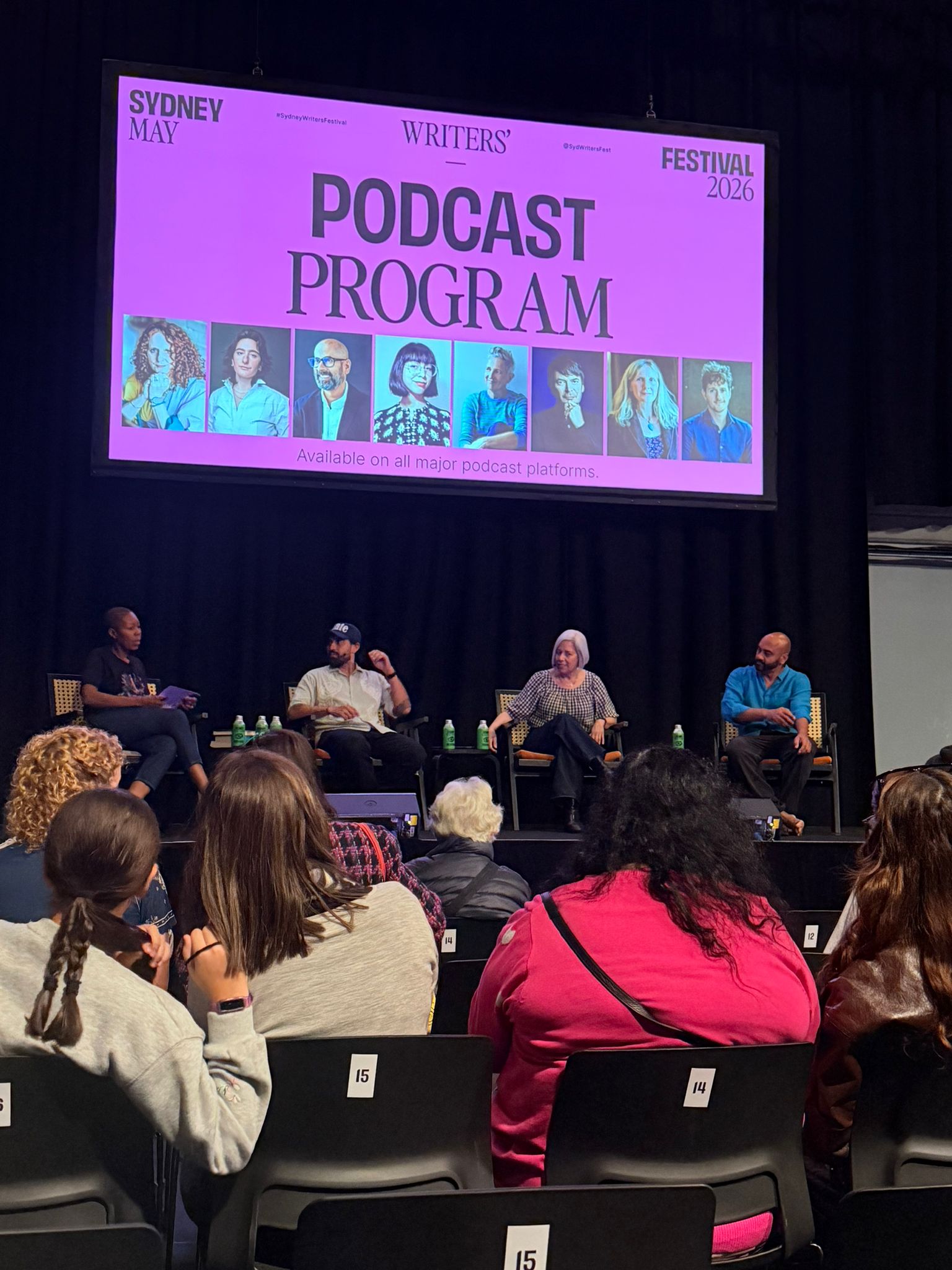
While being surrounded by books was a joy in itself, the real highlight for me was listening to writers speak candidly about their work – not just the process of writing, but also the no process: the rejections, abandoned drafts, rewrites and resilience that sit quietly behind every published piece.
As a reader, I have often wondered what unfolds behind the scenes when a writer is piecing words together, stringing phrases, creating worlds, developing characters and shaping narratives that move us. Hearing authors unpack their journeys made me appreciate that writing is rarely linear. It is persistence, vulnerability and often an act of courage.
Memoirs particularly fascinate me because they invite another question: is writing therapeutic because of the destination – finally telling the story – or because of the journey itself, of revisiting, processing and making sense of lived experiences?
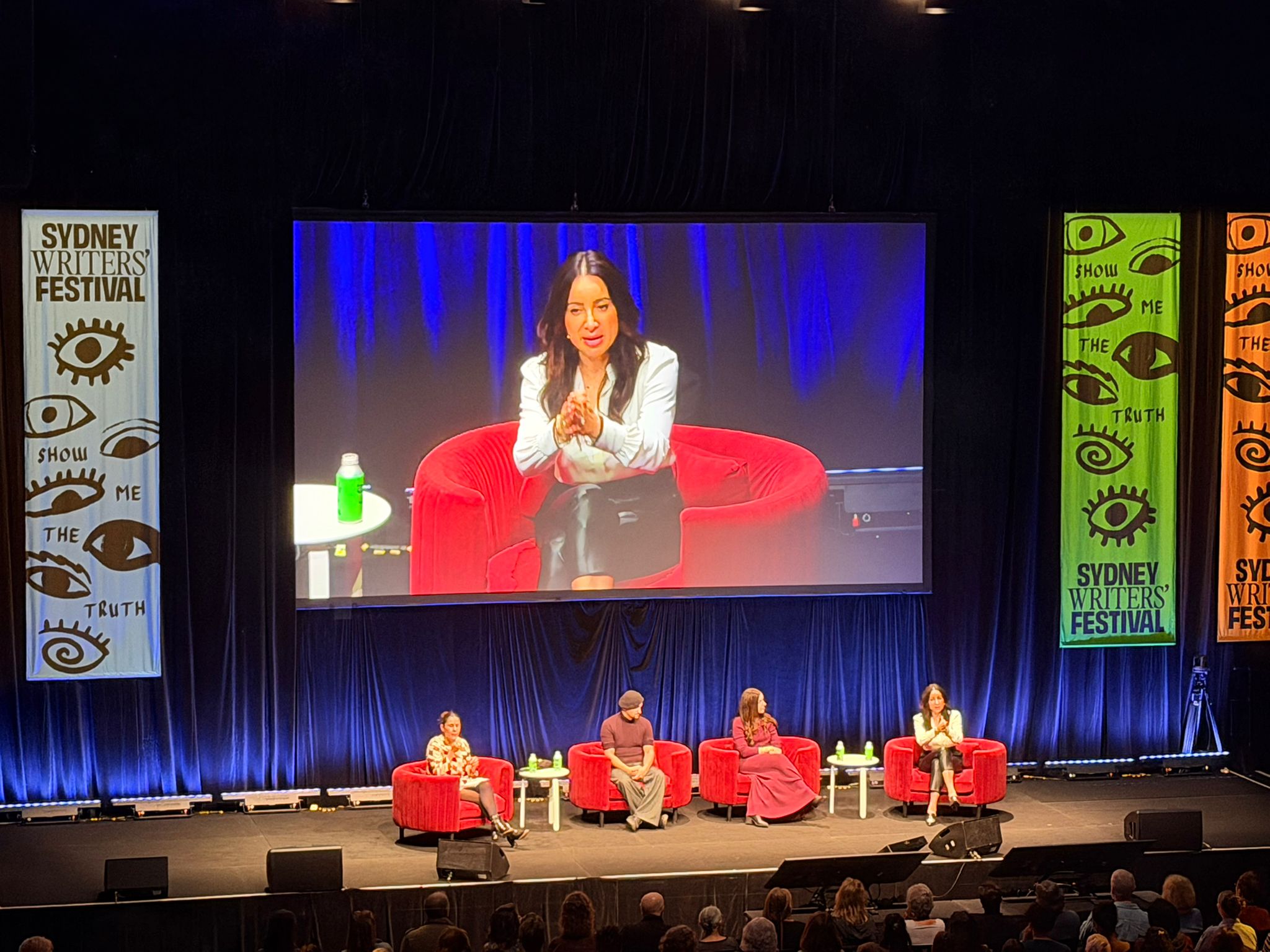
‘Silenced’ the first session my friend Sonali Saxena and I attended on 23 May lingered long after it ended. Listening to voices such as Antoinette Lattouf, Randa Abdel-Fattah and Michael Mohammed Ahmad, made me reflect on who gets to tell stories, whose voices are amplified and whose experiences remain marginalised or unheard. The session traversed identity, censorship, truth-telling and the cost of speaking out – reminding us that silence is not always absence; sometimes it is imposed.
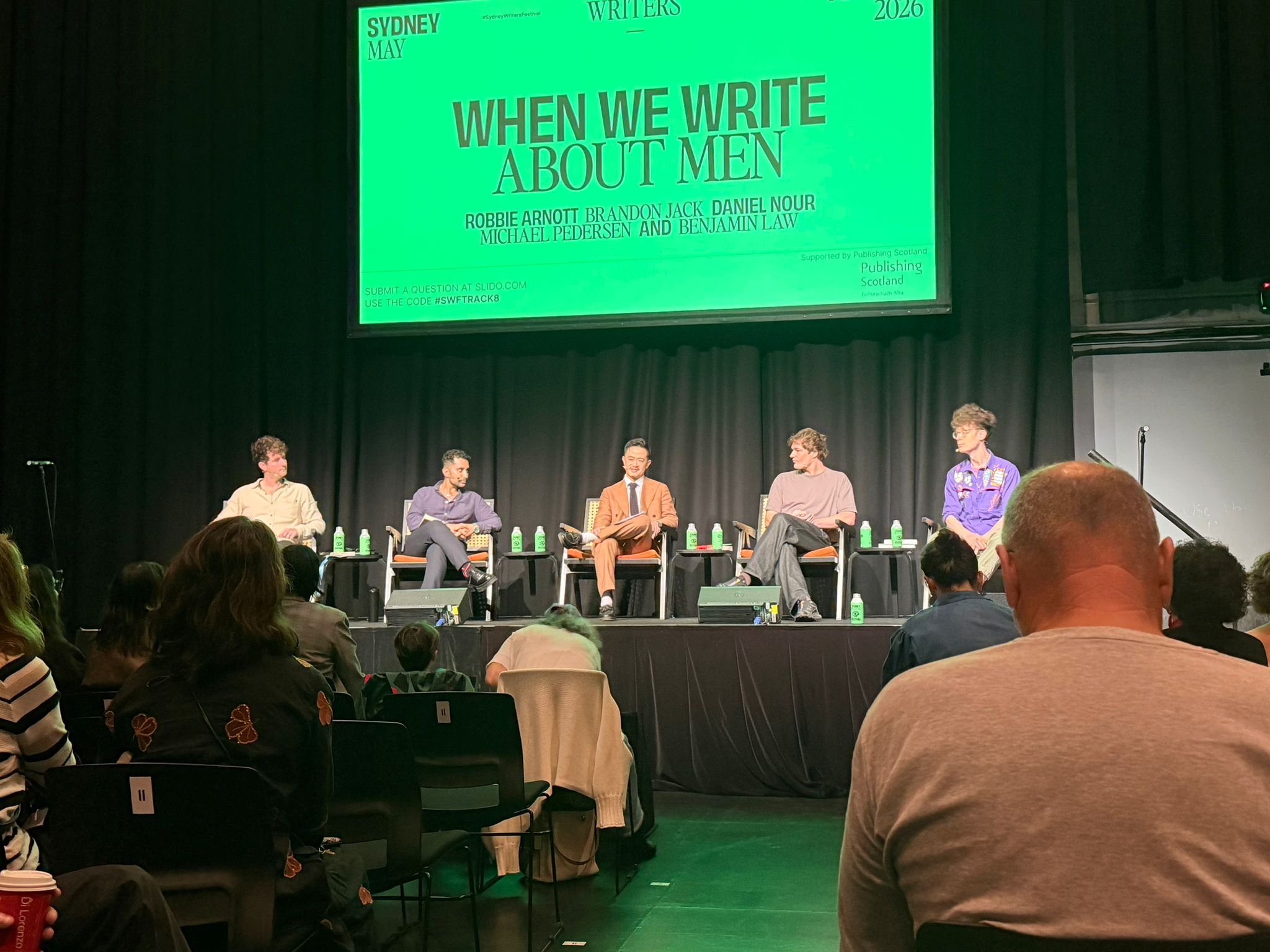
Our day two began with ‘When We Write About Men’, featuring Robbie Arnott, Brandon Jack, Daniel Nour and Michael Pedersen in conversation with Benjamin Law. The session wax not what I expected it to be and I must say I was a little disappointed. However, the session was a reminder that some of the most compelling stories emerge when writers resist, embrace contradiction, tenderness and imperfection.
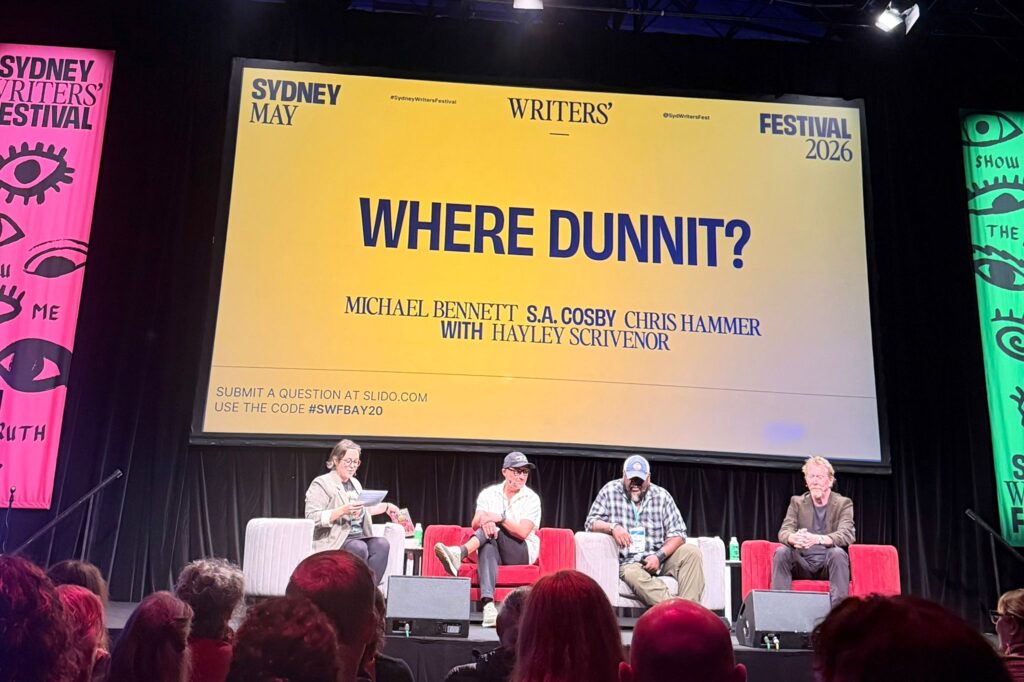
‘Dunnit’ explored mystery writing, the anatomy of suspense and our enduring fascination with secrets. Beyond crime fiction itself, Hayley Scrivenor in with discussion Michael Bennet, S.A. Cosby and Chris Hammer unpacked how writers build suspense while revealing uncomfortable truths about human behaviour. It was a reminder that some of the most compelling stories lie in the tension between what is known and what remains hidden.

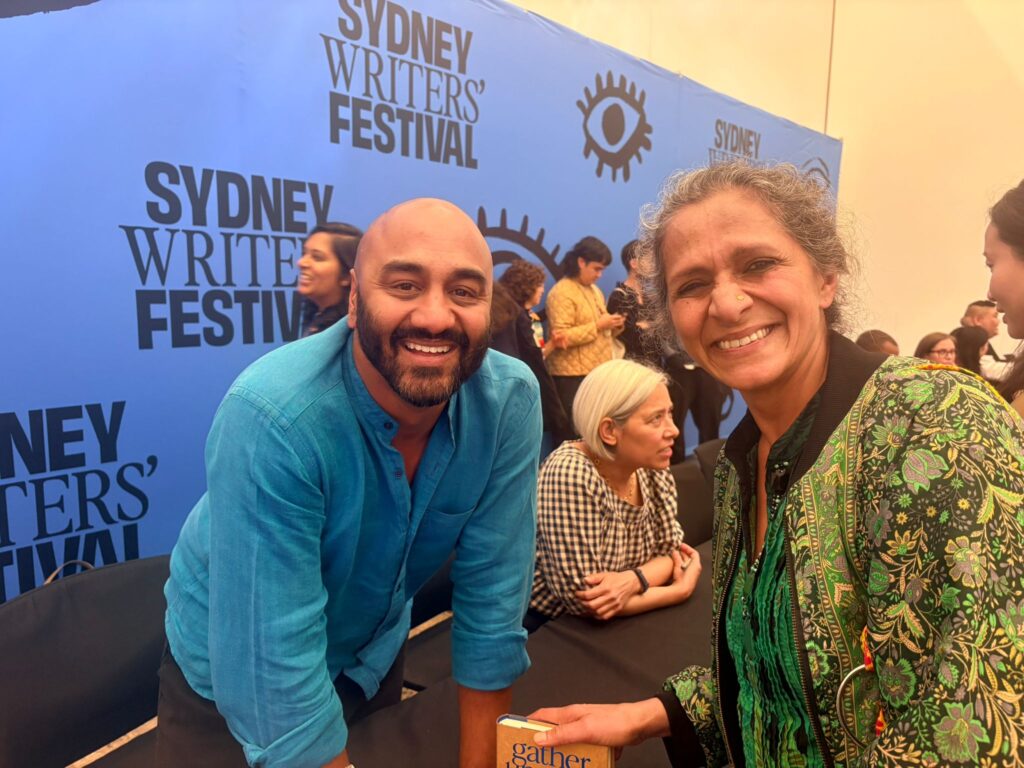
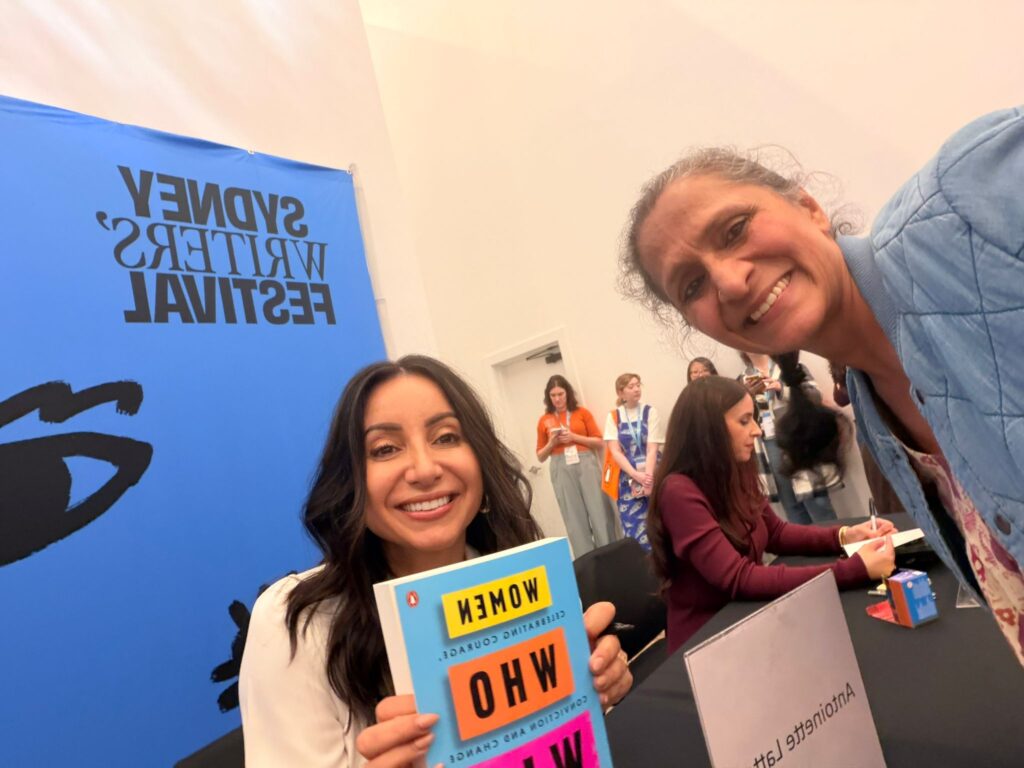
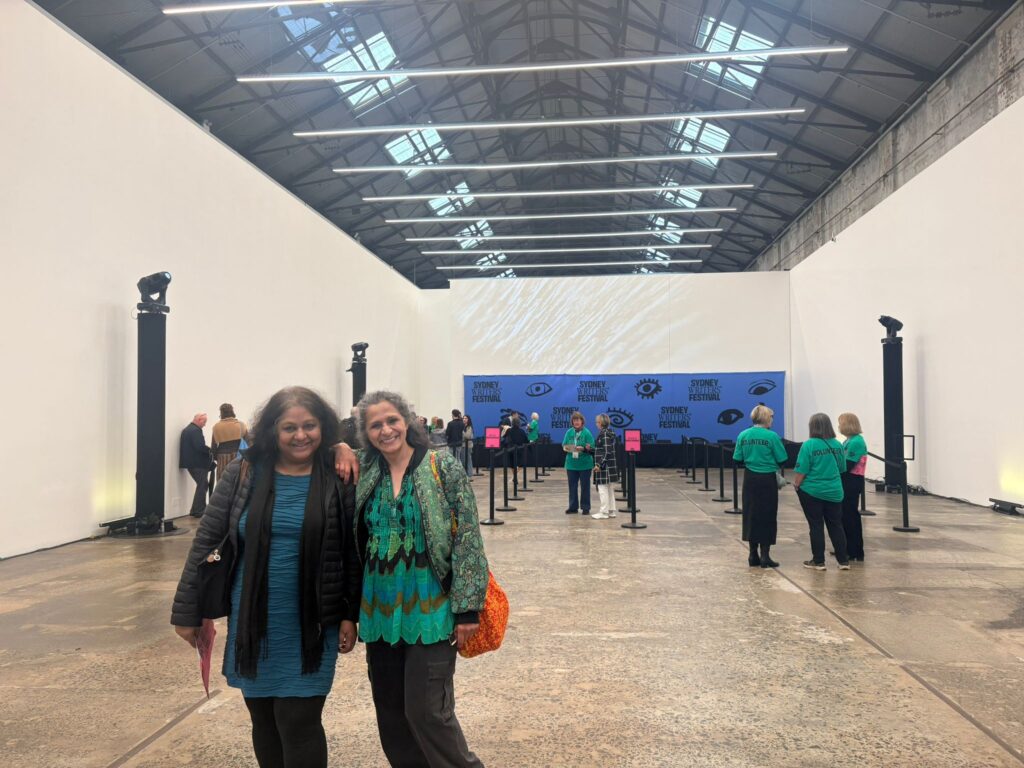
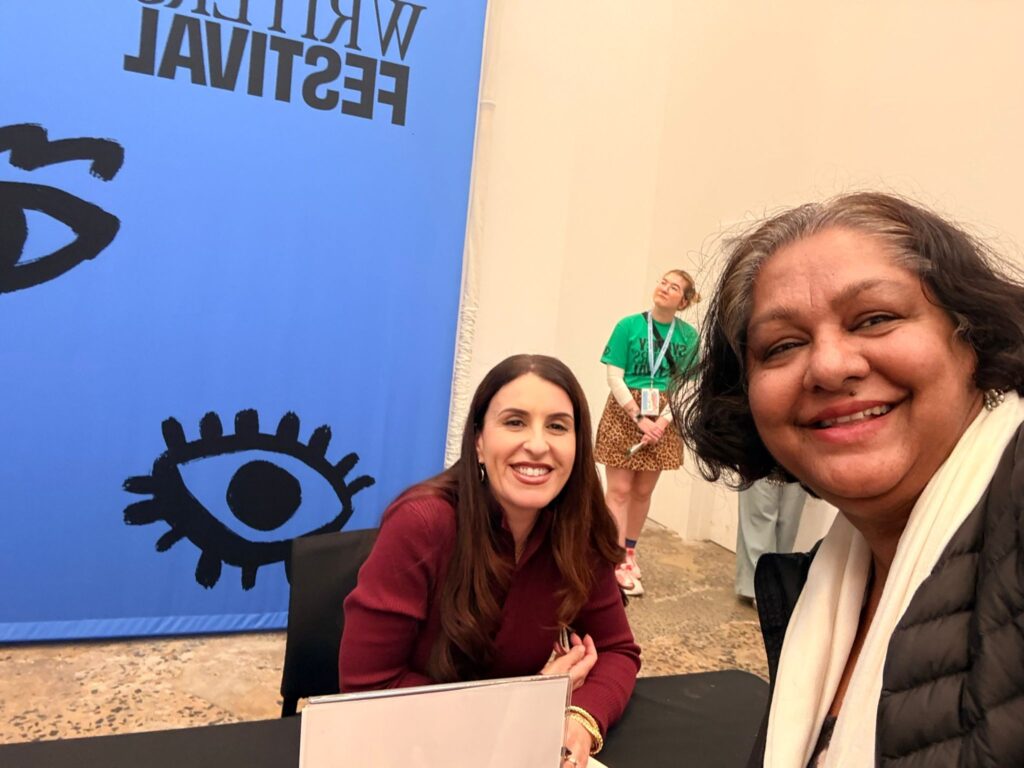
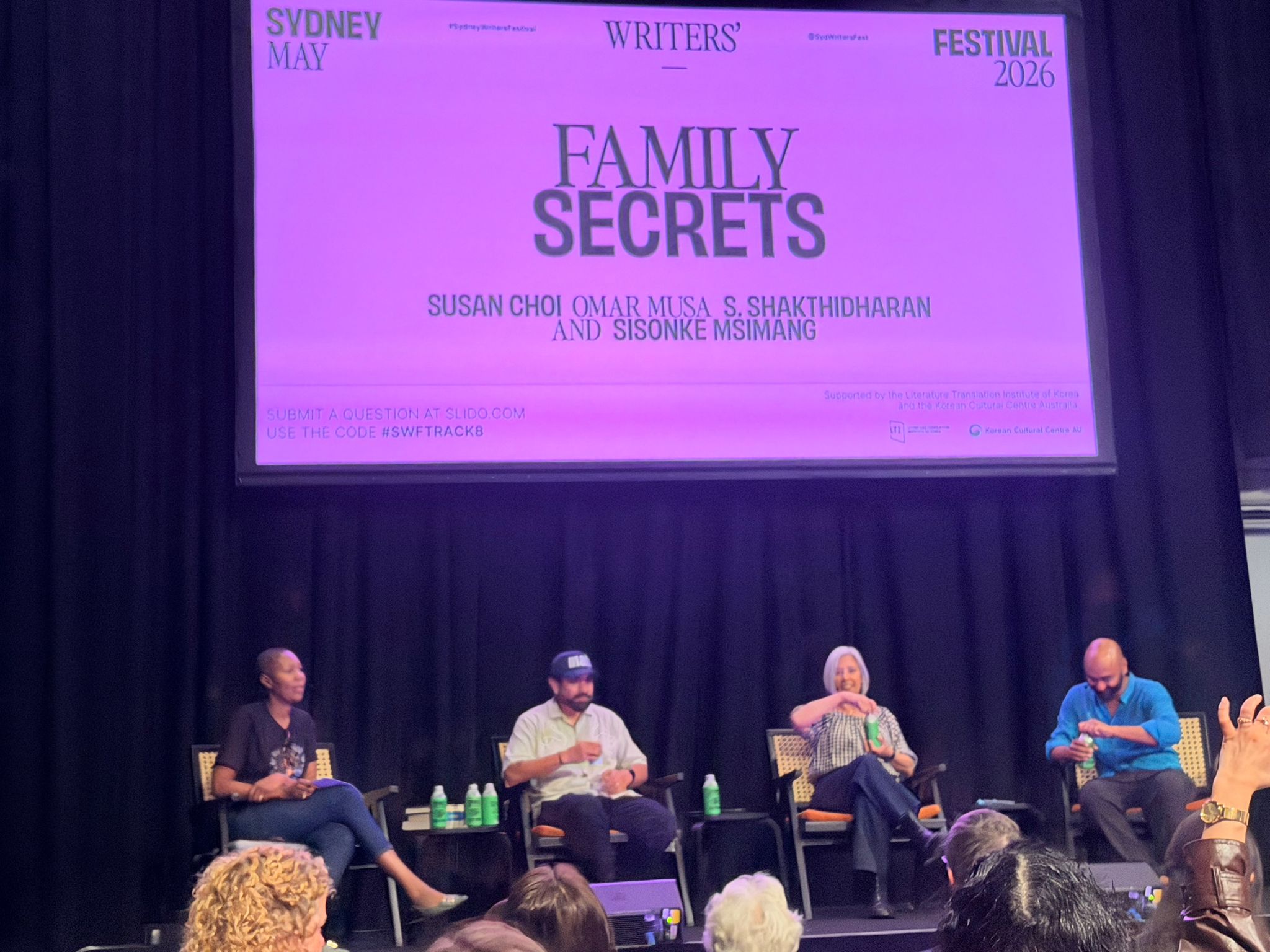
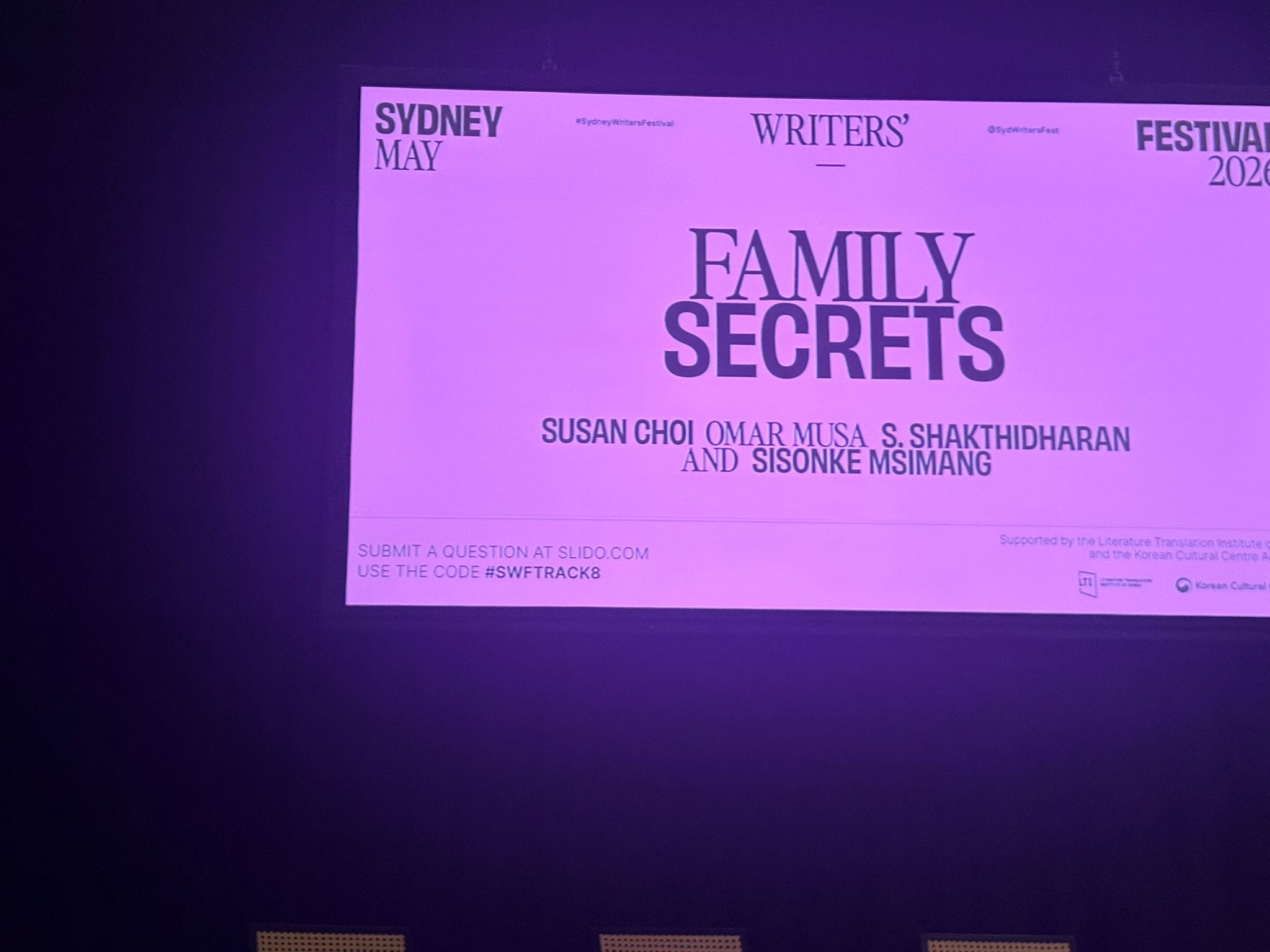
Our last session for the day was ‘Family Secrets’, a session that felt deeply personal in places. The conversations Sisonke Msimang had with Susan Choi, S. Shakthidharan and Omar Musa, traversed memory, migration, intergenerational experiences, the hidden inheritances and secrets families carry. It underscored how families are often shaped as much by what remains unsaid as by what is openly spoken. The confusion, the pain and the adjustments that are often required to manoeuvre through the quagmire of emotions and the emotional baggage that we unwittingly carry, is not just draining, but often life changing too.
Sonali and I left the festival not just with answers, but many questions and points of discussions. This perhaps is the beauty of literary spaces. They challenge you to think differently, look inward and return to everyday life with your mind a little fuller and your perspective slightly altered.
Two days of ideas, stories and conversations – and I walked away reminded by what I have always believed, that books do much more than entertain. They expand us. And perhaps that is what writers do best …… illuminate the things we avoid saying aloud.