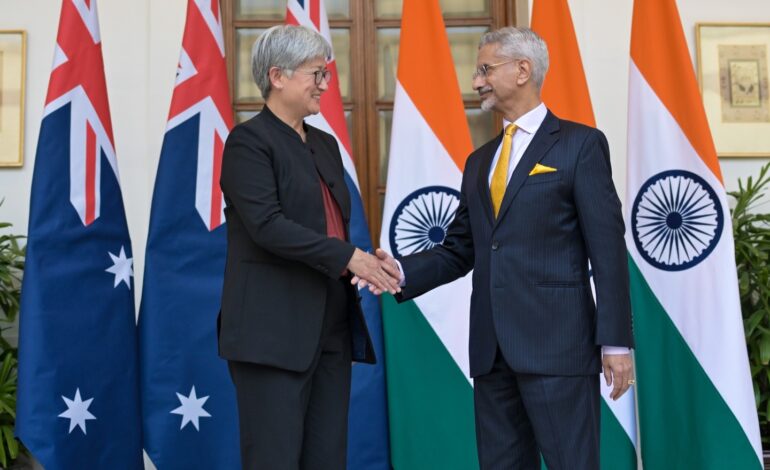
Australian Prime Minister Anthony Albanese has praised the contribution of the Indian community to Australia, saying there should be “no distinction between migrants and Australians” in a multicultural nation built on diversity and inclusion.
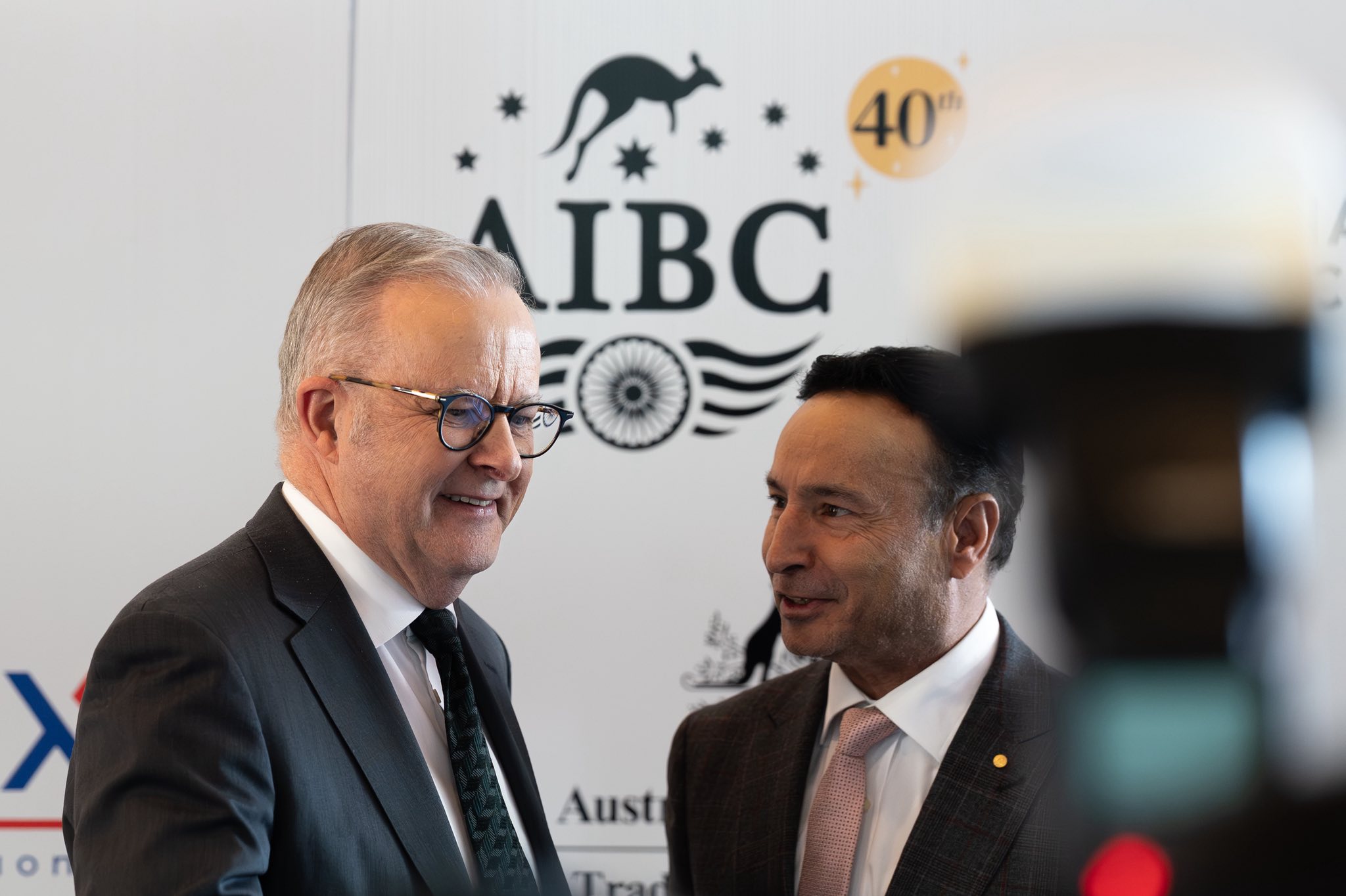
Speaking during an engagement with members of the Indian-Australian community, Albanese highlighted the important role migrants continue to play in shaping Australia’s economic growth, cultural identity and social development. He said multiculturalism remains one of the country’s greatest strengths.
The Prime Minister acknowledged the significant contribution of Indian-Australians across sectors including business, education, healthcare, technology and public service, noting the community has become an integral part of modern Australian society.

Albanese also spoke about the growing relationship between Australia and India, describing the partnership as one of the most important strategic and economic relationships in the Indo-Pacific region. He said people-to-people connections continue strengthening ties between both nations.
The Indian community is currently one of the fastest-growing and most influential multicultural communities in Australia, with strong representation across major cities including Sydney, Melbourne, Brisbane and Perth. Community festivals, businesses and cultural organisations continue contributing significantly to Australia’s multicultural landscape.
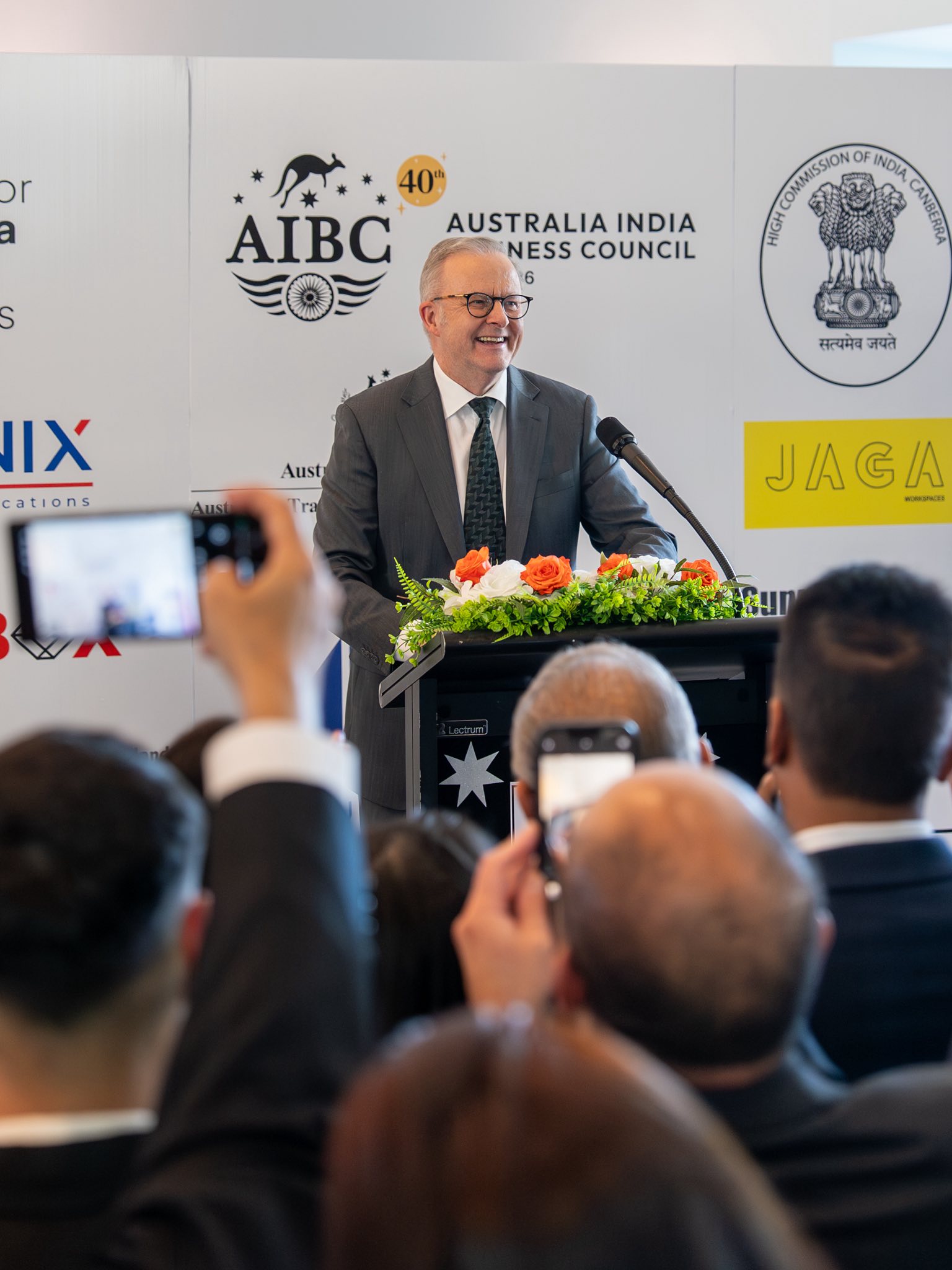
During his remarks, Albanese emphasised the importance of inclusion, equality and opportunity, saying Australia succeeds when people from different backgrounds feel welcomed, respected and supported. He also reaffirmed the government’s commitment to maintaining a strong multicultural society.
The Prime Minister’s comments were widely welcomed by community leaders and attendees, many of whom highlighted the increasing role of Indian-Australians in strengthening bilateral ties, educational exchange and economic cooperation between Australia and India.

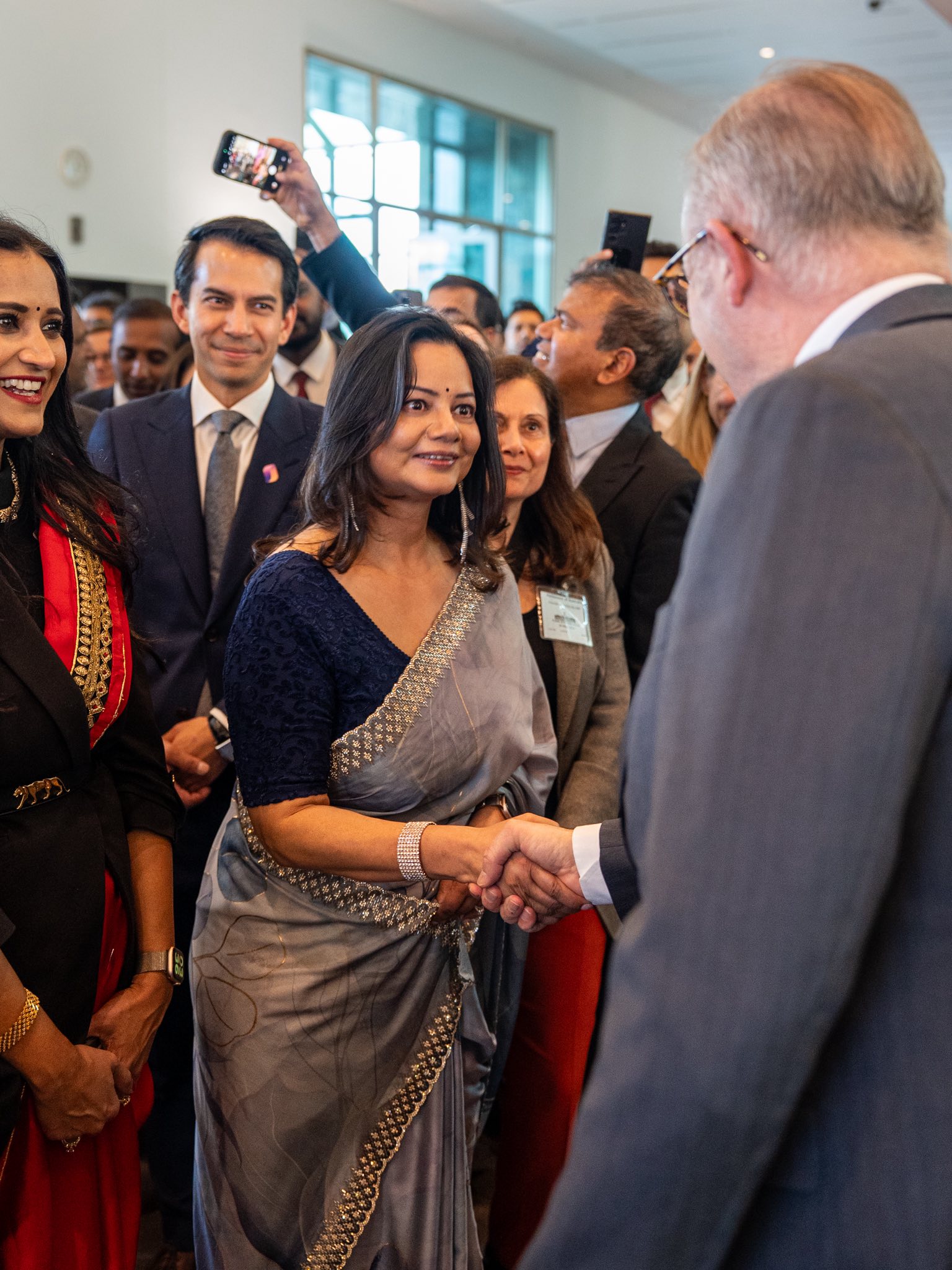
Australia and India have continued deepening cooperation in recent years through expanded trade, defence partnerships, migration programs and education links, while the Indian diaspora remains an important bridge between both countries.