
I often hear women say they love sarees but hate making pleats. Increasingly, the answer seems to be the pre-stitched saree-a garment that promises the appearance of a saree without the effort of draping one.
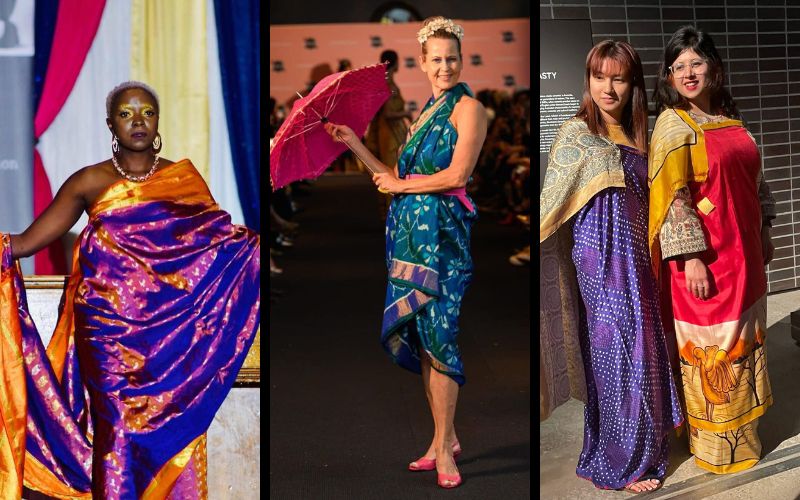
Yet I find myself asking: what is the point of a saree if we no longer drape her?
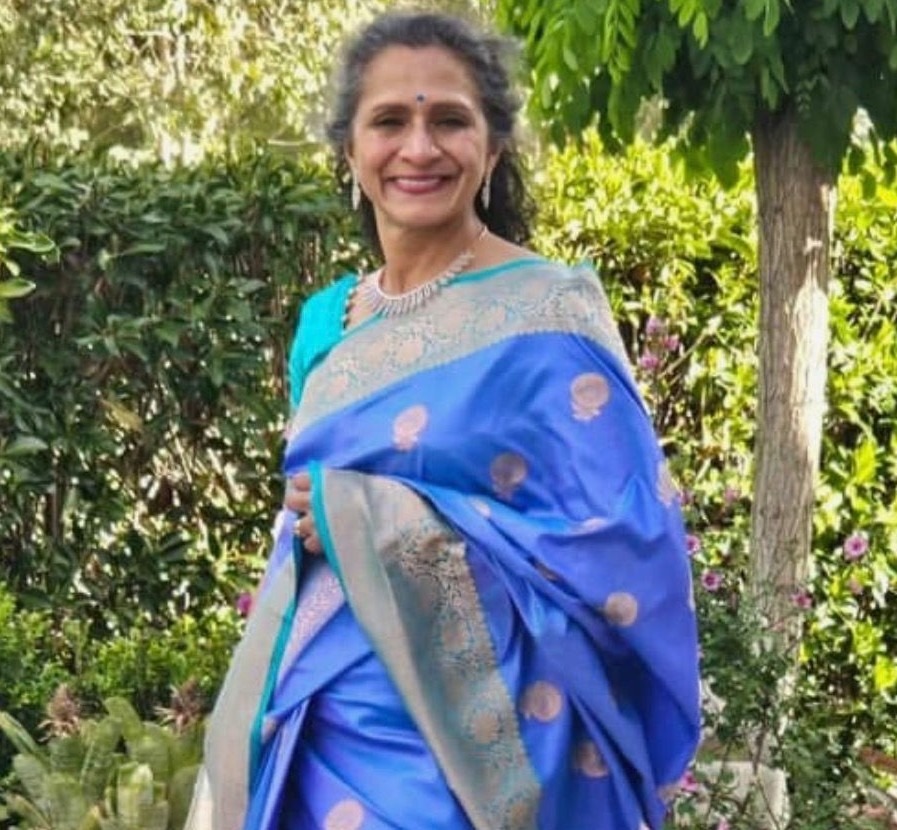
The saree is not merely a piece of clothing. She is an experience. She is six yards of fabric that comes alive through touch, movement and personal expression. When you drape a saree, you engage with her. You feel her texture beneath your fingers. You shape her, fold her, pleat her and allow her to settle around your body. In that process, a relationship is formed between the wearer and the garment.
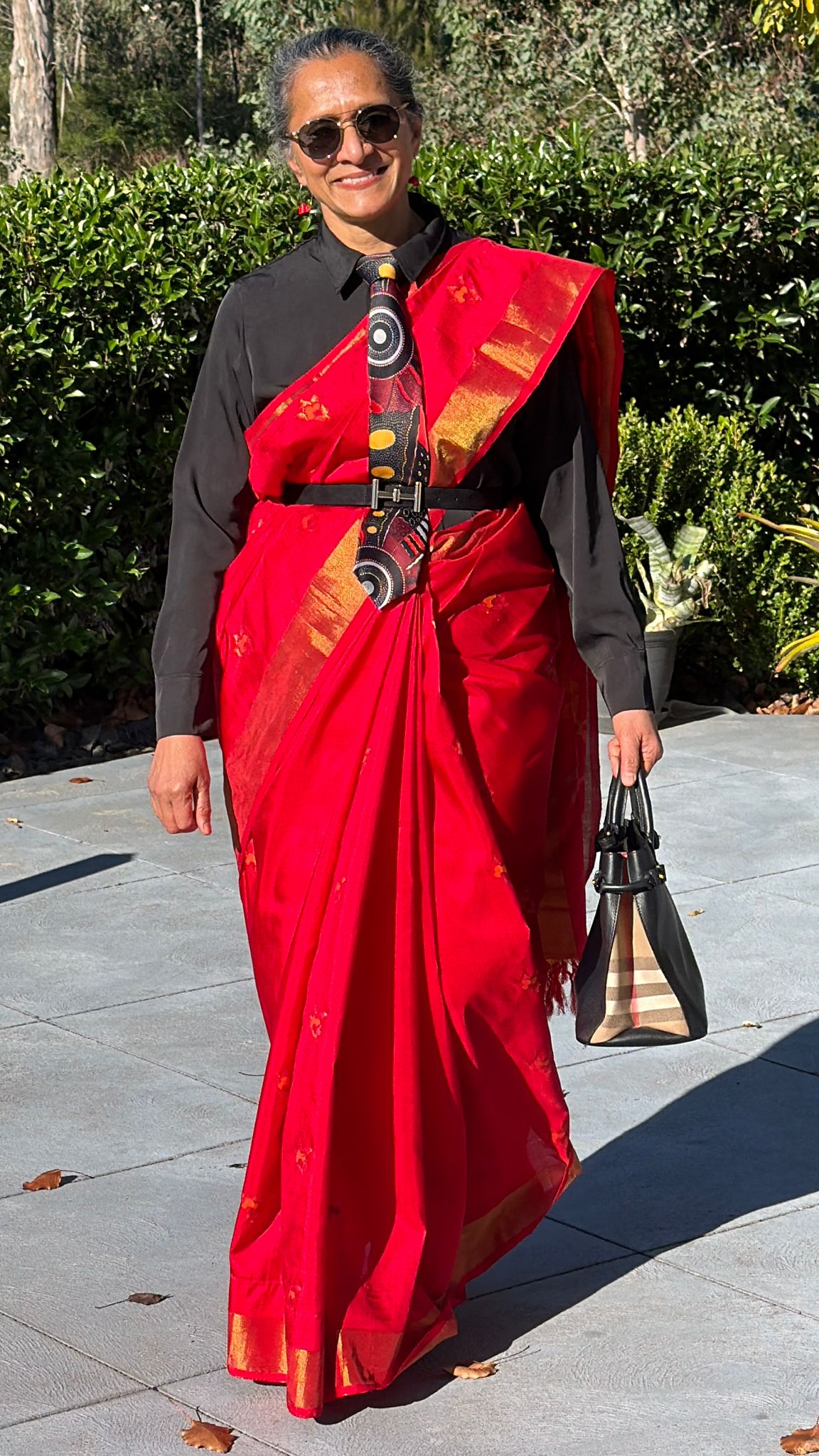
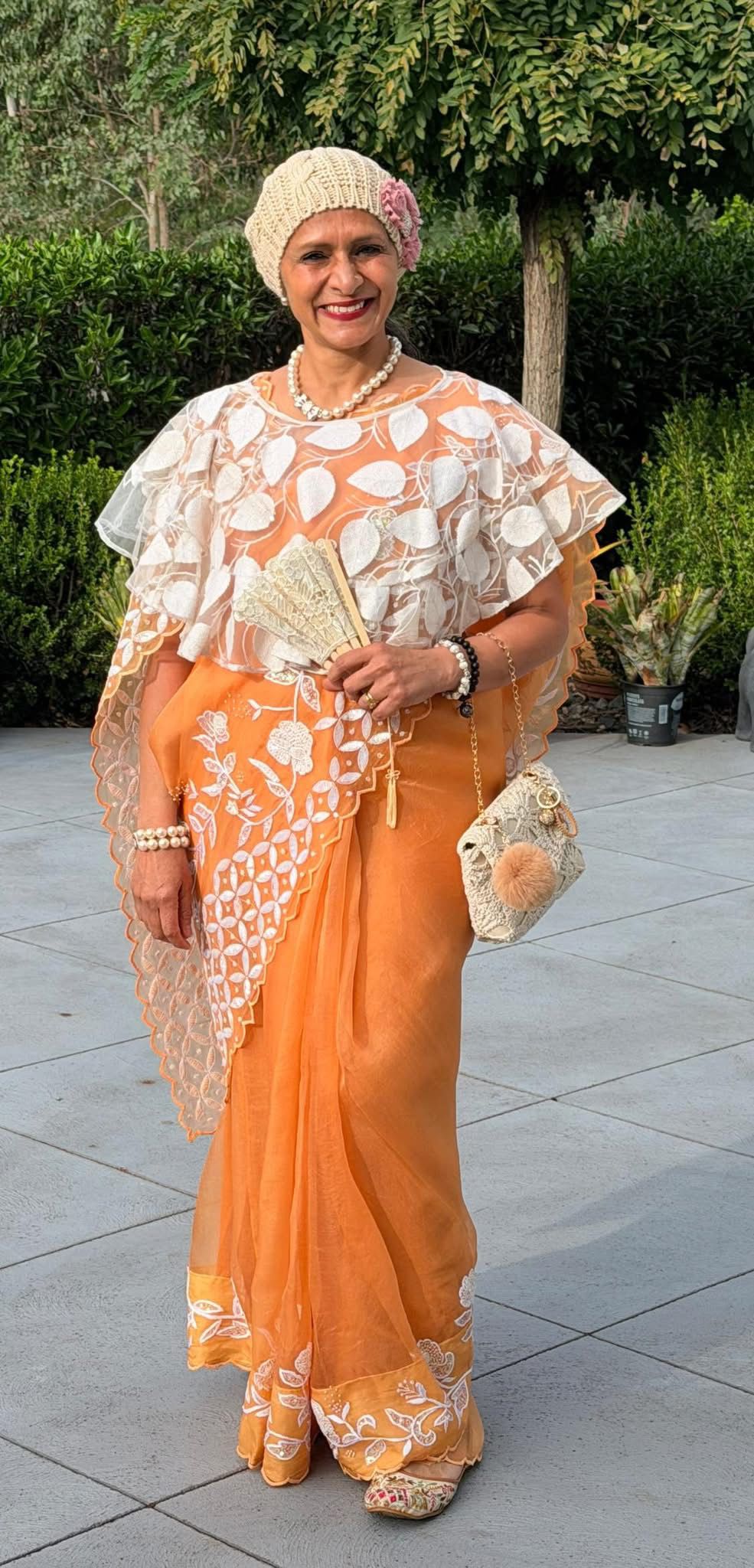
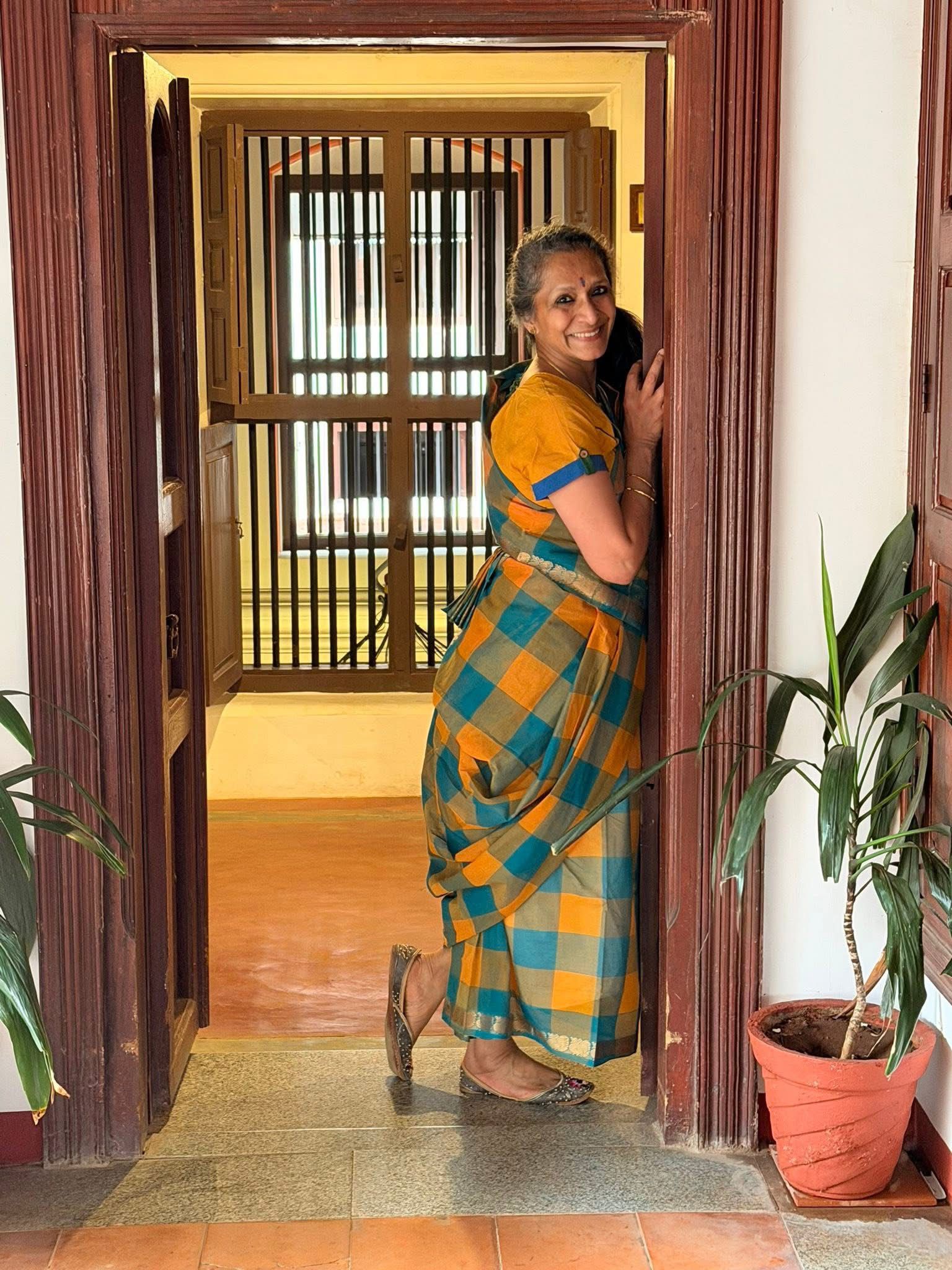
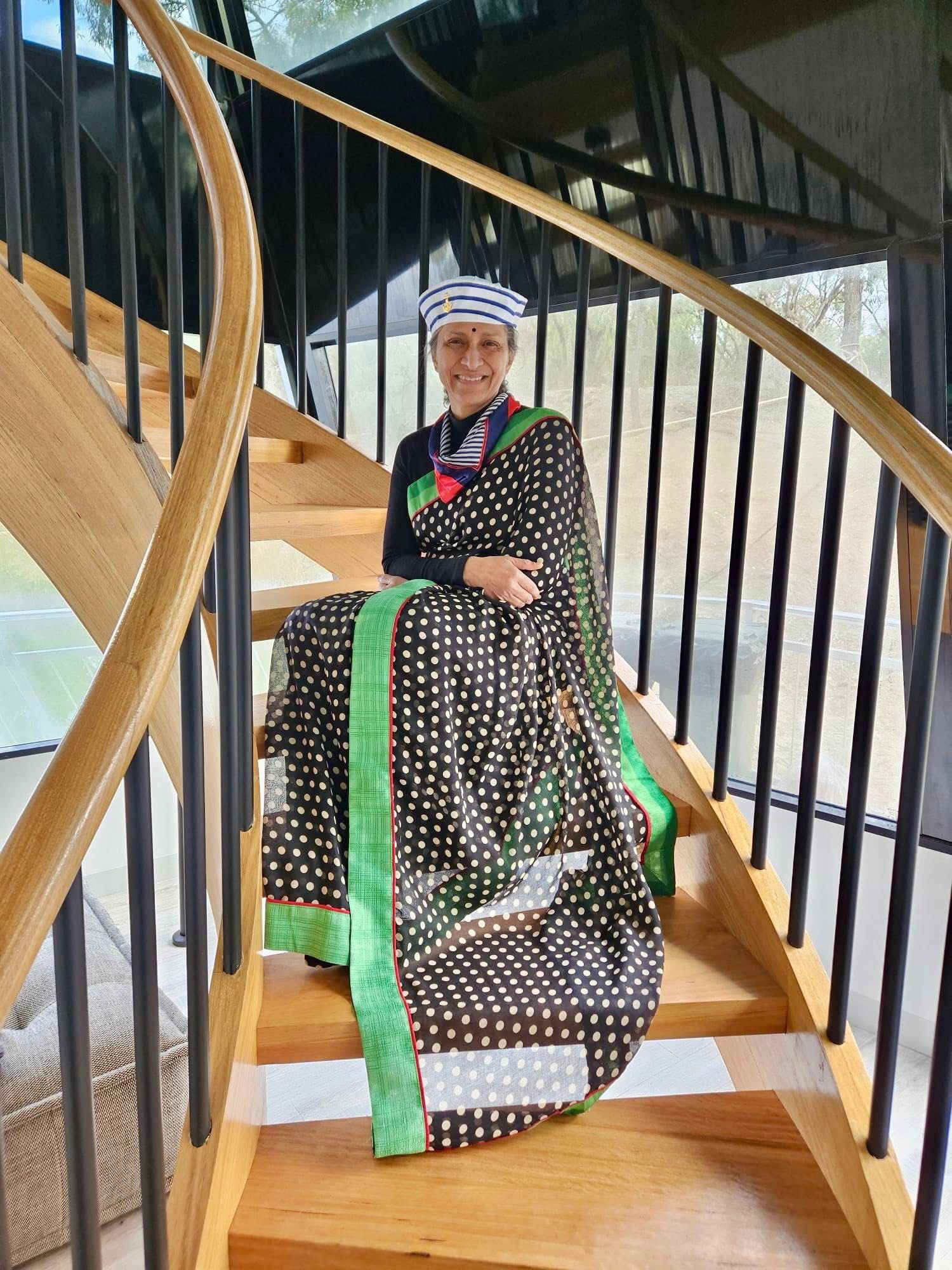
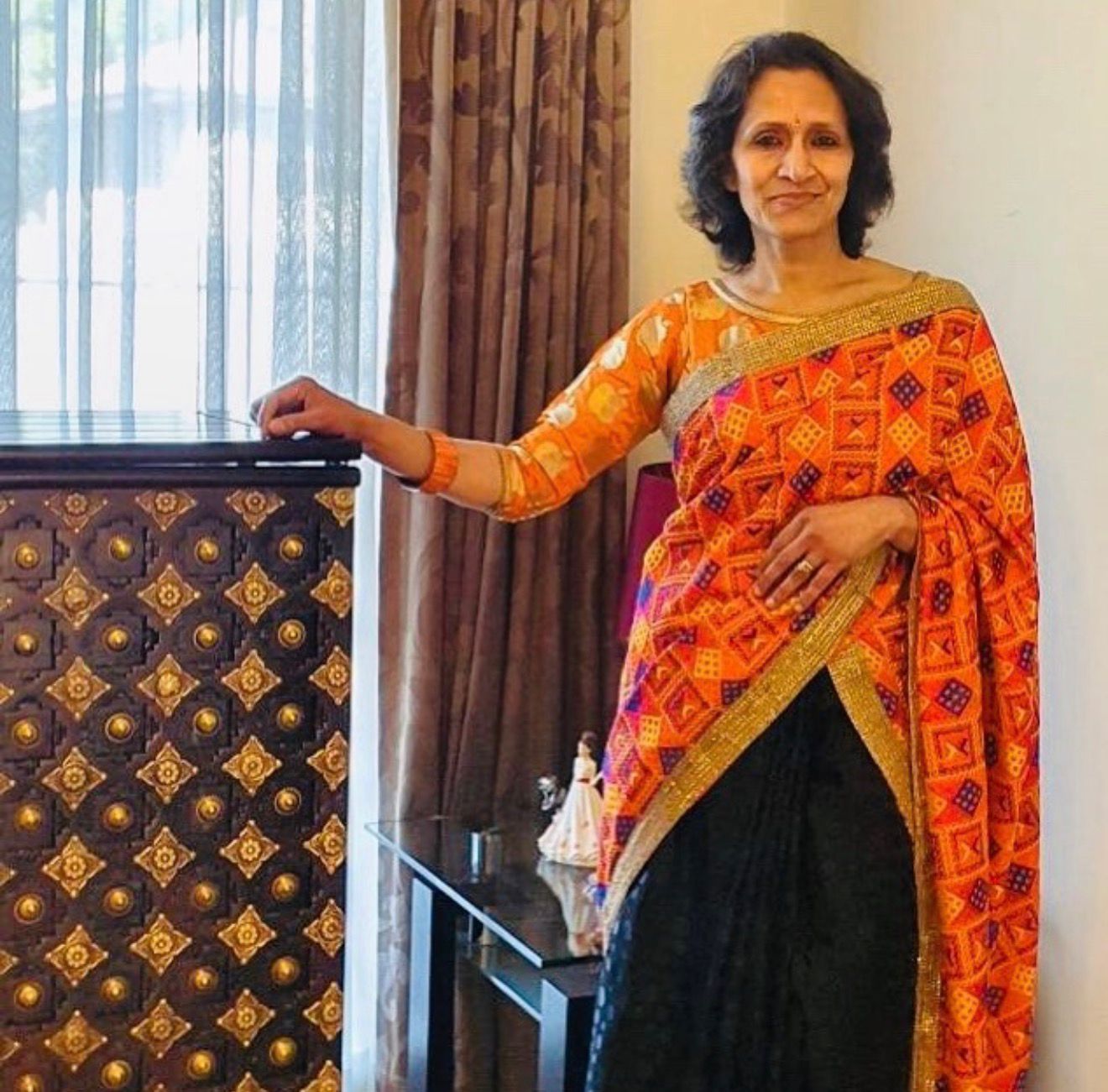
A pre-stitched saree removes that relationship. Instead of the saree flowing over you, you fit into a predetermined shape. Instead of adapting to your body, your body is asked to be measured to adapt to her. To me, that feels like water trapped within concrete walls when it was born to flow as a river.
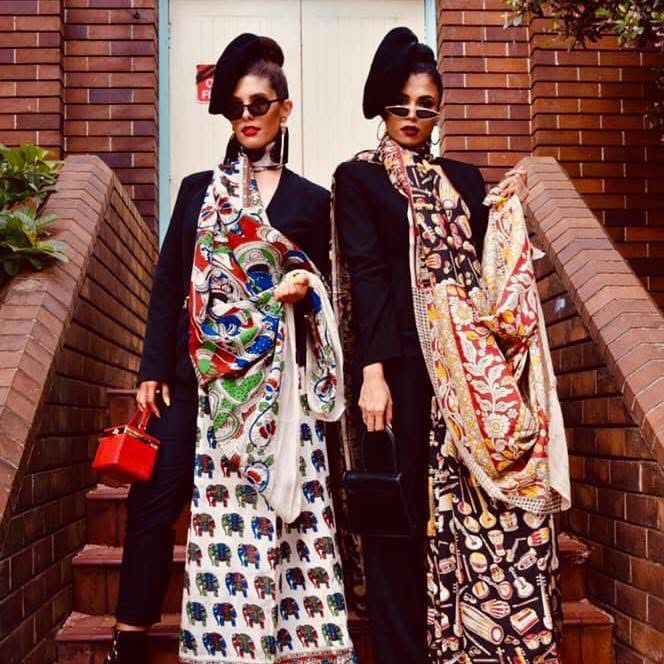
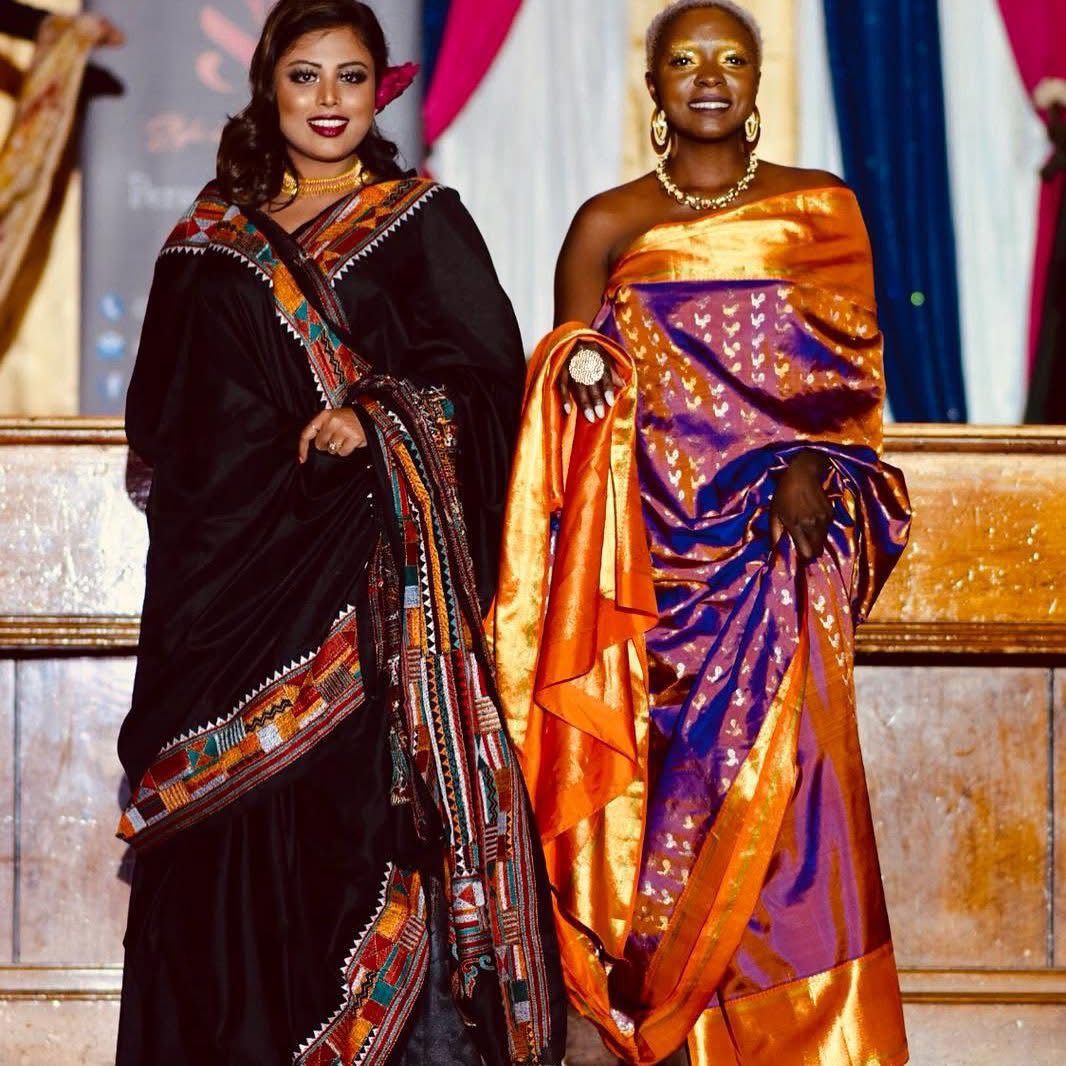
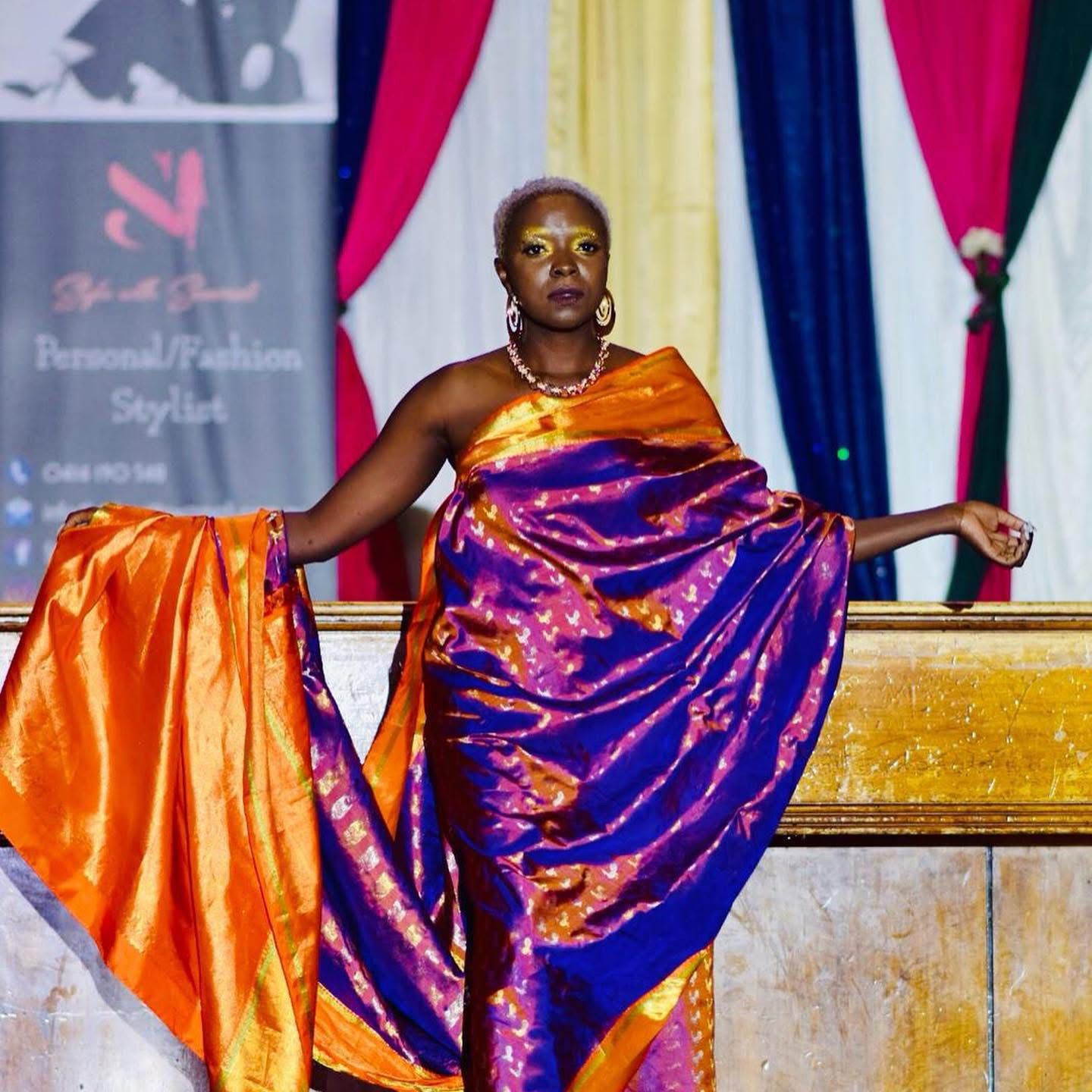
The beauty of a saree lies in her freedom. She has no fixed form and can be draped in countless ways adapting styles across regions, culture and generations. The saree evolves with the woman who wears her. Every pleat tells a story, every drape reflects a personality, and every style carries a history. The pleats are meant to be made by the hand that tucks them in as she is being draped. To confine such a garment with permanent stitches, buckles, and zippers is to deny her very essence.
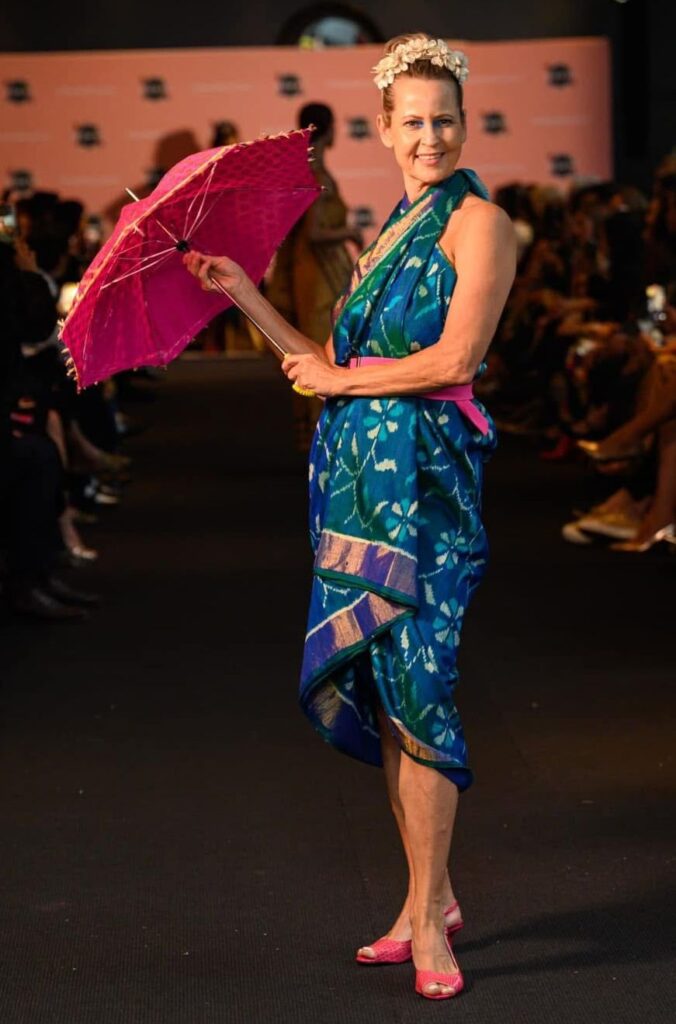
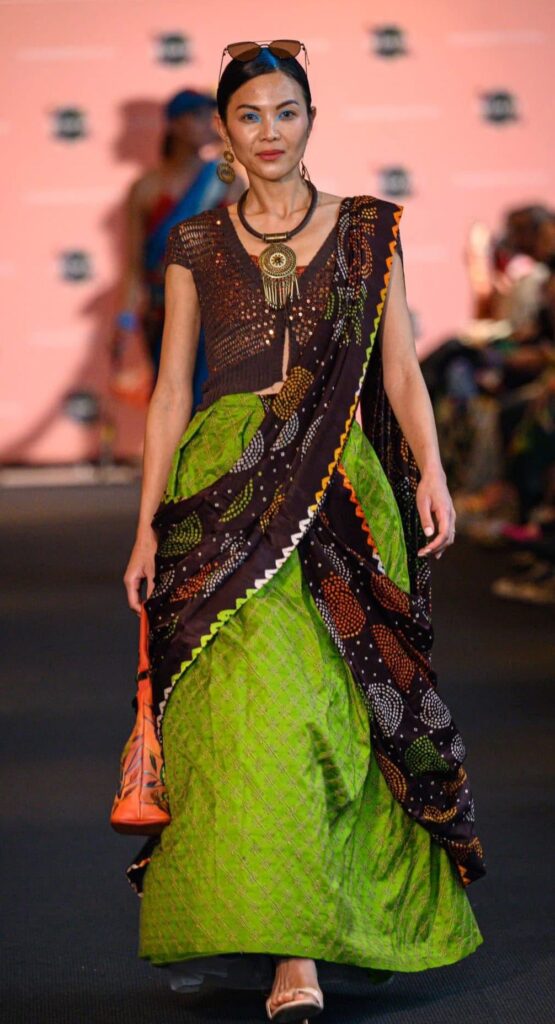
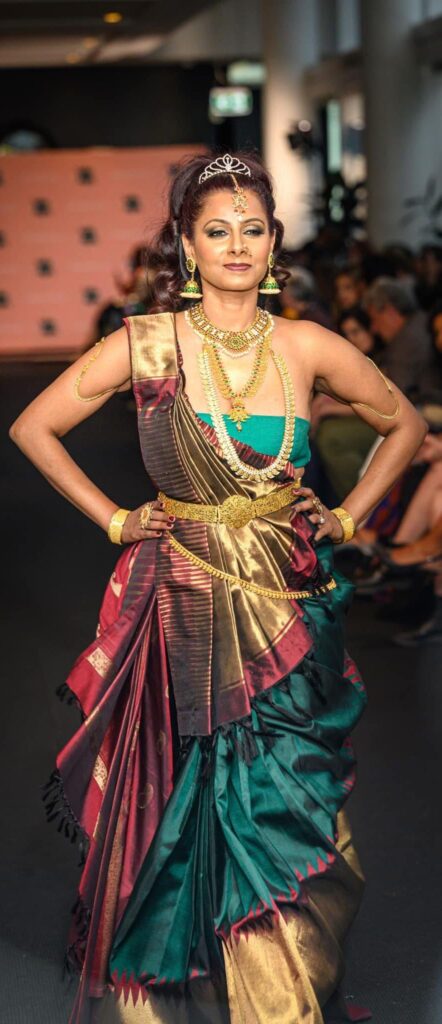
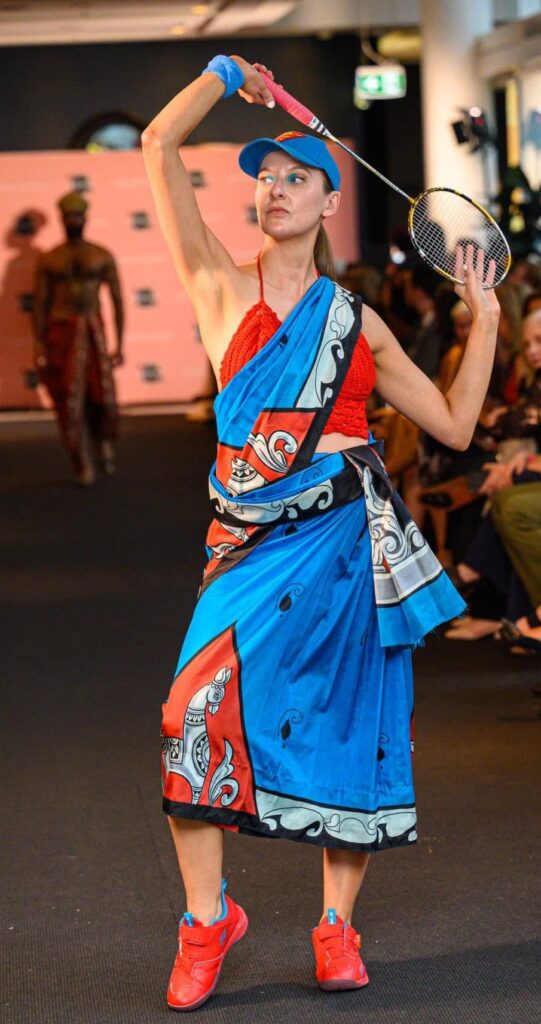
There are, after all, countless garments designed to be zipped, buttoned, buckled or fastened into shape. Gowns, dresses, jumpsuits, and skirts already serve that purpose beautifully. The saree occupies a different space altogether. Her uniqueness lies precisely in the fact that she is unstructured. She is one of the few garments in the world that begins as a length of fabric and becomes whatever the wearer wishes her to be.
What makes the saree extraordinary is that she belongs to every woman. She transcends age, size, height and body type. She is perhaps the most democratic garment ever created. A saree does not discriminate – she flatters the petite and the tall, the young and the old, the curvy and the slender alike. Rather than forcing women into a prescribed silhouette, she celebrates the body as it is.

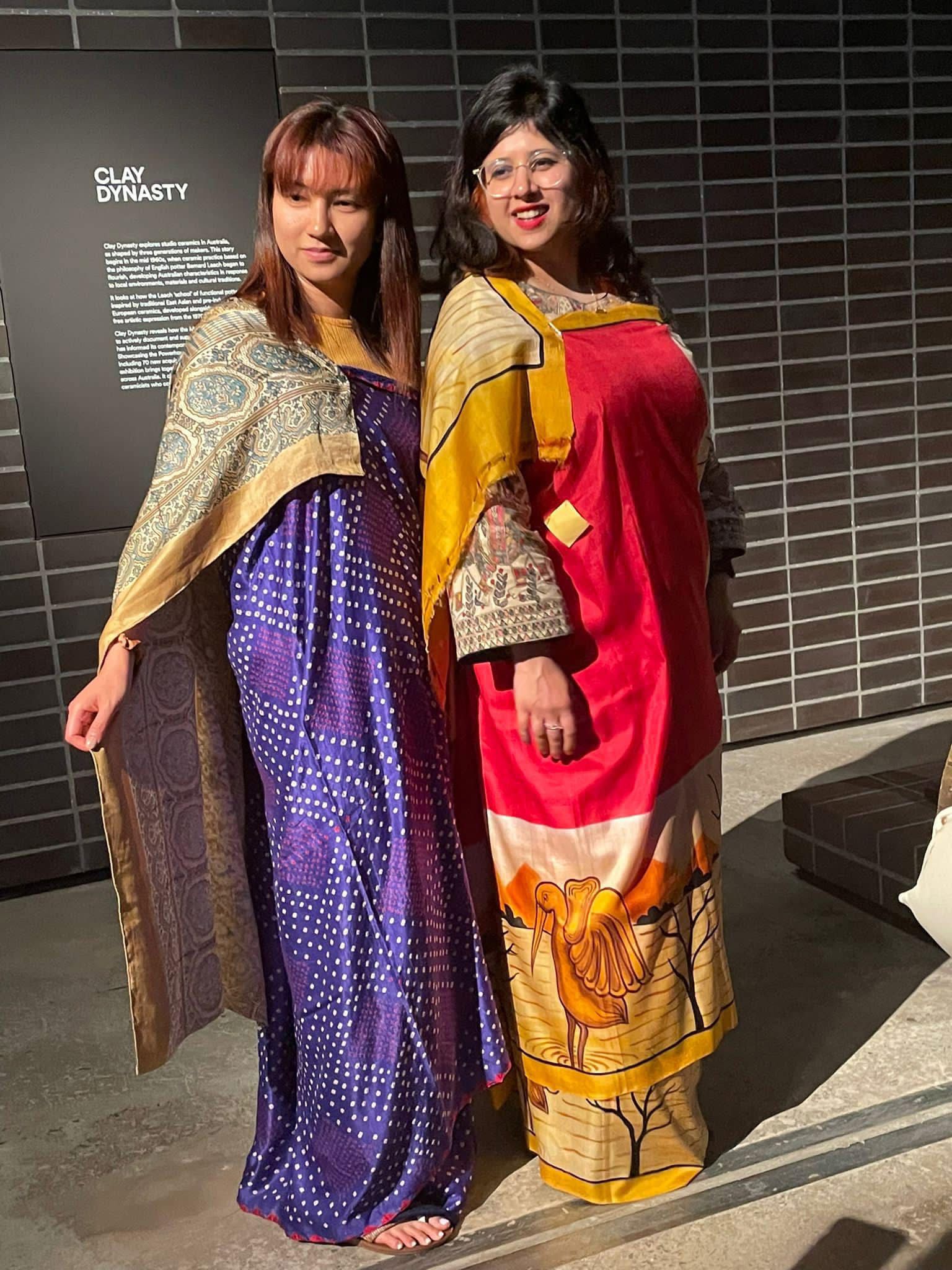
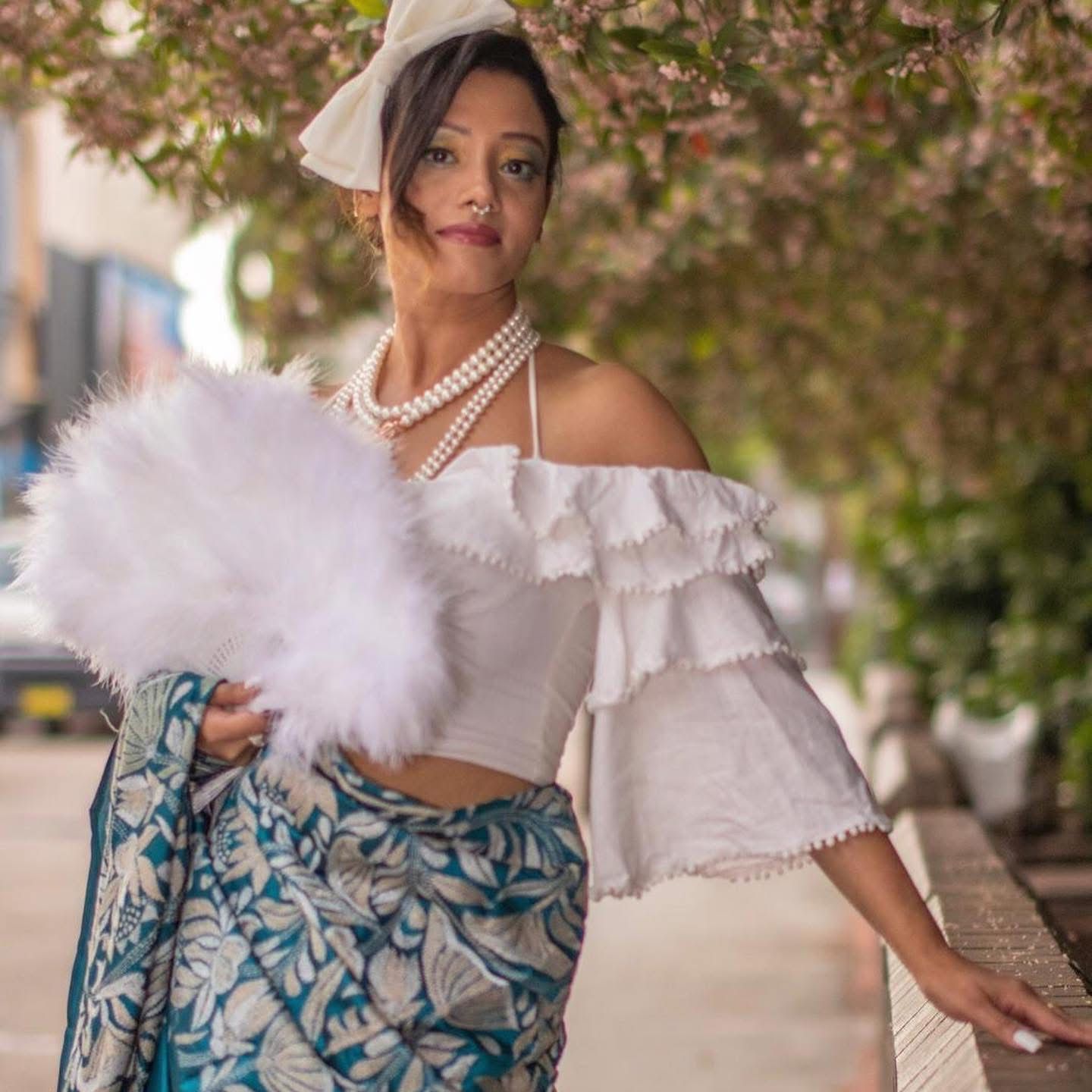
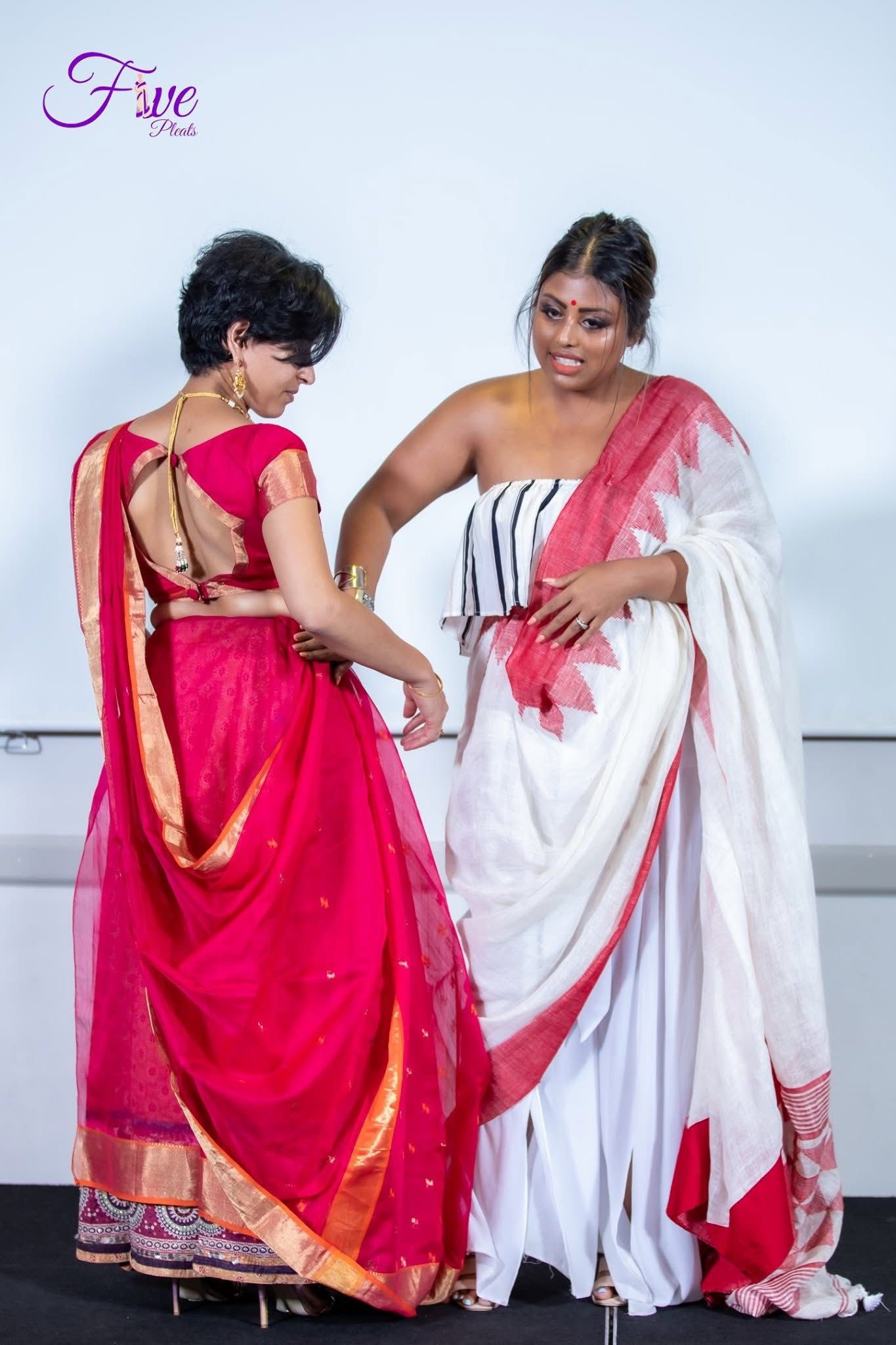
There is also something wonderfully mysterious about a saree. Her elegance lies in suggestion rather than revelation. She carries grace in her folds and confidence in her drape. She reveals and conceals in equal measure, creating a timeless allure that no stitched garment can truly replicate.
The saree’s greatest strength is her versatility. There is no single correct way to drape her. Across India and the world, women have created hundreds of draping styles, each reflecting local traditions, practical needs, and personal identities. The saree has survived for centuries precisely because she has remained free.
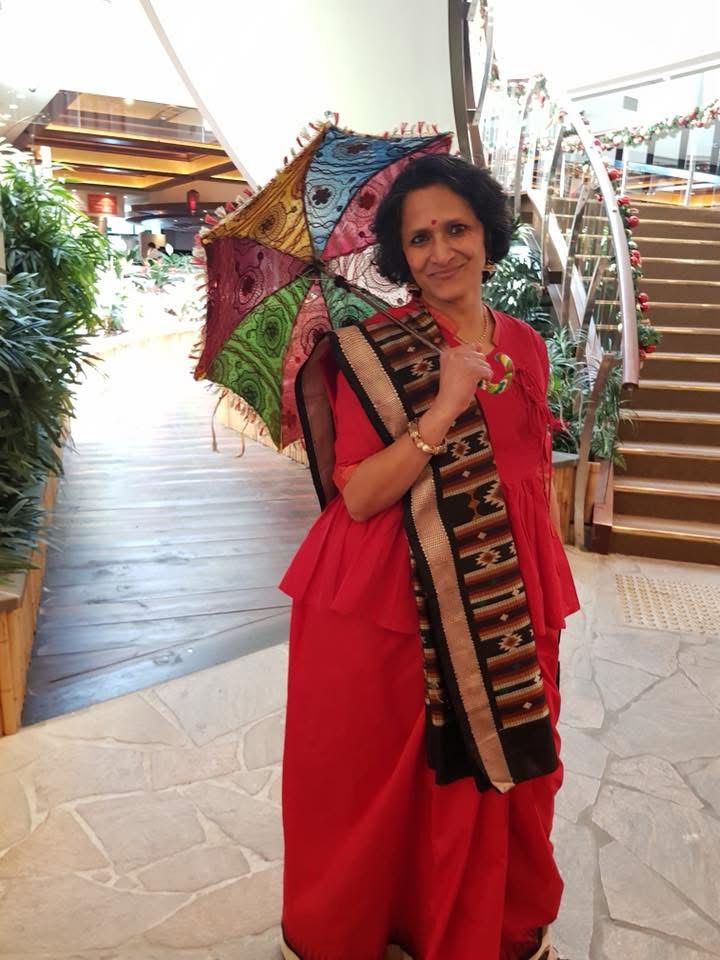
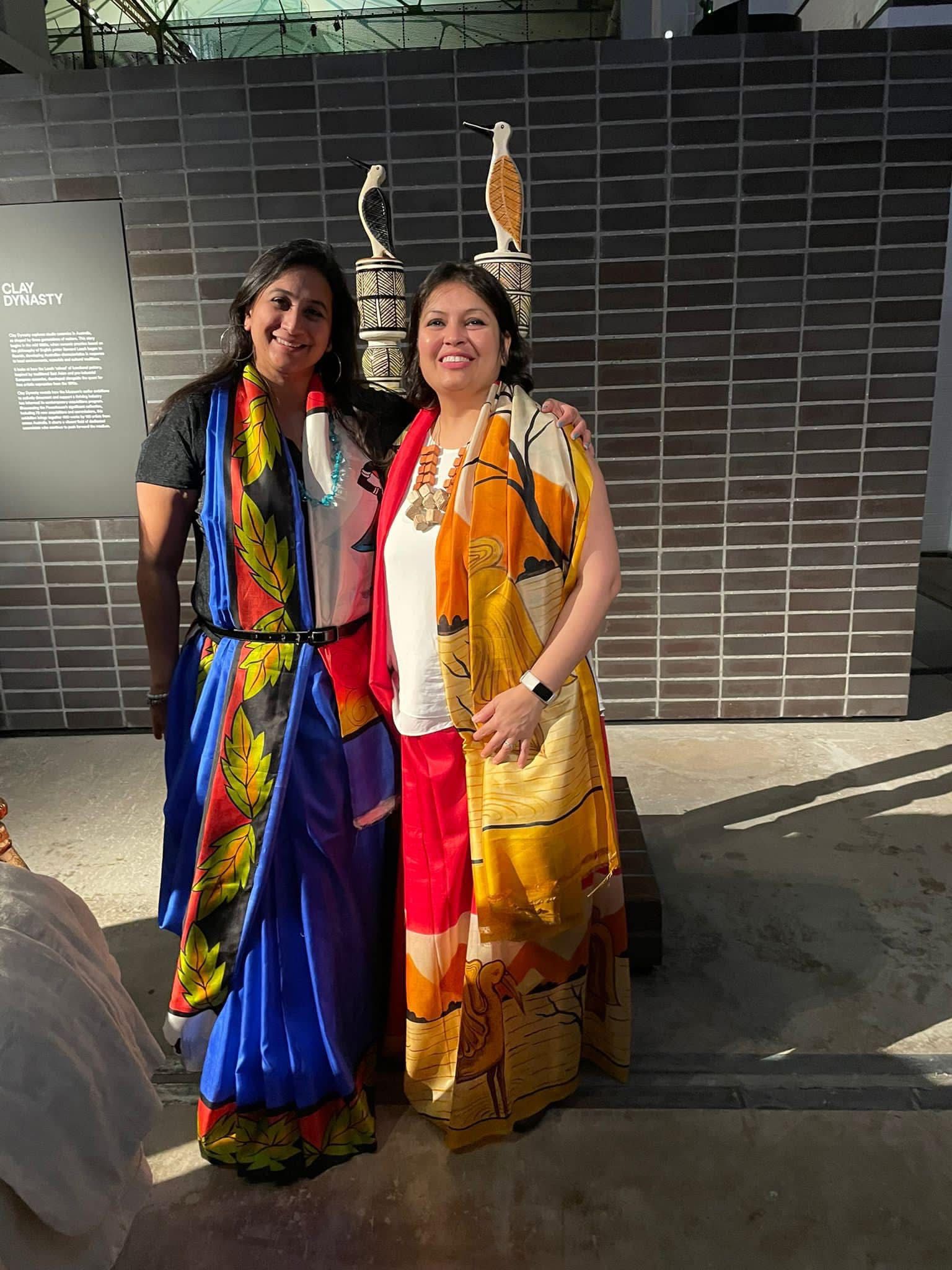
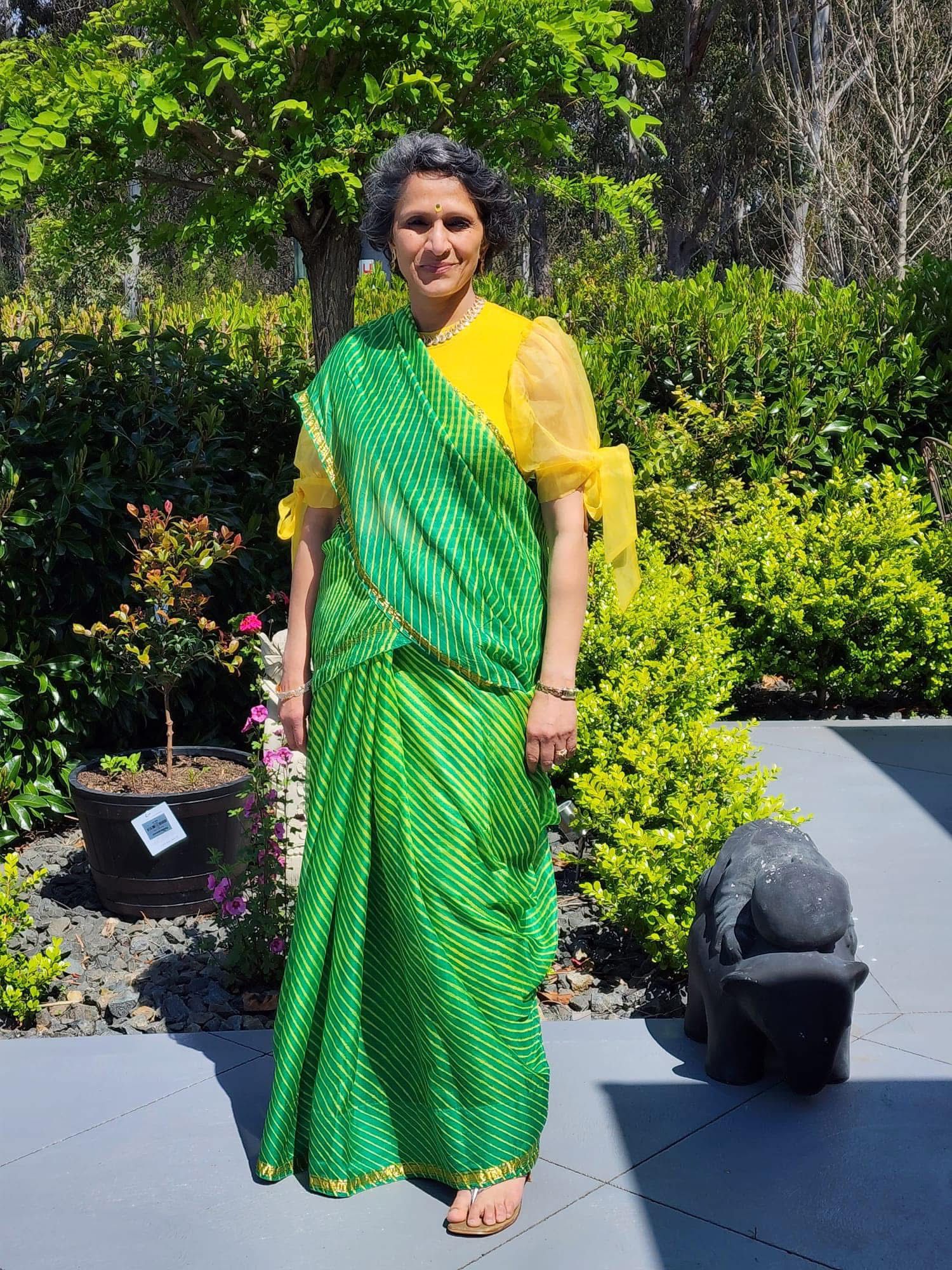
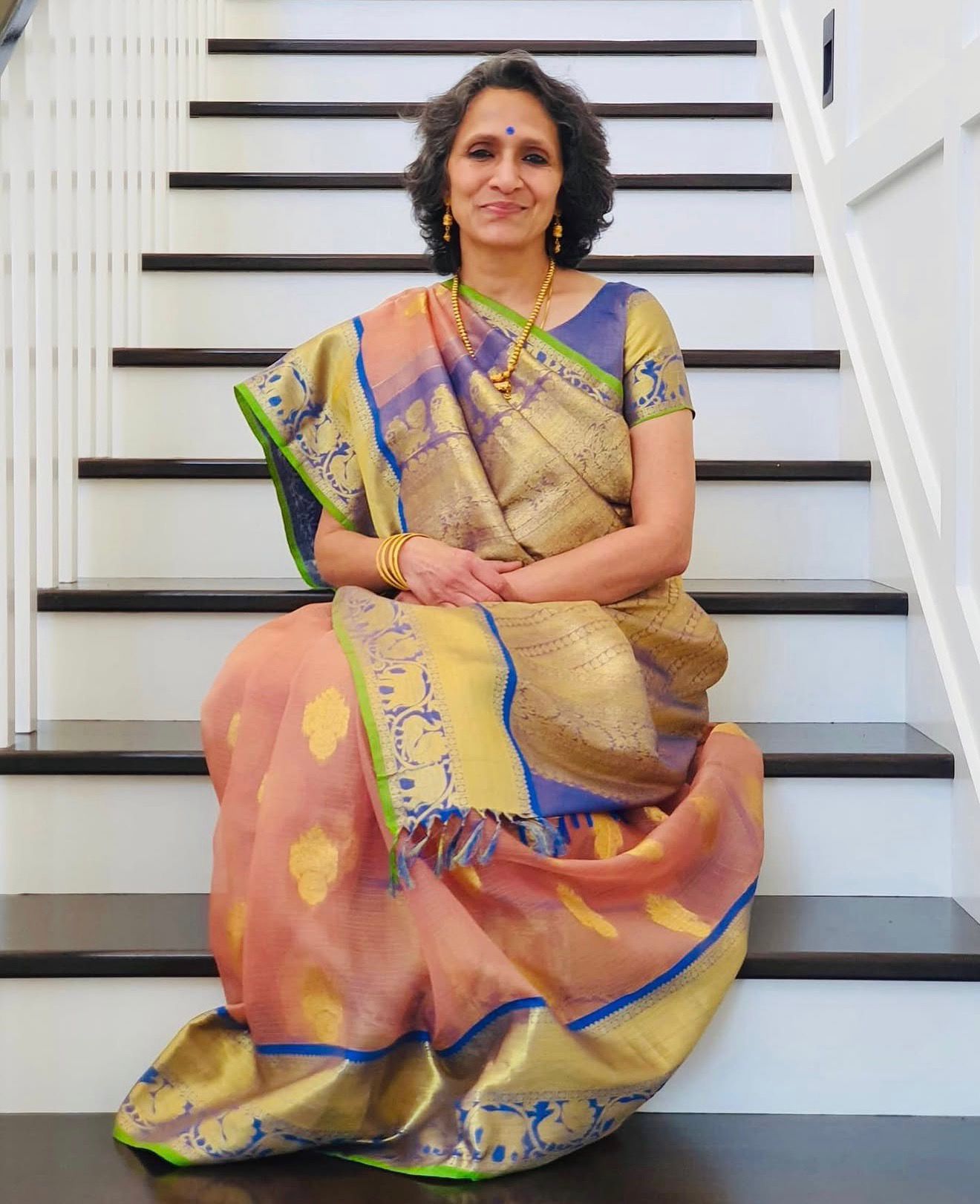
That is why it saddens me to see her increasingly trapped in stitches and reduced to a fixed form. When we buckle her, zip her and pre-shape her, we may preserve her appearance, but we risk losing her spirit.
The saree is not simply something to be worn. She is something to be experienced. And perhaps that experience-the ritual of pleating, draping, adjusting, and making it uniquely your own-is the very soul of the saree herself.
-By Poornima Menon