Australian football has reached another historic milestone, with the Socceroos booking their place in the knockout stages of the FIFA World Cup 2026. A disciplined goalless draw against Paraguay in their final group match was enough to seal qualification, making it only the third time Australia has progressed beyond the group stage and the first time the nation has achieved back-to-back World Cup knockout appearances.
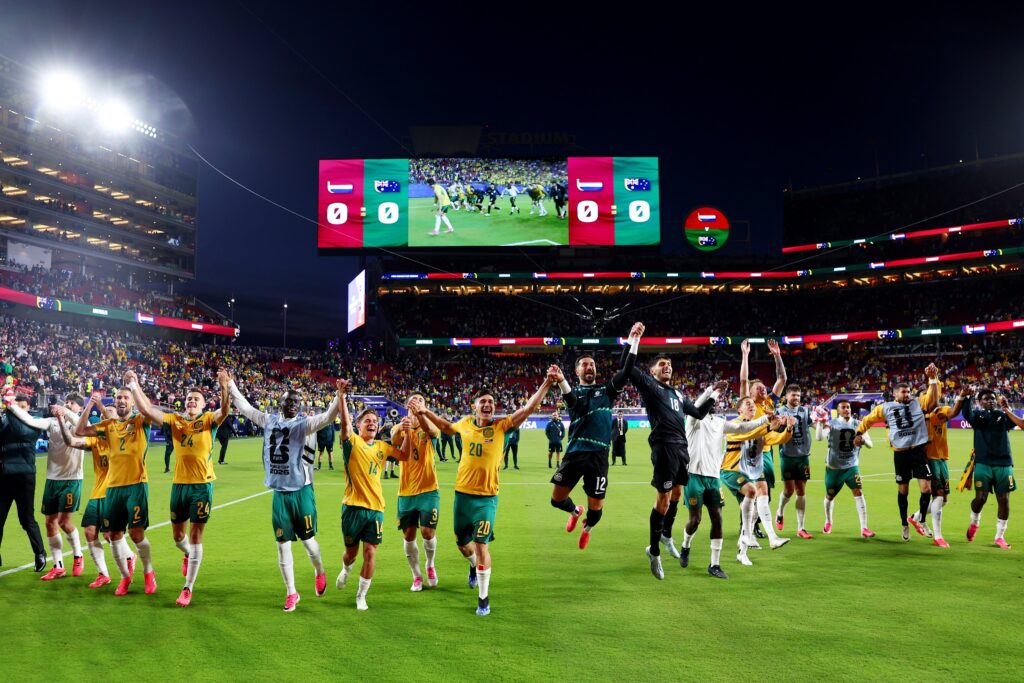
The achievement marks another significant chapter in the Socceroos’ football journey. After their memorable Round of 16 finish at the 2022 FIFA World Cup in Qatar, Australia has now demonstrated that its success on the world stage is no longer an isolated achievement. Instead, the team is establishing itself as a consistent competitor capable of challenging the world’s strongest football nations.
Head coach Tony Popovic deserves considerable credit for guiding the squad through a demanding group campaign. Since taking charge, Popovic has focused on building a disciplined, organised and resilient side, with defensive stability becoming one of Australia’s biggest strengths. His tactical approach has allowed the Socceroos to compete confidently against higher-ranked opponents while remaining difficult to break down.
Australia secured second place in Group D after collecting the points required to progress. The scoreless draw against Paraguay showcased the team’s maturity and composure under pressure, with every player understanding the importance of maintaining concentration throughout the full ninety minutes. The result ensured Australia advanced without needing to rely on results elsewhere.
The Socceroos’ defence has been one of the standout features of their World Cup campaign. Goalkeeper and defenders produced another composed performance, limiting Paraguay’s opportunities while maintaining excellent organisation across the backline. The clean sheet highlighted Australia’s growing reputation as one of the tournament’s most disciplined defensive teams.
Another positive storyline has been the emergence of young talent. Teenage defender Lucas Herrington became Australia’s youngest-ever World Cup starter, underlining the exciting future of Australian football. Alongside experienced campaigners, the next generation has shown they are ready to perform on football’s biggest stage, providing optimism for future international tournaments.
Australia’s multicultural identity also continues to shine through the national team. The current Socceroos squad represents the diverse backgrounds that make modern Australia unique, with players from various cultural communities contributing to the team’s success. This diversity has become one of the defining strengths of Australian football and resonates strongly with communities across the country, including the large Indian and South Asian diaspora.

The expanded 48-team FIFA World Cup has produced fierce competition, making progression to the knockout rounds an achievement that reflects consistency rather than luck. Every match has demanded tactical discipline, physical endurance and mental resilience, qualities the Socceroos have displayed throughout the group stage under immense pressure.
Australia will now turn its attention to the Round of 32, where an even greater challenge awaits against one of the tournament’s top-performing nations. While the knockout rounds leave no margin for error, the Socceroos will take confidence from their performances so far and the belief that they can once again compete with football’s elite.
For Australian football, qualification represents more than simply advancing in a tournament. It reflects years of investment in player development, coaching pathways and grassroots football, while inspiring a new generation of young players dreaming of wearing the green and gold. As the Socceroos continue their FIFA World Cup journey, millions of Australians will be hoping this historic campaign still has more memorable moments to come.