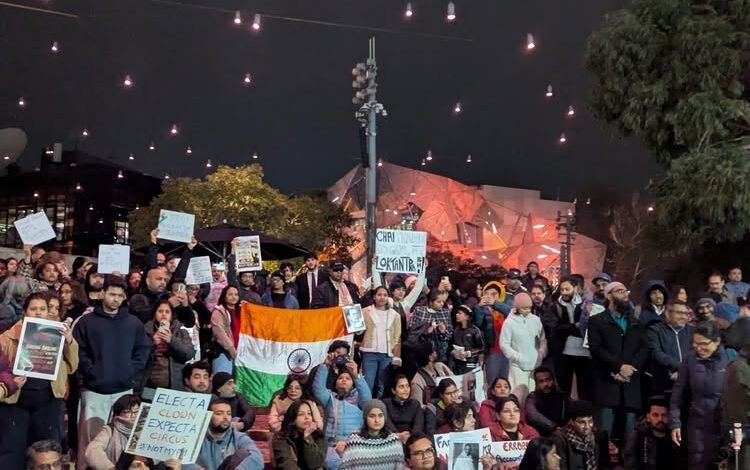
India’s growing student-led movement demanding examination reforms has entered a significant new phase, with Prime Minister Narendra Modi breaking his silence on the issue and announcing strict measures against examination paper leaks, while activist Sonam Wangchuk has ended his 26-day hunger strike following assurances from the Central Government. The developments mark one of the most consequential moments in India’s recent education debate and could shape the future of millions of students across the country.
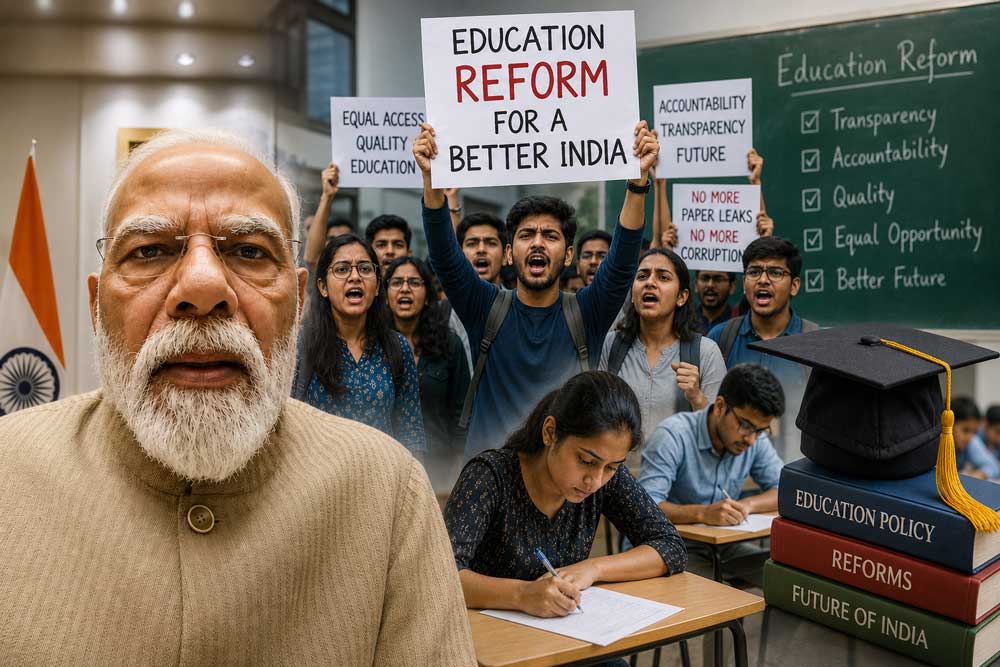
What began as concerns over alleged paper leaks in competitive examinations has evolved into a nationwide conversation about transparency, accountability and the immense pressure faced by India’s youth. Over the past several weeks, students, educators and activists have raised questions about the integrity of India’s examination system, arguing that merit and hard work must remain at the centre of educational opportunities.
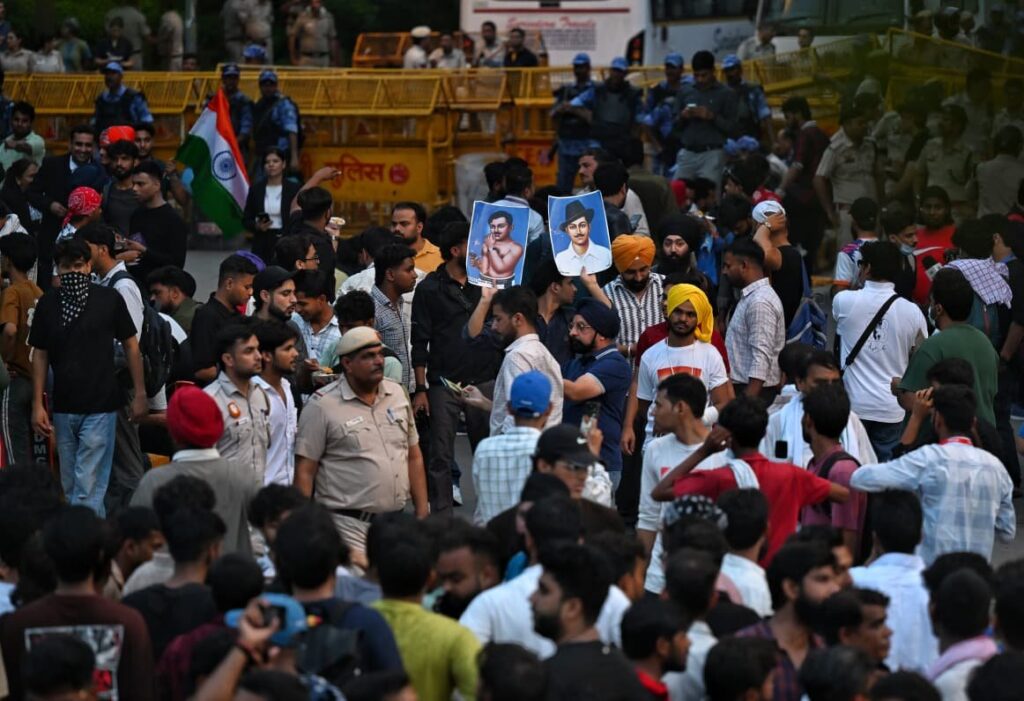
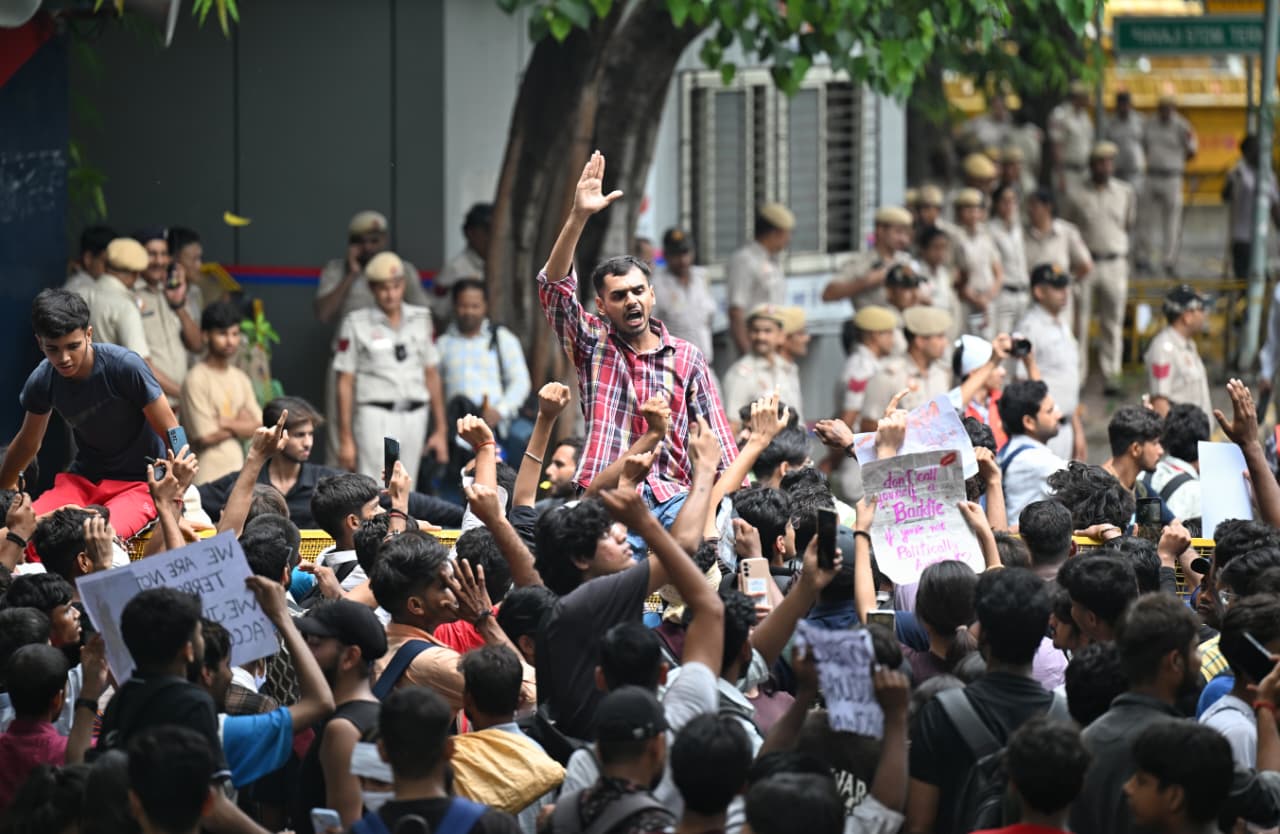
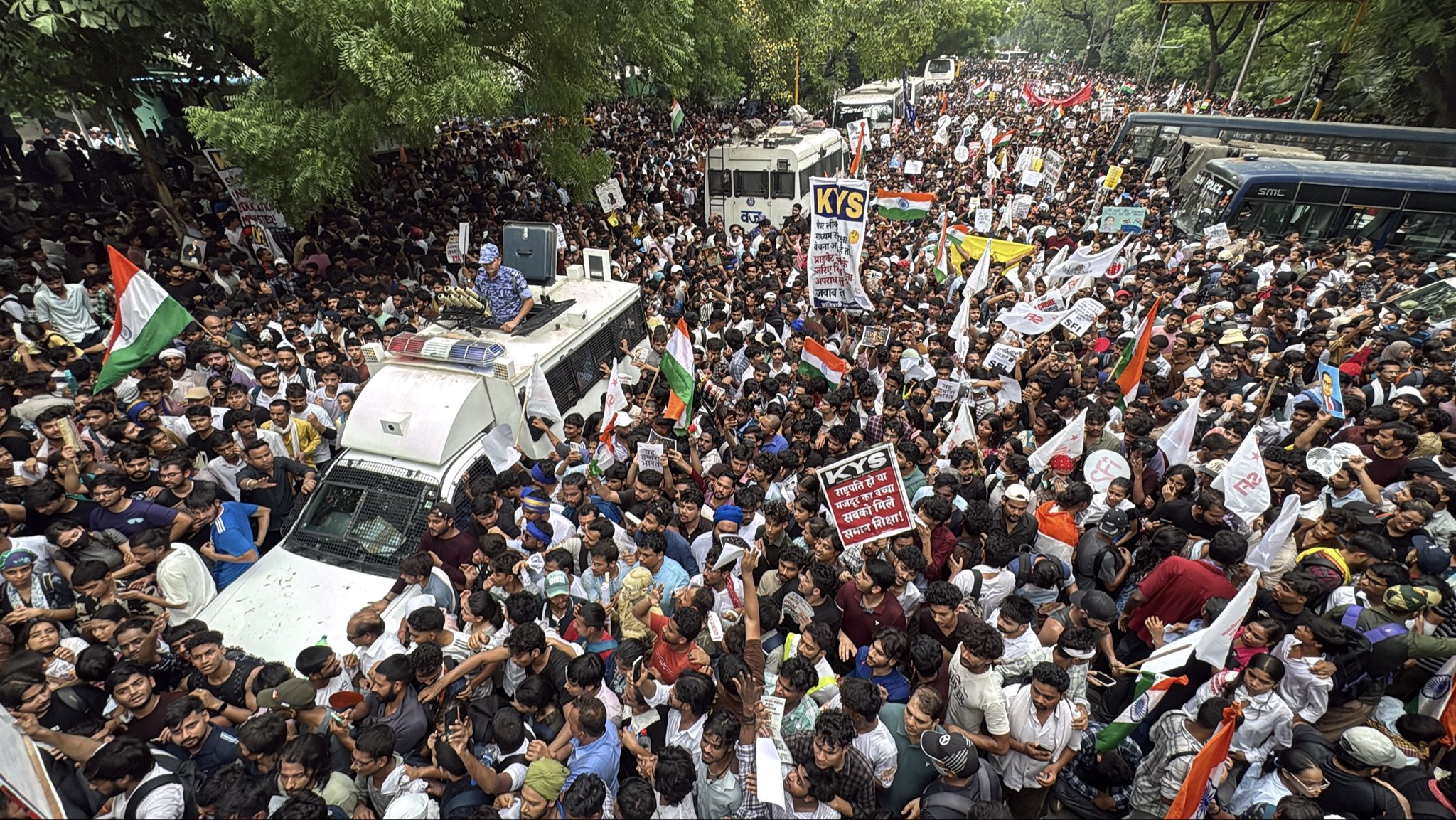
The protests gained national attention after thousands of students and young people gathered in New Delhi, demanding reforms and accountability from authorities. The demonstrations were largely centred on alleged examination paper leaks and their impact on students who spend years preparing for highly competitive entrance examinations. Similar demonstrations and solidarity protests have since emerged in multiple cities across India.
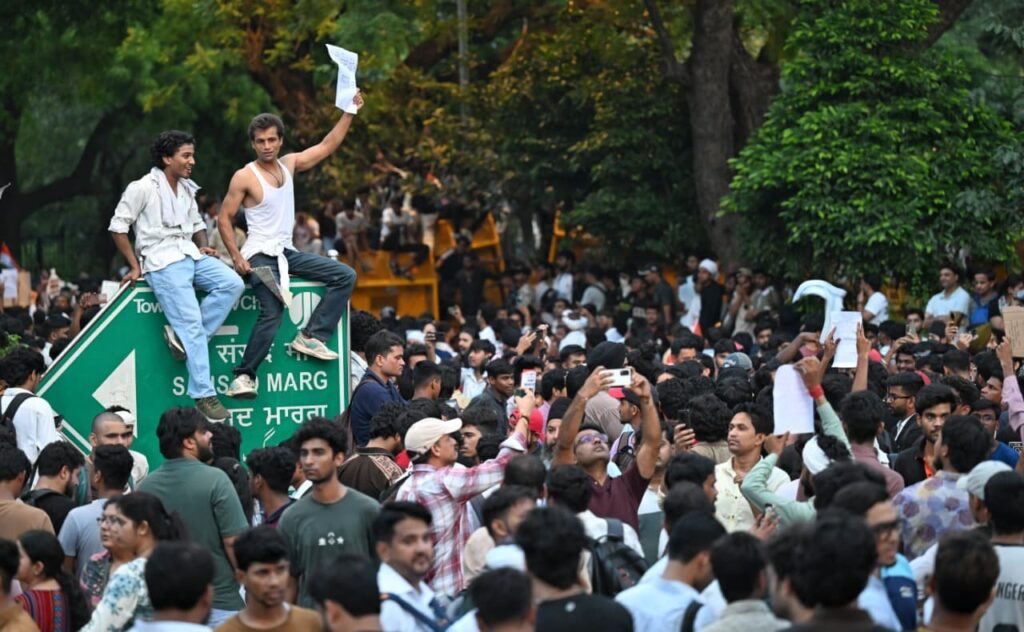
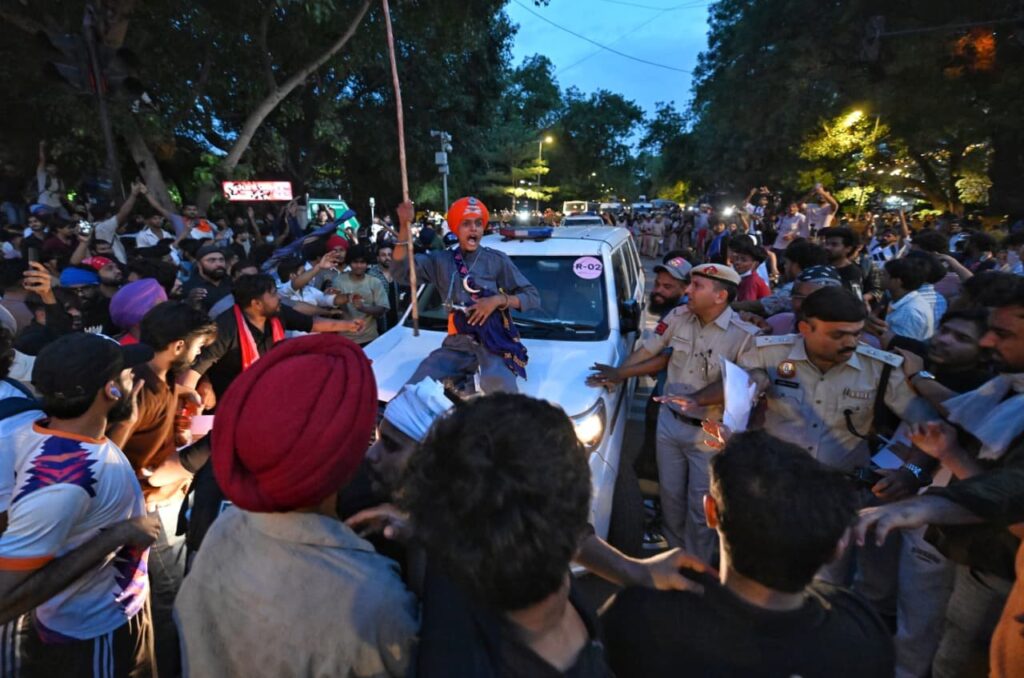
The issue has resonated deeply because competitive examinations in India often determine admission into prestigious educational institutions and career opportunities for millions of students every year. For many families, education represents the most important pathway towards social and economic mobility, making public confidence in the examination process critically important.
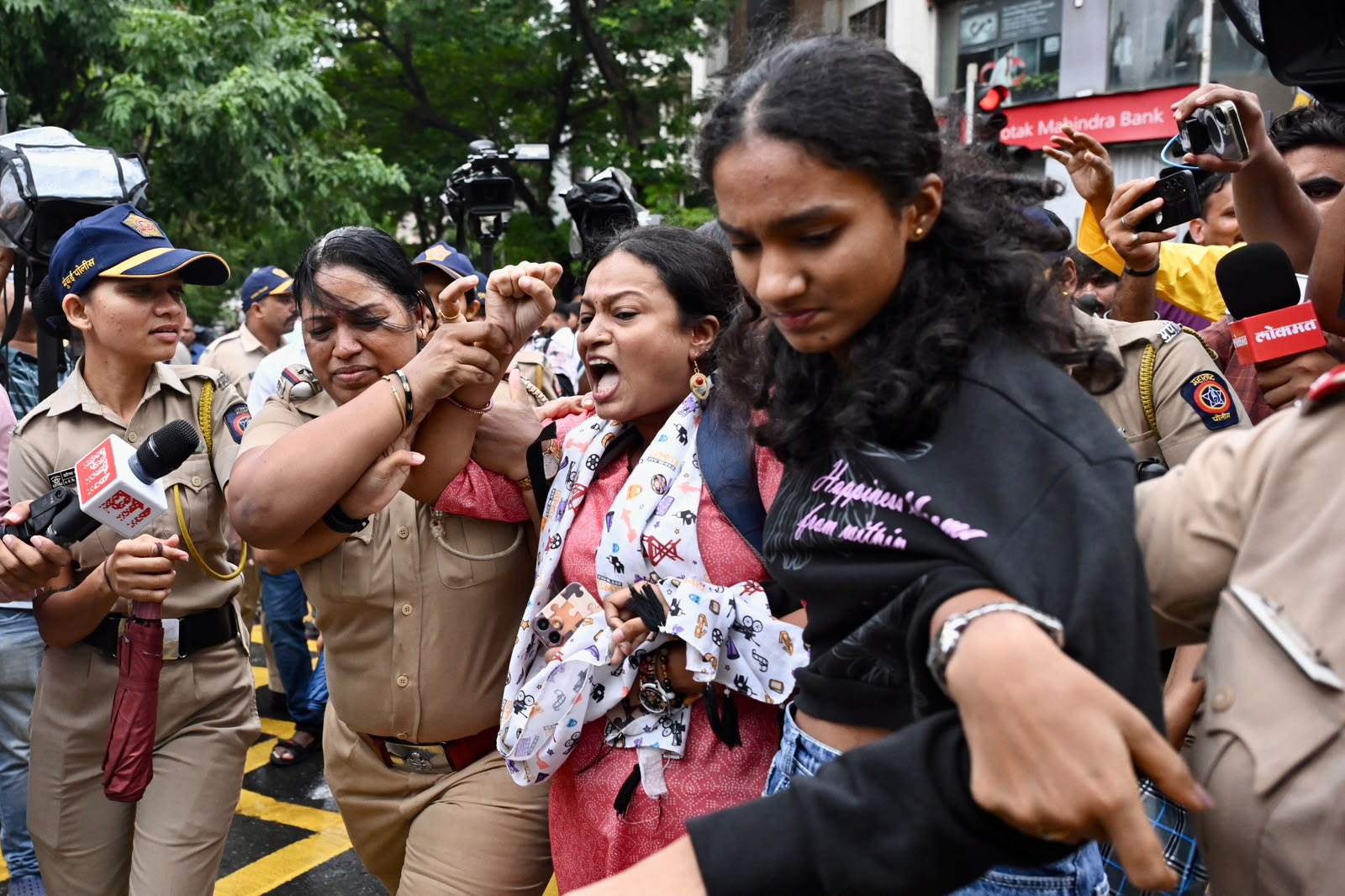
As protests intensified, reports emerged of clashes between demonstrators and police in parts of New Delhi. Authorities cited security concerns and restrictions relating to parliamentary proceedings when permission for certain protest marches was denied. Several media organisations also reported allegations of injuries sustained by protesters and journalists covering the demonstrations, drawing widespread debate about the handling of peaceful protests and the role of democratic expression in public discourse.
At the centre of the movement was renowned engineer, innovator and education reform advocate Sonam Wangchuk, who began an indefinite hunger strike in support of students’ demands for accountability and reforms within India’s examination system. Wangchuk’s fast quickly became a symbol of the broader movement, attracting support from students, educators and civil society organisations across the country.
After 26 days, Sonam Wangchuk announced that he was ending his hunger strike following extensive discussions with senior government representatives and receiving assurances regarding key concerns raised by protesters. According to Wangchuk, the government assured that no legal action would be taken against peaceful protesters, including participants in the “Chalo Parliament” march, and that issues relating to examination reforms and accountability would be discussed through appropriate institutional and parliamentary processes.

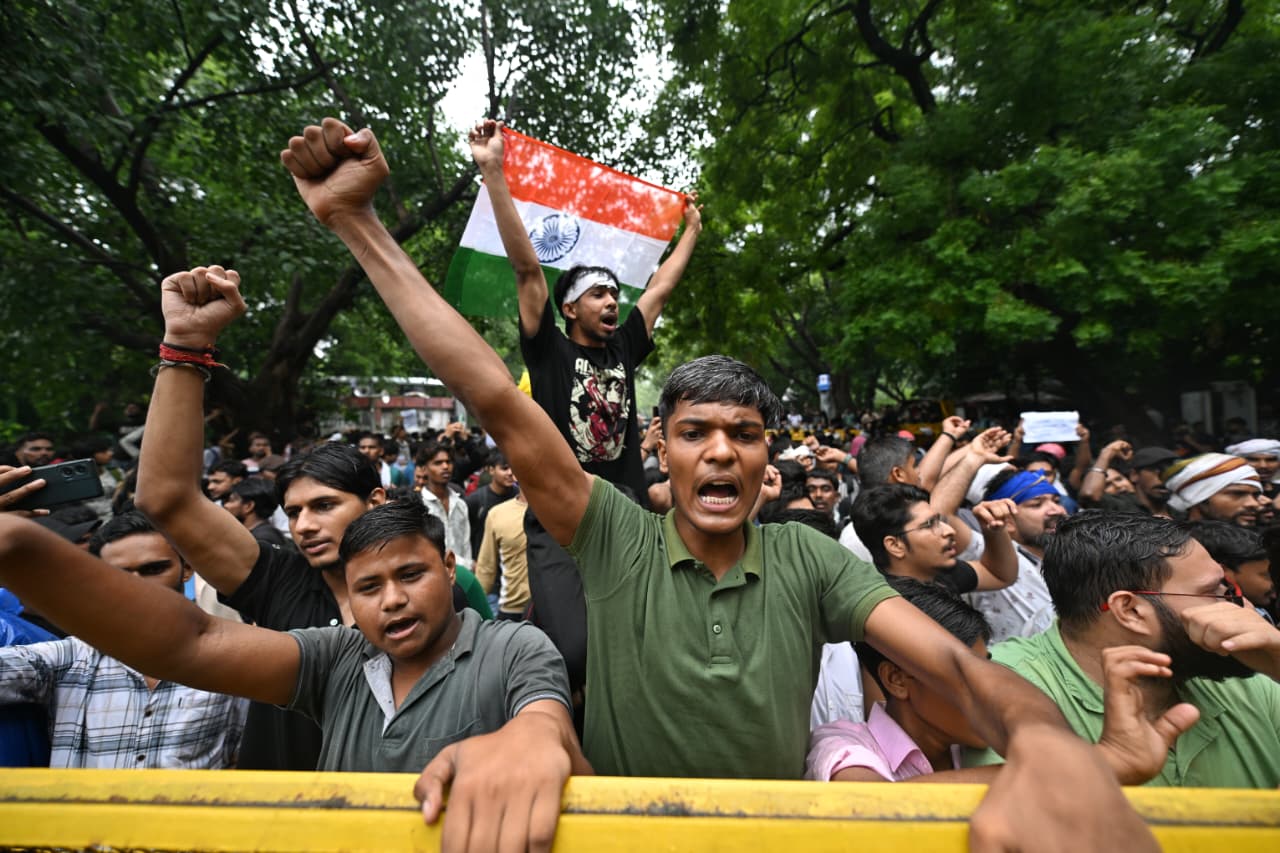
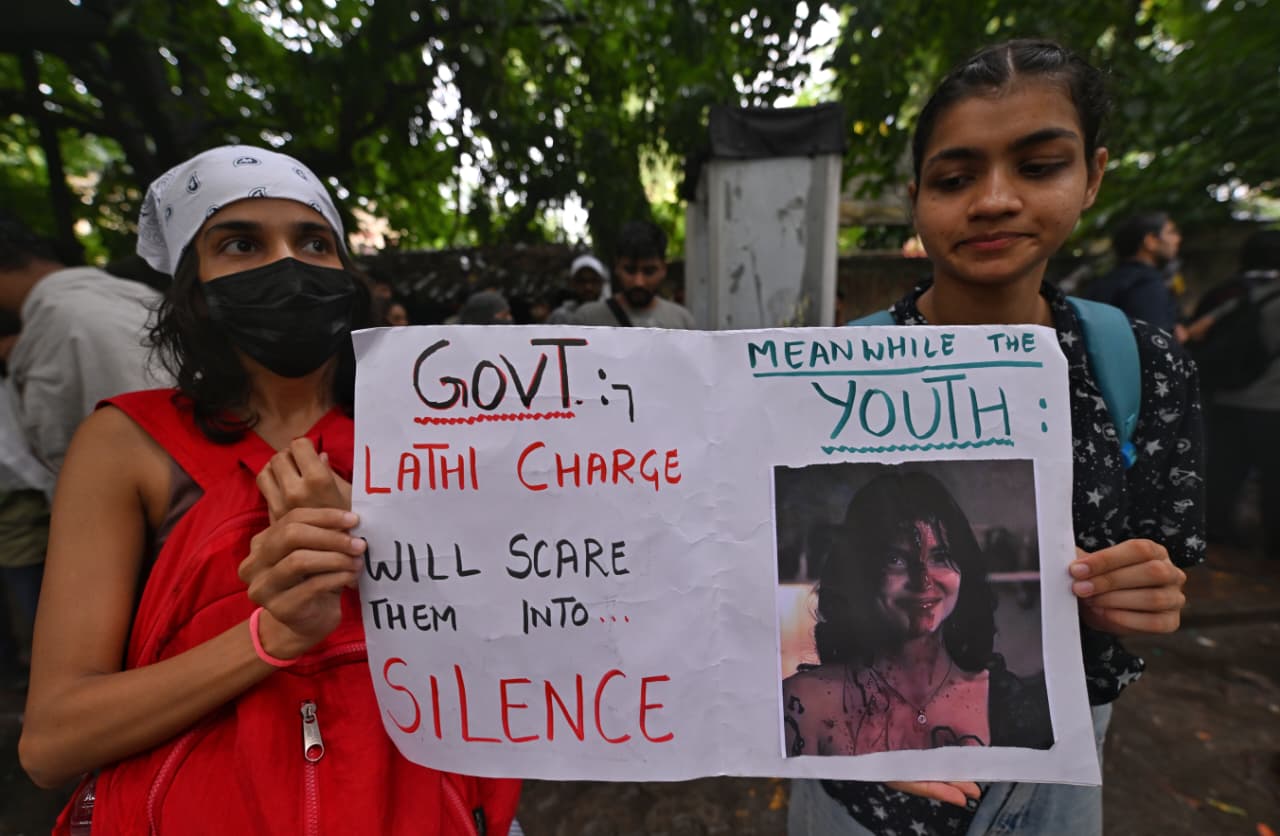
In a major development, Prime Minister Narendra Modi addressed the examination paper leak controversy, stating that the welfare and future of India’s youth remain among his government’s highest priorities. He announced that the government would introduce stringent measures aimed at tackling examination fraud and protecting students’ interests.
Among the measures announced are plans for new legislation that would provide tougher punishment for individuals involved in examination paper leaks, the establishment of fast-track courts to expedite such cases and administrative reforms designed to strengthen the credibility of India’s examination system. Reports also indicate that the proposed legislation is expected to be introduced in Parliament following consideration by the Union Cabinet.
Prime Minister Modi stated that those who attempt to jeopardise the future of India’s youth will face strict action and directed authorities to take all necessary steps to safeguard students and strengthen institutional accountability. His response represents the government’s most significant public intervention since the protests began.
The movement has also sparked broader discussions around educational reforms, youth employment, institutional transparency and mental health among students preparing for competitive examinations. Several commentators have noted that the protests reflect wider concerns about the aspirations of India’s young population and the need to continuously strengthen systems that impact their future.
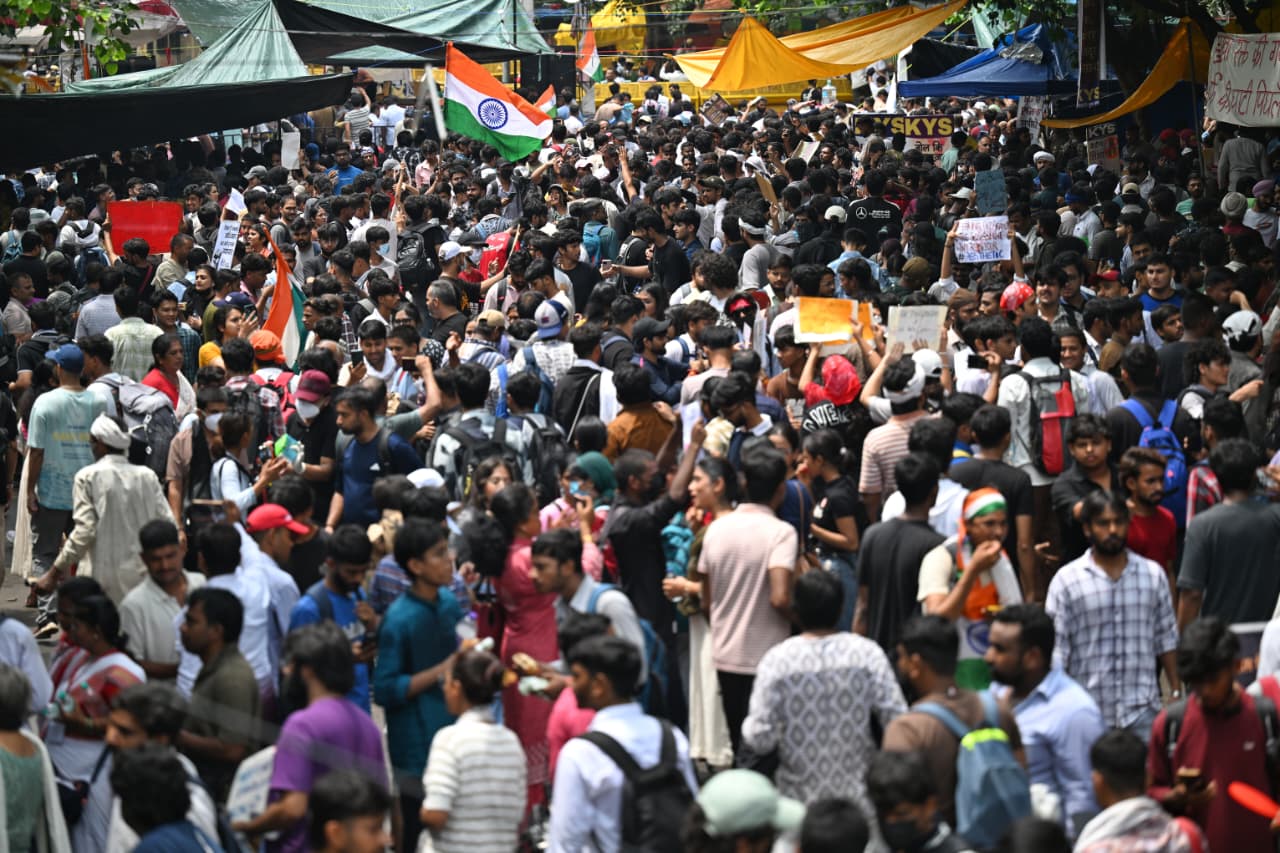
India is home to one of the world’s largest student populations, with millions of candidates appearing annually for examinations that determine admission to universities, professional courses and government positions. Maintaining public trust in these examinations is therefore essential not only for individual students but also for the country’s social and economic development.
The recent developments have also demonstrated the important role that peaceful civic engagement can play in democratic societies. While governments bear the responsibility of maintaining public order and institutional integrity, citizens equally play a vital role in participating constructively in conversations that shape public policy and national priorities.
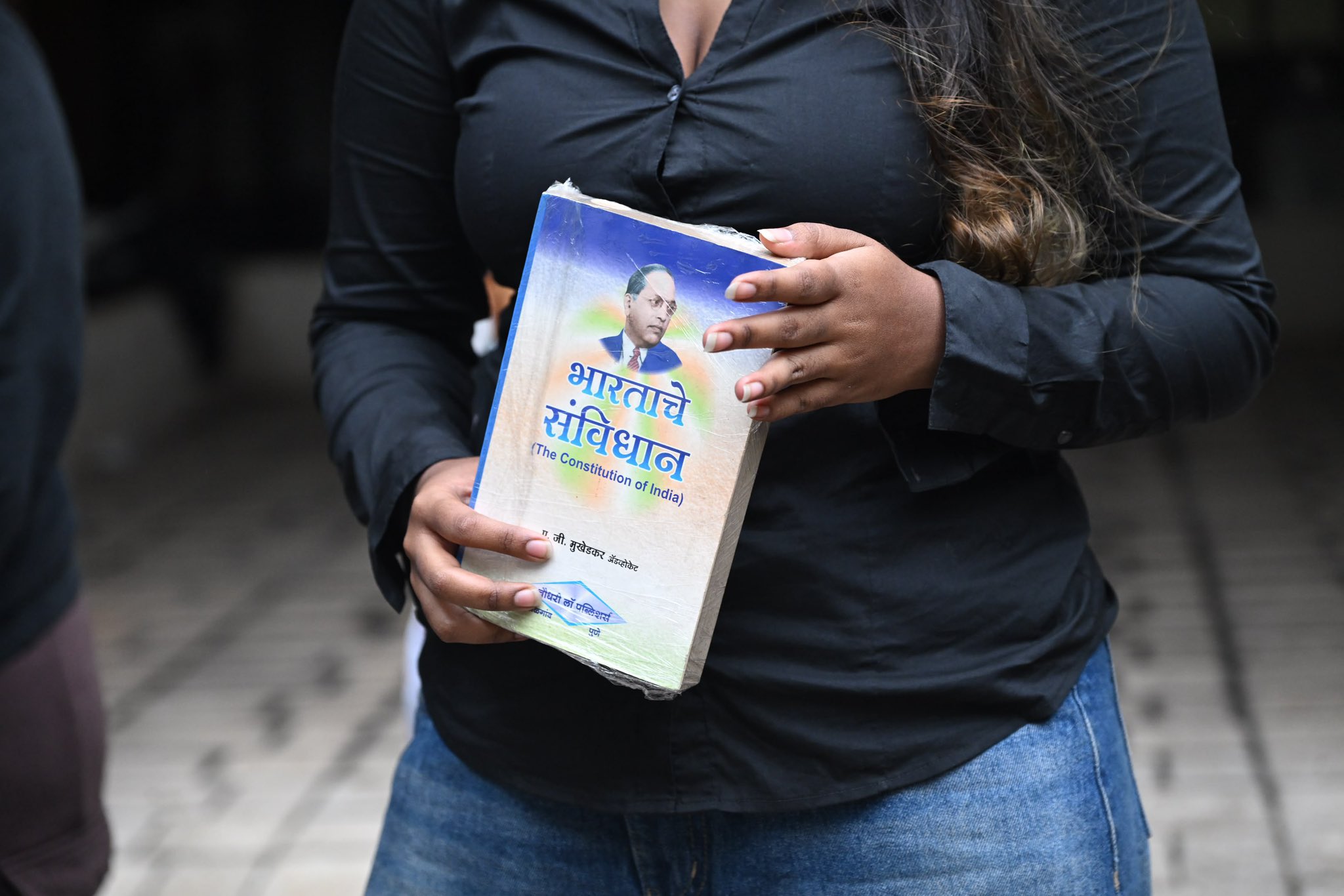
For the Indian diaspora across Australia and around the world, the issue resonates strongly. Many Indian-origin families have first-hand experience of the highly competitive nature of India’s education system and understand the sacrifices made by students in pursuit of academic success. The ongoing reforms are therefore being closely watched by Indian communities globally.
While the protests may have highlighted divisions in public opinion, there remains widespread agreement on one fundamental principle: every student deserves a fair opportunity to succeed based on merit, hard work and transparency. As Parliament prepares to debate proposed reforms and the government moves forward with legislative action, millions of students will be hoping that the current moment becomes a catalyst for lasting improvements in India’s education system.