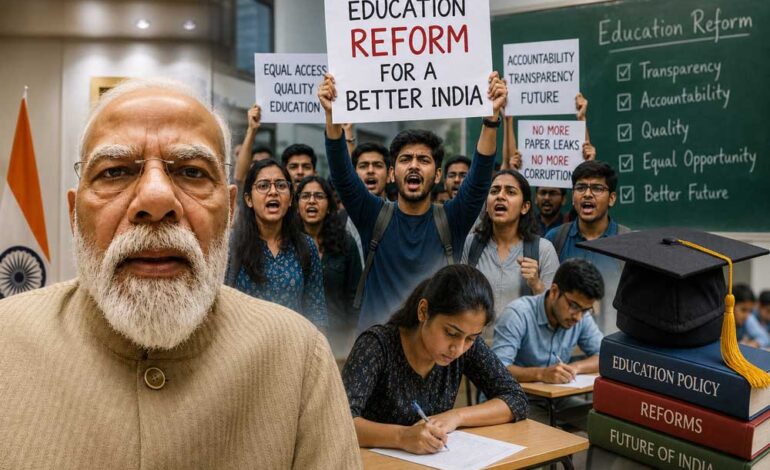
The student-led protests that began in India over examination paper leaks and demands for greater accountability in the education system are now resonating thousands of kilometres away, with members of Australia’s Indian diaspora taking to the streets in Melbourne, Sydney and other cities in solidarity with students back home. What started as a domestic youth movement has rapidly evolved into a global conversation about education, merit, transparency and democratic participation.
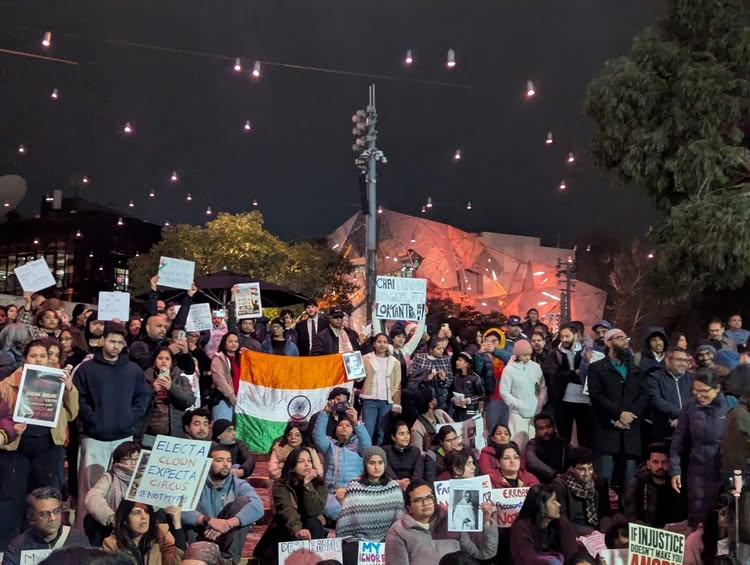
Indian Australians from diverse professional and cultural backgrounds have participated in peaceful gatherings across Australia, expressing support for calls to strengthen India’s examination system and protect the aspirations of millions of students. The demonstrations have largely focused on educational reforms rather than partisan politics, with organisers emphasising that the movement is about ensuring fairness for India’s next generation.
The protests are linked to the growing CJP (Cockroach Janata Party) movement in India, which emerged from widespread frustration over alleged examination paper leaks, youth unemployment concerns and demands for greater institutional accountability. The movement has particularly resonated with students and young professionals who believe that merit and hard work should remain the cornerstone of educational and career opportunities.
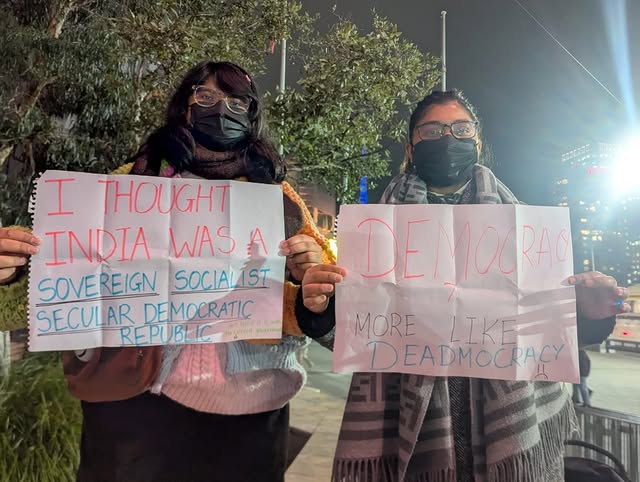
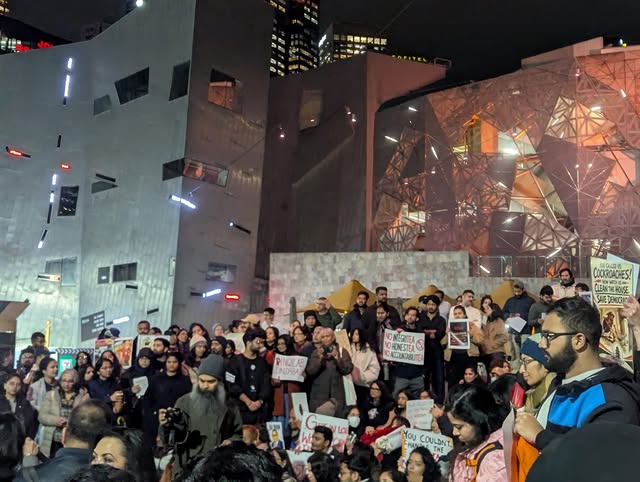
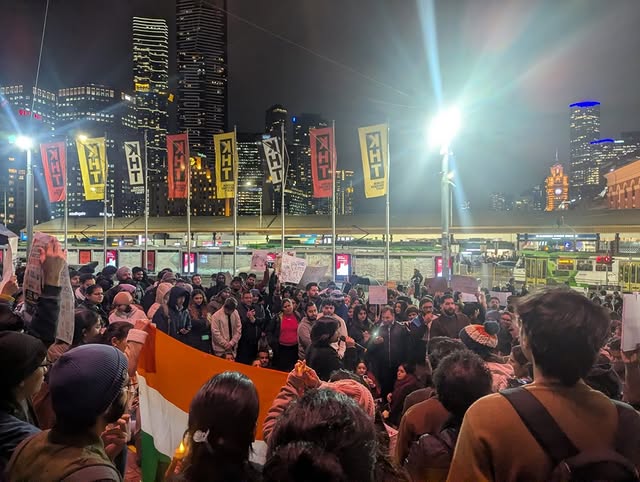
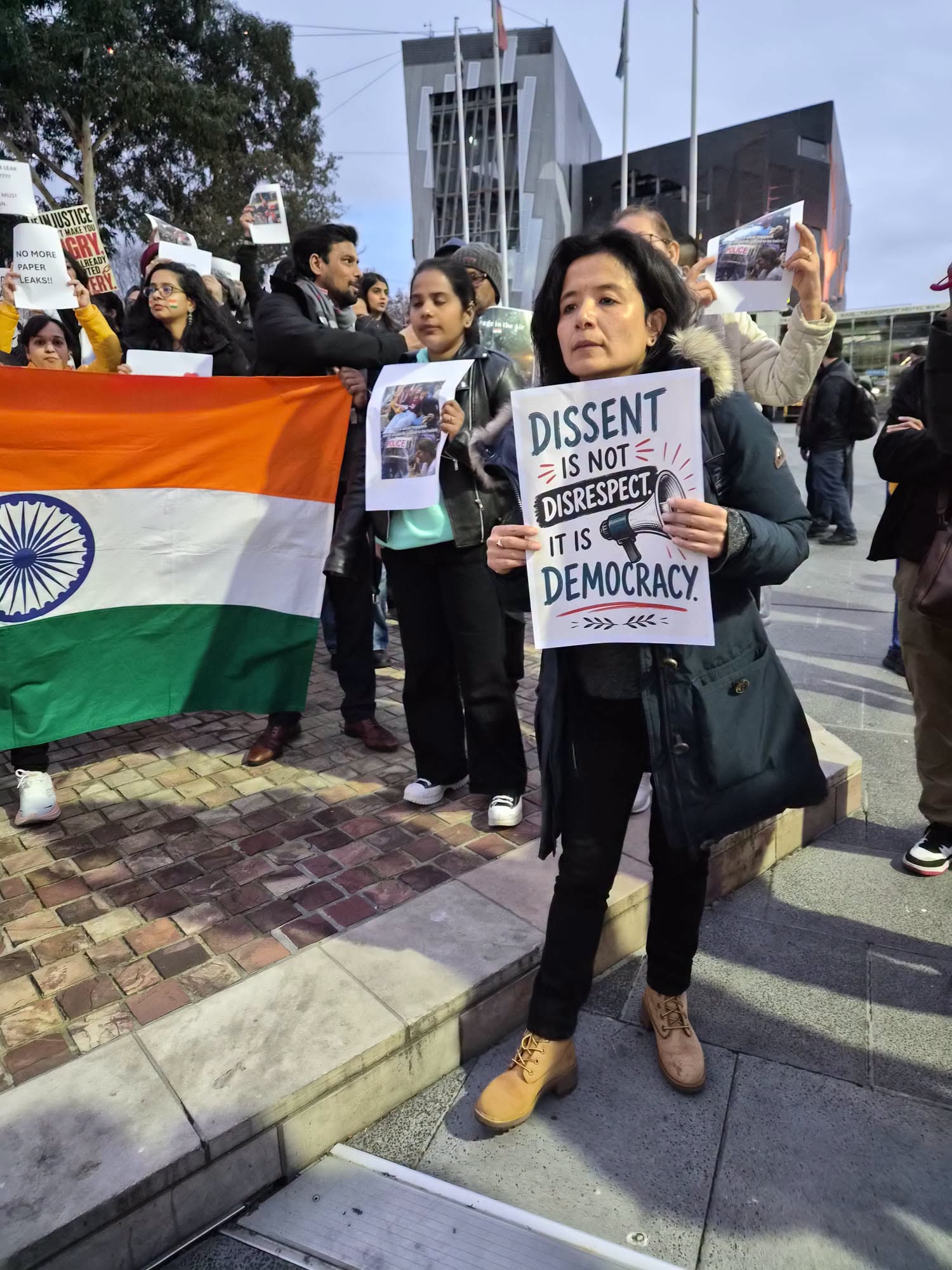
Across Melbourne and Sydney, members of the Indian diaspora have organised peaceful solidarity events, carrying placards and sharing personal stories about the pressures of India’s highly competitive education system. Many participants have highlighted that while they now live in Australia, they remain deeply connected to the educational experiences of students in India through family members and community networks.
Australia is home to one of the largest Indian diaspora communities in the world, with Indian Australians making significant contributions across education, healthcare, business, technology and public service. Unsurprisingly, issues affecting young people in India often generate considerable interest and discussion among diaspora communities, particularly when they relate to education and opportunity.
The demonstrations in Australia have also reflected the multicultural values that underpin Australian society. Participants have consistently emphasised the importance of peaceful civic engagement, constructive dialogue and institutional reform. Rather than focusing solely on political narratives, many have framed their support around universal principles such as fairness, transparency and equal opportunities for students.
The movement has gained international attention beyond Australia. Similar solidarity protests and community gatherings have been reported in London, New York, Berlin, Dublin and several other global cities, underscoring the increasingly global nature of conversations surrounding education reforms in India. Social media has further amplified the voices of students and diaspora communities across continents.

Many Indian Australians have pointed out that educational integrity is not simply an Indian issue but a global one. Competitive examinations influence the lives of millions of students worldwide, making transparency and public confidence in educational institutions essential for social and economic progress. For migrant families in particular, education often represents the most powerful tool for upward mobility and long-term success.
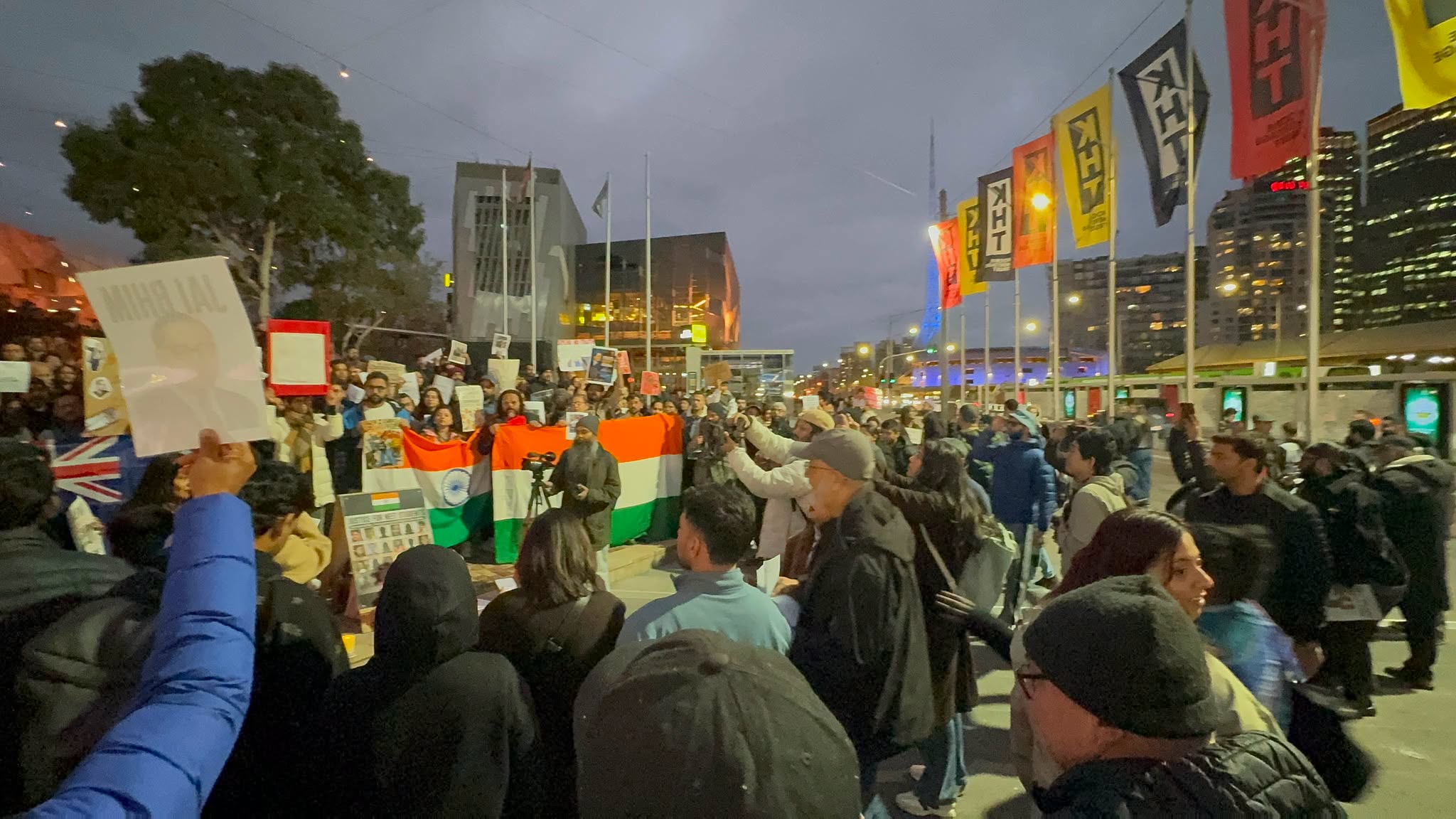

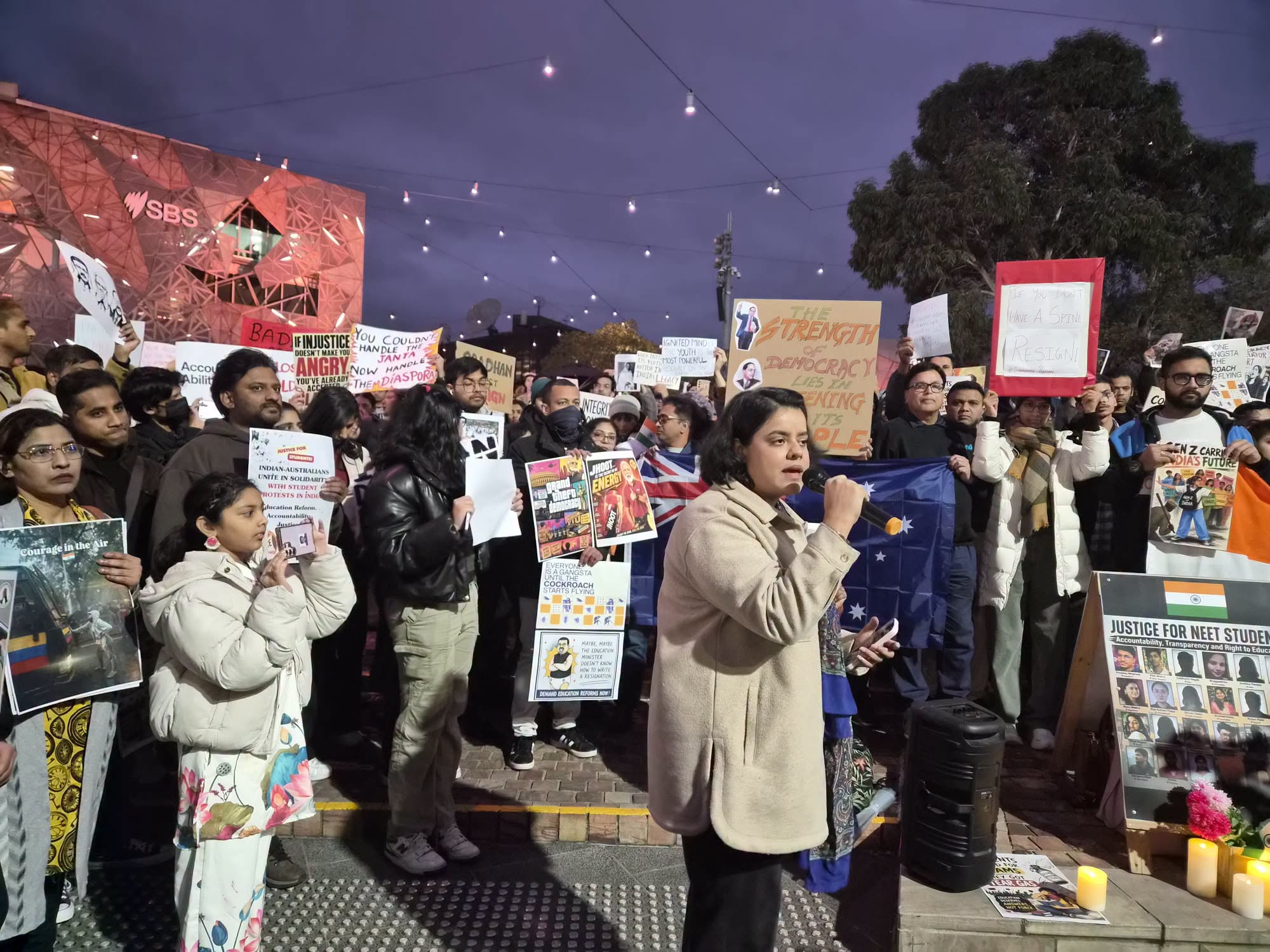
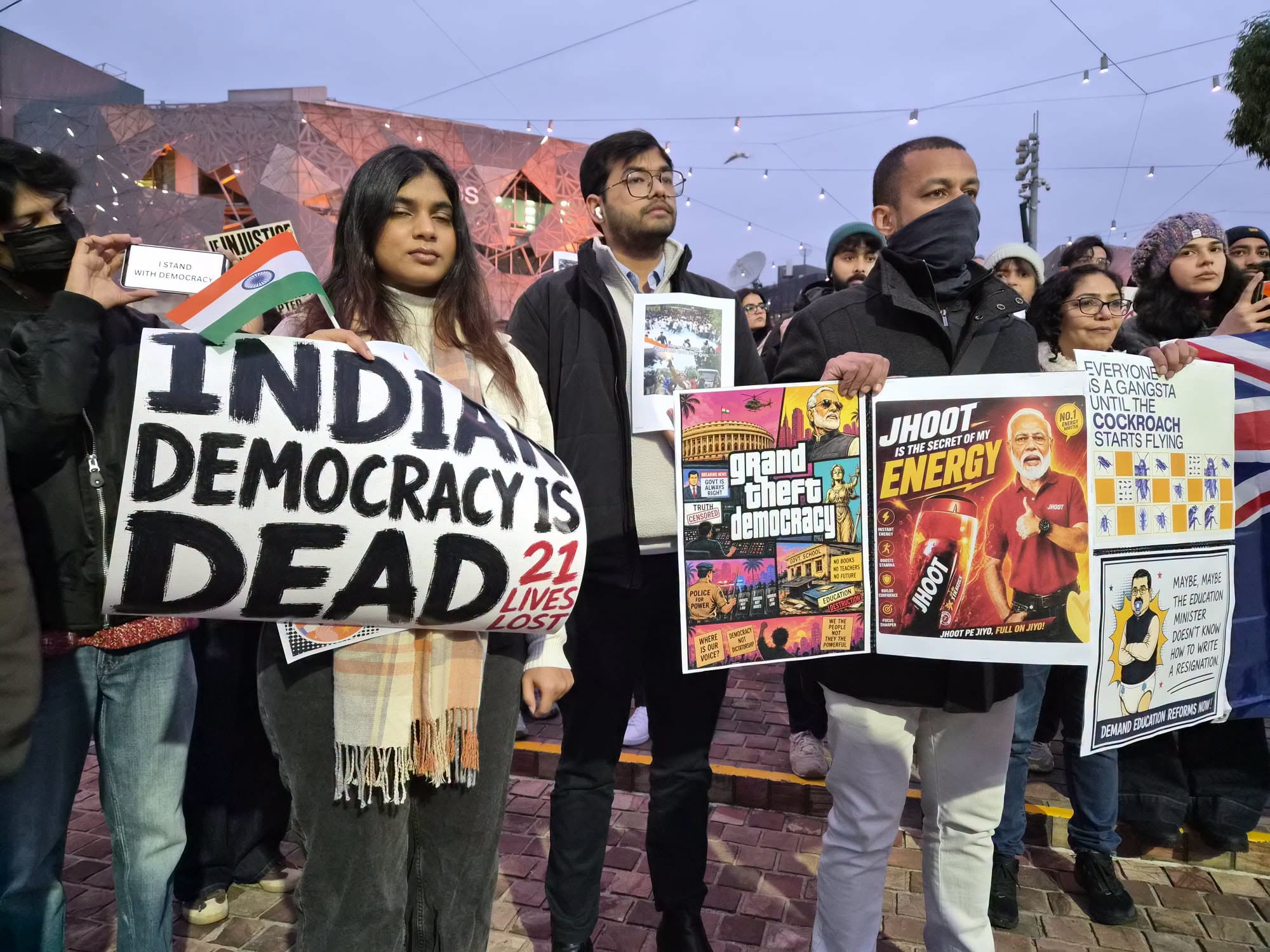
The protests have also prompted discussions about the role of diaspora communities in engaging with developments in their countries of origin. While living abroad, many Indian Australians continue to maintain strong emotional, cultural and familial ties with India. Issues concerning students and young people often transcend national borders, particularly within communities that place significant value on education and academic achievement.
Importantly, organisers and participants in Australia have largely stressed that their demonstrations are intended to support calls for educational reforms and institutional accountability rather than promote political divisions. Many have urged respectful and informed conversations that prioritise the interests of students and young people above all else.
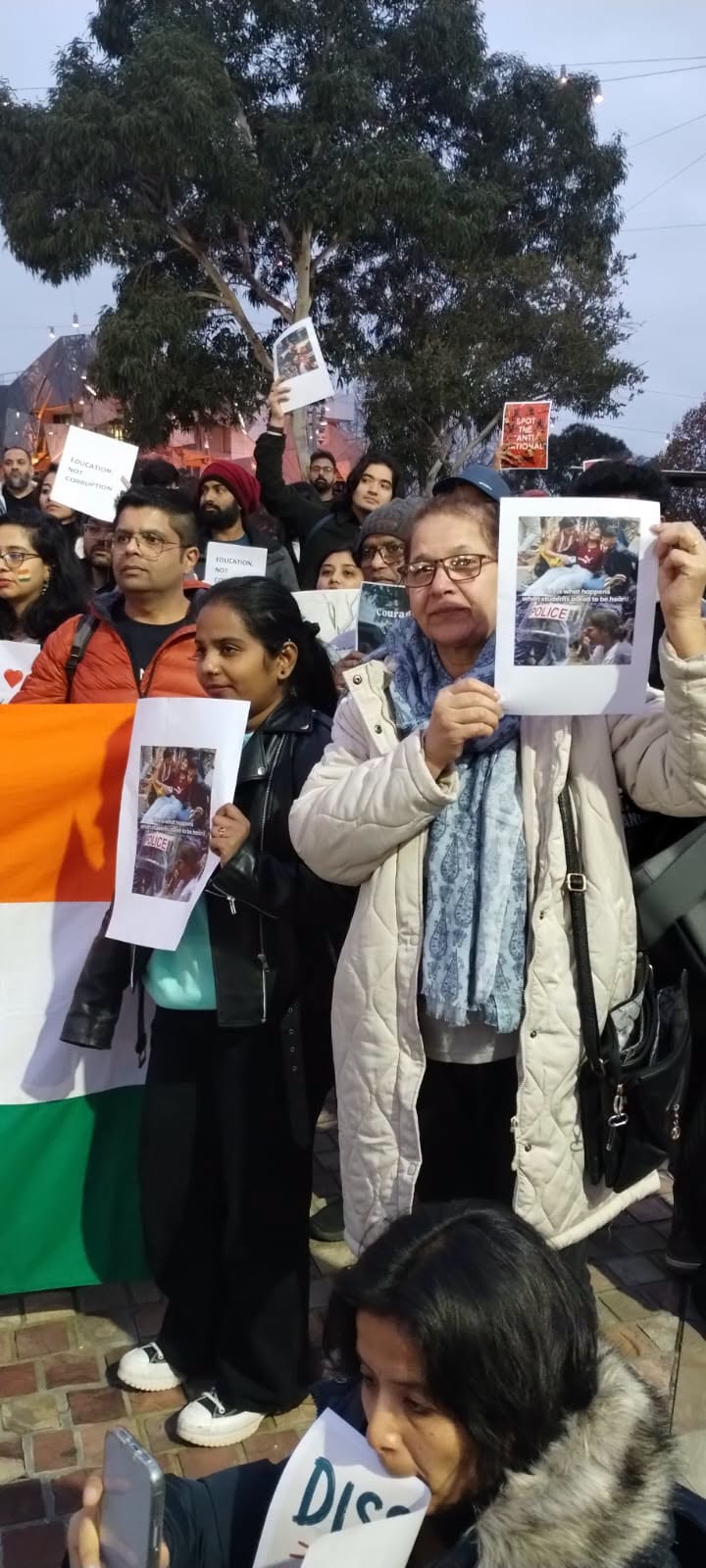
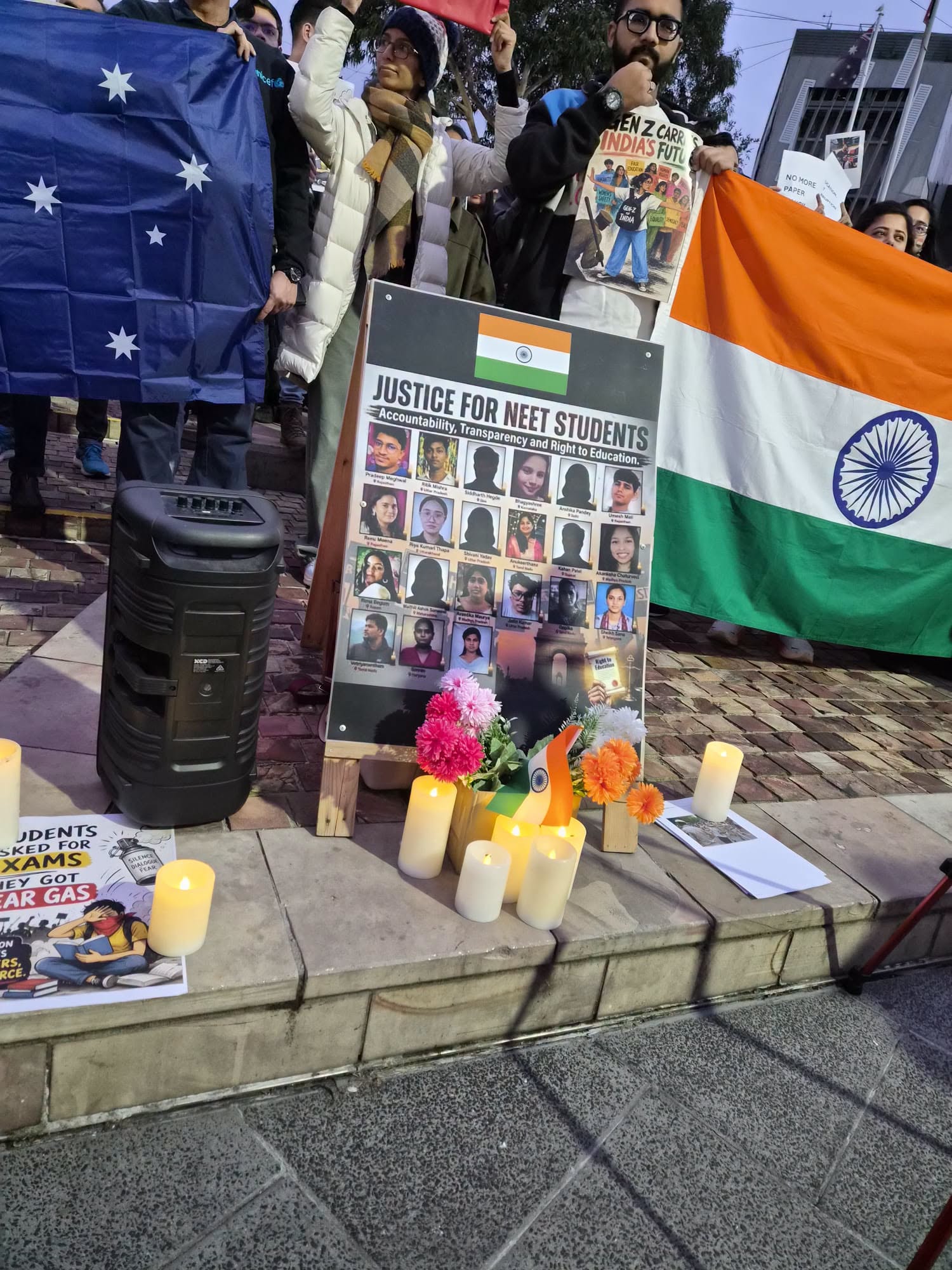
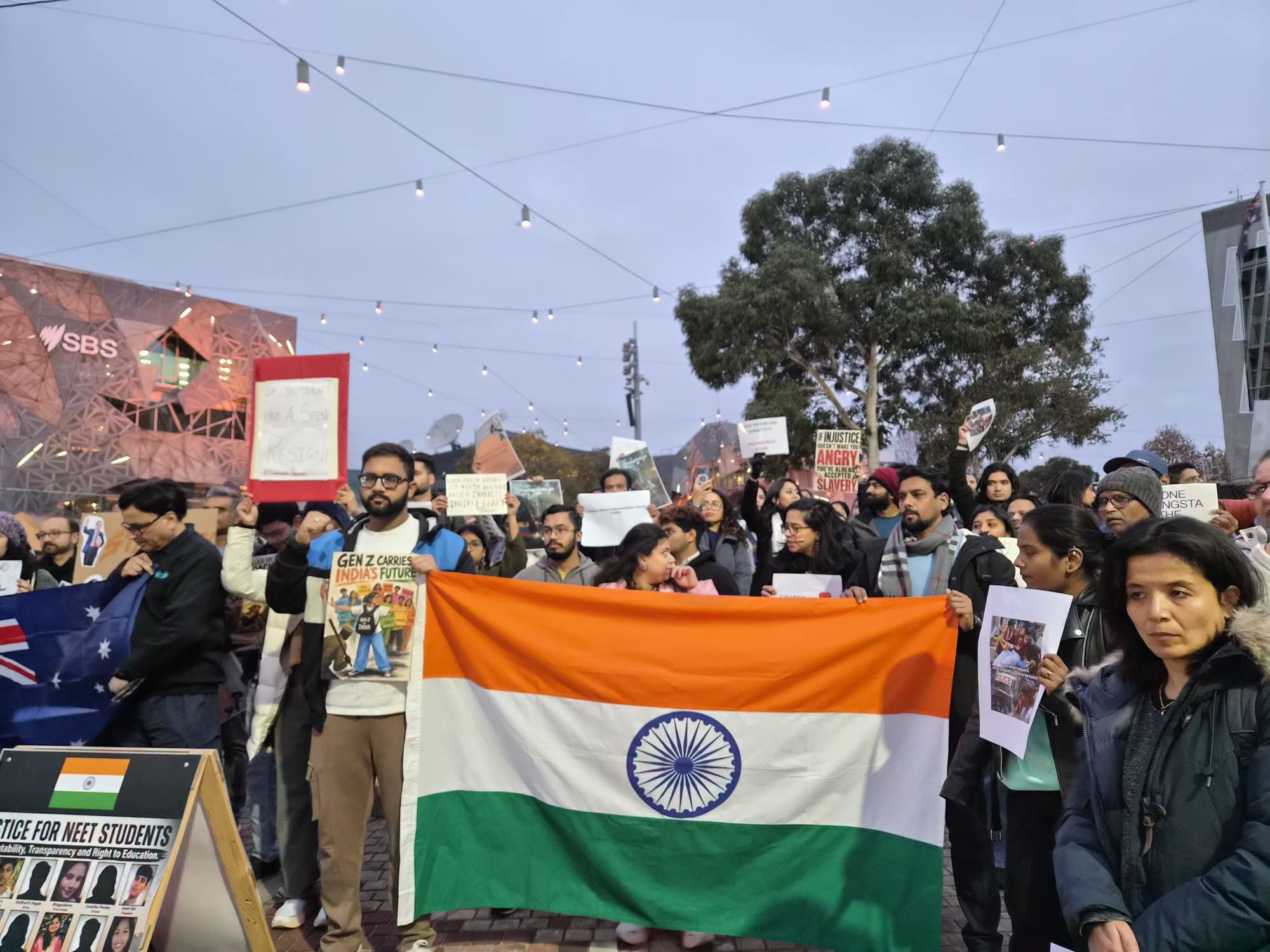
The growing participation of the Indian diaspora highlights the evolving relationship between global Indian communities and public discourse in India. It also demonstrates how issues affecting young people can unite communities across borders around shared values of fairness, opportunity and justice.
As discussions around examination reforms continue in India, the voices emerging from Melbourne, Sydney and other Australian cities reflect a broader sentiment shared by many families worldwide: every student deserves an education system that rewards hard work, protects merit and inspires confidence in the institutions shaping their future. Whether in Delhi or Melbourne, the aspirations of young people remain universal.