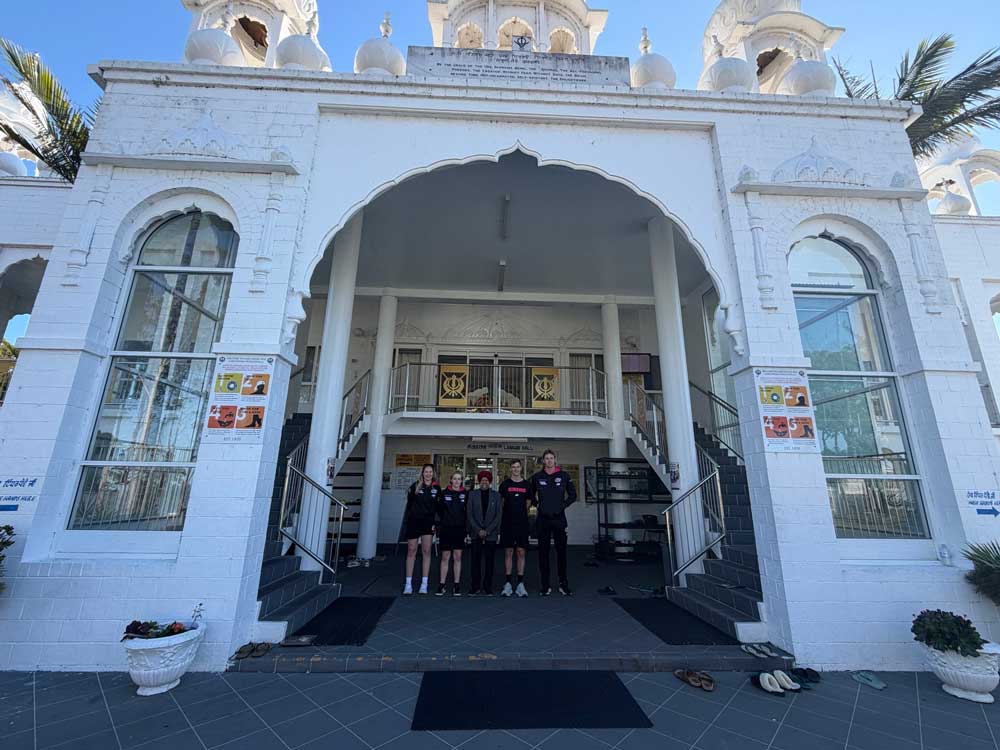
NSW cricketers recently experienced the rich cultural heritage of Woolgoolga during a visit to the Guru Nanak Sikh Temple and the Woolgoolga Sikh Museum.
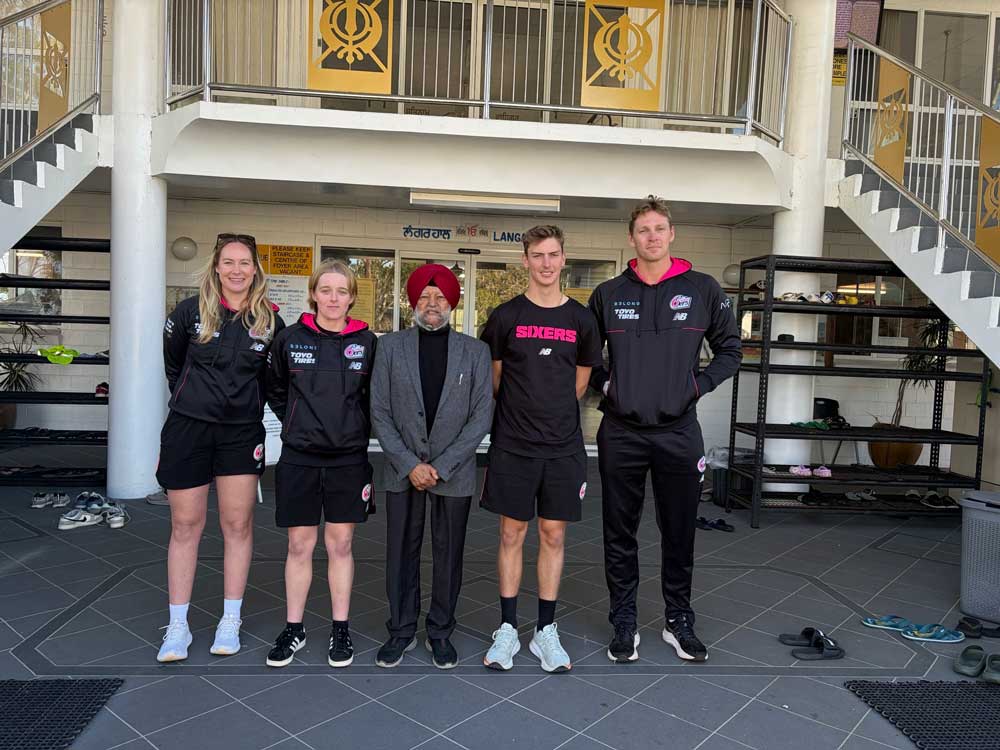
The visit, held on Thursday, 30 July, included NSW players Jack Edwards, Lauren Cheatle, Frankie Nicklin and Lachlan Shaw, who were accompanied by local community representative Taj Dosanjh.
The experience was organised after Cricket NSW, through Kate Jackson, reached out seeking a meaningful cultural activity for the players. Woolgoolga’s Sikh temple and museum were selected because they offered an opportunity to experience a unique and deeply established part of Australian history and multicultural life.
The players began their visit at the Woolgoolga Sikh Museum, where they learned about the history and contribution of the local Sikh community. The museum’s displays explore the experiences of early Sikh arrivals to the region, as well as local sporting achievements, traditional musical instruments and important religious artefacts.
The group then visited the Guru Nanak Sikh Temple, recognised as Australia’s first Sikh temple. Upstairs in the Darbar, the players were introduced to the priest and members of the temple committee, who shared insights into the temple’s history and its continuing role within the Woolgoolga community.
The visit concluded with the players enjoying traditional langar and chai provided by the temple. Langar is a community meal offered to everyone, regardless of their background, religion or social position, and represents the Sikh values of equality, service and inclusion.
For Taj Dosanjh, who has lived in Woolgoolga his entire life, the visit carried strong personal significance.

“My mother’s family were also all born and raised here, and my children are sixth-generation Australians,” he said.
“I personally enjoy the feeling of people understanding how beautifully culturally integrated Woolgoolga is.”
Woolgoolga has long been known for the close relationship between its Sikh Punjabi and broader Australian communities. Cricket has played an important role in strengthening that connection by bringing people together through a shared passion.
Cricket is deeply valued within both Australian and Punjabi culture, creating what Taj described as a universal language capable of crossing cultural boundaries.
“When you’re on the field playing cricket, there is only one culture,” he said.
The visit demonstrated how sport can provide more than competition. It can create opportunities for people to learn about different traditions, develop relationships and gain a greater appreciation of the communities around them.
According to Taj, initiatives of this kind are important for maintaining connections between cultures while strengthening community involvement in cricket and other sports.
“These types of visits are important to keep communities and cultures connected across cricket and other sports, and to maintain a community passion for the sport,” he said.
“We can’t thank Cricket NSW enough for its support of our cricketing and sporting community in Woolgoolga.”
Cricket NSW continues to engage with culturally diverse communities across regional and metropolitan areas through grassroots initiatives and community experiences.
For the Woolgoolga community, the visit was an opportunity to proudly share its history, hospitality and cultural identity with some of the state’s leading cricketers. It also highlighted the important role that sport can play in creating understanding and bringing communities together.