The Australian Government is expanding support for Indian language education, giving more young people the opportunity to continue studying Hindi, Punjabi, Bengali, Gujarati, Malayalam, Tamil, Telugu and Urdu through their senior secondary years. The initiative is designed to strengthen language skills while helping students maintain connections with their families, cultural backgrounds and communities.
Funding is being delivered through the Fluency in Asian Languages stream of the Community Language Schools Grants Program. The investment will assist with the creation of new teaching materials, professional development for educators and the expansion of classes for students approaching Years 11 and 12, helping community language programs support longer-term learning.
Multicultural Affairs Minister Dr Anne Aly said language learning provides benefits that extend beyond the classroom. She highlighted the role languages play in maintaining family and cultural connections while also giving students skills that can contribute to future education, employment and Australia’s relationships throughout the region.
Several organisations and universities will undertake projects under the latest funding. The Australian National University will establish Digital Language Hubs offering resources and professional development for community language educators, including teachers working in Hindi, while Community Languages Victoria will create an online Teachers Hub to strengthen Asian language education from the middle years into senior secondary schooling.
The University of Sydney will work with community language schools to develop classes covering Years 7 to 12, increase teacher capacity and produce learning resources that can be accessed nationally. The university’s involvement is intended to help community providers broaden their senior-school offerings while giving educators additional tools to deliver sustained language education.

Tamil education will receive particular attention in New South Wales. Tamil Study Centre Homebush will pilot a fluency program in Homebush with plans for wider expansion across the state, while online material created through the project will be available nationally. The NSW Federation of Tamil Schools will also improve resources and create opportunities for secondary students to use Tamil in practical settings.
Assistant Minister for Citizenship, Customs and Multicultural Affairs Julian Hill said community language schools have an important role in keeping heritage languages active across generations. He also pointed to the broader national value of developing Australians who can communicate in languages spoken across important neighbouring countries and major trading markets.

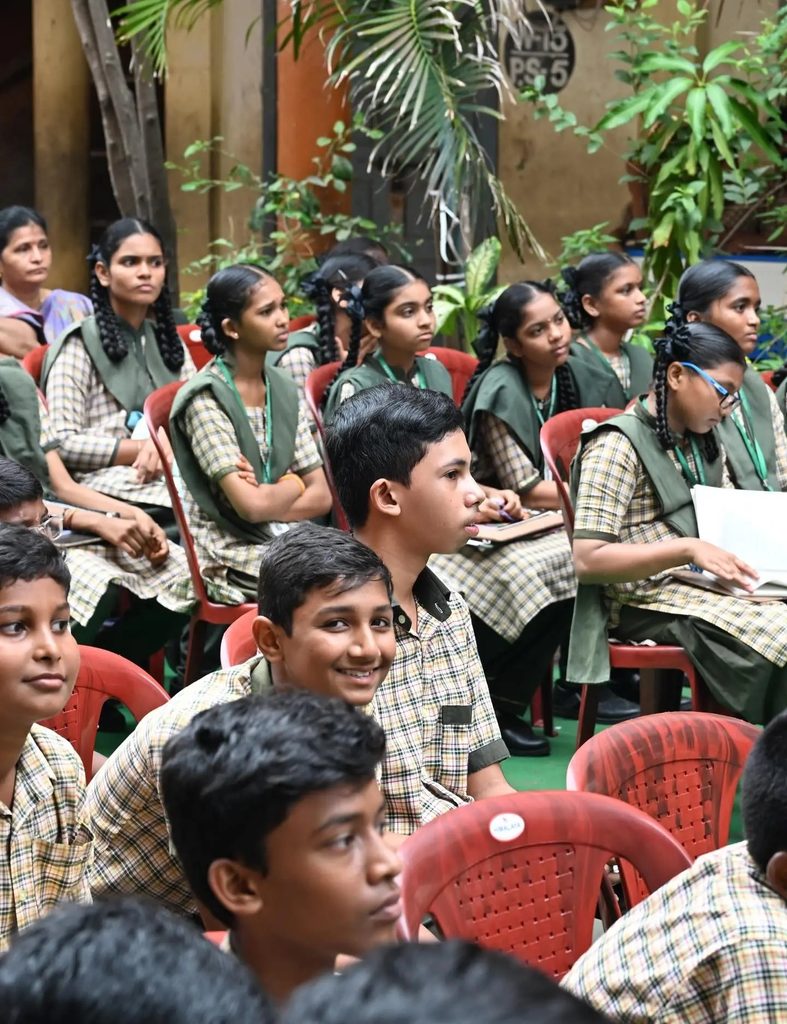
The latest announcement follows a separate allocation of more than $1.47 million over four years for 85 community language schools that had not previously received government funding. That earlier support is intended to help eligible schools establish or expand programs, strengthen teaching capacity and develop additional learning materials.
Together, the funding initiatives form part of a broader federal commitment of $25.6 million over four years from 2025–26 for community language schools. The program is expected to support more than 90,000 students learning over 80 languages, highlighting the scale of Australia’s community language education network and its role within the country’s multicultural society.
For Indian Australian families, the expanded opportunities could make it easier for students to maintain their heritage languages while progressing through secondary education. The government’s approach also positions language capability as a practical national asset, with stronger multilingual skills potentially supporting Australia’s cultural, educational and economic engagement with India and the wider Asian region.