Australia has formally handed over three ancient Indian artefacts to the High Commission of India in Canberra, fulfilling a commitment made by Australian Prime Minister Anthony Albanese and Indian Prime Minister Narendra Modi during their bilateral summit in Melbourne in July 2026.
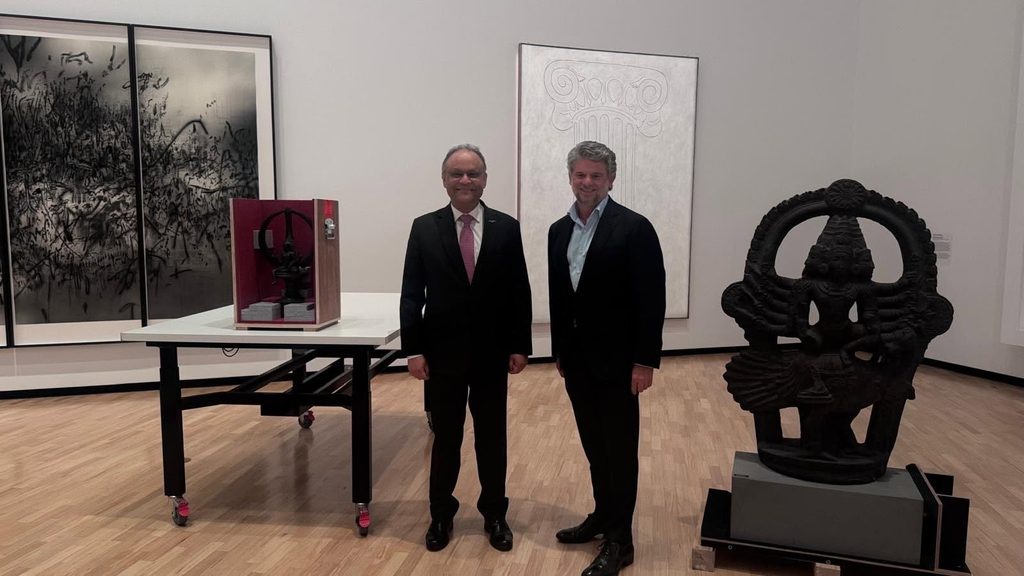
The handover took place on 11 November 2026, with India’s High Commissioner to Australia, Nagesh Singh, participating in the exchange. The artefacts are now being transferred to India, bringing three historically and religiously significant objects of Tamil Nadu origin closer to their return home.
The returned objects include a bronze trident associated with Goddess Bhadrakali, a granite idol of Nandi and a basalt sculpture depicting the six-headed deity Karthikeya, also known as Skanda.
Three Ancient Artefacts Return to India
The three objects have significant historical and religious connections to temples in Tamil Nadu.
The bronze trident associated with Goddess Bhadrakali and the granite Nandi idol are linked to the Shri Kashi Vishwanatha Swami Temple in Kulum Manguri, Tamil Nadu. Both are dated to the Chola-to-Vijayanagara period, between the 13th and 16th centuries.
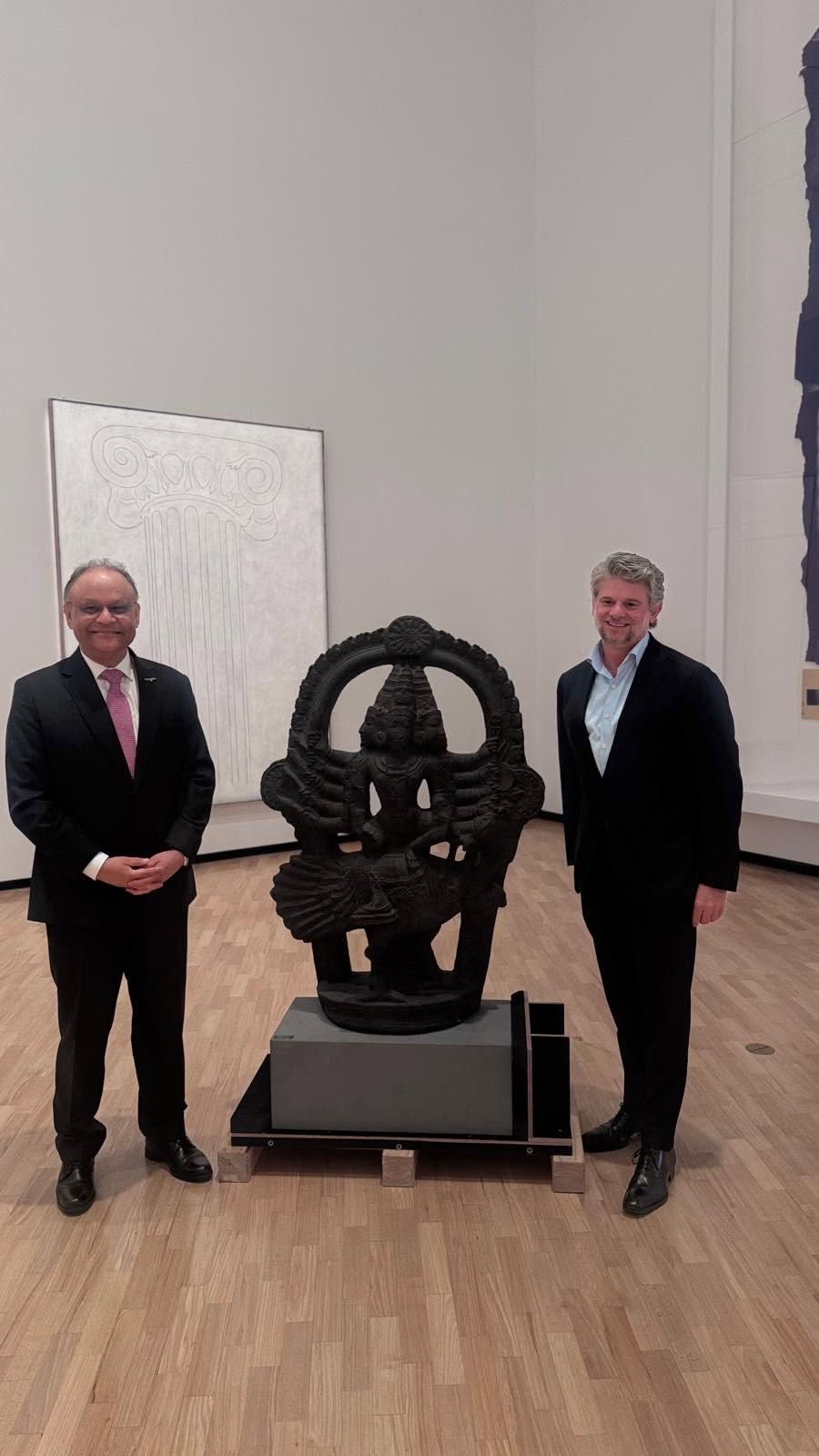
The third artefact is a basalt sculpture depicting the six-headed Karthikeya, also known as Skanda. Dating to the early 11th century, the Chola-period sculpture is associated with the Naganatha Swami Temple in Manambari, in the Thanjavur district.
These objects represent important elements of India’s artistic, religious and cultural heritage.

Handover Fulfils Commitment Made at India-Australia Summit
The return follows an announcement made during the third India-Australia Annual Leaders’ Summit in Melbourne on 9 July 2026.
During discussions, Prime Minister Albanese and Prime Minister Modi welcomed the voluntary return of culturally significant Indian artefacts held in Australian institutions.
The Indian High Commission confirmed that it had formally taken possession of the three objects and acknowledged the National Gallery of Australia’s cooperation in facilitating the transfer.
The High Commission said the handover followed through on the commitment made by both Prime Ministers and that the artefacts would soon arrive in India.
The announcement was part of broader efforts by Australia and India to strengthen cultural cooperation and preserve heritage through the return of significant historical objects.
Reciprocal Cultural Heritage Commitment
The July summit also included an important commitment by India concerning the repatriation of an Australian First Nations ancestor held at the Government Museum in Chennai.
Prime Minister Albanese welcomed India’s decision to voluntarily and unconditionally return the ancestor’s remains to their Traditional Custodians in Australia.
He described the repatriation of First Nations ancestors as an important step towards healing, justice and reconciliation.
Both countries recognised the importance of respecting cultural heritage and supporting the return of culturally significant objects and ancestral remains to their communities of origin.
Australia’s Ongoing Repatriation Efforts
The National Gallery of Australia has reported that it has voluntarily repatriated more than 270 works of art from its collection since 2014, including 35 to India.
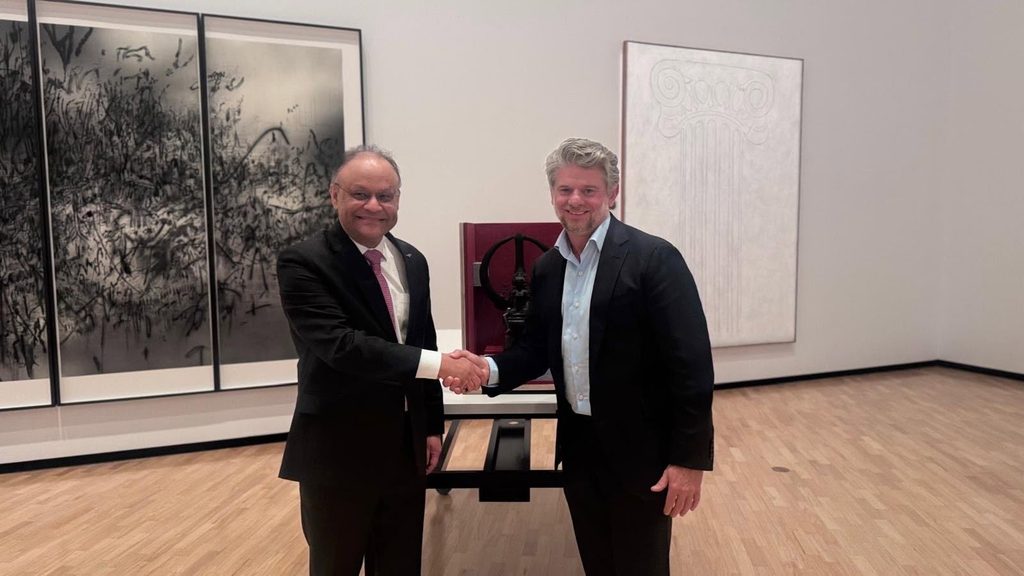
The gallery’s repatriation work forms part of its commitment to ethical collecting practices and responsible management of cultural collections.
The return of the three Indian artefacts marks another development in Australia and India’s cultural relationship, highlighting the role of heritage cooperation alongside their wider diplomatic and people-to-people connections.
For India, the transfer represents the return of three historically significant objects associated with Tamil Nadu’s religious and artistic traditions. For Australia and India, it also reflects a shared commitment to cultural heritage and mutual respect.