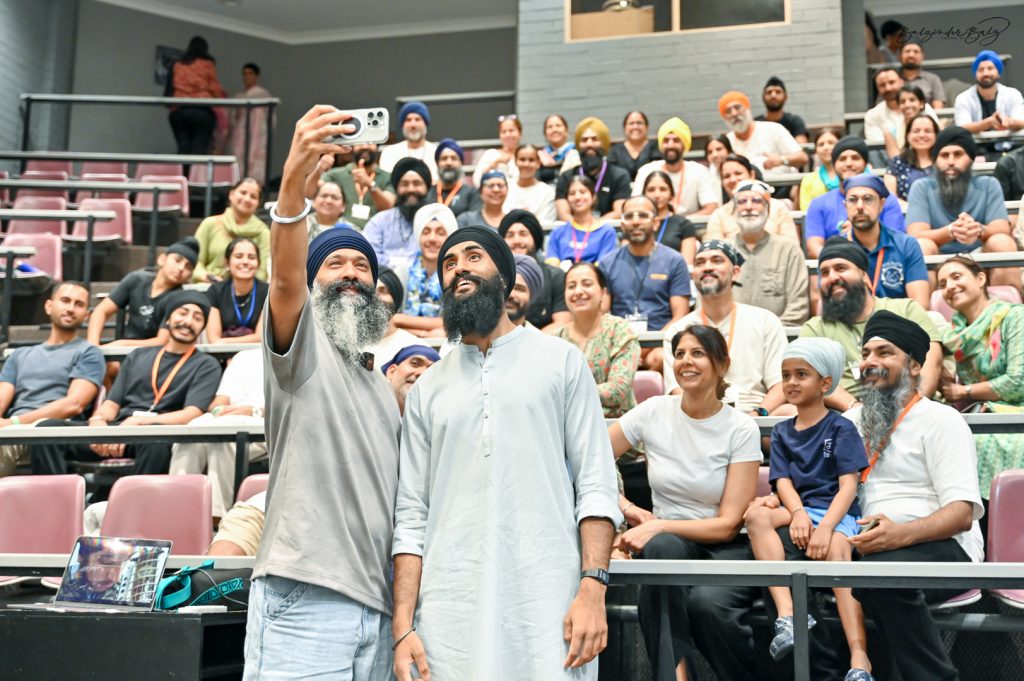
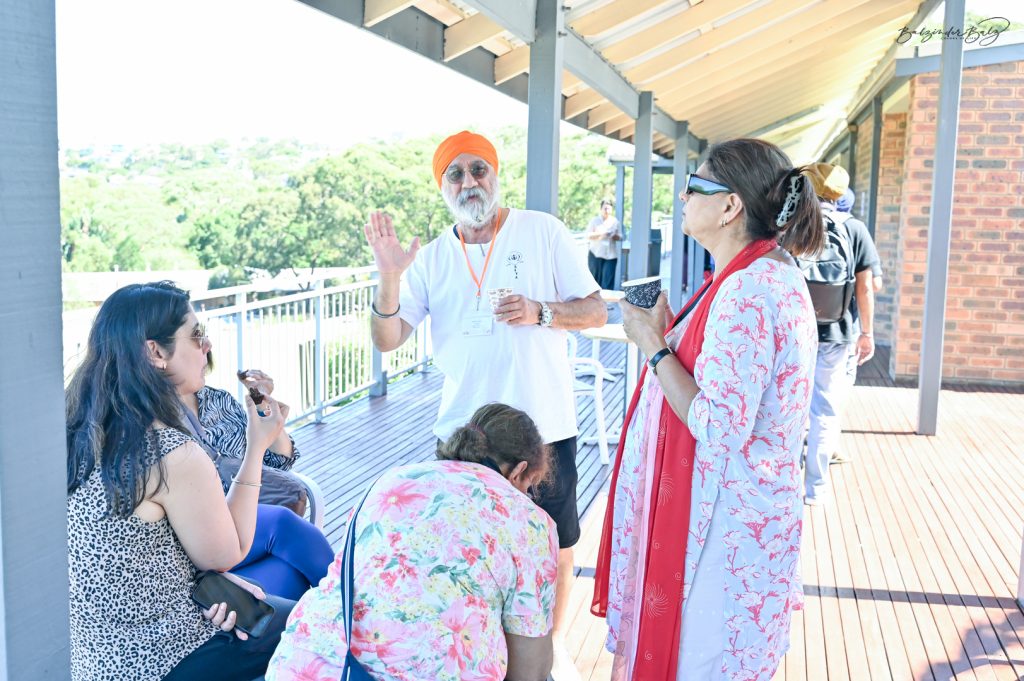
The Sikh Youth Australia Summer Camp remains a significant annual gathering for young Sikhs across the country, providing a space for spiritual growth, reflection, and community building. This year’s camp was guided by a central and deeply resonant theme: *the power of ardaas*. Through a carefully curated program that balanced spiritual practice, critical engagement, creativity, and collective participation, the camp encouraged attendees to reflect on ardaas not only as a daily prayer, but as a guiding force within their personal and communal lives.
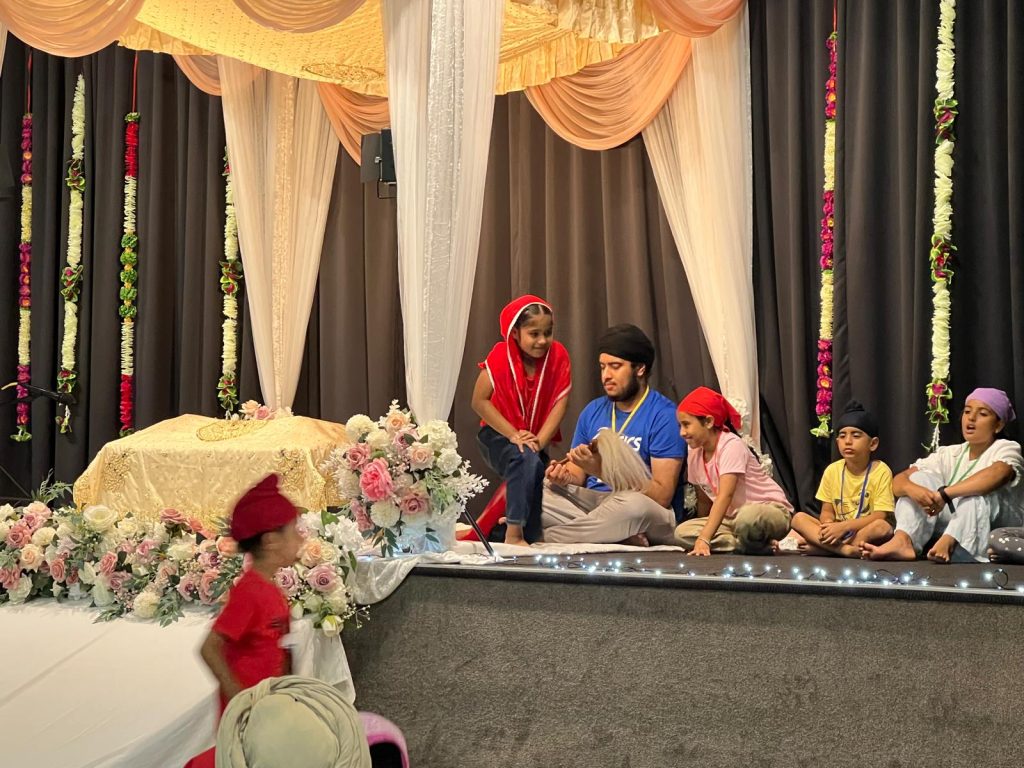
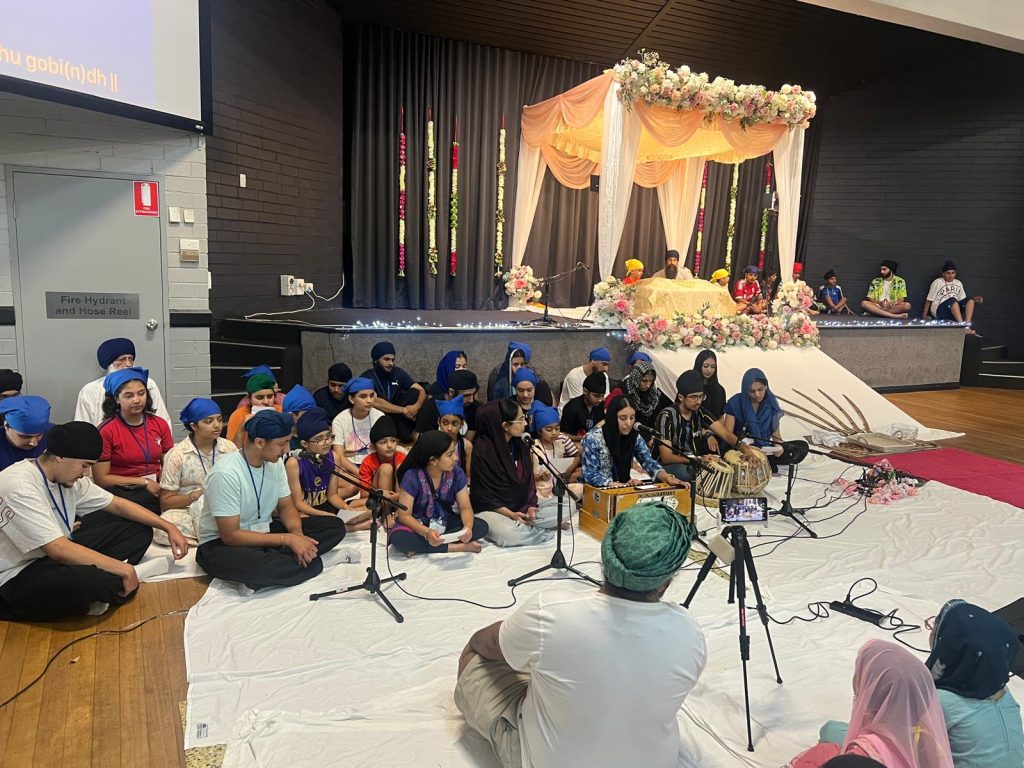
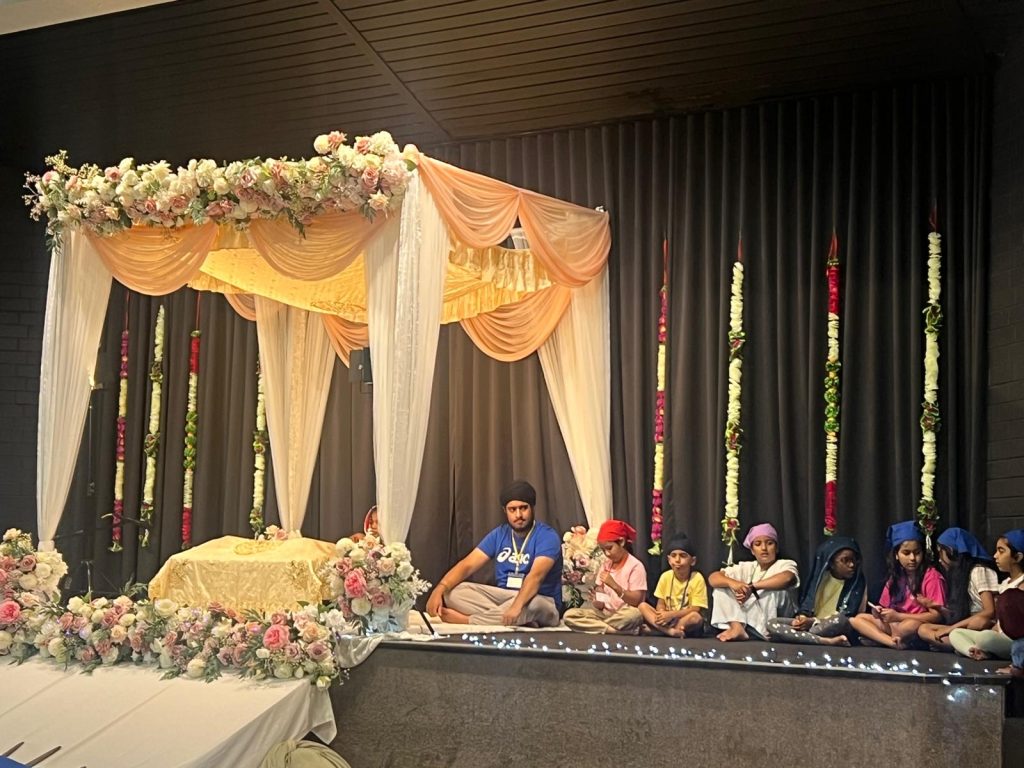
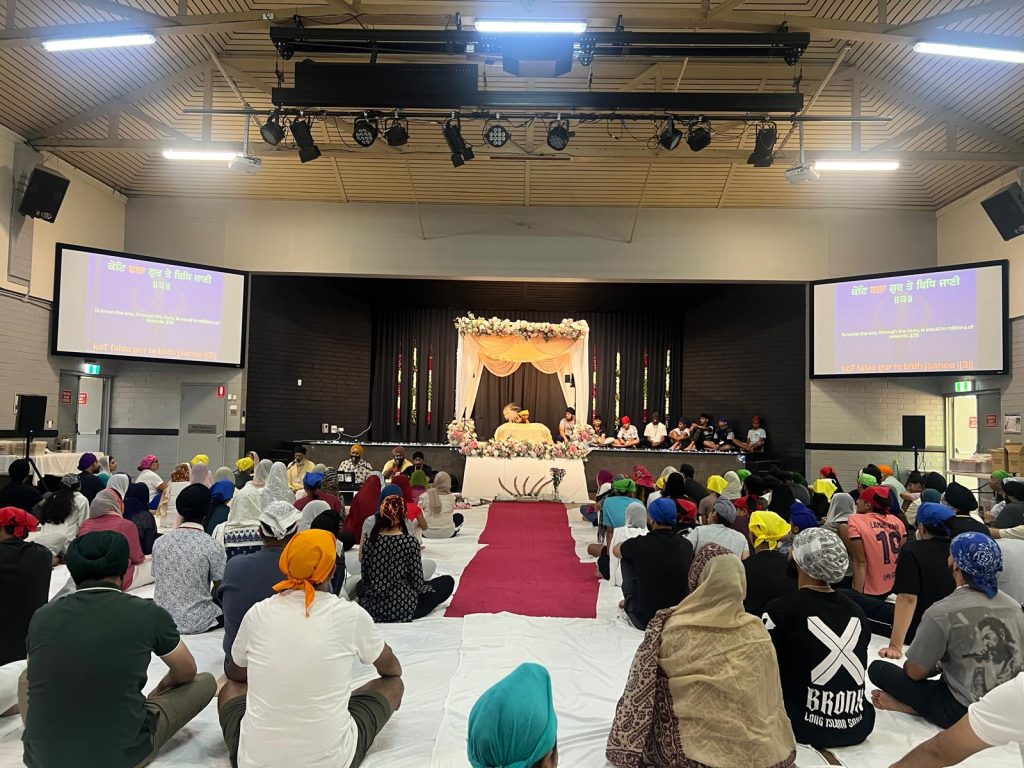
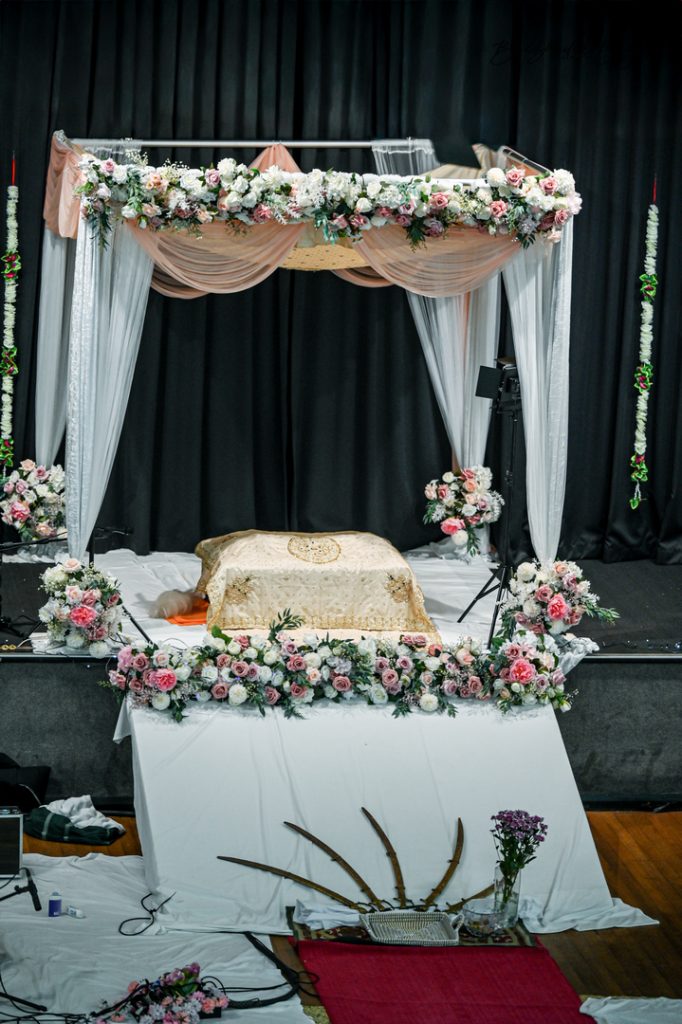
Each day at camp began with a strong emphasis on grounding and discipline. Campers were expected to gather at the Darbar Sahib at 6 am to commence the day with Jap Ji Sahib followed by simran. While the early start posed a challenge, particularly given the busy camp schedule, this ritual played an essential role in setting the tone for the day. It encouraged mindfulness, routine, and spiritual focus from the outset. Notably, these sessions were led by fellow campers, reflecting the camp’s broader ethos of youth leadership and shared responsibility. This peer-led approach fostered confidence and created a sense of collective ownership within the spiritual space.
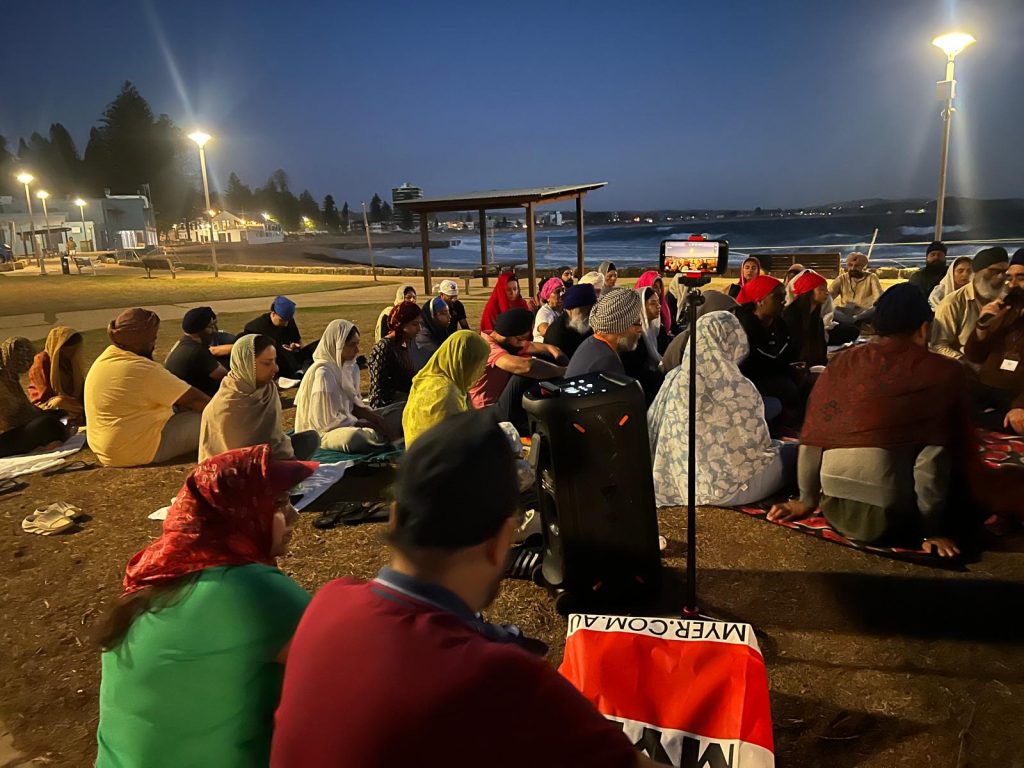
For those seeking an alternative yet equally meaningful start to the day, an optional beach simran was also offered. Held at sunrise, this experience allowed campers to engage in simran while surrounded by nature, accompanied by the sound of waves and the early morning light. This setting reinforced the understanding that ardaas is not confined to formal religious spaces, but can be practised wherever sincerity and presence are found. For many participants, this moment of stillness became a powerful reminder of the adaptability and accessibility of spiritual practice.
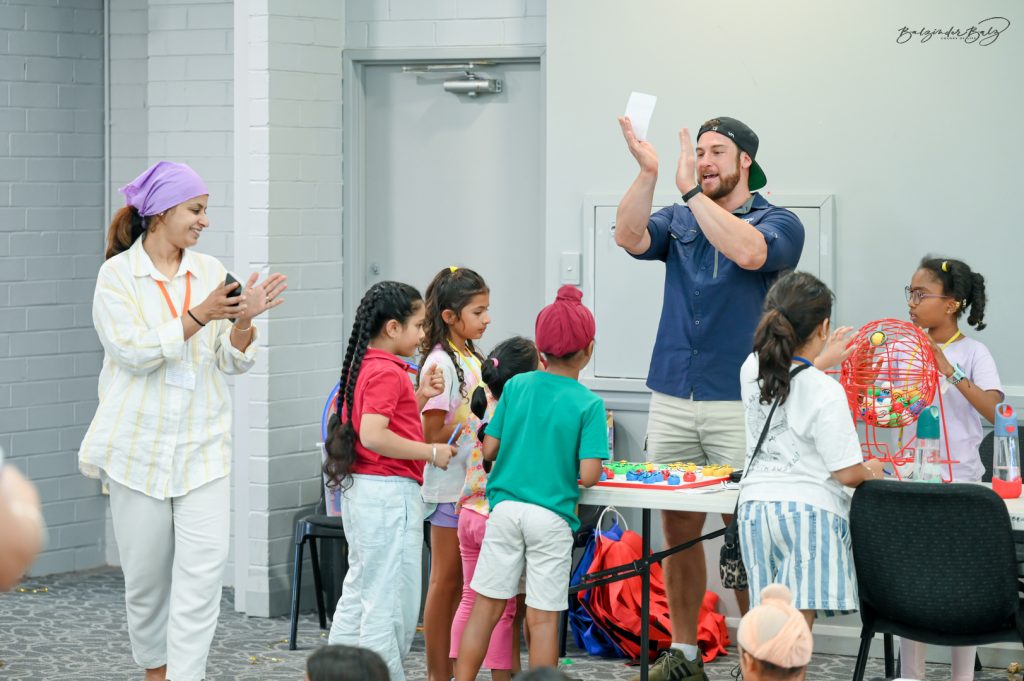
Throughout the camp, workshops were intentionally designed to cater to different age groups, ensuring that all participants were engaged at an appropriate level. Younger campers took part in a range of interactive and recreational activities, including sporting sessions and group games, which promoted teamwork, confidence, and enjoyment. These activities provided an accessible introduction to Sikh values while maintaining an energetic and inclusive atmosphere.
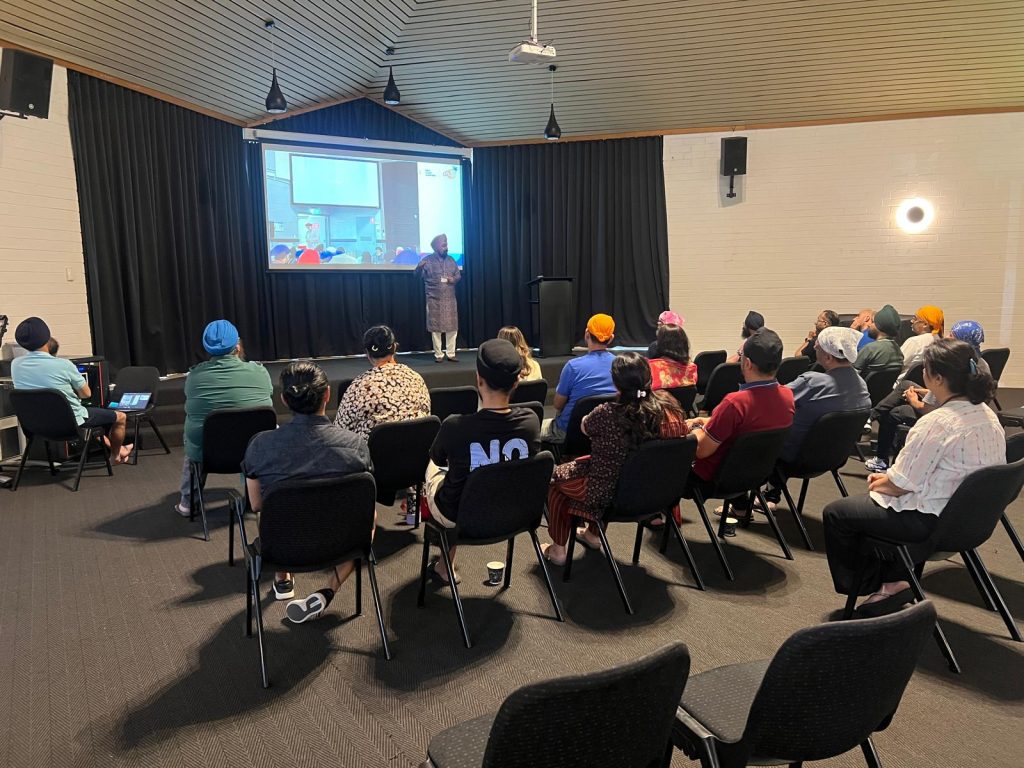
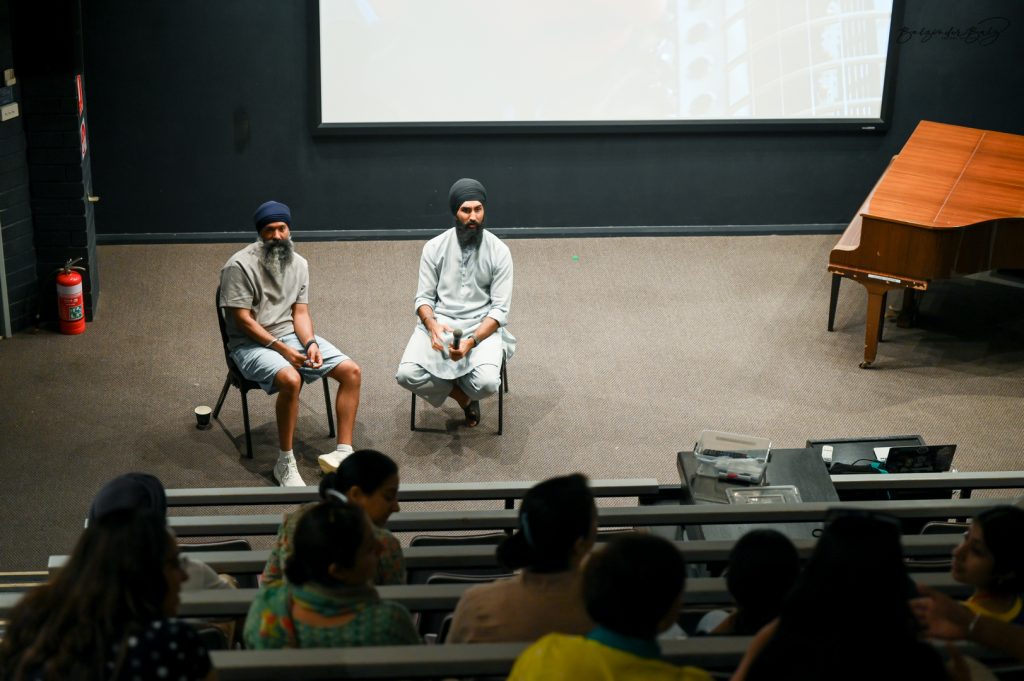
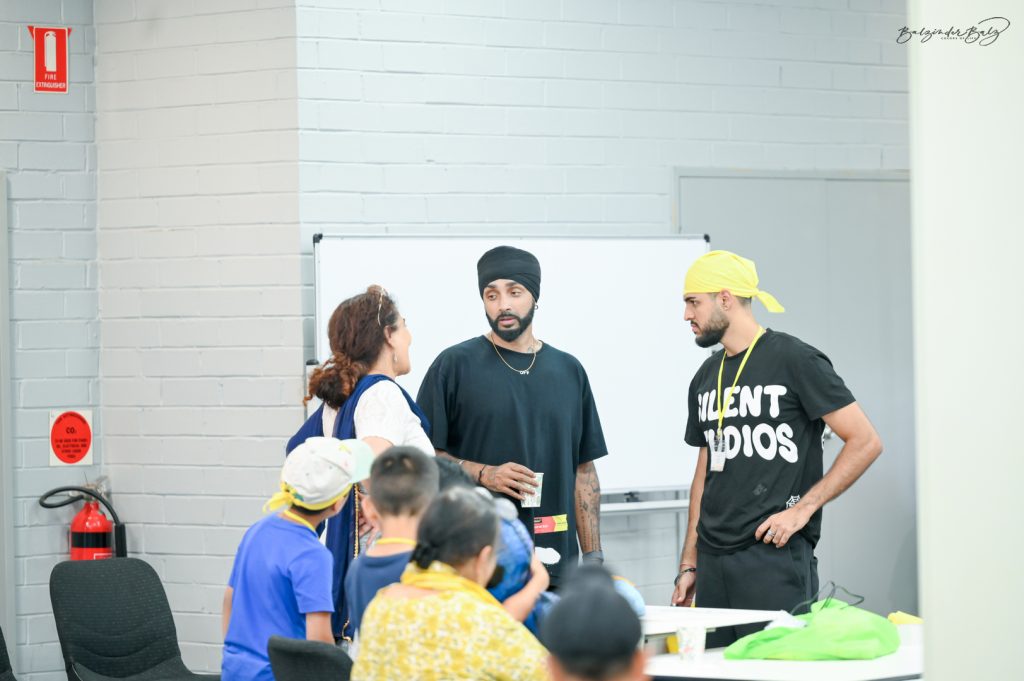
In contrast, older age groups engaged in more reflective and discussion-based workshops facilitated by community leaders and educators. These sessions encouraged participants to explore the concept of ardaas more deeply, moving beyond memorisation towards personal understanding and relevance. A notable strength of these workshops was the facilitators’ openness to critical inquiry. Rather than avoiding difficult or sensitive topics, they welcomed questions surrounding rigid traditions and practices, encouraging campers to reflect on their origins and purpose. This approach enabled participants to engage with Sikhi in a thoughtful and meaningful way, fostering a more nuanced and intentional connection to their faith.
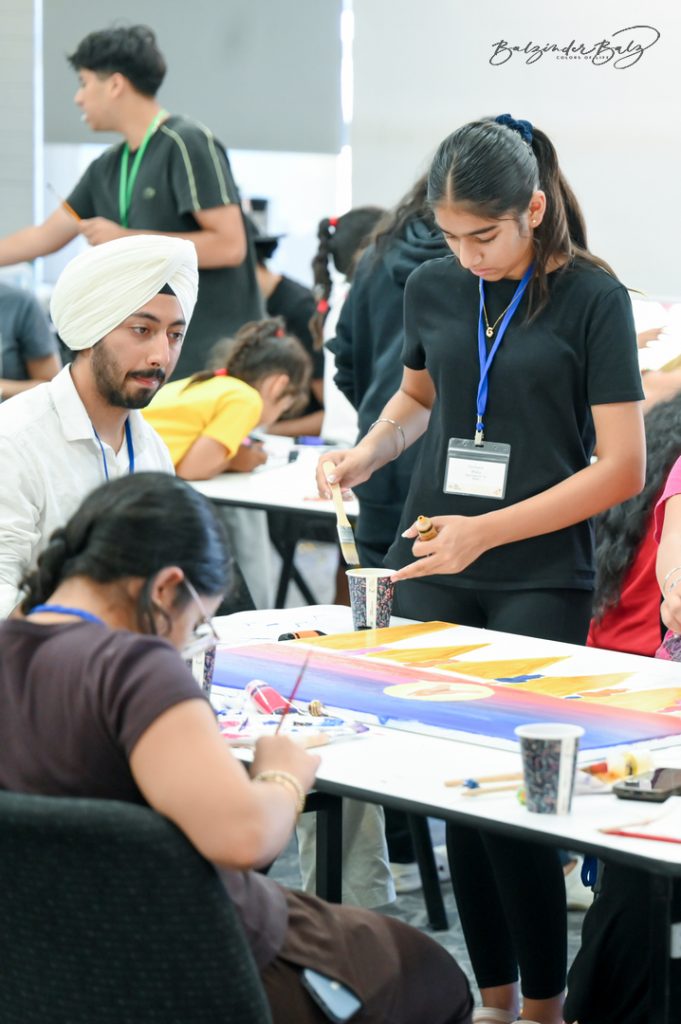
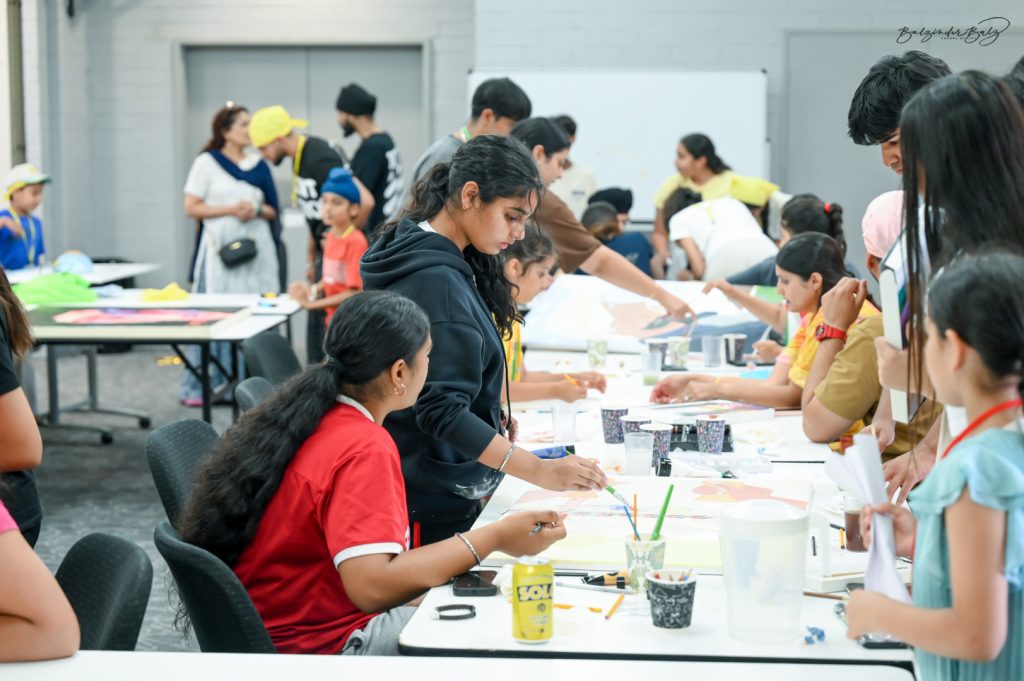
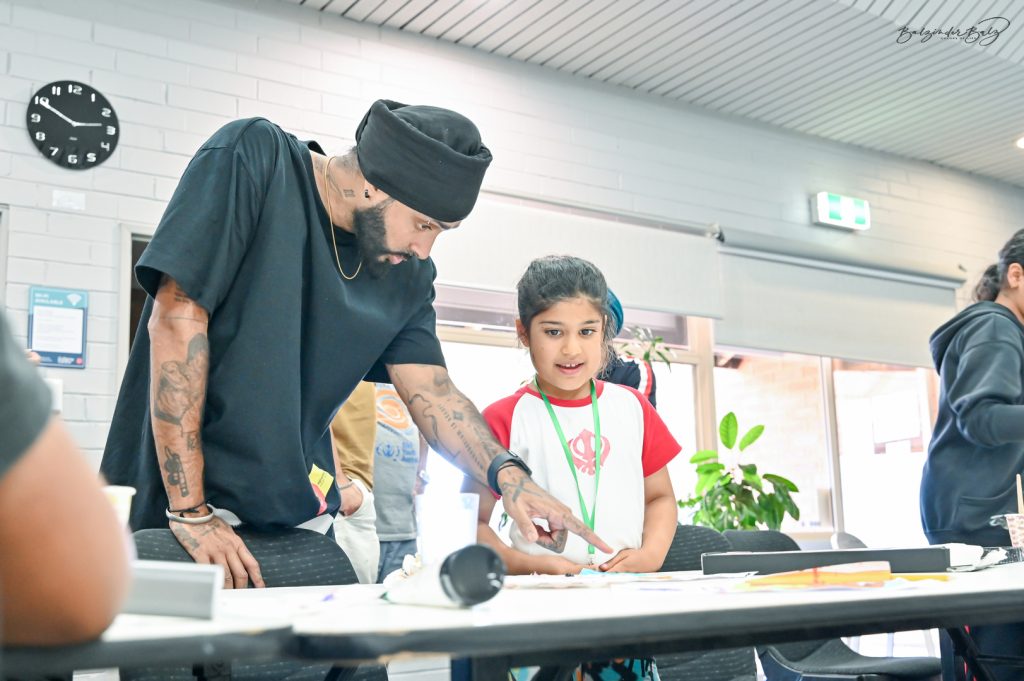
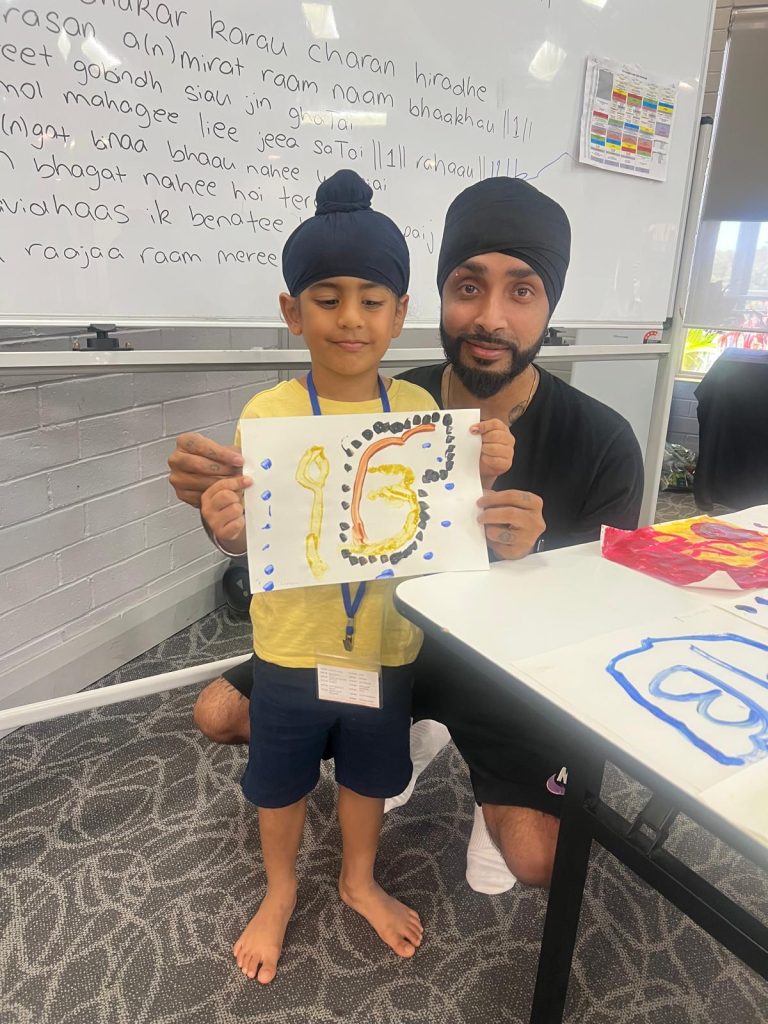
One of the defining features of this year’s camp was the inclusion of the guest artist *Inquisitive*, a respected Sikh creative known for his ability to communicate complex ideas through art. Campers had the opportunity to work closely with the artist in small groups to create artworks inspired by the camp’s central theme. This collaborative process encouraged creative exploration, discussion, and shared reflection, allowing participants to express their interpretations of ardaas through visual mediums. The exercise highlighted the role of creativity as a legitimate and powerful form of engagement with faith, offering an alternative avenue for reflection and expression.
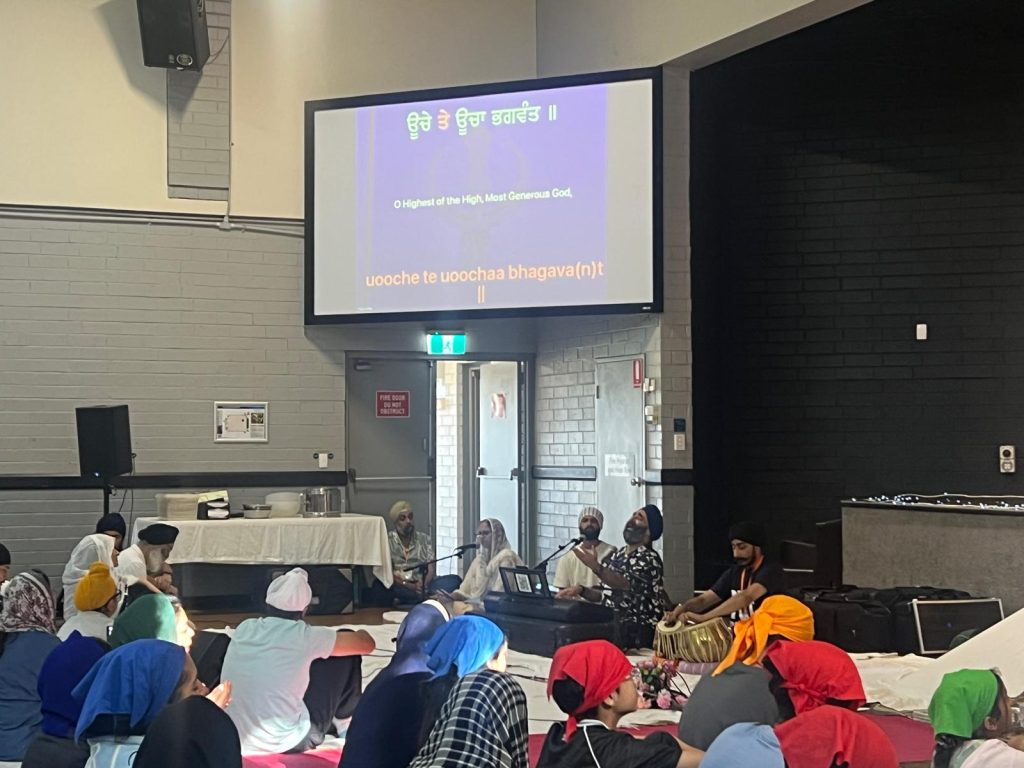
The camp’s longstanding traditions also played a key role in reinforcing participation and leadership. The kirtan competition once again provided campers with the opportunity to take an active role within the Darbar Sahib. By encouraging participants to lead and present kirtan in diverse ways, the competition fostered confidence, musical development, and a deeper sense of seva. It also reinforced the importance of youth involvement within religious spaces, ensuring that the Darbar Sahib remained a place of shared participation rather than passive observation.

Beyond formal programming, the spirit of seva was strongly reflected in the langar halls. Campers were encouraged to approach langar not only as a service, but as an opportunity for creativity and hospitality. Groups introduced thoughtful initiatives to enhance the experience for others, including themed dining experiences such as a “candlelight” dinner, relaxation and massage stations, and decorative elements throughout the hall. These initiatives demonstrated how ardaas can be embodied through action, care, and attentiveness to the needs of others.
Each evening concluded with a structured yet enjoyable group activity designed to maintain enthusiasm and engagement. Activities included a soccer night, trivia night, bhangra night, and a performance night in which each jaatha presented a live performance interpreting the power of ardaas. By ensuring that all group members were involved, these activities promoted inclusivity, collaboration, and collective expression.
Another notable inclusion this year was the introduction of ice baths, which encouraged campers to engage with breathwork and mental resilience. While physically demanding, this activity offered a practical exploration of focus, control, and inner strength, drawing parallels with the grounding aspects of ardaas during moments of challenge.
Overall, the Sikh Youth Australia Summer Camp offered a well-rounded and reflective experience that successfully integrated spirituality, critical thought, creativity, and community. By centring the program around the power of ardaas, the camp enabled young Sikhs to develop a deeper and more personal understanding of prayer as a source of strength, intention, and connection within their everyday lives.
-Anchal Banga