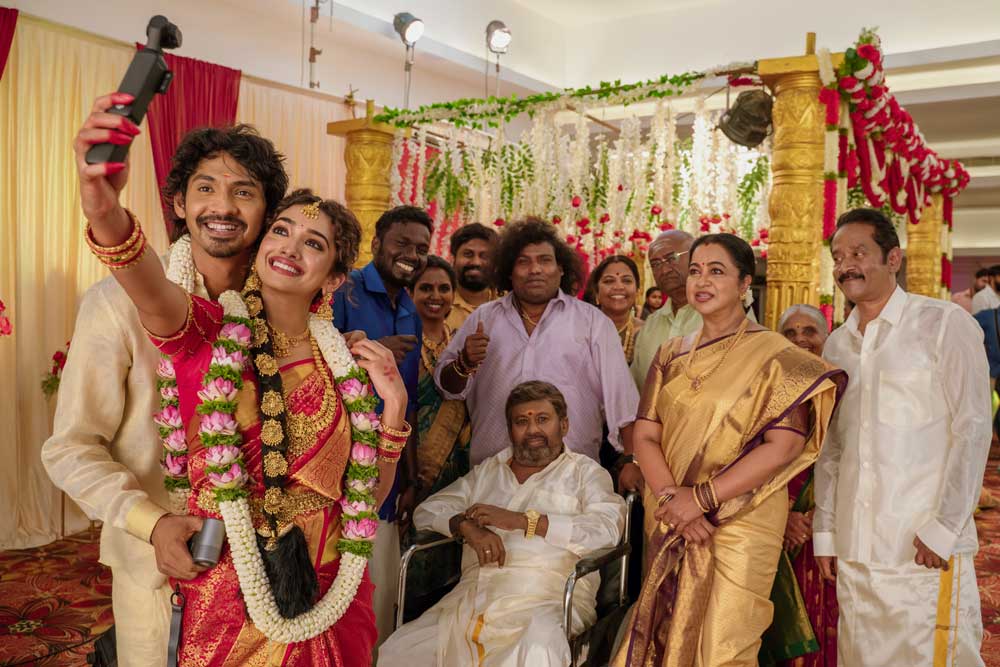
In an era where South Asian cinema is often associated with glamour, larger-than-life families, and polished endings, filmmaker Anoop Lokkur’s Don’t Tell Mother takes a very different path; one that is intimate, unsettling, and deeply human.
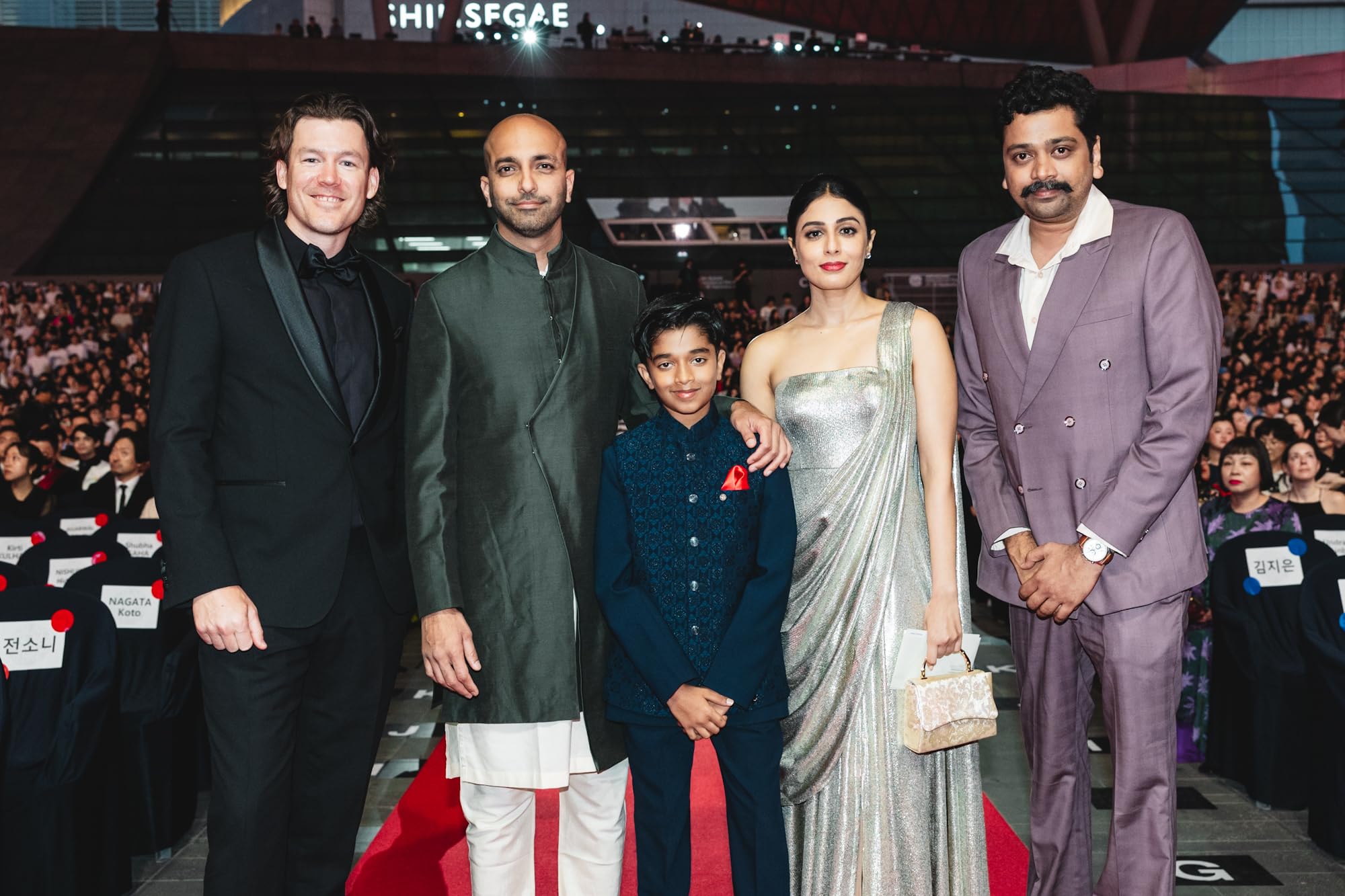
Set to be showcased at the Sydney Film Festival this June, the film explores the emotional realities hidden behind many seemingly “normal” childhoods and family dynamics. Having had the chance to watch the film ahead of its official release, one thing that stood out most was how deeply it explored the way children are shaped by the people and environments around them, often in ways that continue to affect them into adulthood.
When asked what first inspired him to tell this story, Lokkur revealed just how personal the project truly is.
“It is actually my story,” he shared. “It came about while discussing with my wife how normal certain things felt for me growing up, but how terrifying they sounded to her.”
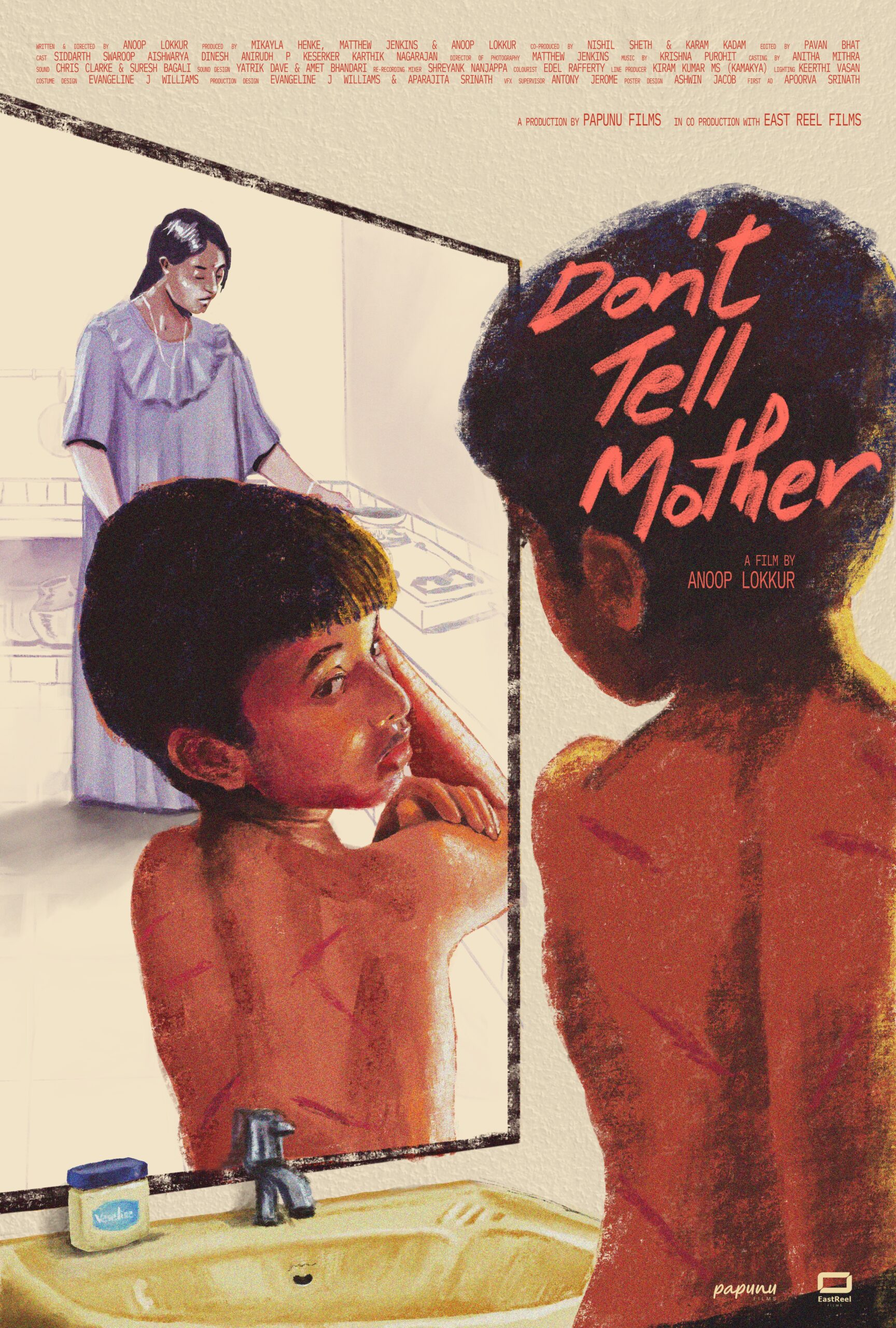
That emotional contrast between what society normalises and what may actually be harmful became one of the film’s most powerful themes.
During our conversation, I brought up how audiences have compared themes within Don’t Tell Mother to films like Dangal and even the upcoming Michael – stories that touch on parental pressure and children being shaped by adult expectations.
When asked about those comparisons, Lokkur reflected:

“We tend to glorify what’s wrong when it comes to us, but are quick to correct it when we see it happen to someone else.”
It’s a statement that captures the uncomfortable honesty of the film. Rather than romanticising difficult family dynamics, Don’t Tell Mother encourages audiences to question behaviours that are often dismissed as discipline, sacrifice, or tradition.
Another subtle detail that stood out throughout the film was the repeated symbolism of cashews. When asked whether there were other hidden symbolic elements audiences may miss on a first watch, Lokkur intentionally chose not to reveal too much.
“I’ll leave it upon the audience to ponder and not give it away,” he smiled.
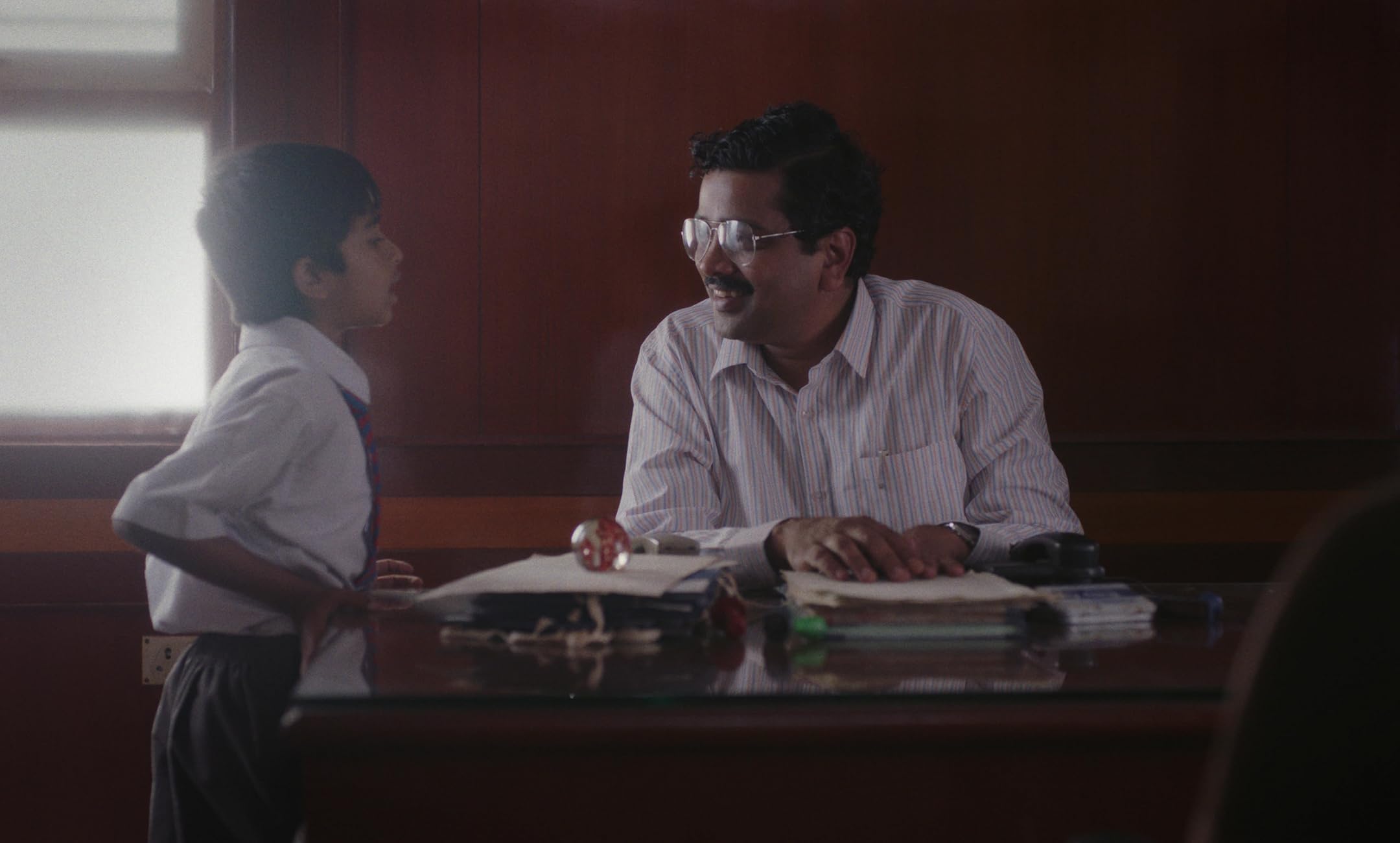
When discussing how he balanced emotional storytelling while keeping the film realistic, Lokkur explained that much of the film stems directly from childhood memories.
“It was crazy to see how differently I remembered events compared to how my mother or brother remembered them,” he reflected. “It made me realise that every moment feels different depending on the emotions attached to it.”
One of the biggest challenges while making the film was recreating the older settings required for the story, as many locations had become heavily urbanised over time.
At its core, however, Don’t Tell Mother is not simply about revisiting trauma – it is about opening conversations many South Asian families still struggle to have openly.
When asked what conversations he hopes the film sparks, Lokkur’s answer became deeply personal.
“I hope people stop hesitating to ask for help,” he said. “Now that I have a daughter, I hope she never feels afraid to speak to me about something, no matter how uncomfortable society may find it.”
For Lokkur, authentic South Asian representation remains essential in filmmaking.
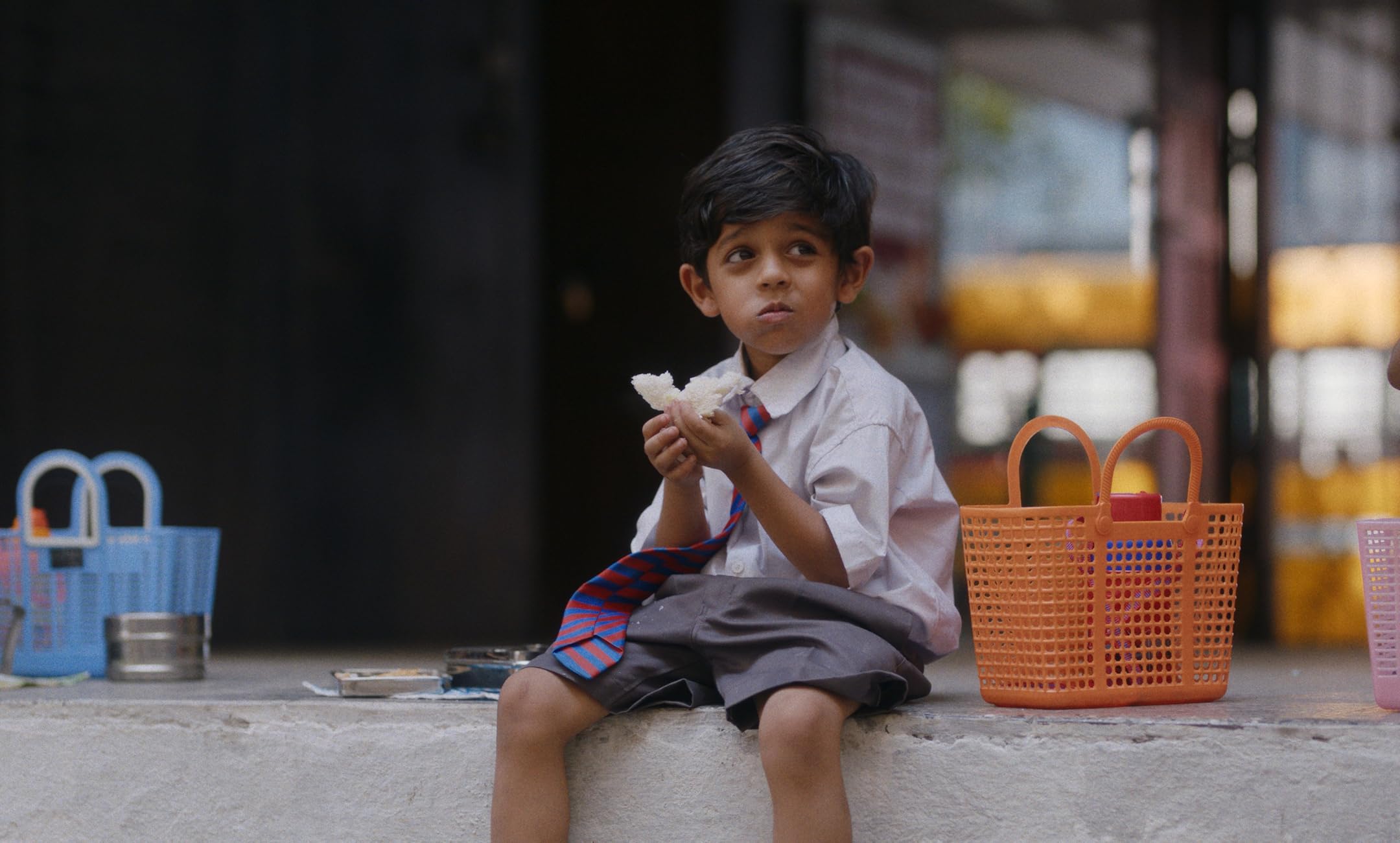
“Films connect people,” he explained. “And a film like Don’t Tell Mother doesn’t just portray the positive – it gives a peek into the real lives behind the glamour many South Asian films show.”
Having the film showcased at the Sydney Film Festival is something Lokkur describes as “a delight,” particularly because of the opportunity to share such a personal story with wider audiences.
And for young South Asian creatives hoping to enter the industry, his advice is simple:
“Just take the first step. Start right now.”
With several future projects already lined up – including one partly based in Australia – Anoop Lokkur is only just getting started. And if Don’t Tell Mother is any indication, audiences can expect storytelling that is honest, reflective, and unafraid to confront uncomfortable truths.
-Anshi Agarwal

Anshi Agarwal
Anshi Agarwala is a South Asian biomedical science student based in Australia who is passionate about accessible education, dance, and celebrating diaspora voices. Her work reflects the lived experiences of young people navigating culture and ambition.