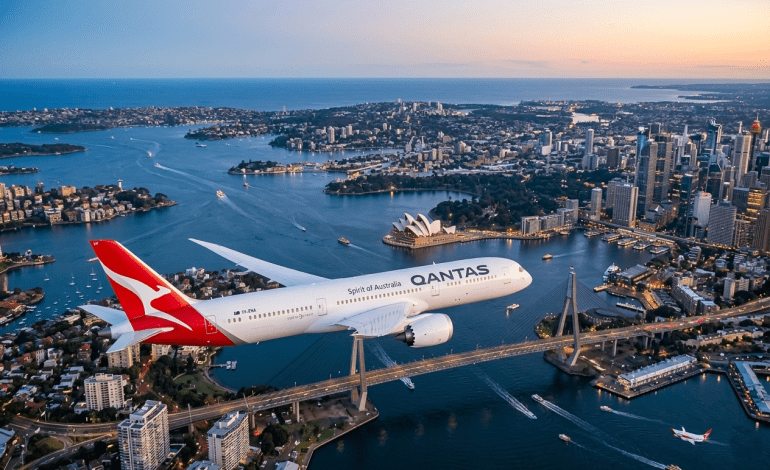
Concerns about fuel supply and rising petrol prices have prompted responses from both the NSW Government and the state opposition, with each outlining measures aimed at supporting motorists, businesses and regional communities.
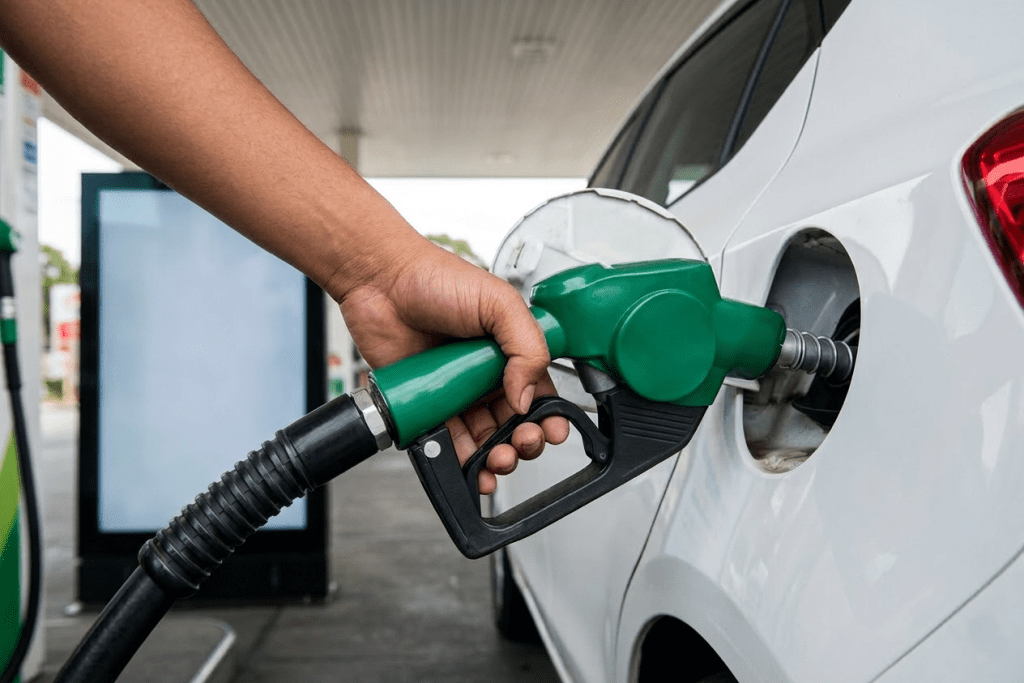
The NSW Government has announced it will convene a Fuel Security Roundtable on Monday, bringing together industry representatives and key stakeholders to discuss supply conditions and potential impacts across the state.
Chaired by Penny Sharpe, the roundtable will include representatives from the transport and logistics sector, fuel suppliers, agriculture, unions, local government and consumer groups.
According to the NSW Government, the meeting aims to ensure agencies and industry groups are sharing information and coordinating responses if pressure on fuel markets continues.
Chris Minns said global events were placing pressure on fuel markets internationally, and the state government wanted to ensure New South Wales was prepared.
“We’re bringing together industry, stakeholders and government agencies so everyone is sharing information and ready to respond,” the Premier said, while also urging motorists not to purchase more fuel than necessary.
The government says it is monitoring supply closely, working with the Australian Government and industry bodies, and tracking reports of localised shortages. Authorities are also increasing compliance checks on petrol stations through NSW Fair Trading and expanding monitoring of fuel prices through the FuelCheck program.

Meanwhile, the NSW Opposition has proposed a Fuel Transparency Plan, which it says would provide stronger protections for motorists facing price volatility.
Opposition Leader Kellie Sloane said the plan would introduce legislation requiring petrol stations to set and publicly report their maximum fuel price each day and maintain that price for 24 hours.
The proposed system would be similar to reforms introduced in Victoria, which the opposition says helps prevent sudden price spikes and gives motorists more certainty before filling up.
The plan also includes stronger penalties for misleading pricing practices, advance price notifications for drivers, and a review of fuel supply resilience in regional areas.
NSW Nationals Leader Gurmesh Singh said regional communities were particularly vulnerable to price fluctuations and supply disruptions.
Industry groups have also weighed in on the debate. NRMA spokesperson Peter Khoury welcomed the discussion around greater transparency, noting similar schemes in Western Australia have helped stabilise prices.
While the federal government maintains that Australia’s overall fuel supply remains secure, both the state government and opposition say they are continuing to monitor the situation closely as global energy market pressures evolve.